

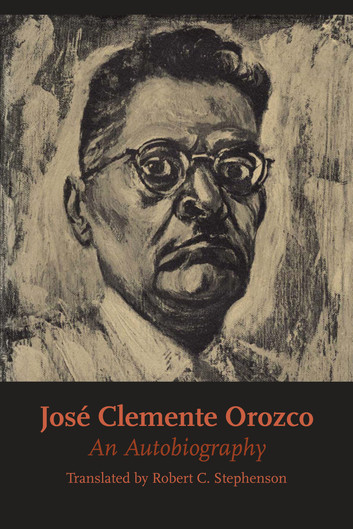
Description
José Clemente Orozco: An Autobiography – A Master Muralist’s Life Story
Introduction: The Voice of a Revolutionary Artist
José Clemente Orozco stands among Mexico’s greatest muralists and cultural icons. This autobiography offers readers direct access to his extraordinary life and artistic vision. Moreover, it provides intimate insights into the Mexican muralism movement. The book chronicles his journey from childhood through his rise to international fame.
José Clemente Orozco wrote this memoir with remarkable honesty and emotional depth. Furthermore, he shares both triumphs and struggles throughout his career. The narrative spans decades of Mexican history and cultural transformation. Additionally, it reveals the personal costs of artistic dedication and political engagement.
This autobiography captures the voice of a man who changed the course of art history forever. Consequently, readers experience his world through his own words and perspectives. The book remains essential reading for art enthusiasts and history lovers alike. Therefore, it continues to inspire new generations of artists and scholars.
Early Life and Artistic Awakening
Orozco describes his childhood in late 19th-century Mexico with vivid detail. Moreover, he recounts the experiences that shaped his artistic sensibility. His early exposure to printmaker José Guadalupe Posada proved transformative. Additionally, he discusses his formal training at the Academy of San Carlos.
The artist faced significant challenges from the beginning of his career. Furthermore, a childhood accident resulted in the loss of his left hand. However, this disability never diminished his artistic ambition or technical skill. Instead, it strengthened his determination to succeed as a painter.
Orozco explains how the Mexican Revolution profoundly influenced his artistic development. Moreover, he witnessed violence, suffering, and social upheaval firsthand. These experiences became central themes in his later monumental works. Consequently, his art reflects deep engagement with human struggle and dignity.
The autobiography reveals his early struggles to find his unique voice. Additionally, he describes rejecting European academic traditions in favor of Mexican themes. This decision proved crucial to his eventual success and recognition. Therefore, his work became distinctly Mexican while achieving universal resonance.
José Clemente Orozco and the Muralism Movement
José Clemente Orozco emerged as a leading figure in Mexican muralism alongside Rivera and Siqueiros. Furthermore, he developed a distinctive style characterized by dramatic intensity and emotional power. His murals addressed themes of war, revolution, and human suffering. Moreover, they challenged viewers to confront uncomfortable social and political realities.
The autobiography details his major mural commissions throughout Mexico and the United States. Additionally, he discusses his creative process and philosophical approach to public art. Orozco believed murals should serve educational and social purposes. Consequently, he created works that spoke directly to ordinary people.
He describes his time working in the United States during the 1920s and 1930s. Moreover, he completed significant murals at Dartmouth College, Pomona College, and other institutions. These American commissions brought him international recognition and financial stability. However, they also sparked controversy due to their political content.
Orozco explains his complex relationship with the Mexican government and cultural establishment. Furthermore, he maintained artistic independence despite pressure to conform to official narratives. His refusal to romanticize the Revolution set him apart from contemporaries. Therefore, his work presents a more critical and nuanced historical perspective.
Artistic Philosophy and Technical Mastery
The autobiography reveals Orozco’s deep commitment to artistic integrity and social responsibility. Moreover, he argues that art must engage with contemporary reality. He rejected art for art’s sake in favor of meaningful social commentary. Additionally, he emphasized the importance of technical skill and formal discipline.
Orozco discusses his approach to composition, color, and monumental scale with clarity. Furthermore, he explains how he adapted fresco techniques to modern subjects. His mastery of human anatomy and expressive distortion created a powerful visual impact. Consequently, his figures convey intense emotion and psychological depth.
The artist describes his working methods and the physical demands of mural painting. Moreover, he shares insights into planning large-scale compositions and managing complex projects. He worked directly on walls without preliminary cartoons in many cases. Therefore, his process required exceptional confidence and technical control.
Orozco thoughtfully addresses the relationship between form and content in his work. Additionally, he explains how visual elements reinforce thematic messages and emotional resonance. His theoretical reflections demonstrate a sophisticated understanding of art’s communicative power. Thus, the autobiography serves as both memoir and artistic manifesto.
Key Themes and Major Works
This autobiography explores several interconnected themes that defined Orozco’s life and art:
- The Mexican Revolution: Personal experiences and artistic interpretations of revolutionary violence and transformation
- Human Suffering: Unflinching depictions of war, poverty, and social injustice
- Indigenous Heritage: Complex engagement with pre-Columbian culture and Mexican identity
- Political Independence: Resistance to dogma from both left and right political movements
- Technical Innovation: Development of modern fresco techniques for contemporary subjects
- Social Responsibility: Belief in art’s power to educate and inspire social change
- Personal Struggle: Overcoming physical disability and financial hardship through determination
These themes appear consistently throughout the narrative and his artistic production. Moreover, they reflect his commitment to honest representation of human experience. Orozco never shied away from difficult or controversial subjects. Consequently, his work maintains relevance and power decades after its creation.
Challenges, Controversies, and Triumphs
Orozco candidly discusses the numerous obstacles he faced throughout his career. Furthermore, he addresses criticism from various political and artistic factions. His refusal to idealize the Revolution angered some Mexican nationalists. Additionally, his dark vision troubled those seeking more optimistic narratives.
The autobiography reveals his struggles with poverty and lack of recognition early on. Moreover, he describes periods of doubt and creative frustration with remarkable honesty. Financial instability plagued him throughout much of his life, despite his eventual fame. However, he never compromised his artistic vision for commercial success.
He recounts controversies surrounding specific murals and their reception by different audiences. Furthermore, he explains his intentions when his work was misunderstood or attacked. Some viewers found his imagery too violent or pessimistic for public spaces. Nevertheless, Orozco defended his right to present difficult truths through art.
The book also celebrates his achievements and growing international recognition over time. Moreover, it documents his influence on younger artists and the broader culture. His murals became landmarks and destinations for art pilgrims worldwide. Therefore, his legacy extends far beyond his lifetime and national borders.
Personal Reflections and Philosophical Insights
Orozco shares profound reflections on the nature of art and the artist’s role. Furthermore, he discusses the tension between individual expression and social responsibility. He believed artists must remain independent while engaging with their communities. Additionally, he emphasized the importance of sincerity and emotional authenticity.
The autobiography reveals his complex personality—serious, dedicated, and sometimes melancholic. Moreover, he writes about relationships with family, friends, and fellow artists. His prose style reflects his visual aesthetic: direct, powerful, and unadorned. Consequently, readers encounter the man behind the monumental public works.
He addresses the physical and emotional toll of creating large-scale public art. Furthermore, he describes the satisfaction of completing major projects despite enormous challenges. The work required not just artistic skill but also physical endurance and mental resilience. Therefore, his accomplishments seem even more remarkable given the obstacles he has overcome.
Orozco thoughtfully discusses his views on Mexican identity, modernization, and cultural authenticity. Moreover, he questions simplistic narratives about progress and national character. His perspective remains nuanced and critical rather than propagandistic. Thus, the autobiography offers valuable insights into 20th-century Mexican intellectual life.
Legacy and Continuing Influence
The autobiography demonstrates why José Clemente Orozco remains relevant to contemporary audiences. Furthermore, it shows how his concerns about social justice and human dignity transcend time. His unflinching examination of violence and power speaks to ongoing global struggles. Moreover, his technical innovations continue to influence muralists and public artists today.
Orozco’s work helped establish Mexican muralism as a major international art movement. Additionally, his example inspired artists throughout Latin America and beyond. His commitment to accessible public art challenged elitist gallery systems. Consequently, he democratized art and expanded its potential social impact.
The book reveals how personal experience shaped his unique artistic vision and voice. Furthermore, it demonstrates the connection between biography and creative output. Understanding his life helps viewers appreciate the depth and complexity of his murals. Therefore, this autobiography serves as an essential companion to his visual work.
Orozco’s influence extends beyond visual arts into literature, film, and political thought. Moreover, his ideas about art’s social function continue to inspire debate. Contemporary artists still grapple with the questions he raised about engagement and independence. Thus, his intellectual legacy is equally important to his artistic achievements.
Conclusion: A Testament to Artistic Courage
José Clemente Orozco’s autobiography stands as a powerful testament to artistic integrity and vision. Moreover, it provides invaluable firsthand documentation of a crucial period in art history. The book combines personal narrative, philosophical reflection, and historical documentation. Consequently, it appeals to diverse readers interested in art, history, and biography.
This memoir reveals the man behind the monumental murals with honesty and depth. Furthermore, it demonstrates how personal struggle and historical upheaval shaped artistic genius. Orozco emerges as a complex figure—dedicated, principled, and uncompromising in his vision. Additionally, his voice remains distinctive and compelling throughout the narrative.
The autobiography offers essential insights into the Mexican muralism movement and its significance. Moreover, it explains the social and political context that enabled this art. Readers gain an understanding of how art can serve revolutionary purposes while maintaining quality. Therefore, the book remains relevant to contemporary discussions about art and society.
Ultimately, this work inspires through its example of dedication to artistic truth. Furthermore, it challenges readers to consider art’s potential for social transformation and education. Orozco’s life story demonstrates that great art requires courage, sacrifice, and unwavering commitment. Consequently, his autobiography continues to motivate artists and activists seeking meaningful creative work.



Reviews
There are no reviews yet.