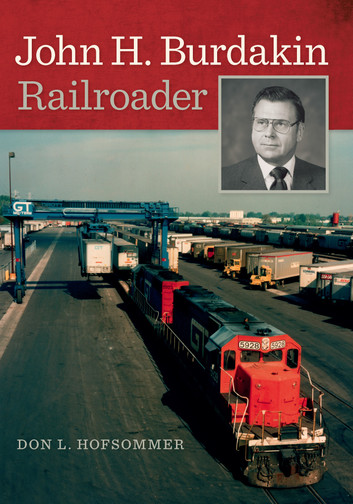
Description
John H. Burdakin: The Visionary Railroader Who Transformed American Railroad Management
John H. Burdakin stands as one of the most influential figures in twentieth-century American railroading. This compelling biography by Don L. Hofsommer chronicles the remarkable career of a man who revolutionized railroad management during one of the industry’s most turbulent periods. Furthermore, Burdakin’s story offers invaluable insights into leadership, safety culture, and organizational transformation.
The Rise of John H. Burdakin Through America’s Railroad Giants
John H. Burdakin began his distinguished career at the Pennsylvania Railroad, America’s most prestigious rail company. He quickly demonstrated exceptional leadership abilities that set him apart from his contemporaries. Moreover, his innovative approach to management caught the attention of industry leaders nationwide.
Burdakin’s career trajectory took him through three major railroad organizations. He navigated the complexities of Penn Central during its challenging merger period. Subsequently, he rose to prominence at Grand Trunk Corporation, where his leadership proved transformative. Therefore, his experience spanned both traditional railroading and modern corporate restructuring.
His tenure at these organizations coincided with dramatic changes in American transportation. The railroad industry faced unprecedented challenges from competing modes of transport. However, Burdakin’s forward-thinking strategies helped his companies adapt and survive.
A Revolutionary Management Philosophy in Railroad Leadership
John H. Burdakin fundamentally changed how railroads approached employee relations and operational management. He rejected the authoritarian, top-down management style that had dominated railroading for generations. Instead, he championed a more collaborative and respectful approach to leadership.
His management philosophy emphasized several key principles:
- Treating employees with dignity and respect regardless of position
- Encouraging open communication across all organizational levels
- Fostering a culture of continuous improvement and innovation
- Prioritizing long-term sustainability over short-term gains
- Building trust through consistent, ethical decision-making
Additionally, Burdakin understood that railroad success depended on frontline workers. He spent considerable time in the field, listening to employees’ concerns. Consequently, he earned unprecedented loyalty and respect from railroad workers at every level.
The rough, confrontational style typical of railroad bosses was anathema to Burdakin’s values. He believed that mutual respect produced better results than intimidation. Therefore, he worked tirelessly to create more humane working conditions throughout his organizations.
John H. Burdakin’s Unwavering Commitment to Railroad Safety
Safety became the cornerstone of John H. Burdakin’s leadership philosophy throughout his career. He recognized that railroad operations involved inherent dangers requiring constant vigilance. Moreover, he understood that safety culture started at the top and permeated every organizational level.
Burdakin championed strict adherence to railroad rules and operating procedures. He viewed these regulations not as bureaucratic obstacles but as life-saving protocols. Furthermore, he held himself to the same standards he expected from others.
His emphasis on safety produced measurable results across his organizations. Accident rates declined significantly under his leadership. Additionally, employee morale improved as workers recognized management’s genuine concern for their wellbeing.
The railroad industry during Burdakin’s era often prioritized speed and efficiency over safety. However, he demonstrated that these goals were not mutually exclusive. His operations proved that rigorous safety standards actually enhanced overall efficiency and profitability.
Navigating Transformation: Leadership During Railroad Industry Upheaval
The period of John H. Burdakin’s career witnessed unprecedented transformation in American railroading. The industry faced financial crises, regulatory changes, and fierce competition from trucking and aviation. Nevertheless, Burdakin’s steady leadership helped his organizations weather these storms.
Penn Central’s formation through merger created enormous operational and cultural challenges. Burdakin played a crucial role in attempting to integrate these disparate railroad cultures. Subsequently, when Penn Central collapsed into bankruptcy, his experience proved invaluable in salvaging operations.
At Grand Trunk Corporation, Burdakin implemented strategies that positioned the company for long-term success. He modernized operations while preserving the railroad’s essential character and traditions. Therefore, Grand Trunk emerged stronger and more competitive under his guidance.
His career spanned the transition from traditional railroading to modern corporate management. He successfully bridged these two worlds, respecting railroad heritage while embracing necessary innovation. Consequently, he became a model for a new generation of railroad leaders.
The Lasting Legacy of a Railroad Industry Pioneer
Don L. Hofsommer’s biography captures how John H. Burdakin left an indelible mark on American railroading. His influence extended far beyond the companies he directly managed. Moreover, his management principles continue to resonate in today’s transportation industry.
Burdakin demonstrated that ethical leadership and business success were complementary, not contradictory. He proved that treating employees with respect enhanced rather than diminished organizational performance. Furthermore, his safety-first approach became a model for the entire industry.
The book reveals a complex leader who balanced competing demands with wisdom and integrity. Burdakin faced difficult decisions during economically challenging times. However, he never compromised his core values or abandoned his commitment to his workforce.
His story offers timeless lessons for leaders in any industry. The principles he championed—respect, safety, communication, and ethical conduct—remain relevant today. Therefore, this biography serves as both historical record and leadership manual.
Why This Biography Matters for Railroad Enthusiasts and Business Leaders
This meticulously researched biography by Don L. Hofsommer provides unprecedented insight into John H. Burdakin’s life and career. The author draws on extensive archival research and personal interviews. Additionally, the book places Burdakin’s achievements within the broader context of American railroad history.
Railroad historians will appreciate the detailed examination of mid-twentieth-century railroad operations. The book illuminates how major railroads functioned during this transformative period. Moreover, it explains the complex business and regulatory challenges these companies faced.
Business leaders and management students will find valuable lessons in Burdakin’s leadership approach. His methods for building organizational culture and driving change remain highly applicable. Furthermore, his ethical framework offers guidance for navigating difficult business decisions.
The narrative style makes complex railroad operations accessible to general readers. Hofsommer balances technical detail with engaging storytelling. Consequently, the book appeals to both railroad enthusiasts and those interested in leadership studies.
Key Themes Explored in John H. Burdakin: Railroader
The biography examines several interconnected themes that defined Burdakin’s career and character:
- Leadership transformation: How one person can change organizational culture
- Safety culture: Building systems that protect workers and the public
- Industry adaptation: Navigating change while preserving core values
- Employee relations: Creating mutual respect between management and labor
- Ethical decision-making: Maintaining integrity under pressure
Each theme is explored through specific examples from Burdakin’s career. The book shows how these principles played out in real-world situations. Therefore, readers gain practical understanding rather than abstract theory.
The author also examines the personal qualities that made Burdakin effective. His integrity, courage, and empathy emerge as defining characteristics. Additionally, his deep knowledge of railroad operations gave him credibility with workers.
Conclusion: A Railroad Leader for the Ages
John H. Burdakin: Railroader by Don L. Hofsommer stands as an essential contribution to railroad literature. The book rescues from obscurity a leader whose influence deserves wider recognition. Moreover, it provides a compelling portrait of American railroading during a pivotal era.
John H. Burdakin exemplified leadership qualities that transcend time and industry. His commitment to safety, respect for workers, and ethical management created lasting positive change. Furthermore, his success during challenging times demonstrates the power of principled leadership.
This biography will appeal to multiple audiences with diverse interests. Railroad enthusiasts gain detailed insights into major railroad operations and personalities. Business leaders discover timeless management principles illustrated through real-world examples. History buffs explore a fascinating period in American industrial development.
Hofsommer’s thorough research and engaging writing bring Burdakin’s story to life. The book honors a remarkable career while offering practical wisdom for contemporary readers. Therefore, it deserves a place on the bookshelf of anyone interested in railroads, leadership, or American business history.
John H. Burdakin’s legacy reminds us that how we lead matters as much as what we achieve. His story inspires us to lead with integrity, compassion, and courage. In an era often characterized by short-term thinking and expedient choices, his example points toward a better way.






Reviews
There are no reviews yet.