Description
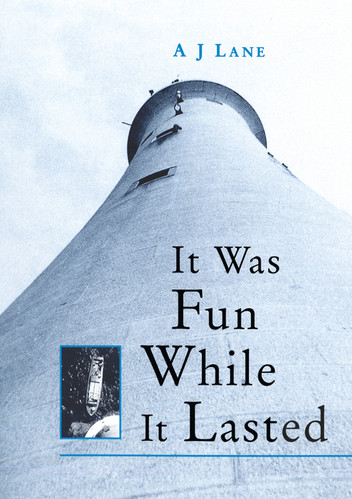
It Was Fun While it Lasted: A Lighthouse Keeper’s Hilarious Memoir of Life on Isolated Rock Stations
It Was Fun While it Lasted by Arthur J. Lane captures the extraordinary world of traditional lighthouse keeping before modern technology changed everything. This lively memoir transports readers to isolated rock lighthouses where keepers lived for weeks at a time. Furthermore, Lane’s humorous storytelling brings to life an era that has vanished forever.
The Last Days of Traditional Lighthouse Keeping
Arthur J. Lane served as a lighthouse keeper during the final years of traditional reliefs. Consequently, he witnessed firsthand the end of an extraordinary profession. Before helicopter reliefs transformed the service, keepers traveled by boat in all weather conditions. Moreover, they endured weeks of isolation on remote rock stations surrounded by nothing but sea.
Lane’s memoir celebrates this vanishing way of life with warmth and wit. Additionally, his stories reveal the camaraderie, challenges, and absurdities of lighthouse life. The book stands as a testament to a unique brotherhood of men who kept the lights burning.
Life on Isolated Rock Lighthouses in “It Was Fun While it Lasted”
Rock lighthouses presented unique challenges that land-based stations never faced. Therefore, keepers developed special skills and resilience. These towering structures rose from the sea with no connection to shore. Furthermore, waves could crash over the entire building during storms.
Living quarters were cramped and basic. Nevertheless, keepers made these spaces home for their tours of duty. They shared small rooms, cooked together, and maintained strict routines. Indeed, cooperation was essential for survival and sanity.
The isolation could be profound. However, Lane’s humor shines through even the loneliest moments. He describes the peculiar psychology of being cut off from the world. Meanwhile, the sea remained their constant, unpredictable companion.
Daily Routines and Responsibilities
Lighthouse keeping demanded discipline and attention to detail. Consequently, keepers followed strict schedules every single day. Their primary duty was ensuring the light never failed. Additionally, they maintained fog signals, recorded weather observations, and kept detailed logs.
Key daily tasks included:
- Cleaning and polishing the lens apparatus
- Winding the clockwork mechanism that rotated the light
- Trimming wicks and refilling oil reservoirs
- Recording weather conditions and visibility
- Maintaining the building and equipment
- Preparing meals and managing supplies
- Standing watch throughout the night
Each task was critical to maritime safety. Therefore, keepers took their responsibilities seriously despite the monotony. Lane describes these routines with affection and occasional exasperation. Moreover, he reveals how small variations became major events in their isolated world.
The Hilarious Side of Lighthouse Life
It Was Fun While it Lasted truly shines in its comedic moments. Lane possesses a gift for finding humor in difficult situations. His anecdotes about fellow keepers are both affectionate and hilarious. Furthermore, he doesn’t shy away from the absurdities of their circumstances.
Pranks and practical jokes helped keepers maintain their sanity. Consequently, elaborate schemes developed during long tours of duty. Lane recounts competitions, arguments over trivial matters, and creative solutions to boredom. Indeed, laughter became essential survival equipment.
The book captures the unique humor that develops in isolated communities. Meanwhile, Lane’s storytelling style keeps readers entertained throughout. His observations about human nature under pressure are both insightful and funny.
Adventures and Misadventures at Sea
Getting to and from lighthouses provided endless drama and excitement. Therefore, relief days were never routine or predictable. Keepers traveled in small boats through treacherous waters. Moreover, they often faced dangerous conditions during transfers.
Lane describes heart-stopping moments with remarkable good humor. Boats capsized, supplies were lost, and men were injured. Nevertheless, the keepers persevered with determination and dark humor. These stories reveal both the dangers and the resilience of lighthouse crews.
Weather could strand keepers for extended periods beyond their scheduled relief. Consequently, supplies ran low and tempers sometimes flared. Lane’s accounts of these situations are both gripping and amusing. Furthermore, they highlight the unpredictability of lighthouse life.
Traditional Methods Before Helicopter Reliefs Changed Everything
The introduction of helicopter reliefs marked the end of an era. Previously, all transfers happened by boat in challenging conditions. Lane witnessed this transformation and mourned the loss of tradition. However, he acknowledges the safety improvements helicopters brought.
Traditional reliefs required skill, courage, and perfect timing. Keepers had to jump from boats onto slippery rocks or ladders. Meanwhile, waves threatened to smash boats against the lighthouse. These dangerous transfers bonded keepers through shared risk and experience.
The old methods created a particular culture and camaraderie. Therefore, many keepers felt something precious was lost with modernization. Lane captures this bittersweet transition with sensitivity and humor. Indeed, his memoir preserves these traditions for future generations.
The Unique Challenges of Rock Station Life in “It Was Fun While it Lasted”
Rock lighthouses presented challenges unknown to land-based keepers. Consequently, only certain personalities thrived in these environments. The constant motion of the tower during storms could be unsettling. Furthermore, the sound of waves crashing created a perpetual soundtrack.
Fresh water was precious and carefully rationed. Therefore, keepers developed efficient washing and cleaning methods. Supplies arrived irregularly depending on weather conditions. Moreover, running out of essentials was a constant concern.
Medical emergencies posed particular dangers on isolated rocks. However, keepers learned basic first aid and improvised treatments. Lane describes several harrowing medical situations with characteristic humor. Nevertheless, the underlying danger is always present in these stories.
Camaraderie and Conflicts Among Keepers
Living in close quarters tested even the strongest friendships. Consequently, keepers learned to navigate complex social dynamics. Lane describes the delicate balance required for harmonious coexistence. Additionally, he shares stories of both deep bonds and bitter feuds.
Personality clashes were inevitable in such confined spaces. Therefore, keepers developed strategies for managing tensions. Some men became lifelong friends through their shared experiences. Meanwhile, others counted the days until their relief arrived.
The memoir reveals how humor defused many potential conflicts. Furthermore, shared hardships created powerful bonds between keepers. Lane’s affection for his colleagues shines through even when describing their quirks. Indeed, these relationships form the heart of the book.
The End of an Era: Reflections on “It Was Fun While it Lasted”
Lane’s title perfectly captures his bittersweet perspective on lighthouse keeping. The profession provided adventure, purpose, and unforgettable experiences. However, progress inevitably brought changes that ended traditional practices. Consequently, Lane’s generation became the last to experience this unique way of life.
The memoir serves as both celebration and elegy. Therefore, readers gain insight into a vanishing world. Lane’s stories preserve the spirit of traditional lighthouse keeping. Moreover, his humor ensures the book entertains while it educates.
Modern automation has eliminated the need for resident keepers entirely. Nevertheless, Lane’s memoir keeps their legacy alive. His tales remind us of the dedication required to maintain maritime safety. Furthermore, they celebrate the human spirit’s ability to find joy in challenging circumstances.
Why “It Was Fun While it Lasted” Resonates with Readers
This memoir appeals to anyone interested in maritime history and adventure. Additionally, it attracts readers who enjoy humorous personal narratives. Lane’s accessible writing style makes the book engaging for general audiences. Moreover, his genuine affection for his subject matter shines through every page.
The book offers a window into a world most people never knew existed. Consequently, readers discover the reality behind romantic notions of lighthouse life. Lane balances nostalgia with honest portrayals of hardship and monotony. Indeed, this authenticity makes his stories more compelling.
Readers particularly appreciate:
- Lane’s self-deprecating humor and honest storytelling
- Vivid descriptions of life on isolated rock stations
- Fascinating details about traditional lighthouse operations
- The camaraderie and conflicts among keepers
- Adventures during dangerous boat transfers
- The historical significance of documenting a vanishing profession
The Legacy of Traditional Lighthouse Keeping
It Was Fun While it Lasted preserves important maritime heritage for future generations. Therefore, the book serves both entertainment and educational purposes. Lane’s firsthand accounts provide valuable historical documentation. Furthermore, his perspective as a participant makes the history come alive.
The lighthouse service played a crucial role in maritime safety for centuries. Consequently, keepers like Lane deserve recognition for their contributions. Their dedication saved countless lives through storms and darkness. Moreover, they maintained their posts despite isolation, danger, and hardship.
Modern technology has made traditional lighthouse keeping obsolete. Nevertheless, the values and experiences Lane describes remain relevant. His stories of resilience, humor, and human connection transcend their specific setting. Indeed, they speak to universal aspects of the human experience.
Conclusion
Arthur J. Lane’s It Was Fun While it Lasted stands as a remarkable tribute to traditional lighthouse keeping. Through hilarious anecdotes and vivid descriptions, Lane brings readers into the isolated world of rock lighthouses. His memoir captures both the challenges and joys of a vanishing profession with warmth and wit.
The book documents the final years before helicopter reliefs transformed the lighthouse service forever. Consequently, Lane’s generation became the last to experience traditional boat transfers and extended isolation. His stories preserve this unique heritage while entertaining readers with genuine humor and adventure.
Furthermore, the memoir reveals the extraordinary dedication of lighthouse keepers who maintained maritime safety in difficult conditions. Lane’s affection for his colleagues and his profession shines through every page. His honest portrayal balances nostalgia with realistic depictions of hardship and monotony.
Ultimately, It Was Fun While it Lasted succeeds as both historical documentation and engaging storytelling. Lane’s accessible writing style and self-deprecating humor make the book appealing to diverse audiences. Whether readers seek maritime history, adventure stories, or simply good humor, this memoir delivers on all counts.
The title itself captures the bittersweet essence of Lane’s reflections perfectly. Indeed, it was fun while it lasted—and thanks to this wonderful memoir, those extraordinary days live on for new generations to discover and appreciate.





Reviews
There are no reviews yet.