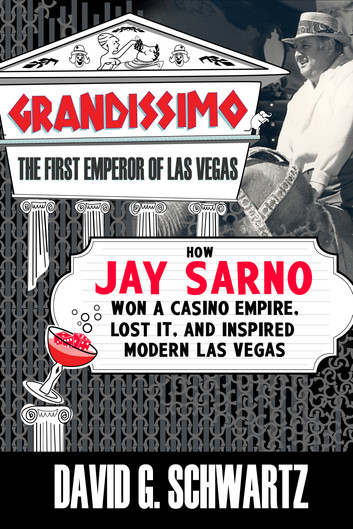
Description
Grandissimo: Jay Sarno and the Birth of Modern Las Vegas
Jay Sarno changed Las Vegas forever when he opened Caesars Palace in 1966. David G. Schwartz’s biography reveals how this visionary hotelier created the themed resort concept. Moreover, it shows how Jay Sarno built an empire, lost everything, and shaped today’s Vegas. Furthermore, readers discover the untold story of the man behind the spectacle.
Who Was Jay Sarno?
Jay Sarno was a dreamer, entrepreneur, and casino revolutionary. He wasn’t born into the gambling business like other Vegas moguls. Instead, he came from Atlanta with big ideas and bigger ambitions. Consequently, he transformed how Americans experienced casino resorts.
Before Vegas, Sarno built motor hotels across America. He understood what travelers wanted: luxury, excitement, and escape. Therefore, he brought these concepts to the desert. His vision would change entertainment history forever.
Jay Sarno’s Caesars Palace Revolution
In 1966, Jay Sarno opened Caesars Palace on the Las Vegas Strip. This wasn’t just another casino—it was a complete fantasy world. Moreover, every guest became a Caesar upon entering the property. The concept was revolutionary and unprecedented.
Caesars Palace featured Roman statues, fountains, and toga-wearing cocktail waitresses. Sarno created an immersive experience rather than just a gambling hall. Additionally, he made luxury accessible to middle-class Americans. This democratization of opulence became his signature style.
The casino cost $24 million to build, an astronomical sum then. However, Sarno secured funding through controversial Teamsters Union pension loans. Nevertheless, his vision proved wildly successful from opening day. Consequently, Caesars Palace became the Strip’s most profitable resort.
The Circus Circus Gamble
Two years later, Sarno opened Circus Circus in 1968. This property targeted families and budget-conscious gamblers differently than Caesars. Furthermore, it featured live circus acts performing above the casino floor. The concept was bold but initially struggled financially.
Circus Circus offered something Vegas had never seen before. Trapeze artists swung overhead while people played slot machines below. Additionally, carnival games and attractions filled the property. However, the family-friendly approach confused the gambling crowd initially.
The resort faced serious financial problems from the start. Sarno had overextended himself with two massive properties simultaneously. Moreover, operational costs exceeded projections significantly. Therefore, he eventually lost control of both his prized creations.
How Jay Sarno Financed His Dreams
Sarno’s empire relied heavily on Teamsters Union pension fund loans. These controversial financing arrangements raised eyebrows throughout the industry. Nevertheless, they provided capital when traditional banks wouldn’t lend. Consequently, Sarno could build his ambitious projects.
The Teamsters connection brought both opportunities and complications. Jimmy Hoffa’s union controlled billions in pension money. Additionally, they actively sought investment opportunities in Las Vegas. Therefore, Sarno found willing partners for his grand visions.
This relationship eventually contributed to Sarno’s downfall. The loans came with strings attached and demanding repayment schedules. Moreover, organized crime figures often influenced Teamsters lending decisions. Thus, Sarno navigated dangerous waters throughout his career.
The Grandissimo Dream That Never Was
Sarno’s ultimate vision was the Grandissimo, a resort beyond imagination. He planned a property that would dwarf even Caesars Palace. Furthermore, it would feature the world’s largest casino and hotel. However, this dream remained unrealized at his death.
The Grandissimo concept included revolutionary ideas for its time. Sarno envisioned moving sidewalks, massive atriums, and unprecedented luxury. Additionally, he planned entertainment venues surpassing anything Vegas offered. Therefore, his sketches and plans showed remarkable foresight.
Financial troubles prevented the Grandissimo from becoming reality. Sarno lost control of his existing properties before securing funding. Moreover, his health declined as stress mounted from business failures. Consequently, the Grandissimo remained only blueprints and dreams.
Jay Sarno’s Revolutionary Themed Resort Concept
Before Sarno, Las Vegas casinos were simply gambling halls with hotels. He transformed them into immersive entertainment destinations instead. Moreover, he understood that theming created emotional connections with guests. This insight revolutionized the entire hospitality industry.
Sarno’s themed approach influenced every major Vegas resort afterward. The Mirage, Luxor, and Venetian all followed his blueprint. Additionally, theme parks and cruise ships adopted similar strategies. Therefore, his impact extended far beyond Nevada’s borders.
He proved that people would pay premium prices for experiences. Gambling alone wasn’t enough to attract sophisticated travelers anymore. Furthermore, theming justified higher room rates and restaurant prices. Thus, Sarno’s innovations increased profitability across the industry.
The Rise of a Casino Empire
Sarno’s success came from understanding American desires for luxury. He made opulence accessible to middle-class families and gamblers. Moreover, he created environments where everyone felt like royalty. This democratic approach to luxury was genuinely innovative.
His properties generated enormous revenues during their peak years. Caesars Palace quickly became the Strip’s most recognizable landmark. Additionally, celebrities and high rollers flocked to his resorts. Consequently, Sarno achieved wealth and influence beyond his dreams.
He lived lavishly, enjoying the fruits of his success. Private jets, expensive cars, and extravagant parties defined his lifestyle. Furthermore, he became a Vegas celebrity himself. However, this high-flying existence couldn’t last forever.
The Fall: How Jay Sarno Lost Everything
Sarno’s empire crumbled due to several converging factors. Overexpansion stretched his finances dangerously thin across multiple properties. Moreover, operational problems at Circus Circus drained resources constantly. Additionally, his lavish personal spending accelerated financial troubles.
The Teamsters demanded repayment on their substantial loans. Sarno couldn’t meet the aggressive payment schedules required. Furthermore, casino revenues fluctuated unpredictably during economic downturns. Therefore, he faced impossible financial pressures from all directions.
In 1969, Sarno lost control of Caesars Palace entirely. Later, he also surrendered Circus Circus to creditors. Moreover, bankruptcy proceedings stripped away his remaining assets. Consequently, the man who built Vegas’s greatest resorts owned nothing.
Jay Sarno’s Lasting Impact on Modern Las Vegas
Despite losing his empire, Sarno’s influence endures throughout Vegas. Every themed resort on the Strip owes him debt. Moreover, his customer service innovations became industry standards. Additionally, his marketing strategies still guide casino operators today.
Modern mega-resorts follow the template Sarno created decades ago:
- Immersive themed environments that transport guests
- Luxury amenities accessible to middle-class visitors
- Entertainment integrated throughout the property
- Restaurants and shopping as profit centers
- Spectacle and showmanship in every detail
- Creating fantasy worlds for temporary escape
Steve Wynn acknowledged Sarno’s influence on his own properties. The Bellagio, Wynn, and Encore all reflect Sarno’s principles. Furthermore, Sheldon Adelson’s Venetian directly copied the theming approach. Therefore, Sarno’s legacy lives in every major resort.
Why David G. Schwartz Wrote This Biography
Schwartz recognized that Sarno’s story deserved proper documentation. Despite his massive influence, Sarno remained relatively unknown publicly. Moreover, no comprehensive biography existed before Grandissimo’s publication. Therefore, Schwartz filled a significant gap in Vegas history.
The author accessed Sarno’s personal papers and family archives. He interviewed associates, employees, and family members extensively. Additionally, he researched financial records and legal documents thoroughly. Consequently, the biography presents the most complete Sarno portrait available.
Schwartz serves as director of UNLV’s Center for Gaming Research. His expertise in casino history provides essential context throughout. Furthermore, his academic rigor ensures accuracy and balanced perspective. Thus, Grandissimo stands as definitive scholarship on its subject.
The Man Behind the Spectacle
Sarno was complex, contradictory, and utterly fascinating as a person. He combined visionary creativity with reckless financial management. Moreover, he showed genuine warmth alongside ruthless business tactics. Additionally, he inspired fierce loyalty despite causing financial disasters.
Friends described him as generous, charismatic, and endlessly optimistic. He believed anything was possible with enough imagination. Furthermore, he never lost faith in his visions. However, this optimism sometimes blinded him to practical realities.
His personal life reflected the same extremes as business. He loved his family deeply but often neglected them. Moreover, he enjoyed life’s pleasures without restraint or moderation. Consequently, his health suffered from stress and excess.
Lessons From Jay Sarno’s Rise and Fall
Sarno’s story offers valuable lessons for entrepreneurs and dreamers. Vision alone isn’t enough without sound financial management. Moreover, rapid expansion can destroy even successful businesses. Additionally, living beyond one’s means eventually catches up.
However, his legacy proves that bold ideas can change industries. Sarno’s themed resort concept transformed Las Vegas permanently. Furthermore, his customer-focused approach raised hospitality standards everywhere. Therefore, his innovations outlived his personal empire.
The biography shows how one person’s creativity can reshape culture. Sarno didn’t just build casinos—he created new entertainment paradigms. Moreover, he proved that middle-class Americans craved accessible luxury. Thus, his insights remain relevant for today’s experience economy.
The Teamsters Connection and Organized Crime
Schwartz doesn’t shy away from Sarno’s controversial financing sources. The Teamsters Union pension fund loans carried significant baggage. Moreover, organized crime figures influenced many lending decisions. Additionally, these relationships brought constant scrutiny from authorities.
Sarno navigated this dangerous world with remarkable skill initially. He maintained relationships without becoming controlled by criminal elements. Furthermore, he focused on legitimate business operations throughout. However, the associations damaged his reputation permanently.
The FBI investigated Sarno multiple times during his career. Federal authorities suspected skimming and other illegal activities. Nevertheless, Sarno was never convicted of criminal wrongdoing. Therefore, his legacy remains complicated by these associations.
Caesars Palace: The Crown Jewel
Caesars Palace represented Sarno’s greatest achievement and boldest vision. The property redefined luxury on the Las Vegas Strip. Moreover, it established theming as essential to resort success. Additionally, it proved that spectacle could drive profitability.
The resort’s opening generated unprecedented media coverage and excitement. Hollywood celebrities attended the lavish inaugural celebration. Furthermore, high rollers immediately embraced the property’s opulent atmosphere. Consequently, Caesars became synonymous with Vegas glamour.
Sarno obsessed over every detail of the guest experience. He personally approved uniforms, landscaping, and entertainment choices. Moreover, he constantly walked the property observing customer reactions. Therefore, Caesars reflected his personality and vision completely.
Circus Circus: The Ambitious Misstep
Circus Circus showed Sarno’s creativity but also his overreach. The family-friendly concept was ahead of its time. Moreover, the execution faced numerous operational challenges. Additionally, the property’s location hindered initial success.
Sarno believed families represented Vegas’s future customer base. He wanted to create entertainment for all ages. Furthermore, he thought circus acts would attract crowds constantly. However, gamblers found the atmosphere too chaotic initially.
The property eventually succeeded under different ownership and management. Kirk Kerkorian purchased Circus Circus and made it profitable. Moreover, the family-friendly approach eventually became industry standard. Therefore, Sarno’s vision proved correct despite his execution problems.
How Grandissimo Reveals Vegas History
Schwartz’s biography illuminates Las Vegas’s transformation during crucial decades. The 1960s and 1970s saw the city evolve dramatically. Moreover, Sarno’s story intersects with major historical developments. Additionally, the book provides context for understanding modern Vegas.
The biography explores how Vegas transitioned from mob control. Corporate ownership gradually replaced organized crime influence. Furthermore, themed resorts replaced simple gambling halls. Therefore, Sarno’s career paralleled the city’s evolution.
Schwartz connects Sarno’s innovations to broader cultural trends. The democratization of luxury reflected changing American values. Moreover, themed entertainment responded to growing consumer sophistication. Thus, the biography transcends simple business history.
The Personal Cost of Ambition
Sarno’s relentless ambition exacted heavy personal tolls. His health deteriorated from constant stress and overwork. Moreover, his family relationships suffered from his obsessive focus. Additionally, financial pressures created enormous psychological burdens.
He suffered a heart attack in his fifties. Doctors warned him to reduce stress and slow down. However, Sarno couldn’t abandon his dreams or lifestyle. Consequently, his health continued declining throughout his later years.
His children witnessed both his triumphs and devastating failures. They experienced luxury followed by financial ruin. Moreover, they saw their father’s spirit crushed by losses. Therefore, the biography presents a cautionary tale about ambition’s costs.
Why This Book Matters Today
Grandissimo preserves the story of a true Vegas pioneer. Sarno’s contributions deserve recognition alongside more famous figures. Moreover, his innovations continue influencing hospitality worldwide. Additionally, his story offers timeless lessons about entrepreneurship.
The biography appeals to multiple audiences simultaneously. Vegas history enthusiasts find comprehensive documentation of crucial developments. Furthermore, business readers discover insights about innovation and risk. Additionally, general readers enjoy a compelling rags-to-riches-to-rags narrative.
Schwartz’s research ensures Sarno’s legacy won’t be forgotten. The book establishes Sarno’s rightful place in Vegas history. Moreover, it provides essential context for understanding modern resorts. Therefore, Grandissimo serves as both entertainment and scholarship.
Get Your Copy of Grandissimo Today
David G. Schwartz’s biography brings Jay Sarno back to life. Readers discover the man who invented modern Las Vegas. Moreover, they learn how vision and ambition can change industries. Additionally, they understand the personal costs of relentless dreams.
The book combines meticulous research with engaging storytelling. Schwartz balances academic rigor with accessible prose. Furthermore, he presents Sarno sympathetically without ignoring his flaws. Consequently, readers get a complete portrait of this complex figure.
Whether you love Vegas history, business stories, or compelling biographies, Grandissimo delivers. It reveals how one man’s creativity transformed American entertainment. Moreover, it shows how innovation requires both vision and execution. Therefore, this book belongs on every Vegas enthusiast’s shelf!




Reviews
There are no reviews yet.