Description
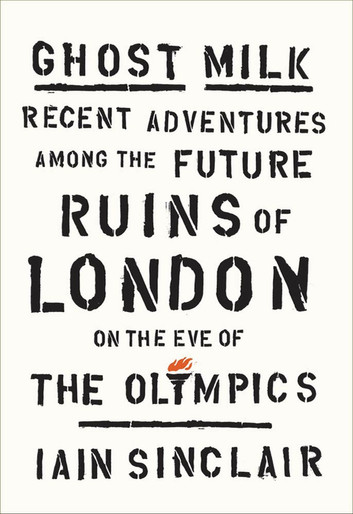
Ghost Milk: Recent Adventures Among the Future Ruins of London on the Eve of the Olympics – A Journey Through Urban Transformation
Iain Sinclair’s “Ghost Milk: Recent Adventures Among the Future Ruins of London on the Eve of the Olympics” stands as a powerful critique of urban development. This book examines London’s dramatic transformation before the 2012 Olympics. Moreover, Sinclair explores how corporate interests reshaped the city’s landscape. The author documents the destruction of communities and historical sites. Furthermore, he reveals the human cost of Olympic ambitions.
Understanding Ghost Milk’s Central Themes
Ghost Milk represents Sinclair’s passionate response to London’s Olympic makeover. The title itself evokes something artificial and lifeless. Additionally, it suggests the emptiness of corporate promises. Sinclair walks through East London’s changing neighborhoods. He witnesses demolition and displacement firsthand. Consequently, his narrative becomes deeply personal and political.
The book challenges official Olympic narratives. Instead, it presents alternative perspectives from affected communities. Therefore, readers gain insight into development’s darker side. Sinclair’s prose combines journalism with poetic observation. His writing style reflects the chaos he documents.
The Olympic Development and Its Impact
London’s Olympic preparations transformed entire neighborhoods. The Olympic Park required massive land clearance. Subsequently, thousands of residents faced relocation. Small businesses disappeared almost overnight. Moreover, historical buildings fell to bulldozers. The government promised regeneration and prosperity. However, Sinclair questions these optimistic projections.
The author documents specific locations and their fates. He visits sites before their demolition. Furthermore, he interviews displaced residents and business owners. Their stories reveal profound loss and disruption. The Olympic vision prioritized spectacle over community. Consequently, local voices were largely ignored.
Sinclair’s Psychogeographic Approach
Sinclair employs psychogeography throughout Ghost Milk. This method involves walking and observing urban spaces. Additionally, it examines how environments affect human psychology. The author traces routes through changing London. He notes architectural details and atmospheric shifts. Therefore, his observations become deeply layered.
Psychogeography reveals hidden urban narratives. Sinclair uncovers stories beneath official histories. Moreover, he connects past and present landscapes. His walks become acts of resistance. They document what authorities want forgotten. Consequently, the book preserves disappearing memories.
Corporate Power and Urban Planning
Ghost Milk exposes corporate influence on Olympic planning. Private companies gained unprecedented control over public spaces. Furthermore, they shaped development priorities and timelines. Sinclair criticizes this privatization of urban planning. He argues it undermines democratic processes. Additionally, it prioritizes profit over community needs.
The author examines specific corporate players. He traces their connections to government officials. Moreover, he reveals conflicts of interest. The Olympic project enriched developers and contractors. Meanwhile, ordinary Londoners bore the costs. Therefore, Sinclair’s critique extends beyond architecture.
The Destruction of East London Communities
East London suffered particularly severe disruption. The Olympic Park occupied traditionally working-class areas. Consequently, established communities faced destruction. Sinclair documents the human impact meticulously. He records personal stories of displacement. Additionally, he captures the emotional toll.
Long-time residents lost their homes. Small business owners lost their livelihoods. Moreover, social networks disintegrated under development pressure. The promised benefits seemed distant and uncertain. Sinclair questions whether regeneration truly serves local people. His skepticism proves well-founded throughout the narrative.
Historical Context and London’s Evolution
Ghost Milk situates Olympic development within broader history. London has always experienced constant transformation. However, Sinclair argues this change differs fundamentally. Previous developments maintained some community continuity. Furthermore, they evolved more organically over time.
The Olympic project imposed rapid, total transformation. It erased historical layers without consideration. Moreover, it disconnected present from past. Sinclair mourns this loss of historical memory. He believes cities need their accumulated stories. Therefore, wholesale demolition impoverishes urban culture.
Architectural Critique and Urban Design
Sinclair offers sharp criticism of Olympic architecture. He finds the new buildings soulless and generic. Additionally, they lack connection to local context. The Olympic Park could exist anywhere globally. It reflects international corporate aesthetics rather than London character.
The author contrasts new structures with demolished buildings. Old architecture possessed character and history. Moreover, it reflected genuine community needs. New developments prioritize image over function. They serve tourists and investors primarily. Consequently, they feel alien to local residents.
Media Narratives and Official Propaganda
Ghost Milk challenges mainstream media coverage of Olympics. Official narratives emphasized excitement and progress. However, Sinclair reveals suppressed stories of disruption. Media largely ignored displacement and destruction. Furthermore, they amplified government and corporate messaging.
The author documents this propaganda campaign. He notes how dissenting voices were marginalized. Moreover, he exposes the gap between promise and reality. Official projections proved wildly optimistic. Meanwhile, negative impacts exceeded predictions. Therefore, Sinclair’s counter-narrative becomes essential.
Environmental and Ecological Concerns
The book addresses environmental destruction caused by development. The Olympic site contained important ecological areas. Consequently, construction destroyed habitats and green spaces. Sinclair documents specific environmental losses. He notes the irony of “sustainable” Olympics causing ecological damage.
Industrial contamination required massive remediation efforts. However, cleanup standards remained controversial. Moreover, long-term environmental impacts remained uncertain. The author questions whether short-term spectacle justifies permanent damage. His environmental critique adds another dimension to his analysis.
Literary Style and Narrative Technique
Sinclair’s writing style proves distinctive and challenging. He combines multiple genres and approaches. Additionally, his prose shifts between documentary and poetic modes. The narrative structure reflects urban chaos. It moves associatively rather than linearly. Therefore, readers experience disorientation mirroring the subject matter.
The author incorporates various textual elements. He includes interviews, historical documents, and personal observations. Moreover, he references literature, film, and art. This intertextual approach enriches the narrative. It connects Olympic development to broader cultural contexts. Consequently, the book transcends simple reportage.
Key Locations and Symbolic Sites
Ghost Milk focuses on specific significant locations. The Stratford area receives particular attention. Additionally, Sinclair examines the Lower Lea Valley. These places embodied working-class London history. Their transformation symbolizes broader social changes. Therefore, they become central to his argument.
The author documents each location’s unique character. He records architectural details and social atmospheres. Moreover, he captures what makes each place distinctive. His detailed observations preserve what development erased. These descriptions become acts of memorial. Consequently, they honor disappeared communities.
Political Economy of Olympic Development
Sinclair analyzes the economic structures behind Olympics. He examines funding sources and financial arrangements. Additionally, he questions who truly benefits economically. Public money subsidized private profit extensively. Meanwhile, promised economic benefits remained largely unrealized.
The author traces money flows and financial relationships. He reveals how costs exceeded initial projections. Moreover, he documents how risks fell on taxpayers. Private companies secured guaranteed profits. This arrangement exemplifies neoliberal urban development. Therefore, Sinclair’s critique becomes explicitly political.
Resistance and Alternative Voices
Ghost Milk amplifies voices resisting Olympic development. Local activists organized against displacement. Additionally, community groups challenged official narratives. Sinclair documents their efforts and arguments. He presents them as legitimate alternative perspectives. Therefore, his book becomes part of resistance itself.
These voices offered different visions for East London. They proposed community-centered development instead. Moreover, they demanded genuine local participation. Their proposals were largely ignored by authorities. However, Sinclair ensures their ideas reach wider audiences. Consequently, the book preserves alternative possibilities.
Legacy and Long-Term Consequences
The author questions Olympic development’s lasting impact. Official promises emphasized long-term community benefits. However, Sinclair remains deeply skeptical. He predicts gentrification and continued displacement. Moreover, he doubts whether local people will benefit.
Early evidence supported his pessimism. Property values increased dramatically post-Olympics. Consequently, original residents couldn’t afford returning. New developments catered to wealthy newcomers. The promised regeneration became gentrification. Therefore, Sinclair’s warnings proved prescient.
Comparative Olympic Contexts
Ghost Milk situates London within broader Olympic history. Other cities experienced similar disruptions. Additionally, patterns of displacement repeat across host cities. Sinclair references Barcelona, Beijing, and other examples. These comparisons reveal systemic Olympic problems. Therefore, London’s experience wasn’t unique.
The Olympic model consistently prioritizes spectacle over community. It empowers corporations at residents’ expense. Moreover, it leaves host cities with problematic legacies. Sinclair argues this model requires fundamental rethinking. His critique extends beyond London specifically. Consequently, the book offers broader lessons.
Personal Journey and Emotional Response
Sinclair’s narrative remains deeply personal throughout. He expresses genuine anger and grief. Additionally, his emotional investment strengthens the critique. The author has deep connections to East London. He witnessed its character over decades. Therefore, its destruction affects him profoundly.
This personal dimension makes Ghost Milk compelling. Sinclair isn’t a detached observer. Moreover, his passion communicates urgency and importance. Readers feel his outrage and sadness. The book becomes both analysis and lament. Consequently, it achieves emotional as well as intellectual impact.
Cultural Memory and Urban Identity
The book explores how cities maintain cultural memory. Sinclair argues physical spaces carry collective memories. Additionally, they anchor community identity and continuity. Wholesale demolition destroys these memory repositories. New developments lack accumulated meaning. Therefore, they feel culturally empty.
The author documents specific memory sites and their significance. He records stories attached to particular locations. Moreover, he captures how places shape community identity. Olympic development severed these connections. It created cultural amnesia through physical erasure. Consequently, communities lost essential identity anchors.
Photography and Visual Documentation
Ghost Milk incorporates visual elements strategically. Photographs document disappearing landscapes. Additionally, they provide evidence supporting Sinclair’s arguments. Images capture demolition’s physical reality. They show what words alone cannot convey. Therefore, visual documentation strengthens the narrative.
The author collaborates with photographers sharing his concerns. Their images emphasize loss and destruction. Moreover, they preserve what no longer exists. These photographs become historical records. They document a specific moment of transformation. Consequently, they gain documentary and artistic value.
Language and Terminology Critique
Sinclair examines language used to justify development. Official discourse employed euphemisms and corporate jargon. Additionally, it obscured negative impacts through careful wording. Terms like “regeneration” masked displacement. “Legacy” concealed uncertain futures. Therefore, language became a political tool.
The author deconstructs this manipulative terminology. He reveals how words shape perception and understanding. Moreover, he insists on plain language describing reality. His linguistic critique exposes ideological dimensions. It shows how language serves power. Consequently, readers become more critical of official discourse.
The Role of the Writer and Artist
Ghost Milk reflects on writers’ responsibilities during urban transformation. Sinclair sees documentation as essential resistance. Additionally, he believes artists must challenge official narratives. Writers can preserve what authorities want forgotten. They can amplify marginalized voices. Therefore, artistic work becomes politically significant.
The author positions himself as witness and advocate. He uses literary skills for social purposes. Moreover, he demonstrates how writing can oppose power. His example inspires other cultural workers. The book itself becomes a model. Consequently, it shows literature’s potential political impact.
Reception and Critical Response
Ghost Milk generated significant discussion upon publication. Critics praised Sinclair’s passionate engagement. Additionally, they recognized his important documentation work. Some found his style challenging or difficult. However, most acknowledged the book’s significance. Therefore, it achieved both critical and cultural impact.
The book influenced subsequent Olympic discussions. It provided ammunition for development critics. Moreover, it shaped how people understood London’s transformation. Sinclair’s arguments entered broader public discourse. His warnings about gentrification proved accurate. Consequently, Ghost Milk gained retrospective validation.
Connections to Sinclair’s Broader Work
Ghost Milk continues themes from Sinclair’s earlier books. He has long explored London’s hidden histories. Additionally, he consistently critiques development and gentrification. This book intensifies his previous concerns. It applies his methods to urgent contemporary issues. Therefore, it represents both continuity and evolution.
The author’s psychogeographic approach remains central. His walking methodology generates unique insights. Moreover, his literary style maintains distinctive characteristics. Ghost Milk demonstrates his mature artistic vision. It synthesizes decades of urban observation. Consequently, it stands as a career culmination.
Practical Lessons for Urban Planning
Despite its critical focus, Ghost Milk offers constructive implications. It suggests how development could proceed differently. Additionally, it emphasizes community participation’s importance. Sinclair implicitly advocates for democratic planning processes. He shows why local voices must be heard. Therefore, the book contains positive lessons.
Planners should prioritize existing communities over spectacle. They should preserve historical and cultural continuity. Moreover, they should ensure genuine local benefits. Development should serve residents rather than corporations. These principles emerge from Sinclair’s critique. Consequently, the book offers guidance beyond condemnation.
Why Ghost Milk Remains Relevant Today
The book’s significance extends beyond 2012 Olympics. Urban development patterns continue globally. Additionally, similar conflicts emerge in cities worldwide. Sinclair’s analysis applies to contemporary situations. His warnings about gentrification remain urgent. Therefore, Ghost Milk retains contemporary relevance.
Cities worldwide face development pressures. Corporate interests increasingly shape urban planning. Moreover, communities continue experiencing displacement. Sinclair’s critique illuminates these ongoing processes. His methods inspire current resistance movements. Consequently, the book remains essential reading.
Key Takeaways from Ghost Milk
Several crucial insights emerge from Sinclair’s work:
- Olympic development prioritizes spectacle over community needs
- Corporate interests dominate contemporary urban planning
- Displacement and gentrification follow major development projects
- Official narratives often obscure negative impacts
- Cultural memory requires physical spaces for preservation
- Resistance and alternative voices deserve amplification
- Writers and artists can challenge power through documentation
- Democratic participation must guide urban development
- Short-term events shouldn’t justify permanent community destruction
- Cities need historical continuity and cultural depth
Conclusion: Ghost Milk’s Enduring Message
Ghost Milk stands as essential urban criticism. Sinclair documents London’s Olympic transformation with passion and precision. Moreover, he challenges readers to question development narratives. The book preserves memories that authorities wanted erased. It amplifies voices that power tried to silence. Therefore, it performs crucial cultural and political work.
The author’s critique extends beyond specific Olympic projects. He illuminates broader patterns in contemporary urbanism. Additionally, he reveals how neoliberal economics reshape cities. His analysis remains relevant as similar processes continue globally. Ghost Milk warns against sacrificing communities for corporate spectacle. Consequently, it offers timeless lessons about urban development.
Sinclair’s literary achievement combines multiple dimensions. The book succeeds as documentation, analysis, and art. It preserves historical memory while critiquing present conditions. Moreover, it demonstrates literature’s potential political impact. Ghost Milk proves that passionate, engaged writing can challenge power. Therefore, it inspires both readers and fellow writers.
The book ultimately argues for human-centered urbanism. Cities should serve residents rather than corporations. Development should enhance rather than destroy communities. Moreover, planning should proceed democratically with genuine participation. These principles seem obvious yet remain revolutionary. Consequently, Sinclair’s vision offers hope alongside critique.
Ghost Milk reminds us that cities belong to their inhabitants. They accumulate meaning through lived experience over time. Furthermore, they require cultural continuity and historical depth. Wholesale transformation impoverishes urban life fundamentally. Sinclair’s passionate defense of community and memory resonates powerfully. Therefore, his book remains essential for anyone concerned with urban futures.


Reviews
There are no reviews yet.