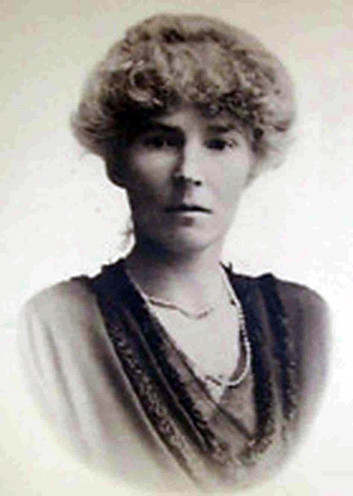
Description
Gertrude Bell Letters: A Window into History and Adventure
The Gertrude Bell letters offer readers an intimate glimpse into the extraordinary life of one woman. These personal correspondences reveal the thoughts, experiences, and observations of a remarkable historical figure. Moreover, the Gertrude Bell letters transport us to a world of desert landscapes, political intrigue, and cultural discovery. This collection stands as a testament to her adventurous spirit and sharp intellect.
Gertrude Bell was a British writer, traveler, political officer, and archaeologist. She lived from 1868 to 1926 and became one of the most influential women of her era. Furthermore, she played a crucial role in shaping Middle Eastern politics after World War I. Bell traveled extensively throughout Arabia, Mesopotamia, and Persia during a time when few Western women ventured into these regions.
What the Letters Reveal
The letters in this collection span several decades of Bell’s life. They were written to her family members, friends, and colleagues back in England. Additionally, these correspondences provide firsthand accounts of her travels and diplomatic work. Bell wrote with vivid detail and keen observation, bringing distant lands to life for her readers.
Her writing style is engaging, personal, and often humorous despite the serious nature of her work. Therefore, readers feel as though they are traveling alongside her through the desert. The letters also showcase her linguistic abilities and deep respect for Arab culture. She wrote about everything from archaeological discoveries to political negotiations with tribal leaders.
Key Themes and Topics
The Gertrude Bell letters cover a wide range of subjects and experiences. Here are the main themes readers will encounter:
- Desert exploration and travel: Detailed descriptions of journeys through harsh, beautiful landscapes
- Archaeological discoveries: Accounts of ancient sites, ruins, and historical findings throughout the Middle East
- Political affairs: Insights into the formation of modern Iraq and British colonial policy
- Cultural observations: Respectful, detailed notes about Arab customs, traditions, and daily life
- Personal reflections: Honest thoughts about loneliness, purpose, and the challenges of her unconventional life
- Relationships with local leaders: Correspondence about meetings with sheikhs, kings, and tribal chiefs
- Women’s roles: Commentary on gender expectations in both British and Middle Eastern societies
Historical Significance and Impact
These letters hold immense historical value because they document a pivotal period in Middle Eastern history. Bell witnessed and participated in the creation of modern Iraq after the Ottoman Empire’s collapse. Furthermore, her observations provide context for understanding current regional politics and conflicts. She worked alongside T.E. Lawrence (Lawrence of Arabia) and other key figures of the era.
The correspondence also challenges traditional narratives about women’s roles in early twentieth-century society. Bell defied expectations by pursuing education, traveling alone, and influencing international policy. However, she did so while maintaining connections to her family and British social circles. Her letters show how she navigated these competing demands and expectations.
Additionally, the letters serve as valuable primary sources for historians studying British imperialism and colonialism. They reveal both the achievements and the problematic aspects of Western involvement in the Middle East. Bell’s writing demonstrates genuine appreciation for Arab culture while also reflecting the colonial attitudes of her time.
Why These Letters Matter Today
Modern readers can learn much from Bell’s experiences and perspectives, even a century later. Her letters remind us of the complexity of cross-cultural encounters and diplomatic relationships. Moreover, they show how individual actions can shape the course of history in unexpected ways. Bell’s influence on Iraq’s borders and government structure continues to affect millions of people today.
The collection also offers inspiration for anyone interested in adventure, archaeology, or breaking social barriers. Bell pursued her passions despite significant obstacles and societal disapproval. Therefore, her story resonates with contemporary discussions about women’s empowerment and professional achievement. She proved that determination and skill could overcome gender-based limitations.
Furthermore, the letters provide beautiful, evocative descriptions of landscapes and cultures that have changed dramatically since Bell’s time. Many of the sites she visited have been damaged or destroyed by subsequent conflicts. Thus, her detailed observations preserve memories of places and ways of life that no longer exist.
The Writing and Style
Bell wrote with clarity, wit, and remarkable attention to detail throughout her correspondence. She had a gift for making complex political situations understandable and interesting to her readers. Additionally, she balanced serious topics with lighter observations about daily life and humorous anecdotes. Her education at Oxford University is evident in her sophisticated yet accessible prose.
The letters also reveal Bell’s emotional depth and vulnerability alongside her professional accomplishments. She wrote candidly about feelings of isolation and the personal costs of her unconventional choices. However, she never lost her enthusiasm for exploration and her commitment to her work. This emotional honesty makes the letters particularly compelling and relatable for modern audiences.
A Lasting Legacy
The Gertrude Bell letters remain relevant because they address timeless themes of identity, purpose, and cultural understanding. They challenge readers to think critically about imperialism, gender roles, and cross-cultural relationships. Moreover, they demonstrate the power of written correspondence to preserve history and personal experience. Bell’s voice comes through clearly across the decades, speaking directly to contemporary readers.
This collection deserves a place on the bookshelf of anyone interested in history, travel, or biography. The letters offer entertainment, education, and inspiration in equal measure. Therefore, they continue to attract new readers and scholars more than a century after they were written.




Reviews
There are no reviews yet.