

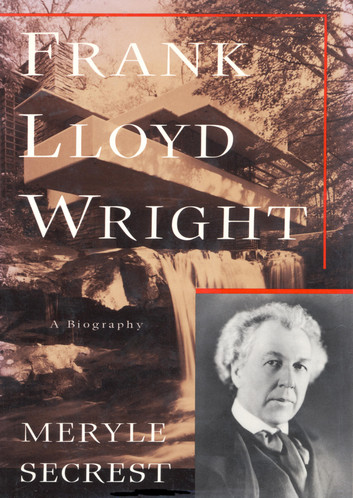
Description
Frank Lloyd Wright: A Biography by Meryle Secrest – A Comprehensive Synopsis
Introduction: America’s Most Iconic Architect Revealed
This Frank Lloyd Wright biography by Meryle Secrest offers unprecedented insight into America’s greatest architect. Moreover, it reveals both his genius and his flaws. The book draws from over 100,000 archived documents.
Therefore, readers discover the complete story of Wright’s extraordinary life. Additionally, Secrest had exclusive access to Wright’s personal letters and photographs. This Frank Lloyd Wright biography took more than five years to complete. Consequently, it stands as the most definitive account available.
Frank Lloyd Wright (1869-1959) transformed modern architecture forever. However, his personal life was equally dramatic and controversial. Secrest masterfully connects Wright’s turbulent experiences to his revolutionary designs. Thus, readers understand how his life shaped his work.
Early Life and Family Background
Wright’s Midwest boyhood profoundly influenced his architectural vision. His family history reveals complex relationships and early struggles. Furthermore, his mother’s ambitions shaped his destiny from childhood. She believed her son would become a great architect. Therefore, she surrounded him with educational toys and building blocks.
The young Wright grew up in Wisconsin and Massachusetts. His family valued education and creativity highly. However, financial difficulties plagued his early years. These challenges taught him resilience and determination. Additionally, they sparked his lifelong drive for success and recognition.
Wright’s relationship with his father was particularly troubled. His parents eventually divorced when he was young. Consequently, this abandonment deeply affected his later relationships. Meanwhile, his mother’s unwavering support sustained him through difficult times.
Apprenticeship with Louis Sullivan
Wright’s professional journey began in Chicago during the 1880s. He joined the architectural firm of Adler and Sullivan. Moreover, Louis Sullivan became his mentor and father figure. This relationship proved crucial to Wright’s development as an architect. Sullivan taught him that form should follow function.
The apprenticeship lasted several transformative years. Wright enthusiastically absorbed Sullivan’s organic design philosophy. However, their relationship eventually soured over Wright’s independent projects. Sullivan discovered that Wright was secretly taking private commissions. Therefore, their partnership ended in bitter conflict and mutual disappointment.
Despite this painful break, Sullivan’s influence remained permanent. Wright later called Sullivan his “Lieber Meister” or beloved master. Thus, he acknowledged his debt to Sullivan’s teachings. Nevertheless, Wright developed his own distinctive Prairie School style.
Revolutionary Architectural Innovations
Wright pioneered the Prairie School movement in American architecture. His designs emphasized horizontal lines and open floor plans. Additionally, he harmoniously integrated buildings into their natural surroundings. This approach revolutionized residential architecture completely. Furthermore, his innovations influenced architects worldwide for generations.
His most famous works include several groundbreaking structures:
- Fallingwater – A house built dramatically over a waterfall
- The Guggenheim Museum – A spiral design in New York City
- Taliesin – His personal home and studio in Wisconsin
- Robie House – A masterpiece of Prairie School architecture
- Unity Temple – An innovative use of concrete construction
Wright believed buildings should serve human needs organically. Therefore, he designed furniture and fixtures for his projects. His attention to detail was obsessive and uncompromising. However, this perfectionism often frustrated clients and contractors alike.
Personal Life and Scandals
Wright’s personal life was marked by controversy and tragedy. He married three times and had numerous affairs. Moreover, his romantic entanglements often made newspaper headlines. His first marriage to Catherine Tobin produced six children. However, Wright abandoned them for Mamah Borthwick Cheney in 1909.
This scandalous affair shocked conservative American society deeply. Wright and Mamah initially fled to Europe together. Subsequently, they returned to build Taliesin in Wisconsin. Tragically, a deranged servant murdered Mamah and six others there. The 1914 massacre devastated Wright emotionally and professionally.
Wright later married Miriam Noel, but this union proved disastrous. She struggled with addiction and mental health issues. Therefore, their marriage ended in acrimonious divorce proceedings. Finally, Wright found stability with Olgivanna Lazovich Hinzenberg. She remained his partner until he died in 1959.
Financial Troubles and Resilience
Despite his genius, Wright constantly faced financial difficulties. He lived extravagantly beyond his means throughout his life. Moreover, he often failed to pay contractors and suppliers. Consequently, creditors pursued him relentlessly for decades. His properties faced foreclosure multiple times during economic downturns.
Wright’s spending habits perfectly reflected his grandiose personality. He collected expensive art, cars, and fine clothing. Additionally, he entertained lavishly at his estates. However, these habits created perpetual debt and legal troubles. Nevertheless, Wright always managed to survive financial catastrophes somehow.
His ability to reinvent himself proved remarkable and inspiring. Therefore, he continued designing innovative buildings into his eighties. Wright’s resilience demonstrated his extraordinary determination and creative spirit. Furthermore, his later years brought renewed recognition and success.
European Travels and Influences
Wright’s travels to Europe profoundly shaped his artistic vision. He first visited Europe in 1909 with Mamah Cheney. Moreover, he studied Japanese architecture extensively during this period. These experiences significantly influenced his organic design philosophy. Additionally, he successfully published his portfolio in Germany.
Japanese prints particularly captivated Wright’s aesthetic sensibilities throughout his life. He collected them obsessively and dealt in them commercially. Furthermore, their horizontal emphasis influenced his Prairie School designs. The simplicity and natural materials resonated with his philosophy. Thus, Eastern and Western traditions merged in his work.
Wright also traveled to Japan to design the Imperial Hotel. This commission came in 1916 and took years to complete. The building famously survived the 1923 Tokyo earthquake intact. Therefore, this success significantly enhanced Wright’s international reputation. Meanwhile, his American practice struggled during his extended absences.
The Taliesin Fellowship
Wright established the Taliesin Fellowship in 1932 during the Depression—this experimental community combined architecture school with communal living. Moreover, apprentices paid tuition to work and study with Wright. They performed manual labor, farmed, and learned design principles. Additionally, they regularly participated in cultural activities and performances.
The Fellowship reflected Wright’s utopian vision for society. He believed in integrating work, art, and daily life. However, critics called it an exploitative cult of personality. Apprentices worked long hours for minimal compensation beyond education. Nevertheless, many later became successful architects themselves.
Wright’s teaching methods were unconventional and often harsh. He criticized students’ work brutally and demanded absolute loyalty. Therefore, the Fellowship environment could be psychologically challenging. Yet, devoted followers found the experience transformative and inspiring.
Secrest’s Unique Research Access
This Frank Lloyd Wright biography benefits from extraordinary archival access. Secrest was the first biographer granted full access to Wright’s archives. Moreover, she examined over 100,000 letters, drawings, and photographs. This unprecedented access took more than five years to research. Therefore, her biography reveals previously unknown details about Wright’s life.
The archives contained intimate correspondence and personal documents. Secrest discovered letters revealing Wright’s manipulative business practices. Additionally, she found evidence of his financial deceptions and schemes. However, she also uncovered touching personal moments and vulnerabilities. Thus, her portrait balances Wright’s genius with his human flaws.
Secrest’s meticulous research methodology sets this biography apart from others. She interviewed surviving family members and former apprentices extensively. Furthermore, she consulted architectural historians and Wright scholars worldwide. Her comprehensive approach creates an authoritative and nuanced portrait. Consequently, critics praised the biography as definitive and essential.
Wright’s Complex Character
Wright possessed a paradoxical personality that fascinated and frustrated everyone. He was simultaneously a visionary genius and a shameless con man. Moreover, he could be charming, cruel, generous, and selfish. His ego was legendary and often insufferable to colleagues. However, his architectural brilliance was equally undeniable and transformative.
Wright cultivated a carefully constructed public persona throughout his life. He wore dramatic capes, carried a walking stick, and drove expensive cars. Additionally, he regularly made provocative statements to journalists. This self-promotion helped maintain his celebrity status during lean years. Therefore, Wright understood modern publicity and personal branding instinctively.
Behind the flamboyant exterior lived a deeply insecure man. Wright craved recognition and validation constantly from others. Furthermore, he could not tolerate criticism or professional rivals. His relationships often ended badly when people challenged his authority. Nevertheless, his charisma attracted devoted followers and wealthy clients.
Architectural Philosophy and Legacy
Wright believed architecture should serve democracy and individual freedom. His designs rejected European classical traditions and historical styles. Moreover, he championed organic architecture that harmonized with nature. Buildings should grow naturally from their sites, he insisted. Additionally, spaces should flow freely rather than be rigidly compartmentalized.
Wright coined the term “Usonian” for his affordable house designs. These modest homes embodied democratic principles and efficient living. However, even his economic designs often exceeded budgets by significant margins. His idealism sometimes conflicted with practical construction realities. Nevertheless, his influence on residential architecture remains profound today.
The architect designed over 1,000 structures during his 70-year career. Approximately 532 of these designs were actually completed and built. Furthermore, many are now preserved as historic landmarks worldwide. His work continues to inspire architects and designers across all disciplines. Thus, Wright’s legacy extends far beyond his lifetime achievements.
Critical Reception and Impact
Secrest’s biography received widespread critical acclaim upon publication. Reviewers praised her balanced portrayal of Wright’s contradictions. Moreover, critics appreciated her connection between his life and work. Time magazine called it “the best biography so far.” Additionally, the Chicago Tribune commended her sharp character analysis.
The New Republic noted Secrest’s skill with cultural mythology. She transformed Wright’s story into a coherent emotional narrative. Furthermore, the Library Journal described it as “a spellbinding portrait.” The Economist particularly praised the link between personal life and architecture. Therefore, the biography was a critical and commercial success.
Some Wright devotees criticized Secrest’s unflattering revelations about their hero. They felt she emphasized his flaws too heavily. However, most scholars welcomed her honest, demythologizing approach. The biography helped readers understand Wright as a complete human being. Thus, it enriched rather than diminished his architectural achievements.
Conclusion: The Definitive Wright Biography
Meryle Secrest’s work stands as the most comprehensive Frank Lloyd Wright biography available. Her unprecedented archival access provides unmatched depth and detail. Moreover, she balances Wright’s genius with his troubling personal behavior. The biography reveals how his turbulent life shaped his revolutionary architecture. Therefore, readers gain a complete understanding of America’s greatest architect.
Secrest’s achievement lies in presenting Wright without romantic mythology. She shows him as brilliant yet flawed, visionary yet manipulative. Additionally, she demonstrates how his personal struggles fueled creative innovation. This honest portrayal makes Wright more human and ultimately more interesting. Furthermore, it helps explain both his triumphs and his failures.
The biography remains essential reading for architecture students and enthusiasts. It provides context for understanding Wright’s enduring influence on modern design. Moreover, it offers insights into the creative process and artistic genius. Anyone interested in American cultural history will find this book invaluable. Thus, Secrest’s biography ensures that Wright’s complex legacy continues to inspire future generations.






Reviews
There are no reviews yet