

Description
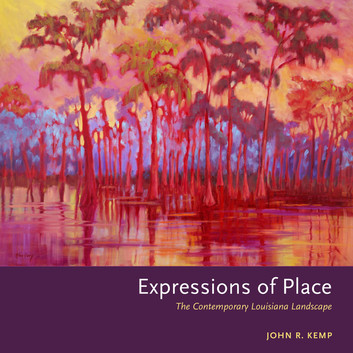
Louisiana, seen through the eyes of thirty-seven artists. John R. Kemp’s Expressions of Place (University Press of Mississippi, 2016) journeys across the rural and urban landscapes of Louisiana — from New Orleans streetscapes to southwestern swamps, central prairies, and northern fields — pairing each artist’s work with an individual essay and biographical sketch.
Kemp, a longtime chronicler of Southern art, lets the artists speak for themselves: about memory, belonging, hurricanes and recovery, and the stubborn beauty of a landscape that refuses to be ignored. How Louisiana’s terrain shapes — and is shaped by — the people who live in it. Kemp lets the artists speak for themselves: about memory, belonging, and the stubborn beauty of the landscape.
Part art book, part cultural geography — and a timely record of a region in flux, where coastal erosion and shifting economies are rewriting the map even as artists preserve its spirit. Beautiful for collectors, painters, and anyone fascinated by the American South. It is also a timely record of a region in flux, where coastal erosion and shifting economies are rewriting the map.
John R. Kemp’s Expressions of Place takes readers on a vivid journey across the rural and urban landscapes of Louisiana, seen through the eyes and brushes of thirty-seven contemporary artists working across the state. Published by the University Press of Mississippi in 2016, this richly illustrated volume pairs each artist’s work with an individual essay and biographical sketch, building a collective portrait of a place like no other.
n
n
From the urban streetscapes of New Orleans to the southwestern swamps, central prairies, verdant forests, and northern fields, the book shows how Louisiana’s terrain shapes — and is shaped by — the people who live in it. Kemp, a longtime chronicler of Southern art and culture, lets the artists speak for themselves: about memory, belonging, hurricanes and recovery, and the stubborn beauty of a landscape that refuses to be ignored.
n
n
Part art book, part cultural geography, Expressions of Place will appeal to collectors, painters, and anyone fascinated by the American South. It is also a timely record of a region in flux, where coastal erosion and shifting economies are rewriting the map even as artists work to preserve its spirit. A beautiful addition to any shelf devoted to regional art, photography, or Louisiana itself.


Reviews
There are no reviews yet