Description
Discover the Intimate Genius of France’s Revolutionary Modern Master
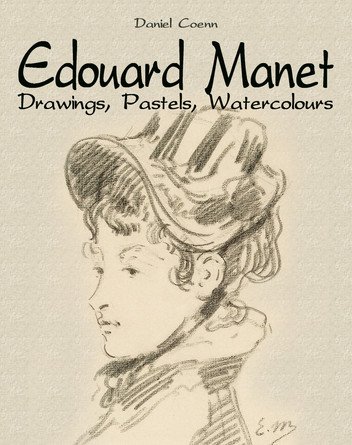
Edouard Manet Drawings showcases the remarkable works on paper by one of nineteenth-century France’s most influential artists. This portable collection features drawings, pastels, and watercolors that reveal Manet’s spontaneous creativity and technical brilliance. Moreover, it provides convenient access to an artist who bridged Realism and Impressionism through bold innovation. The collection celebrates a master whose works on paper captured modern Parisian life with freshness and immediacy.
Understanding Edouard Manet Drawings and Their Revolutionary Significance
Edouard Manet created approximately 400 works on paper that demonstrate his extraordinary versatility and vision. He produced these drawings, pastels, and watercolors throughout his career from the 1850s until his death. Furthermore, these intimate works reveal aspects of his creativity often hidden in his large Salon paintings. His works on paper show spontaneity, experimentation, and directness that captivated contemporary audiences and fellow artists.
Manet lived from 1832 to 1883 and witnessed Paris’s transformation into a modern metropolis firsthand. He came from a prosperous bourgeois family and received traditional academic training under Thomas Couture. Additionally, he studied Old Masters at the Louvre and traveled to Italy, Holland, and Spain extensively. Therefore, his art combined classical knowledge with radical modern sensibility and contemporary subject matter.
His works on paper explored modern Parisian subjects including fashionable women, café scenes, and gardens. He depicted the leisure activities, social rituals, and urban spaces of Second Empire and Third Republic France. Nevertheless, he maintained technical sophistication and compositional intelligence in even his most casual sketches. Thus, his drawings and pastels balance spontaneity with deliberate artistic choices and refined aesthetic judgment.
The Distinctive Approach of Edouard Manet Drawings
Manet approached drawing differently than most academic artists of his generation and training background. He rejected the elaborate preparatory drawing systems taught in French art schools and academies. However, he valued direct observation and rapid notation of visual impressions from life and memory. This radical approach emphasized immediacy over finish and captured fleeting moments with remarkable economy of means.
His drawing style featured bold, confident lines that captured essential forms without unnecessary elaboration or detail. He used hatching, cross-hatching, and varied line weights to suggest volume, light, and spatial relationships effectively. Moreover, he often left areas of paper untouched, allowing negative space to function as active compositional elements. Hence, his drawings demonstrate how much visual information minimal means could convey when deployed intelligently.
He frequently worked in series, exploring single subjects from multiple angles and in different media. This serial approach allowed him to investigate compositional possibilities and refine visual ideas through repetition. Furthermore, it revealed his working process and how he developed motifs from initial sketches to finished paintings. Therefore, his works on paper provide invaluable insight into his creative methodology and artistic thinking.
Manet’s Mastery of Pastel Technique
Manet created approximately 89 pastels, primarily during the final five years of his life from 1878 to 1883. These works represent some of his most beautiful and technically accomplished achievements in any medium. Additionally, they demonstrate how serious illness forced him to work on smaller, more manageable scales. Thus, physical limitation paradoxically liberated new creative possibilities and intimate aesthetic approaches for this ambitious artist.
His pastels featured brighter palettes, looser handling, and more spontaneous execution than his oil paintings. He applied pastel with painterly directness, building forms through layered strokes of pure color. Moreover, he exploited pastel’s unique qualities including its velvety texture and capacity for subtle color modulation. Hence, his pastels possess distinctive visual character that differs from both his paintings and his drawings.
He often worked on tinted papers that provided middle tones and allowed highlights to emerge dramatically. This technical choice reduced labor while creating atmospheric effects and tonal unity throughout compositions. Furthermore, the colored grounds influenced overall color harmonies and contributed to works’ distinctive mood and character. Therefore, his material choices demonstrated sophisticated understanding of how supports affect finished artworks’ appearance and impact.
The Subject Matter in Edouard Manet Drawings and Pastels
Edouard Manet Drawings particularly excel at capturing fashionable Parisian women in moments of leisure and contemplation. His female subjects wear contemporary clothing and occupy modern urban spaces including cafés, theaters, and gardens. Moreover, these portraits reveal psychological complexity and individual personality rather than generic idealized beauty. Thus, his works on paper document specific people in specific places during a transformative historical moment.
His pastel portraits often depicted friends, family members, and women from his social circle intimately. He showed them reading, conversing, attending performances, or simply lost in private thoughts and reveries. Additionally, he captured the textures of fabrics, flowers, and accessories with remarkable sensitivity and technical skill. Hence, these works combine social documentation with aesthetic refinement and genuine human sympathy and observation.
He created numerous still lifes featuring flowers, fruits, and everyday objects arranged with deceptive casualness. These subjects allowed him to explore color relationships, compositional balance, and painterly technique without narrative demands. Furthermore, flower paintings became increasingly important during his final years when illness limited his mobility significantly. Therefore, these intimate works reveal how he found beauty and meaning in immediate surroundings.
Key subjects that appear repeatedly in Manet’s works on paper include:
- Fashionable Parisian women in contemporary dress and modern settings
- Café and theater scenes capturing urban leisure and social interaction
- Garden views and outdoor spaces showing nature within the city
- Flower arrangements and still lifes emphasizing color and composition
- Portraits of friends, family, and notable cultural figures
- Studies of figures and faces exploring expression and character
Manet’s Watercolor Technique and Innovations
Manet employed watercolor with the same directness and confidence he brought to all media. He applied washes boldly and allowed colors to blend and interact spontaneously on paper surfaces. Moreover, he often combined watercolor with other media including ink, graphite, and pastel for varied effects. Thus, his technical approach emphasized experimentation over adherence to conventional watercolor practices and academic rules.
His watercolors demonstrate remarkable economy, suggesting complex scenes with minimal means and maximum visual impact. He understood how to exploit watercolor’s transparency and fluidity for atmospheric effects and spatial suggestion. Furthermore, he left areas of white paper exposed to function as highlights and create luminosity. Hence, his watercolors possess freshness and spontaneity that make them feel immediate and alive.
He frequently used watercolor for preparatory studies and compositional explorations before undertaking oil paintings. These working drawings reveal his thought process and how he refined ideas through successive iterations. Additionally, many watercolors stand as independent finished works that demonstrate complete artistic resolution and aesthetic satisfaction. Therefore, his watercolors serve both practical and purely artistic functions within his overall creative practice.
The Relationship Between Manet’s Drawings and His Paintings
Manet’s works on paper maintained complex relationships with his ambitious Salon paintings and public artistic identity. Some drawings served as preparatory studies that explored compositional possibilities for major oil paintings. However, many drawings and pastels functioned as independent artworks with their own aesthetic logic and purposes. Additionally, his works on paper often felt more spontaneous and personal than his carefully calculated public paintings.
His drawings reveal aspects of his personality and interests sometimes hidden in his controversial Salon submissions. The intimate scale and private nature of works on paper allowed greater freedom and experimentation. Moreover, these works show his genuine affection for subjects and delight in visual observation without polemical intent. Thus, they provide balance to understanding an artist often defined by his provocative public paintings.
The looser handling and brighter palette of his late pastels influenced his final oil paintings significantly. He incorporated pastel’s directness and color intensity into his painting technique during his last years. Furthermore, the intimate subjects of his pastels appeared increasingly in his oil paintings as well. Hence, his works on paper and paintings engaged in productive dialogue that enriched both aspects.
Manet’s Influence on Impressionist Drawing and Pastel
Manet profoundly influenced younger Impressionist artists including Degas, Morisot, and Renoir through his innovative approaches. His bold drawing style and modern subjects inspired artists seeking alternatives to academic conventions and traditions. Furthermore, his success with pastels encouraged other artists to explore this medium’s expressive possibilities seriously. Thus, his works on paper helped establish new directions for French art in the 1870s and 1880s.
Edgar Degas particularly admired Manet’s pastels and developed his own distinctive pastel technique partly through studying them. Both artists explored similar subjects including café scenes, performers, and fashionable women in urban settings. Moreover, both used pastel’s unique qualities to capture modern life’s energy and visual complexity effectively. Hence, Manet’s example validated pastel as a serious medium for ambitious contemporary subject matter.
Berthe Morisot, who married Manet’s brother, learned directly from him and adopted his direct observational approach. Her works on paper show his influence in their spontaneity, modern subjects, and technical confidence. Additionally, other Impressionists including Renoir and Cassatt explored pastel partly because Manet demonstrated its possibilities. Therefore, his works on paper influenced an entire generation’s approach to drawing and alternative media.
The Parisian World Captured in Edouard Manet Drawings
Edouard Manet Drawings provide an intimate visual record of Parisian life during the Second Empire and early Third Republic. His works document fashions, social customs, leisure activities, and urban spaces with extraordinary specificity and detail. Furthermore, they capture the energy, elegance, and modernity of Paris during its transformation into Europe’s cultural capital. Thus, these works serve as both artistic achievements and invaluable historical documents of a vanished world.
His café scenes show the social mixing and urban spectacle that characterized modern Parisian public life. He depicted well-dressed men and women occupying the same spaces, observing each other, and participating in urban rituals. Moreover, he captured the distinctive atmosphere of specific establishments including the Café Guerbois and Folies-Bergère. Hence, his works transport viewers to particular places at specific historical moments with remarkable vividness.
He documented the gardens, parks, and outdoor spaces where Parisians sought nature within the city. His garden scenes show fashionable figures strolling, conversing, and enjoying leisure in cultivated natural settings. Additionally, he captured seasonal changes and the play of light through foliage with sensitivity. Therefore, his works reveal how modern urban life incorporated nature and outdoor recreation into daily experience.
The Technical Brilliance of Manet’s Line and Form
Manet’s drawing demonstrated extraordinary economy and confidence in capturing essential forms with minimal means. His lines varied from delicate and searching to bold and decisive depending on subject and purpose. Furthermore, he understood how line weight, density, and direction could suggest volume, texture, and spatial relationships. Thus, his technical mastery allowed him to convey maximum visual information with remarkable efficiency and elegance.
His figure drawings captured human anatomy, gesture, and movement with assured understanding of underlying structure. He could suggest a complete figure with a few well-placed lines that captured proportions and posture. Moreover, his facial studies revealed character and expression through subtle variations in feature placement and emphasis. Hence, his drawings demonstrate how deep anatomical knowledge enabled apparent spontaneity and effortless execution.
He employed varied drawing media including graphite, ink, chalk, and charcoal for different effects and purposes. Each medium offered distinct qualities that he exploited for specific visual goals and aesthetic intentions. Additionally, he often combined media within single works to achieve particular textural or tonal effects. Therefore, his technical versatility allowed him to match medium to subject and expressive purpose intelligently.
Manet’s Late Pastels and Their Poignant Beauty
Manet’s final years from 1878 to 1883 produced his most beautiful and moving pastels despite increasing illness. He suffered from locomotor ataxia that caused pain, weakness, and eventually required leg amputation in 1883. Nevertheless, he continued working with remarkable determination and created some of his most luminous and joyful works. Thus, these late pastels demonstrate how artistic commitment transcended physical suffering and personal tragedy courageously.
His late pastels featured intensified color, looser handling, and subjects drawn from his immediate surroundings. He painted flowers, friends who visited, and views from his studio with fresh appreciation and intensity. Moreover, these works possess emotional directness and vulnerability sometimes absent from his earlier, more guarded productions. Hence, they reveal an artist confronting mortality while celebrating beauty and human connection with renewed urgency.
The brightness and optimism of these late works contrast poignantly with the circumstances of their creation. He filled his studio with flowers and painted them repeatedly with evident delight and aesthetic pleasure. Additionally, he portrayed visitors and models with warmth and psychological insight that suggests deepened human understanding. Therefore, these final works represent both artistic culmination and deeply personal testament to art’s sustaining power.
Why Edouard Manet Drawings Matter for Understanding Modern Art
Manet’s works on paper reveal crucial aspects of his artistic personality and creative process often obscured. They show his spontaneity, experimental nature, and genuine delight in visual observation without public controversy. Furthermore, they demonstrate technical mastery across multiple media and subjects from intimate to ambitious in scale. Thus, understanding his drawings and pastels provides essential context for appreciating his overall achievement and influence.
His approach to drawing influenced how subsequent generations conceived the relationship between sketch and finished work. He validated spontaneity, directness, and incompletion as legitimate aesthetic values rather than mere preparation for painting. Moreover, he demonstrated that works on paper could achieve complete artistic resolution without elaborate finish. Hence, his example liberated artists from academic hierarchies that privileged oil painting over other media.
Contemporary artists continue finding inspiration in his bold line, modern subjects, and technical directness across media. His ability to capture essential visual information with economy remains relevant for artists working in diverse styles. Additionally, his integration of drawing into his overall practice provides models for contemporary artistic methodology. Therefore, his works on paper maintain vitality and relevance for understanding both historical and contemporary art practice.
The Convenience of Digital Art Collections
Edouard Manet Drawings in the My Pocket Gallery series offers unprecedented access to these remarkable works. Traditional art books are expensive, heavy, and difficult to transport while traveling or studying in various locations. However, digital collections provide instant access to high-quality images on phones, tablets, and computers anywhere with convenience. Moreover, users can zoom in to examine the subtle details that make Manet’s technique so fascinating.
Digital formats allow art lovers to study works anywhere without visiting distant museums or specialized libraries. Students can reference specific drawings while writing papers or preparing presentations with immediate access and convenience. Furthermore, the portable format encourages spontaneous viewing and repeated engagement with artworks over extended periods. Thus, technology democratizes access to cultural treasures previously available only to privileged museum visitors or scholars.
The collection preserves Manet’s legacy for future generations in durable, easily shareable digital formats permanently. Physical books deteriorate over time, but digital files can be copied and preserved indefinitely without degradation. Additionally, digital collections can be updated with new scholarship, higher-resolution images, and supplementary materials easily. Therefore, this format serves both immediate convenience and long-term cultural preservation goals effectively and comprehensively.
For Students, Scholars, and Art Enthusiasts
This collection serves diverse audiences interested in modern art, French culture, and nineteenth-century visual history. Students gain convenient reference material for courses in modern art, Impressionism, and drawing technique and history. Moreover, scholars appreciate having comprehensive image collections for research and teaching without expensive museum visits. The accessible format supports both casual appreciation and serious academic study effectively and efficiently.
Art enthusiasts discover or rediscover a master whose works on paper reward repeated viewing and contemplation. Manet’s drawings and pastels reveal new subtleties and meanings with each encounter and changing perspectives. Furthermore, the collection allows building personal relationships with specific works through frequent, convenient access over time. Hence, it supports the kind of sustained engagement that deepens artistic understanding and appreciation significantly.
Teachers and educators find the portable format ideal for classroom presentations and student assignments across levels. Digital images project clearly for group viewing and discussion of technique, composition, and historical context. Additionally, students can access the same images for homework and independent study outside class time. Therefore, the collection enhances art education at all levels from introductory surveys to advanced graduate seminars.
Building Your Understanding of Modern Art’s Origins
Manet’s work provides an ideal entry point for understanding modern art’s emergence in nineteenth-century France. His clear compositions and accessible subjects make his works immediately engaging for all viewers regardless of background. Moreover, his technical mastery demonstrates how traditional skills could serve revolutionary artistic visions and innovations. Thus, studying his work builds appreciation for both academic training and creative experimentation simultaneously and productively.
The collection allows comparing different periods and approaches within Manet’s career development over three decades. Early works show his academic training and Old Master influences while later works reveal mature innovation. Furthermore, viewers can trace how his style evolved while his commitment to modern subjects remained consistent. Hence, the collection illustrates artistic growth and development within a coherent vision and distinctive personality.
Understanding Manet enriches appreciation of Impressionism and subsequent modern movements he influenced profoundly and directly. His technical innovations and modern subjects established patterns that younger artists adapted and transformed creatively. Additionally, recognizing his influence helps viewers understand connections between seemingly different artistic movements and historical periods. Therefore, studying his work illuminates broader patterns in modern art’s development and continuing evolution today.
Manet’s Place in Art History
Art historians recognize Manet as the pivotal figure between Realism and Impressionism in French painting. He challenged academic conventions while maintaining technical sophistication and compositional intelligence throughout his career. Furthermore, his modern subjects and direct technique influenced virtually every subsequent modern art movement significantly. Thus, his historical importance extends beyond individual achievements to broader cultural and artistic transformations he catalyzed.
His controversial Salon paintings including “Olympia” and “Luncheon on the Grass” shocked contemporary audiences profoundly. These works challenged conventional morality, academic technique, and established subject matter hierarchies simultaneously and deliberately. Additionally, they established him as leader of the artistic avant-garde despite his personal desire for official recognition. Nevertheless, his radical innovations earned respect even from those who initially dismissed his unconventional approach.
Major museums worldwide now recognize Manet’s importance and actively collect his works in all media. Retrospective exhibitions have introduced his work to new audiences and sparked renewed critical interest and scholarship. Moreover, art market prices for his works have risen dramatically as collectors recognize his quality and significance. Hence, his reputation continues growing as more people discover his distinctive artistic vision and enduring achievements.
The Intimacy and Spontaneity of Works on Paper
Manet’s drawings and pastels possess intimacy and spontaneity often absent from his ambitious public paintings. The smaller scale and private nature of works on paper allowed greater freedom and personal expression. Furthermore, these works reveal his genuine affection for subjects and delight in visual observation without controversy. Thus, they provide essential balance to understanding an artist often defined by his provocative Salon submissions.
His works on paper show him responding directly to visual stimuli without elaborate preparation or calculation. He captured fleeting impressions, casual moments, and everyday beauty with remarkable sensitivity and technical assurance. Moreover, these works feel more personal and reveal aspects of his personality sometimes hidden publicly. Hence, they offer intimate access to an artist’s private creative world and authentic aesthetic responses.
The immediacy of his drawing and pastel technique creates a sense of presence and direct connection. Viewers feel they are witnessing the artist’s hand moving across paper and capturing visual impressions directly. Additionally, the visible marks and spontaneous corrections reveal his working process and artistic decision-making transparently. Therefore, works on paper provide unique insight into artistic creativity that finished paintings often conceal deliberately.
Manet’s Color Sense in Pastels and Watercolors
Manet’s pastels demonstrate sophisticated color sense that influenced Impressionist palette development and chromatic innovations significantly. He used pure, unmixed colors applied in separate strokes that optically blended at viewing distance. Furthermore, he exploited pastel’s capacity for subtle color modulation and atmospheric effects with remarkable sensitivity. Thus, his pastel technique anticipated and influenced Impressionist approaches to color and light representation.
His watercolors show similar chromatic sophistication with transparent washes creating luminous atmospheric effects throughout compositions. He understood how watercolor’s fluidity allowed colors to interact spontaneously and create unexpected harmonies. Moreover, he controlled these interactions through careful timing and water management that demonstrated complete technical mastery. Hence, his watercolors achieve both spontaneity and deliberate aesthetic control simultaneously and effectively.
The brighter palette of his late pastels influenced his final oil paintings and encouraged bolder color. He incorporated pastel’s chromatic intensity and directness into his painting technique during his last productive years. Additionally, his exploration of color relationships in works on paper informed his understanding of optical mixing. Therefore, his works on paper contributed directly to technical innovations in his painting practice continuously.
Conclusion: The Enduring Appeal of Edouard Manet Drawings
Edouard Manet created works on paper that reveal essential aspects of his genius and artistic personality. His drawings, pastels, and watercolors demonstrate technical mastery, modern sensibility, and genuine human sympathy throughout. Moreover, they capture a vanished world with specificity and beauty that transcends mere historical documentation. Edouard Manet Drawings in this convenient digital collection ensures his legacy remains accessible to contemporary audiences.
His revolutionary approach to modern subjects and direct technique changed art’s possibilities and influenced generations. He proved that contemporary life could provide subjects as worthy as classical mythology or religious narratives. Furthermore, he showed that spontaneity and directness could achieve complete artistic resolution without elaborate academic finish. Thus, his artistic choices carried both aesthetic and cultural dimensions that continue resonating powerfully today.
The My Pocket Gallery series makes experiencing his masterworks easier than ever before in human history. Art lovers can carry hundreds of his works in their pockets and view them anywhere with convenience. Additionally, the digital format allows sharing discoveries with friends and family instantly across any distance. Therefore, technology serves democratic ideals by making great art accessible to everyone interested regardless of location.
This essential collection belongs in every art lover’s digital library alongside the great modern masters. It offers both immediate visual pleasure and opportunities for deeper study and understanding over extended time. Moreover, it preserves and celebrates an artist whose distinctive vision and technical mastery established modern art’s foundations. Hence, Edouard Manet Drawings provides lasting value for anyone interested in art, history, or visual beauty’s power.




Reviews
There are no reviews yet.