Description
Delacroix: A Concise Guide to France’s Revolutionary Romantic Painter
Introduction to Delacroix and His Artistic Legacy
Delacroix is among the most influential figures in French Romantic painting. Isabella Alston’s mini book introduces readers to Eugène Delacroix’s extraordinary life and work. This compact guide explores how one artist transformed European art forever. Moreover, it reveals why his paintings still captivate audiences today.
The TAJ Mini Books series makes art history accessible to everyone. Alston presents complex ideas in clear, engaging language throughout. Therefore, both newcomers and art enthusiasts find value in this concise study. The book beautifully balances biographical details with artistic analysis.
Who Was Eugène Delacroix?
Eugène Delacroix lived in France from 1798 to 1863. He emerged during a period of dramatic political and social change. The French Revolution’s aftermath profoundly shaped his worldview and artistic vision. Additionally, Napoleon’s rise and fall significantly influenced his early development.
Delacroix came from a privileged background that afforded him an excellent education. His father served as a diplomat and politician under Napoleon. However, rumors persisted that his biological father was actually Talleyrand. These whispers added mystery to his already fascinating personal history.
He studied at the École des Beaux-Arts in Paris under Pierre-Narcisse Guérin. Classical training provided his technical foundation, but he soon rebelled against it. Instead, he embraced emotion, color, and movement over rigid academic rules. This rebellion defined his entire career and artistic philosophy.
Delacroix and the Romantic Movement
Romanticism emphasized emotion, imagination, and individual expression over classical restraint and order. Delacroix became the movement’s leading visual artist in France during the 1820s. His paintings captured passion, drama, and the sublime power of nature. Furthermore, he challenged viewers to feel rather than observe art.
The Romantic movement rejected Enlightenment rationalism in favor of emotional authenticity. Writers like Victor Hugo and composers like Berlioz shared Delacroix’s artistic vision. Together, they created a cultural revolution that completely transformed European arts. Their influence extended far beyond their own lifetimes and national borders.
Delacroix believed color could express emotion more powerfully than precise drawing. He used vibrant hues and dynamic brushwork to create visual intensity. His technique influenced Impressionists and Post-Impressionists decades later. Therefore, his impact reached well into the 20th century and beyond.
Major Works That Defined Delacroix’s Career
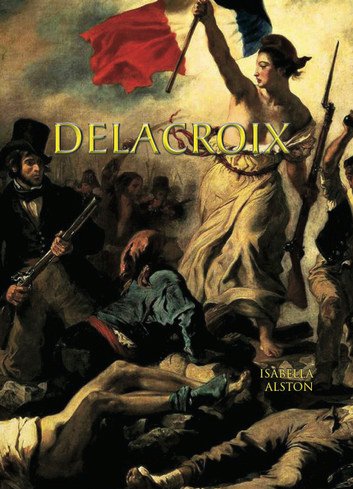
Liberty Leading the People (1830) remains Delacroix’s most iconic and recognizable painting. It depicts the July Revolution with an allegorical figure of Liberty guiding French citizens. The work combines political commentary with mythological symbolism in a brilliant, powerful way. Additionally, it demonstrates his mastery of composition, color, and emotional impact.
The Death of Sardanapalus (1827) shocked audiences with its violence and sensuality. The massive canvas shows an Assyrian king ordering destruction before his death. Critics condemned it as excessive, but it exemplified Romantic ideals perfectly. The painting’s dramatic energy and exotic subject matter challenged conventional taste.
The Massacre at Chios (1824) depicted Greek suffering during their independence war. Delacroix painted contemporary events with the grandeur and scale of historical painting. The work demonstrated his commitment to political causes and human dignity. Moreover, it established him as a major artistic voice in Paris.
His other significant works include Women of Algiers, The Barque of Dante, and numerous religious paintings. Each piece showcased his evolving style and technical mastery over the decades. His murals in Parisian churches and government buildings remain impressive today.
Key Contributions and Themes in Delacroix’s Art
Delacroix explored several recurring themes throughout his prolific career and artistic development:
- Exotic Orientalism: North African and Middle Eastern subjects fascinated him deeply
- Literary Inspiration: Shakespeare, Byron, and Goethe provided countless painting subjects
- Historical Drama: Revolutionary moments and battles captured his imagination repeatedly
- Animal Studies: Lions, tigers, and horses demonstrated his observational skills
- Religious Subjects: Biblical scenes allowed exploration of human suffering and redemption
- Color Theory: He pioneered new approaches to complementary colors and optical mixing
These themes reflected broader Romantic interests in emotion, exoticism, and individual experience. Delacroix synthesized diverse influences into a distinctive personal style and vision. His journals reveal deep thinking about art, philosophy, and the creative process.
Delacroix’s Influence on Later Artists
Impressionists like Renoir and Monet studied Delacroix’s color techniques closely. They admired his loose brushwork and vibrant palette immensely. His approach to color significantly influenced their revolutionary painting methods. Therefore, Impressionism owes a considerable debt to his earlier innovations.
Post-Impressionists, including Van Gogh and Cézanne, also deeply revered his work. Van Gogh copied several Delacroix paintings to learn his color methods. Cézanne called him “our painter’s true master” in personal correspondence. Their acknowledgment demonstrates his lasting impact on modern art’s development.
Even 20th-century artists like Matisse and Picasso recognized his importance. Matisse particularly admired his decorative murals and color harmonies. Delacroix’s influence extended remarkably across movements, generations, and national boundaries. His legacy shaped how artists approached color, emotion, and composition.
The Artist’s Working Methods and Philosophy
Delacroix kept detailed journals throughout his life, revealing his thinking. He constantly wrote about technique, inspiration, and the challenges of creation. These writings provide invaluable insights into Romantic artistic philosophy and practice. Additionally, they show his intellectual depth beyond mere technical skill.
He worked from sketches, studies, and careful planning before executing large paintings. However, his finished works appear spontaneous and emotionally immediate to viewers. This combination of planning and passion characterized his entire approach. Therefore, he balanced intellect with intuition in his creative process.
Color relationships obsessed him throughout his career and his artistic experiments. He studied how colors interact optically rather than mixing them traditionally. His color theories anticipated scientific discoveries about perception and optics. These innovations influenced generations of artists who followed his example.
Historical Context: France During Delacroix’s Lifetime
France experienced tremendous upheaval during Delacroix’s sixty-five years of life. The Revolution’s legacy continued to profoundly shape politics, society, and culture. Napoleon’s empire rose and fell during his childhood and youth. Subsequently, monarchies returned, revolutions erupted, and republics formed repeatedly.
The July Revolution of 1830 directly inspired his most famous painting. Political instability created both danger and creative opportunity for artists. Delacroix navigated these turbulent times while maintaining his artistic integrity. Moreover, he received government commissions despite his sometimes controversial subject matter.
Industrialization transformed French society dramatically and irreversibly during this period. Traditional ways of life disappeared as cities grew and technology advanced. Romanticism partly responded to these changes by emphasizing emotion and nature. Artists like Delacroix offered alternatives to cold rationalism and mechanization.
Literary Connections and Inspirations
Literature profoundly influenced Delacroix’s choice of subjects and thematic concerns throughout his career. He painted scenes from Shakespeare’s plays, including Hamlet and Othello. Byron’s poetry inspired numerous works, particularly those with exotic Eastern settings. Goethe’s Faust provided material for a famous series of lithographs.
He personally knew many of the leading writers of his era. Victor Hugo, George Sand, and Théophile Gautier counted among his friends. These relationships enriched his intellectual life and artistic vision considerably. Furthermore, they demonstrate Romanticism’s cross-disciplinary nature and collaborative spirit.
His paintings often captured specific literary moments with dramatic intensity. He translated words into visual experiences that honored the source material. However, he also added his own interpretation and emotional emphasis. Therefore, his literary paintings stand as independent artworks, not mere illustrations.
Delacroix’s Travel and Exotic Subjects
A trip to Morocco in 1832 permanently transformed Delacroix’s artistic vision. He filled sketchbooks with drawings of people, architecture, and landscapes. The intense light and vibrant colors of North Africa captivated him. Additionally, he found subjects that embodied Romantic ideals of exoticism.
His Orientalist paintings depicted harems, lion hunts, and Arab horse riders in dramatic fashion. These works reflected European fascination with “the East” during this period. However, they also demonstrated genuine observation and artistic skill beyond stereotypes. His Moroccan subjects remained important throughout his remaining three decades.
Critics debate Orientalism’s problematic aspects in contemporary scholarship and cultural discussions. Delacroix’s works reflect 19th-century European perspectives and colonial attitudes in undeniable ways. Nevertheless, they remain important documents of artistic history and Romantic aesthetics. Understanding context helps modern viewers appreciate both beauty and limitations.
The TAJ Mini Books Approach to Art History
Isabella Alston’s book is part of the TAJ Mini Books series. These compact volumes introduce major artists to general readers efficiently. They avoid academic jargon while maintaining intellectual rigor and accuracy. Therefore, they serve as perfect starting points for art exploration.
The series emphasizes accessibility without sacrificing depth or meaningful analysis. Alston presents Delacroix’s life and work in clear, engaging prose. She highlights key paintings and explains their significance concisely. Additionally, she places the artist within broader historical and cultural contexts.
Mini books suit modern readers who want quality information quickly. They provide essential knowledge without overwhelming detail or excessive length. However, they also naturally inspire further exploration and deeper study. This approach effectively democratizes art history for diverse audiences.
Why Delacroix Matters to Contemporary Audiences
Delacroix’s emphasis on emotion and individual expression remains relevant today. His rejection of rigid rules encourages creative freedom and personal vision. Modern artists still draw inspiration from his bold color choices. Furthermore, his technical innovations continue to influence contemporary painting practices.
His political engagement through art speaks to current social concerns. Artists today still use their work to comment on injustice. Delacroix demonstrated how beauty and politics can coexist in art. Therefore, he provides a model for socially conscious creative practice.
His journals offer timeless wisdom about creativity, doubt, and artistic struggle. Every artist faces challenges that Delacroix described in his writings. His honesty about the creative process resonates across centuries and cultures. These personal reflections make him feel surprisingly contemporary and relatable.
Technical Innovations and Artistic Techniques
Delacroix pioneered techniques that revolutionized painting during the 19th century. He applied colors in separate strokes rather than blending them smoothly. This approach created optical mixing, enhancing vibrancy and luminosity. Additionally, it anticipated Impressionist techniques by several decades significantly.
He used complementary colors strategically to create visual excitement and energy. Red and green, blue and orange appeared together frequently. These combinations made his paintings vibrate with intensity and life. Therefore, viewers experience emotional impact through purely visual means.
His brushwork varied from delicate detail to bold, expressive strokes. This variety created texture and movement across the canvas surface. He rejected the smooth finish that academic painting traditionally demanded. Instead, he embraced visible brushstrokes as part of artistic expression.
Critical Reception During His Lifetime
Early critics often attacked Delacroix for his unconventional style and subjects. They called his work crude, violent, and poorly finished. Academic painters and conservative critics vehemently opposed his innovations. However, younger artists and progressive critics championed his revolutionary approach.
The French Academy initially rejected him despite his growing fame. He applied for membership repeatedly before finally gaining admission in 1857. This delay reflected establishment resistance to Romantic art’s emotional intensity. Nevertheless, he eventually received official recognition and important commissions.
Public opinion remained divided throughout his career between admirers and detractors. Some viewers found his paintings thrilling and emotionally powerful from the outset. Others considered them shocking, excessive, or technically poorly executed. This controversy actually enhanced his reputation among supporters of the Romantic movement.
Delacroix’s Legacy in Art History
Art historians recognize Delacroix as a pivotal figure bridging Romanticism and Modernism. His innovations in color significantly influenced every subsequent painting movement. Without his experiments, Impressionism might have developed very differently. Therefore, his importance extends far beyond the Romantic period alone.
Museums worldwide treasure his paintings as masterpieces of 19th-century art. The Louvre houses many major works, including Liberty Leading the People. His murals in Parisian churches remain popular tourist destinations today. Additionally, his drawings and prints demonstrate his versatility and skill.
Scholars continue studying his journals, letters, and theoretical writings extensively. These documents provide insights into Romantic aesthetics and the creative process. They reveal a thoughtful artist who constantly questioned and refined ideas. His intellectual legacy matches his visual achievements in lasting importance.
What Readers Gain from Alston’s Book
Alston’s concise study provides an excellent introduction to Delacroix’s life and art. Readers learn essential biographical facts without getting lost in minutiae. She explains his major works and their significance clearly and engagingly. Moreover, she contextualizes his achievements within the Romantic movement and French history.
The book helps readers understand why Delacroix matters to art history. It explains his technical innovations and their influence on later artists. Additionally, it explores themes that made his work emotionally powerful. Therefore, readers gain both knowledge and appreciation through this accessible guide.
The TAJ Mini Books format makes art history approachable for busy readers. You can read this book in one sitting yet gain substantial knowledge. It serves as either an introduction or a refresher course. Furthermore, it encourages visiting museums to see actual paintings firsthand.
Conclusion: The Enduring Power of Delacroix’s Vision
Delacroix transformed European painting through passion, innovation, and unwavering artistic vision. His commitment to emotion over academic rules liberated future generations of artists. Isabella Alston’s mini book captures his significance in an accessible format. Therefore, it serves as an ideal introduction to this revolutionary painter.
His paintings continue to move viewers with their color, drama, and emotional intensity. Museums worldwide display his works to millions of visitors annually. His influence on modern art remains undeniable and profound across movements. These achievements ensure his lasting place in the pantheon of art history.
For anyone interested in Romanticism, French art, or painting techniques, this book offers valuable insights. Alston presents complex ideas clearly without oversimplifying or condescending to readers. Her concise approach respects both the subject and the audience equally. Pick up this mini book to discover why Delacroix still matters today.

Reviews
There are no reviews yet.