Description
Comprehensive Synopsis: Dave Sim: Conversations
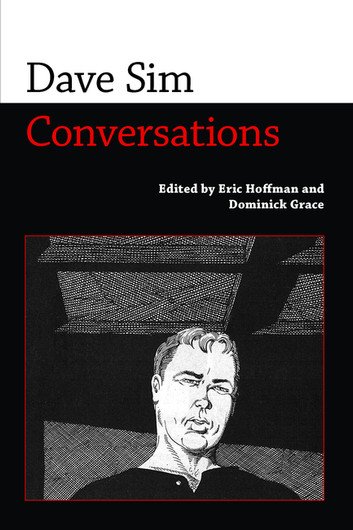
Dave Sim Conversations offers readers an unprecedented look into the mind of one of independent comics’ most influential creators. This collection, edited by Eric Hoffman and Dominick Grace, brings together essential interviews spanning decades of Dave Sim’s career. Furthermore, it provides invaluable insights into his creative process and controversial perspectives. The book is part of the prestigious Conversations with Comic Artists Series, published with ISBN 9781626744202.
The Creator Behind Cerebus
Dave Sim revolutionized independent comics through his groundbreaking series Cerebus. Moreover, he demonstrated that self-publishing could sustain a creative vision for three decades. The 6,000-page epic ran from 1977 to 2004, consequently establishing new possibilities for comic creators. Sim’s commitment to complete creative control inspired countless artists. Additionally, his work challenged conventional storytelling boundaries in the medium.
What Makes Dave Sim Conversations Essential Reading
This interview collection captures Sim’s evolution as both artist and thinker. Therefore, readers gain access to his unfiltered perspectives on comics, art, and culture. The editors carefully selected conversations that reveal different facets of his career. Furthermore, these discussions illuminate his creative philosophy and working methods. Each interview provides context for understanding his controversial yet undeniably significant contributions.
Themes Explored Throughout the Collection
Dave Sim Conversations addresses numerous topics that defined his career:
- Self-publishing strategies and business models for independent creators
- The creative evolution of Cerebus across 300 issues
- Sim’s innovative approaches to storytelling and visual narrative
- His controversial views on gender, religion, and society
- Technical aspects of comic creation and production
- The challenges of maintaining artistic independence
The Cerebus Legacy
Cerebus began as a parody of Conan the Barbarian featuring an aardvark. However, it evolved into something far more ambitious and complex. Sim transformed the series into a sprawling examination of power, religion, and human nature. Moreover, the work incorporated diverse literary influences and experimental techniques. Consequently, Cerebus became one of comics’ most discussed and debated works.
Self-Publishing Pioneer
Sim’s commitment to self-publishing changed the independent comics landscape forever. Additionally, he proved creators could maintain complete ownership while building sustainable careers. His business model influenced generations of cartoonists seeking creative freedom. Furthermore, Sim openly shared his knowledge about production and distribution. Therefore, many creators credit him with making their own independence possible.
Controversial Perspectives
The interviews don’t shy away from Sim’s polarizing viewpoints. Nevertheless, they provide essential context for understanding his complete body of work. His essays on gender relations sparked intense debate within the comics community. Moreover, his religious and political commentary alienated some former supporters. However, these conversations allow readers to engage directly with his reasoning.
Artistic Innovation and Technique
Dave Sim Conversations reveals his meticulous approach to visual storytelling. Furthermore, readers discover his innovative lettering techniques and page compositions. Sim pushed boundaries in how text and image could interact. Additionally, he experimented with photorealism, caricature, and abstract expressionism. His technical mastery elevated comics as an art form.
The Collaborative Dynamic with Gerhard
Background artist Gerhard joined Cerebus with issue 65, transforming the series visually. Moreover, their partnership became one of comics’ most successful collaborations. The interviews explore how they divided creative responsibilities. Consequently, readers understand how their combined talents enhanced the work. Furthermore, Sim discusses the importance of this artistic relationship.
Business Philosophy and Creator Rights
Sim advocated fiercely for creator ownership throughout his career. Therefore, these conversations illuminate his business strategies and principles. He challenged industry practices that exploited artists and writers. Additionally, Sim published manifestos encouraging creators to retain their rights. His influence on creator-owned publishing remains significant today.
Literary Ambitions and Influences
The interviews reveal Sim’s extensive literary influences beyond comics. Moreover, he incorporated elements from classic literature, philosophy, and religious texts. Oscar Wilde, F. Scott Fitzgerald, and Ernest Hemingway shaped his narrative approach. Furthermore, Sim’s ambitious storytelling elevated comics’ literary potential. Consequently, Cerebus attracted readers who rarely engaged with the medium.
The High Society and Church & State Arcs
These landmark storylines demonstrated Sim’s evolving sophistication as a storyteller. Furthermore, they established Cerebus as serious literature worthy of critical analysis. High Society satirized politics through an aardvark’s unlikely electoral campaign. Meanwhile, Church & State expanded into epic examinations of religion and power. These arcs remain influential in independent comics.
Editorial Context and Scholarly Framework
Editors Hoffman and Grace provide essential scholarly context throughout the collection. Moreover, their introductions help readers navigate Sim’s complex career trajectory. They situate each interview within its historical and creative moment. Additionally, their commentary addresses controversial aspects with academic rigor. Therefore, the book serves both casual readers and serious scholars.
Evolution of Artistic Style
The conversations trace Sim’s remarkable artistic development across three decades. Furthermore, readers observe how his drawing style matured and diversified. Early issues featured simpler cartooning influenced by underground comics. However, later work incorporated sophisticated rendering and experimental techniques. Moreover, Sim’s lettering became increasingly integral to his visual storytelling.
The Role of Parody and Satire
Sim masterfully employed parody throughout Cerebus to critique culture and politics. Additionally, he satirized comics industry conventions and superhero tropes. His sharp wit targeted politicians, celebrities, and cultural movements. Nevertheless, the satire served deeper thematic purposes beyond mere comedy. Furthermore, these interviews explain his satirical strategies and intentions.
Religious and Philosophical Explorations
Later Cerebus volumes delved deeply into religious and metaphysical questions. Moreover, Sim developed idiosyncratic theological perspectives that permeated the work. The interviews address his spiritual journey and evolving beliefs. Consequently, readers gain insight into controversial religious commentary within Cerebus. Furthermore, Sim explains how faith influenced his creative choices.
Impact on Independent Comics Culture
Dave Sim’s influence extends far beyond his own creative output. Therefore, these conversations illuminate his role in shaping independent comics culture. He mentored emerging creators and championed self-publishing alternatives. Additionally, Sim’s example inspired artists to pursue uncompromising personal visions. His legacy includes both artistic achievements and industry transformation.
The Completion of a 300-Issue Vision
Sim’s commitment to completing Cerebus across 300 issues remains unprecedented. Moreover, he announced this goal early and fulfilled it despite challenges. The interviews explore the discipline required for such sustained creative effort. Furthermore, Sim discusses how the ending evolved throughout the series. Consequently, readers understand the remarkable dedication behind this achievement.
Critical Reception and Cultural Impact
Dave Sim Conversations addresses the complex critical response to his work. Furthermore, the interviews reveal how reception evolved throughout his career. Early Cerebus received widespread acclaim from critics and peers. However, later volumes sparked controversy and divided his audience. Nevertheless, Sim’s influence on comics remains undeniable and significant.
Technical Production Insights
The collection offers fascinating details about Cerebus’s production process. Moreover, Sim explains his approach to penciling, inking, and lettering. He discusses printing quality, paper choices, and distribution logistics. Additionally, readers learn about the business side of self-publishing. Therefore, aspiring creators find practical wisdom alongside artistic inspiration.
Engaging with Difficult Ideas
These interviews don’t sanitize Sim’s controversial perspectives or provocative statements. Nevertheless, they provide opportunities for readers to critically engage with his ideas. The editors present conversations that reveal both brilliance and problematic viewpoints. Moreover, this honest approach respects readers’ ability to form independent judgments. Consequently, the book serves as valuable historical documentation.
The Value for Comics Scholars
Academics studying comics history will find this collection indispensable. Furthermore, it documents crucial developments in independent publishing and creator rights. Sim’s career intersects with major shifts in comics culture and industry. Additionally, his work raises important questions about authorship and artistic freedom. Therefore, scholars gain primary source material for research and analysis.
Insights for Aspiring Creators
Young cartoonists will discover practical advice throughout these conversations. Moreover, Sim’s experiences offer lessons about sustaining long-term creative projects. He discusses overcoming creative blocks, maintaining discipline, and managing business affairs. Additionally, his candid reflections on mistakes provide valuable cautionary tales. Furthermore, his passion for the medium remains genuinely inspiring.
The Broader Cultural Context
The interviews situate Sim’s work within broader cultural and political movements. Moreover, they explore how social changes influenced his creative choices. The rise of independent publishing, debates about censorship, and cultural wars all appear. Consequently, readers understand Cerebus as both art and cultural artifact. Furthermore, these contexts illuminate why certain aspects sparked controversy.
Why This Collection Matters
This book preserves essential conversations with a singular creative voice. Moreover, it documents an important chapter in comics history through primary sources. Whether readers admire or critique Sim’s work, his influence remains significant. Additionally, these interviews capture his ideas in his own words. Therefore, the collection serves future generations studying comics’ evolution.
Conclusion: An Essential Resource
Dave Sim Conversations stands as a definitive resource for understanding this complex creator. The editors have assembled interviews that span his entire career trajectory. Furthermore, they provide scholarly context while letting Sim’s voice remain central. Readers encounter both his artistic brilliance and his controversial perspectives. Moreover, the collection illuminates how one creator transformed independent comics forever.
This book belongs on the shelf of anyone seriously interested in comics history. Additionally, it offers invaluable insights for creators pursuing independent paths. The conversations reveal the dedication, discipline, and vision required for sustained creative work. Furthermore, they document how Cerebus pushed boundaries and challenged conventions. Consequently, this collection ensures Dave Sim’s contributions receive proper historical documentation and critical examination.






Reviews
There are no reviews yet.