

Description
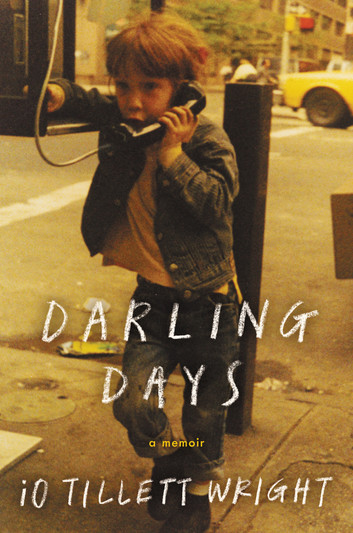
A childhood like no other, told in prose like spray paint. Born into the beautiful bedlam of 1980s downtown New York, iO Tillett Wright came of age at the intersection of punk, poverty, heroin, and art — and lived to tell it in Darling Days (HarperCollins, 2016).
At its center: the remarkable bond between a fiery, gender-nonconforming kid and an extraordinary mother who held their fragile world together with love, chaos, and sheer will. Wright writes with crystalline honesty about growing up queer in the East Village, navigating addiction and rebellion, finding identity — and art — amid the wreckage and wonder.
Alternating between the harrowing and the hilarious, this is survival that never flinches and never wallows: family in its most unconventional form, the making of an artist, and the fierce love between a parent and a child who refused to be anyone but themselves.
Born into the beautiful bedlam of downtown New York in the 1980s, iO Tillett Wright came of age at the intersection of punk, poverty, heroin, and art — and lived to tell the tale in prose as vivid as a spray-painted wall. Darling Days (HarperCollins, 2016) is the candid, tough, and stirring memoir of a childhood like no other.
n
nAt its center is the remarkable bond between a fiery, gender-nonconforming kid and an extraordinary mother who held their fragile world together with love, chaos, and sheer will. Wright writes with crystalline honesty about growing up queer in the East Village, navigating addiction and rebellion, and finding identity — and art — amid the wreckage and wonder of it all.
n
nAlternating between the harrowing and the hilarious, Darling Days is a story of survival that never flinches and never wallows. It is about family in its most unconventional form, about the making of an artist, and about the fierce, complicated love between a parent and a child who refused to be anyone but themselves.
n
nFor readers of bold, voice-driven memoirs — and anyone who has ever had to invent themselves from scratch — Darling Days is devastating, funny, and ultimately triumphant.


Reviews
There are no reviews yet