Description
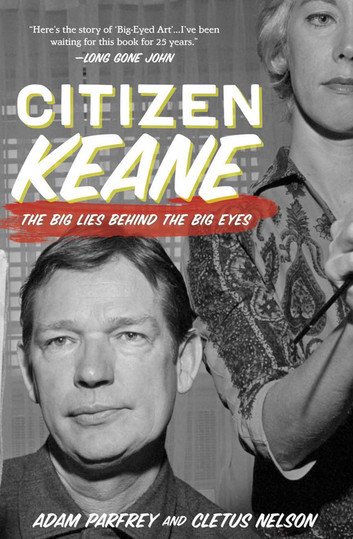
Citizen Keane: The Big Lies Behind the Big Eyes
Introduction to Margaret Keane and the Big Eyes Scandal
Margaret Keane created some of the twentieth century’s most recognizable paintings. And her distinctive “Big Eyes” portraits captivated millions of viewers worldwide. Moreover, these haunting images of waif-like children became cultural phenomena during the 1960s. However, Margaret Keane didn’t initially receive credit for her own artwork. Therefore, her story represents one of art history’s most shocking frauds.
Cletus Nelson and Adam Parfrey’s book “Citizen Keane” exposes this deception thoroughly. And it documents how Walter Keane stole credit for his wife’s paintings. Moreover, the authors reveal the manipulation and lies that sustained this fraud. Consequently, readers discover the truth behind the Big Eyes phenomenon and scandal.
The book examines the scandal from multiple perspectives. Furthermore, it explores the art world of the 1950s-60s that enabled such deception. And it analyzes the gender dynamics that allowed Walter’s fraudulent claims. Therefore, “Citizen Keane” offers a comprehensive investigation of this extraordinary case.
Margaret Keane’s eventual vindication came through a dramatic courtroom confrontation in 1986. Moreover, she proved her authorship by painting in front of witnesses. And she exposed Walter’s complete inability to create the artwork himself. Therefore, justice ultimately prevailed despite years of deception and exploitation.
Who Was Margaret Keane: The Real Artist
Margaret Keane was born Margaret Doris Hawkins in Nashville, Tennessee, in 1927. And she showed artistic talent from early childhood onward. Moreover, she studied art formally and developed her distinctive style independently. Consequently, Margaret possessed genuine skill and creative vision before meeting Walter.
Her signature style featured children with enormous, soulful eyes that conveyed emotion. Furthermore, these portraits conveyed vulnerability and emotional depth with powerful force. And they resonated with viewers on profound psychological levels. Therefore, Margaret’s artistic vision was unique and commercially viable from the start.
She worked as a portrait painter in San Francisco during the 1950s. Moreover, she supported herself and her daughter solely through her artwork. And she sold paintings at outdoor art fairs and galleries. Therefore, Margaret was an established working artist independently before the fraud began.
Her technical skill was considerable and professionally developed through years of practice. Furthermore, she could paint quickly and consistently in her distinctive style. And she understood composition, color, and emotional expression thoroughly. Therefore, Margaret Keane was a legitimate artist with marketable talent.
Walter Keane: The Fraudster and Con Artist
Walter Keane was a real estate agent with artistic pretensions but minimal talent. And he possessed charm, salesmanship, and a complete lack of scruples. Moreover, he recognized the commercial potential of Margaret’s distinctive paintings immediately. Consequently, Walter saw an opportunity for exploitation and personal gain through deception.
He had minimal artistic ability despite his grandiose claims about his work. Furthermore, his own artwork was derivative and commercially unsuccessful before meeting Margaret. And he lacked the technical skill to create the Big Eyes paintings. Therefore, Walter’s artistic credentials were essentially fraudulent from the very beginning.
His personality combined narcissism with manipulative cunning and ruthless ambition. Moreover, he understood marketing and self-promotion exceptionally well for the era. And he possessed the audacity to claim credit for another person’s work. Therefore, Walter was perfectly suited to perpetrate this type of fraud.
He married Margaret in 1955 and immediately began his elaborate deception. Furthermore, he convinced her to let him take public credit for the sales. And he promised this arrangement would benefit them both financially. Therefore, the fraud began with Margaret’s reluctant complicity, which then escalated.
The 1950s-60s Art World and Cultural Context
The 1950s-60s art world was dominated by abstract expressionism and modernist movements. And critics dismissed representational art as unsophisticated and merely commercial. Moreover, the New York art establishment controlled taste and artistic reputation. Consequently, figurative painters like Margaret faced significant professional barriers to recognition.
Gender discrimination was pervasive and openly accepted in art institutions at the time. Furthermore, female artists consistently struggled for recognition and gallery representation. Male artists received disproportionate attention and commercial success automatically. Therefore, the art world’s sexism significantly enabled Walter’s deception.
The kitsch movement was emerging as a cultural phenomenon during this period. Moreover, mass-produced art for middle-class homes was becoming increasingly popular nationwide. And the Big Eyes paintings fit perfectly into this growing market. Therefore, timing favored the commercial success of Margaret’s distinctive work.
Popular taste diverged significantly from critical art world preferences during this era. Furthermore, ordinary people loved the Big Eyes paintings despite critical dismissal. And this created a lucrative market outside traditional gallery systems entirely. Therefore, commercial success didn’t require critical approval or establishment acceptance.
How the Big Eyes Deception Began
The fraud began when Walter began claiming Margaret’s paintings as his own. And he told gallery owners and customers he created the artwork himself. Moreover, he insisted that Margaret keep her true authorship completely silent. Consequently, the deception became an established pattern in their troubled relationship.
Walter’s initial justification was that male artists commanded higher prices in galleries. Furthermore, he argued that buyers wouldn’t take a female painter seriously at the time. And he promised Margaret would benefit financially from the fraudulent arrangement. Therefore, he manipulated her into accepting the fraudulent situation through economic pressure.
Margaret initially agreed reluctantly due to financial pressures and psychological manipulation. Moreover, she needed income to support her young daughter independently. And Walter convinced her the deception was temporary and necessary for success. Therefore, Margaret became complicit in denying her own artistic identity.
The lie grew larger and more elaborate as commercial success increased. Furthermore, Walter gave interviews claiming to be the creative genius behind everything. And he developed elaborate backstories about his supposed artistic inspiration. Therefore, the fraud became increasingly difficult to expose or reverse over time.
The Big Eyes Paintings Phenomenon
The Big Eyes paintings became an extraordinary commercial and cultural success during the 1960s. And they sold in enormous quantities through galleries and mass reproductions. Moreover, they appeared on postcards, posters, and various merchandise items. Consequently, the images became ubiquitous in American popular culture.
The paintings featured children and women with disproportionately large, expressive eyes. Furthermore, these subjects appeared vulnerable, melancholic, and emotionally affecting to viewers. And the style was immediately recognizable and distinctive from other art. Therefore, the Big Eyes became an iconic visual brand.
Critics dismissed the work as sentimental kitsch and commercial exploitation of emotion. Moreover, the art establishment refused to take the paintings seriously whatsoever. And intellectuals mocked the Big Eyes as lowbrow and unsophisticated. Therefore, the work existed entirely outside the respectable art world.
However, ordinary people loved the paintings and bought them enthusiastically nationwide. Furthermore, the emotional directness strongly appealed to middle-class sensibilities. And the affordable reproductions made art accessible to average consumers. Therefore, commercial success was massive despite complete critical rejection.
Commercial Success and Financial Exploitation
The Big Eyes paintings generated enormous revenue during the 1960s boom. And Walter controlled all the money and business arrangements completely. Moreover, he paid Margaret minimal amounts while keeping the substantial profits. Consequently, Margaret created the artwork but received little financial benefit.
Walter marketed the paintings aggressively through multiple channels simultaneously and strategically. Furthermore, he sold originals through galleries at high prices. And he widely licensed reproductions for mass-market distribution. Therefore, the business model maximized revenue by leveraging Margaret’s consistent productivity.
He lived lavishly on the proceeds of Margaret’s labor and talent. Moreover, he bought expensive cars and clothes and publicly maintained an extravagant lifestyle. And he presented himself as a successful artist and businessman. Therefore, Walter enjoyed wealth and status built entirely on fraud.
Margaret worked constantly to meet buyers’ demand for new paintings. Furthermore, she painted in isolation while Walter took public credit everywhere. And she received only a small allowance from the substantial earnings. Therefore, the arrangement was exploitative and financially abusive throughout.
Margaret’s Growing Desperation and Isolation
Margaret became increasingly unhappy with the fraudulent arrangement over time. And she felt trapped by the lie that had grown too large. Moreover, she desperately wanted recognition for her own artistic achievements. Consequently, Margaret’s psychological distress intensified as years passed without change.
Walter became more controlling and psychologically abusive as success grew larger. Furthermore, he threatened Margaret if she considered revealing the truth publicly. And he systematically isolated her from friends and potential supporters. Therefore, Margaret lived in fear and emotional imprisonment.
She continued painting because it was her only source of income. Moreover, she had a daughter to support and limited job options. And Walter controlled all their finances and business relationships completely. Therefore, Margaret felt economically trapped in the fraudulent situation.
Her artistic identity was completely subsumed by Walter’s public persona everywhere. Furthermore, she couldn’t claim her own work or develop an independent reputation. And she watched Walter receive praise for her creative achievements. Therefore, the psychological toll was devastating and demoralizing.
The Breaking Point: Margaret’s Decision to Speak
Margaret finally left Walter in 1965 after years of abuse and deception. And she moved to Hawaii seeking a fresh start and independence. Moreover, she began telling people the truth about the paintings’ authorship. Consequently, Margaret began reclaiming her artistic identity.
Walter responded to her claims with aggressive denials and personal attacks. Furthermore, he called her a liar and dismissed her assertions publicly everywhere. And he continued claiming sole authorship of the Big Eyes paintings. Therefore, the conflict became a public battle over artistic credit.
Margaret struggled to convince people of the truth initially without proof. Moreover, Walter’s established public identity as an artist seemed credible. And many people found the fraud story difficult to believe. Therefore, Margaret faced skepticism and disbelief from many quarters.
She finally began painting and selling under her own name. Furthermore, she gave interviews explaining the true story of authorship. And she challenged Walter to prove his ability publicly. Therefore, Margaret actively fought to expose the fraud and regain recognition.
The Famous 1986 “Paint-Off” Court Case
The conflict culminated in a dramatic 1986 federal court case in Hawaii. And Margaret sued Walter for defamation and for damages for fraud. Moreover, the judge ordered both parties to paint in the courtroom before the jury. Consequently, the trial included an unprecedented artistic demonstration of ability.
Margaret painted a Big Eyes portrait in fifty-three minutes before witnesses. Furthermore, her work demonstrated complete mastery of the distinctive style perfectly. And she executed the painting confidently and skillfully without hesitation. Therefore, Margaret proved her authorship through direct demonstration.
Walter claimed he couldn’t paint due to a shoulder injury at that time. Moreover, he made various excuses to avoid the courtroom demonstration completely. And he refused to attempt painting despite the judge’s direct order. Therefore, Walter’s inability to create the artwork became obvious to everyone.
The jury deliberated only briefly before reaching a unanimous verdict in Margaret’s favor. Furthermore, they awarded Margaret $4 million in damages for fraud. And they definitely vindicated her claims of authorship. Therefore, justice finally prevailed after decades of fraud.
Evidence of Fraud Exposed in Court
The trial presented extensive evidence supporting Margaret’s authorship claims. And multiple witnesses testified that they saw her paint the pictures. Moreover, documentary evidence contradicted Walter’s various claims and stories. Consequently, the fraud became undeniable through accumulated proof.
Former friends and associates testified about Walter’s deception over the years. Furthermore, they described seeing Margaret paint while Walter took credit. And they confirmed the fraudulent arrangement was known to insiders. Therefore, witness testimony corroborated Margaret’s version of events.
Walter’s own testimony was contradictory and obviously false throughout. Moreover, he couldn’t explain the technical aspects of the painting process. And his stories about creating the work kept changing constantly. Therefore, his credibility completely collapsed under cross-examination.
The courtroom painting demonstration finally provided definitive proof of authorship. Furthermore, Margaret’s skill was obvious while Walter’s inability was clear. And no reasonable doubt remained about who created the paintings. Therefore, the paint-off settled the question conclusively.
Walter’s Lies and Psychological Manipulation
Walter continued to make fraudulent claims even after losing the lawsuit decisively. And he continued insisting he created the Big Eyes paintings. Moreover, he never admitted the truth or apologized to Margaret. Consequently, Walter died in 2000, still claiming credit for her work.
His manipulation of Margaret involved psychological abuse and control tactics systematically. Furthermore, he systematically isolated her and undermined her confidence. And he convinced her that revealing the truth would destroy them both. Therefore, Walter’s control was sophisticated and psychologically damaging.
He created elaborate mythology about his artistic inspiration and creative process. Moreover, he gave detailed interviews in which he supposedly described how he created paintings. And he developed a consistent narrative that seemed credible to outsiders. Therefore, Walter’s lies were carefully constructed and maintained.
His narcissism prevented him from ever acknowledging Margaret’s authorship truthfully. Furthermore, he eventually seemed to believe his own lies. And he couldn’t accept that his identity was built on fraud. Therefore, Walter’s psychological investment in the deception was total.
Media Coverage and Public Reaction
The court case received significant media attention and public interest nationwide. And newspapers covered the dramatic paint-off demonstration extensively across the country. Moreover, the story appealed to the public’s fascination with fraud and deception. Consequently, Margaret’s vindication became widely known and celebrated.
Public opinion shifted dramatically in Margaret’s favor after the trial verdict. Furthermore, people were outraged by Walter’s decades of fraud and exploitation. And Margaret received sympathy and support from many quarters. Therefore, the court victory significantly restored her public reputation.
The art world’s response was more complicated and ambivalent than expected. Moreover, critics still dismissed the Big Eyes as kitsch. And establishment galleries didn’t suddenly embrace Margaret’s work afterward. Therefore, artistic vindication didn’t necessarily translate into critical acceptance.
However, Margaret gained recognition as a legitimate artist and a fraud victim. Furthermore, her story became a cautionary tale about exploitation and deception. And she received acknowledgment for her distinctive artistic contribution. Therefore, vindication brought personal satisfaction if not critical acclaim.
Margaret Keane’s Life After Vindication
Margaret continued painting and selling her work successfully after the trial. And she maintained her distinctive Big Eyes style throughout her career. Moreover, she enjoyed modest commercial success and personal satisfaction. Consequently, Margaret built an independent artistic identity in her later years.
She unfortunately never received the $4 million judgment from Walter. Furthermore, he declared bankruptcy and avoided paying the damages owed. And Margaret accepted that financial compensation was unlikely. Therefore, vindication was primarily moral rather than monetary.
Her work found new audiences as cultural attitudes changed over time. Moreover, younger generations discovered the Big Eyes paintings with a fresh perspective. And some critics began reassessing her work more favorably. Therefore, Margaret’s reputation improved gradually over time.
She gave interviews and participated in documentaries about the scandal. Furthermore, she shared her story to help other exploited artists. And she became an advocate for artistic credit and recognition. Therefore, Margaret used her experience to benefit others.
The Tim Burton Film Adaptation
Director Tim Burton made the 2014 film “Big Eyes” about the scandal. And the movie dramatized Margaret’s story for mainstream audiences worldwide. Moreover, Amy Adams portrayed Margaret while Christoph Waltz played Walter. Consequently, the scandal reached a new generation through popular cinema.
The film brought renewed attention to Margaret’s artwork and story in a significant way. Furthermore, it introduced the Big Eyes phenomenon to younger viewers. And it generated fresh interest in the paintings and their history. Therefore, the movie significantly expanded awareness of Margaret’s vindication.
Burton’s visual style suited the material perfectly and sympathetically throughout. Moreover, he appreciated the paintings’ emotional directness and distinctive aesthetic. And he portrayed Margaret as a sympathetic victim and talented artist. Therefore, the film treated her story with respect and understanding.
The movie’s success validated Margaret’s cultural significance, both artistic and personal. Furthermore, it confirmed that her story resonated with contemporary audiences. And it established the scandal as an important cultural and artistic narrative. Therefore, the film secured Margaret’s place in popular cultural memory.
Cletus Nelson and Adam Parfrey’s Investigation
“Citizen Keane” authors Cletus Nelson and Adam Parfrey conducted extensive research. And they personally interviewed Margaret and numerous other witnesses. Moreover, they thoroughly examined court documents and historical records. Consequently, their book provides a definitive account of the scandal.
The authors approached the story with investigative rigor and skepticism throughout. Furthermore, they verified claims and carefully cross-referenced multiple sources. And they presented evidence systematically and comprehensively. Therefore, “Citizen Keane” stands as authoritative documentation of the fraud.
Nelson and Parfrey effectively contextualized the scandal within broader cultural history. Moreover, they analyzed the 1950s-60s art world and social dynamics. And they explored how gender and commercialism enabled the deception. Therefore, the book offers sophisticated cultural analysis alongside factual documentation.
Their writing style is accessible and engaging for general readers. Furthermore, they present complex information clearly and compellingly. And they maintain narrative momentum while providing thorough documentation. Therefore, “Citizen Keane” succeeds as both an investigation and a readable narrative.
Themes of Deception and Gender in Art
The Big Eyes scandal illuminates how gender discrimination enabled fraud systematically. And Walter exploited assumptions that male artists were more credible. Moreover, the art world’s sexism made Margaret’s claims seem less believable. Consequently, gender dynamics were central to the deception’s success.
Female artists faced systematic barriers to recognition and commercial success then. Furthermore, their work was often dismissed as derivative or sentimental. And they struggled to achieve the status accorded to their male counterparts. Therefore, Margaret’s situation reflected broader patterns of discrimination.
The fraud also reveals how personality and self-promotion affect artistic reputation. Moreover, Walter’s charisma and marketing skills created credibility independent of talent. And Margaret’s quieter personality made her easier to exploit. Therefore, the scandal shows how non-artistic factors influence success.
The story profoundly demonstrates the importance of artistic credit and recognition. Furthermore, being denied authorship caused Margaret profound psychological harm. And reclaiming her identity was essential to her well-being. Therefore, the case illustrates how artistic identity connects to personal identity.
Art World Dynamics and Kitsch Culture
The Big Eyes phenomenon existed entirely outside traditional art-world structures. And the paintings succeeded commercially despite critical rejection. Moreover, they appealed to popular taste that the establishment dismissed. Consequently, the scandal reveals tensions between high and low culture.
The art establishment’s dismissal of the Big Eyes as kitsch was snobbish. Furthermore, critics refused to acknowledge the paintings’ emotional effectiveness. And they couldn’t explain the work’s enormous popular appeal. Therefore, the critical response revealed elitism and narrow aesthetic values.
However, the paintings’ commercial success didn’t necessarily indicate objective artistic merit. Moreover, popularity and quality aren’t always aligned or equivalent. And the Big Eyes’ sentimental style had legitimate aesthetic limitations. Therefore, both critical dismissal and popular embrace were partially justified.
The scandal shows how commercial art operates differently from fine art. Furthermore, the Big Eyes succeeded through mass reproduction and merchandising. And they primarily functioned as decorative consumer products. Therefore, they occupied a different cultural space than gallery art.
Lessons from the Big Eyes Scandal
The Margaret Keane story offers important lessons about artistic exploitation today. And it demonstrates how power imbalances enable fraud and abuse. Moreover, it shows the importance of legal protection for artists. Consequently, the scandal influenced discussions about artistic rights and credit.
Margaret’s experience illustrates the dangers of allowing others to control credit. Furthermore, her initial complicity made later vindication more difficult. And the deception grew harder to expose as time passed. Therefore, artists must protect their authorship from the beginning.
The case demonstrates the importance of documentation and evidence in disputes. Moreover, Margaret’s ability to paint in court definitively established her authorship. And physical demonstration overcame years of Walter’s lies. Therefore, concrete proof was essential to achieving justice.
The scandal also shows that truth can eventually prevail despite obstacles. Furthermore, Margaret’s persistence and courage ultimately led to vindication. And justice came even after decades of fraud. Therefore, the story offers hope to other exploited artists.
Margaret Keane’s Artistic Legacy
Margaret Keane’s paintings remain culturally significant despite historical critical dismissal. And they represent an important moment in American popular culture. Moreover, they demonstrate how art can succeed outside establishment structures. Consequently, the Big Eyes occupy a unique place in twentieth-century visual culture.
Her distinctive style significantly influenced subsequent popular and commercial art. Furthermore, the big-eyed aesthetic appeared in various forms and media. And many artists borrowed or referenced her visual approach. Therefore, Margaret’s artistic influence extended beyond her own work.
The paintings’ emotional directness continues to resonate with many viewers today. Moreover, they communicate vulnerability and pathos effectively and immediately. And they demonstrate that technical skill can serve as a vehicle for emotional expression. Therefore, the work has legitimate artistic qualities despite critical rejection.
Margaret’s vindication story became as significant as the paintings themselves. Furthermore, her struggle for recognition inspired other exploited artists. And her courage in exposing fraud demonstrated the importance of truth. Therefore, Margaret’s personal legacy matches her artistic contribution.
How “Citizen Keane” Documents This Story
Nelson and Parfrey’s book provides comprehensive documentation of the entire scandal. And it presents evidence systematically while maintaining narrative engagement. Moreover, it contextualizes the fraud within broader cultural and historical frameworks. Consequently, “Citizen Keane” serves as a definitive account of this remarkable story.
The authors interviewed Margaret extensively and sympathetically for the book. Furthermore, they allowed her to tell her story in her own words. And they presented her perspective with respect and credibility. Therefore, the book centers Margaret’s experience and voice appropriately.
They also examined Walter’s psychology and motivations thoroughly throughout. Moreover, they analyzed how his narcissism and manipulation sustained the fraud. And they documented his lies and contradictions comprehensively. Therefore, the book explains how the deception functioned psychologically.
The book includes extensive visual documentation of the paintings themselves. Furthermore, it reproduces examples of the Big Eyes artwork throughout. And it shows how the style evolved over Margaret’s career. Therefore, readers can examine the artwork while reading about it.
Key Revelations in “Citizen Keane”
The book reveals numerous important facts about the Big Eyes scandal:
- Margaret created all the Big Eyes paintings — Walter had no artistic ability whatsoever.
- The fraud began in 1955, shortly after Margaret and Walter married.
- Walter controlled all finances — Margaret received minimal compensation for her work.
- Psychological abuse was systematic — Walter isolated and manipulated Margaret continuously.
- Multiple witnesses knew the truth — but remained silent for years.
- The 1986 trial was definitive — Margaret painted while Walter made excuses.
- Walter never admitted the fraud — He maintained his lies until his death in 2000
- Gender discrimination enabled the deception — Female artists faced systematic barriers.
- Commercial success was enormous — The paintings generated millions in revenue.
- Margaret’s vindication came late, but she eventually achieved recognition.
These revelations demonstrate the fraud’s scope and Margaret’s courage throughout. Moreover, they document one of art history’s most audacious deceptions. And they establish the truth definitively and comprehensively. Therefore, “Citizen Keane” provides an essential historical record.
The Scandal’s Impact on Art World Practices
The Big Eyes scandal influenced how the art world addresses questions of authorship. And it demonstrated the importance of documentation and verification. Moreover, it showed how fraud can persist when people don’t question claims. Consequently, the case led to greater scrutiny of artistic attribution.
The scandal also highlighted the need for legal protections for artists. Furthermore, it showed how power imbalances enable exploitation and fraud. And it demonstrated that artists need control over their own work. Therefore, the case influenced discussions about artists’ rights.
The story revealed how gender discrimination affects artistic recognition and success. Moreover, it showed that female artists face unique vulnerabilities to exploitation. And it demonstrated the importance of challenging sexist assumptions. Therefore, the scandal contributed to discussions in feminist art history.
The case also illustrated the gap between critical and popular taste. Furthermore, it showed that commercial success doesn’t require establishment approval. And it demonstrated that popular art has cultural significance. Therefore, the scandal influenced debates about high and low culture.
Why This Story Matters Today
Margaret Keane’s story remains relevant to contemporary artists and audiences. And it illustrates ongoing issues of exploitation and recognition. Moreover, it demonstrates the importance of protecting artistic identity and credit. Consequently, the scandal offers lessons that transcend its historical moment.
The themes of gender discrimination and power imbalance remain current today. Furthermore, female artists still face barriers to recognition and success. And exploitation of creative workers continues in various forms. Therefore, Margaret’s experience resonates with contemporary concerns.
The story also speaks to questions about artistic value and taste. Moreover, it challenges assumptions about what constitutes legitimate art. And it demonstrates that popular appeal has cultural significance. Therefore, the scandal contributes to ongoing aesthetic debates.
Margaret’s courage in exposing fraud and reclaiming her identity inspires others. Furthermore, her persistence demonstrates that truth can prevail eventually. And her vindication shows the importance of fighting for recognition. Therefore, her story offers hope and encouragement to exploited artists.
Understanding the Book’s Arguments
“Citizen Keane” argues that the Big Eyes scandal reveals systemic problems. And it demonstrates how gender discrimination enables exploitation in art. Moreover, it shows that commercial success doesn’t require critical approval. Therefore, the book challenges conventional art world hierarchies.
The authors argue that Margaret’s story deserves serious historical attention. Furthermore, they position the scandal as culturally significant rather than merely gossip. And they demonstrate how the fraud reflected broader social dynamics. Therefore, “Citizen Keane” elevates the story to an important cultural analysis.
Nelson and Parfrey also argue that popular art has legitimate value. Moreover, they challenge the dismissal of the Big Eyes as mere kitsch. And they suggest that emotional directness has artistic merit. Therefore, the book defends Margaret’s artistic contribution.
The book ultimately argues for greater protection of artists’ rights. Furthermore, it demonstrates the importance of documentation and legal recourse. And it shows that justice can prevail despite power imbalances. Therefore, “Citizen Keane” offers both a historical account and advocacy.
Connections to Modern Art World Issues
The Big Eyes scandal connects to contemporary discussions about artistic credit. And it relates to ongoing debates about intellectual property rights. Moreover, it illuminates current concerns about exploitation in creative industries. Therefore, the story remains relevant to modern art world issues.
The gender dynamics of the scandal reflect ongoing discrimination problems. Furthermore, female artists still face barriers to recognition and equal pay. And they continue experiencing exploitation and marginalization. Therefore, Margaret’s experience resonates with contemporary feminist concerns.
The tension between popular and critical taste remains relevant today. Moreover, debates about high and low culture continue in the art world. And questions about what constitutes legitimate art persist. Therefore, the Big Eyes phenomenon speaks to current aesthetic discussions.
The scandal also relates to contemporary concerns about authenticity and fraud. Furthermore, questions about artistic attribution remain important in the art market. Verification of authorship remains a crucial issue. Therefore, the case offers lessons for modern art world practices.
Conclusion: Truth, Art, and Recognition
Margaret Keane’s story represents one of art history’s most extraordinary frauds. And her eventual vindication demonstrates the power of truth and persistence. Moreover, her experience reveals how gender and power affect artistic recognition. Therefore, the Big Eyes scandal remains culturally and historically significant.
Cletus Nelson and Adam Parfrey’s “Citizen Keane” documents this remarkable story comprehensively. Furthermore, it provides a definitive account of the fraud and Margaret’s vindication. And it contextualizes the scandal within broader cultural and historical frameworks. Therefore, the book serves as an essential resource for understanding this case.
The Big Eyes paintings continue to fascinate viewers despite their historical critical dismissal. Moreover, they represent important moments in American popular culture and visual history. And they demonstrate how art can succeed outside establishment structures. Therefore, Margaret’s artistic legacy endures alongside her personal story.
Her courage in exposing Walter’s fraud and reclaiming her artistic identity inspires others. Furthermore, her vindication shows that justice can prevail despite obstacles and delays. And her story demonstrates the importance of protecting artistic credit and recognition. Therefore, Margaret Keane’s legacy extends far beyond the distinctive paintings that made her famous.




Reviews
There are no reviews yet.