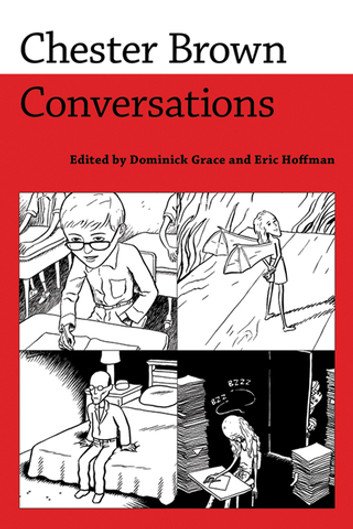
Description
Chester Brown Conversations: A Comprehensive Synopsis of the Definitive Interview Collection
Introduction: Understanding Chester Brown Conversations
Chester Brown Conversations is an essential collection in the Conversations with Comic Artists Series. Editors Dominick Grace and Eric Hoffman have compiled illuminating interviews with one of comics’ most provocative creators. This book offers readers unprecedented access to Brown’s creative mind. Furthermore, it explores his controversial works and artistic evolution over the decades.
What are Chester Brown Conversations?
This volume gathers interviews spanning Chester Brown’s entire career as a cartoonist. Moreover, the collection showcases conversations from various publications and time periods. Readers discover Brown’s thoughts on autobiography, sexuality, and artistic freedom. Additionally, the book reveals his creative process and philosophical beliefs.
The interviews range from early career discussions to recent reflections. Consequently, readers witness Brown’s artistic maturation and evolving perspectives. Each conversation provides unique insights into his groundbreaking work. Therefore, the collection serves as both biography and critical examination.
Who Is Chester Brown?
Chester Brown revolutionized alternative comics through his unflinching autobiographical work. His graphic novel Paying For It sparked international controversy and debate. Previously, his serialized work, I Never Liked You, redefined confessional comics. Similarly, his biblical adaptation Mary Wept Over the Feet of Jesus challenged religious conventions.
Brown’s career began with surreal, experimental comics in the 1980s. Subsequently, he shifted toward stark autobiographical narratives and historical subjects. His minimalist drawing style emphasizes emotional honesty over visual flourish. Thus, Brown’s work prioritizes psychological truth and intellectual rigor.
Key Topics Covered in Chester Brown Conversations
The interviews explore numerous themes central to Brown’s artistic vision. Specifically, conversations delve into his libertarian political philosophy and views on prostitution. Additionally, Brown discusses his decision to embrace paying for sex. Furthermore, he explains his rejection of romantic love and traditional relationships.
Editors Grace and Hoffman selected interviews that illuminate Brown’s creative methodology. Consequently, readers learn about his research process for historical works. The book also examines his influences, including Harold Gray and Charles Schulz. Moreover, Brown discusses his friendships with fellow cartoonists like Joe Matt and Seth.
Major Themes Explored
Chester Brown Conversations addresses several recurring subjects throughout the interviews:
- Autobiographical comics and the ethics of depicting real people
- Sex work, prostitution, and libertarian philosophy
- Religious themes and biblical reinterpretation
- Minimalist artistic techniques and storytelling approaches
- The alternative comics movement and its evolution
- Relationships with fellow cartoonists and collaborators
- Publishing decisions and creative independence
- Mental health, social anxiety, and personal struggles
The Editors’ Contributions to Chester Brown Conversations
Dominick Grace and Eric Hoffman bring scholarly expertise to this collection. Both editors have published extensively on comics and graphic novels. Therefore, their selection and arrangement of interviews demonstrates a deep understanding. Additionally, they provide contextual introductions that frame each conversation historically.
Grace specializes in Canadian literature and comics studies at Brescia University College. Meanwhile, Hoffman teaches English and has written extensively about alternative comics. Together, they ensure the collection serves both casual readers and academic researchers. Thus, their editorial work enhances accessibility without sacrificing intellectual depth.
The editors organized interviews chronologically to show Brown’s development over time. Furthermore, they include a comprehensive introduction outlining Brown’s career trajectory. This framework helps readers understand the evolution of Brown’s controversial positions—consequently, the book functions as both a primary source and a critical guide.
What Readers Will Discover
Readers gain intimate access to Brown’s creative thinking and personal philosophy. Moreover, the interviews reveal his meticulous research methods for historical projects. Brown discusses his controversial memoir Paying For It with remarkable candor. Additionally, he addresses criticism and defends his libertarian stance on sex work.
The collection illuminates Brown’s artistic influences and technical approaches. Furthermore, conversations explore his relationship with the Toronto comics community. Brown reflects on collaborations, friendships, and professional rivalries with unusual honesty. Therefore, readers understand the social context surrounding his work.
Insights Into Major Works
The interviews provide behind-the-scenes perspectives on Brown’s most significant publications. Specifically, Brown discusses the creation of Louis Riel, his acclaimed historical biography. He explains his research process and artistic choices in adapting Canadian history. Similarly, conversations examine The Playboy, his early autobiographical work about adolescent sexuality.
Brown addresses the public reaction to Paying For It in multiple interviews. Consequently, readers understand his motivations for documenting his experiences with prostitutes. He defends his position against feminist critics and explains his philosophical reasoning. Moreover, Brown discusses how the book affected his personal relationships and public reputation.
The Conversations with Comic Artists Series Context
Chester Brown Conversations belongs to the University Press of Mississippi’s acclaimed series. This series documents conversations with influential comics creators across multiple volumes. Previously published volumes feature Art Spiegelman, Will Eisner, and other legendary cartoonists. Therefore, Brown’s inclusion confirms his status as one of comics’ most important voices.
The series provides essential primary sources for comics scholarship and criticism. Furthermore, each volume follows consistent editorial standards ensuring quality and accessibility. Scholars, students, and enthusiasts rely on these collections for research and enjoyment. Consequently, the series has become indispensable for understanding the history of comics.
Controversial Topics and Honest Discussions
Brown addresses controversial subjects with remarkable directness throughout these conversations. Specifically, he discusses his decision to abandon romantic relationships entirely. He explains his belief that romantic love constitutes a harmful social construct. Additionally, Brown defends his choice to seek sexual satisfaction through prostitution exclusively.
These discussions challenge conventional morality and social expectations about relationships. Furthermore, Brown articulates libertarian arguments for decriminalizing sex work comprehensively. He criticizes what he perceives as paternalistic attitudes toward sex workers. Moreover, Brown argues that prostitution represents a legitimate and ethical transaction.
Religious and Political Philosophy
The interviews explore Brown’s complex relationship with Christianity and biblical texts. Although raised a Christian, Brown now identifies as an atheist or agnostic. Nevertheless, he remains fascinated by biblical narratives and religious history. Consequently, his graphic novel, Mary Wept Over the Feet of Jesus, provocatively reinterprets scripture.
Brown’s libertarian political philosophy emerges as a central theme throughout conversations. He advocates for minimal government intervention in personal and economic matters. Furthermore, Brown applies libertarian principles to debates about prostitution and drug legalization. Therefore, readers gain a comprehensive understanding of his ideological framework and motivations.
Artistic Technique and Creative Process
Chester Brown Conversations reveals the cartoonist’s distinctive minimalist approach to visual storytelling. Brown deliberately employs simple, unadorned drawing techniques to emphasize narrative clarity. Moreover, he discusses his rejection of conventional comic book dynamism and action. Instead, Brown prioritizes psychological realism and emotional authenticity in his panels.
The interviews detail Brown’s meticulous planning and research methodology for projects. Specifically, he describes spending years researching historical subjects before beginning artwork. Brown explains his process for adapting historical documents into compelling visual narratives. Additionally, he discusses technical decisions about panel layout, pacing, and visual rhythm.
Influences and Inspirations
Brown identifies several key influences that significantly shaped his artistic development. Harold Gray’s Little Orphan Annie profoundly impacted his approach to visual storytelling. Similarly, Charles Schulz’s Peanuts demonstrated the power of minimalist cartooning techniques. Furthermore, Brown cites underground comix creators like Robert Crumb as important inspirations.
The interviews explore how Brown synthesized diverse influences into his unique style. Consequently, readers understand the artistic lineage connecting Brown to the history of comics. He discusses both admiration for and disagreements with his predecessors’ approaches. Therefore, these conversations illuminate the evolution of alternative comics aesthetics.
The Toronto Comics Community
Brown’s relationships with fellow Toronto cartoonists feature prominently throughout these conversations. Specifically, his friendships with Joe Matt and Seth significantly shaped his career. The three cartoonists frequently depicted each other in their autobiographical works. Moreover, they provided mutual support and creative feedback during formative years.
However, Brown’s controversial personal choices strained some of these important relationships. His decision to pay for sex and reject romantic love created tensions. Furthermore, his public documentation of these choices in Paying For It affected friendships. Nevertheless, Brown discusses these complications with characteristic honesty and philosophical consistency.
Academic and Critical Reception
The interviews address how scholars and critics have interpreted Brown’s work. Brown responds to academic analyses of his autobiographical and historical comics. Moreover, he discusses disagreements with certain critical interpretations of his intentions. Additionally, Brown reflects on the growing academic legitimacy of comics studies.
Critics have praised Brown’s formal innovations and unflinching autobiographical honesty. However, feminist scholars have criticized his views on prostitution and relationships. Furthermore, some reviewers question the ethics of depicting real people in autobiographical comics. Consequently, Brown addresses these controversies directly in multiple conversations.
Who Should Read Chester Brown Conversations
This collection appeals to diverse audiences interested in comics and graphic novels. Comics scholars will find essential primary source material for research and analysis. Moreover, students studying graphic narratives benefit from Brown’s articulate self-reflection. Additionally, aspiring cartoonists gain valuable insights into professional creative practice.
Readers fascinated by controversial ideas and unconventional lifestyles will find Brown compelling. Furthermore, those interested in libertarian philosophy discover a thoughtful articulation of these principles. Fans of autobiographical comics learn about the genre’s possibilities and ethical complexities. Therefore, the book serves multiple readerships with different interests and perspectives.
Ideal Readers Include:
- Comics scholars and academic researchers studying graphic narratives
- Students in comics studies, literature, or visual arts programs
- Aspiring cartoonists seeking insights into professional creative processes
- Fans of alternative and independent comics movements
- Readers interested in libertarian political philosophy and ethics
- Those curious about unconventional approaches to relationships and sexuality
- Canadian literature enthusiasts exploring national cultural contributions
- Anyone fascinated by controversial artists and provocative ideas
The Value of Interview Collections
Chester Brown Conversations demonstrates the unique value of compiled interview collections. Unlike critical essays, interviews preserve the artist’s authentic voice and perspective. Moreover, conversations reveal spontaneous insights that formal writing might obscure. Additionally, multiple interviews across time show evolving thoughts and changing positions.
The chronological arrangement allows readers to trace Brown’s intellectual development organically. Furthermore, different interviewers elicit varied responses and explore distinct topics. Consequently, the collection provides a multifaceted understanding that is impossible from a single source. Therefore, Grace and Hoffman’s editorial work creates something greater than the sum of its parts.
Historical Context and Cultural Impact
The interviews situate Brown within the broader history of the alternative comics movement. Specifically, conversations explore the 1980s and 1990s independent comics renaissance. Brown discusses the economic and cultural conditions that enabled alternative cartoonists. Moreover, he reflects on how the industry has transformed since his career began.
Brown’s work significantly influenced subsequent generations of autobiographical and confessional cartoonists. Furthermore, his formal innovations inspired artists to explore minimalist visual storytelling techniques. The interviews document this influence and Brown’s awareness of his legacy. Consequently, readers understand Brown’s place within comics’ ongoing evolution.
Publishing and Creative Independence
Throughout these conversations, Brown discusses his relationship with publishers and creative control. He explains his decision to self-publish certain works through Drawn & Quarterly. Moreover, Brown addresses the economic realities of alternative comics publishing. Additionally, he reflects on maintaining artistic integrity while navigating commercial pressures.
Brown’s experiences illuminate broader issues facing independent cartoonists and alternative publishers. Furthermore, conversations explore how publishing decisions affect artistic freedom and creative vision. He discusses negotiations, contracts, and the business aspects of comics creation. Therefore, aspiring professionals gain practical insights alongside artistic inspiration.
Conclusion: An Essential Collection
Chester Brown Conversations offers indispensable insights into one of comics’ most provocative creators. Editors Dominick Grace and Eric Hoffman have assembled a comprehensive, thoughtfully organized collection. Moreover, the interviews span decades, providing a complete perspective on Brown’s career. Additionally, the book addresses controversial topics with intellectual honesty and philosophical rigor.
Readers discover Brown’s creative process, influences, and evolving philosophical positions throughout; furthermore, the collection documents important relationships within the Toronto comics community. Brown’s candid discussions of sexuality, politics, and artistic choices challenge conventional thinking. Therefore, this volume stands as essential reading for anyone interested in contemporary comics.
The Conversations with Comic Artists Series continues its tradition of excellence. Consequently, this Chester Brown volume deserves placement alongside other series highlights. Whether readers agree or disagree with Brown’s controversial positions, they’ll find stimulating ideas. Ultimately, Chester Brown Conversations preserves an important artistic voice for future generations.





Reviews
There are no reviews yet.