Description
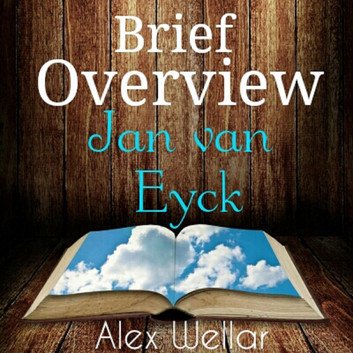
Brief Overview: Jan van Eyck by Eden Savette – Essential Guide to the Flemish Master
Eden Savette presents a concise introduction to one of art history’s most revolutionary figures. Jan van Eyck transformed European painting during the Early Northern Renaissance through unprecedented technical mastery. Furthermore, his innovations in oil painting changed artistic practice forever. This brief overview provides essential information for students, researchers, and art enthusiasts alike.
Born around 1390 in Maaseik, Jan van Eyck became the defining master of his era. He worked primarily in Bruges, Belgium, where he created breathtaking masterpieces. Moreover, he served as court painter to Philip the Good, Duke of Burgundy. His career spanned roughly three decades until he died in 1441.
Who Was Jan van Eyck?
Jan van Eyck stands as the supreme master of Early Netherlandish painting. He pioneered techniques that revolutionized how artists approached their craft entirely. Additionally, he achieved levels of realism previously thought impossible in painting. His work influenced generations of artists across Europe and beyond.
He served the Burgundian court with distinction for many years. This position provided financial security and access to wealthy patrons. Furthermore, it allowed him to work on ambitious projects without constraint. His courtly connections enabled him to create some of history’s finest artworks.
Jan van Eyck famously signed his paintings with the motto “Als Ik Kan.” This phrase translates to “As I Can” in English. Moreover, he meticulously dated many of his works on their frames. This practice was unusual for his time and demonstrates his pride.
His technical abilities seemed almost superhuman to contemporary observers. He could paint individual hairs, fabric textures, and reflective surfaces with astonishing accuracy. Nevertheless, his work transcended mere technical skill through profound emotional depth. Each painting reveals careful thought about composition, symbolism, and meaning.
Revolutionary Artistic Techniques
Jan van Eyck perfected oil painting techniques that transformed European art forever. He didn’t invent oil painting, but he refined it beyond recognition. Furthermore, his methods allowed unprecedented control over color, light, and detail. Artists across Europe soon enthusiastically adopted his revolutionary approaches.
His mastery of light remains one of his most remarkable achievements. He understood how light interacts with different surfaces and materials perfectly. Additionally, he could capture subtle gradations of tone with extraordinary precision. This skill made his paintings appear almost three-dimensional to viewers.
The level of detail in Jan van Eyck’s work still astounds modern observers. He painted microscopic elements that viewers can barely see without magnification. Moreover, these tiny details maintain perfect accuracy even under close examination. His patience and technical control were truly exceptional by any standard.
He achieved unprecedented realism through careful observation of the natural world. Every texture, reflection, and shadow appears exactly as it would in reality. Furthermore, he incorporated complex optical effects, demonstrating a deep understanding of vision. His paintings function almost like windows into another world entirely.
Jan van Eyck also pioneered new approaches to perspective and spatial representation. He masterfully created convincing three-dimensional spaces on flat surfaces. Additionally, he cleverly used mirrors and reflective surfaces to expand pictorial space. These innovations influenced painting for centuries after his death.
Jan van Eyck’s Masterpieces
The artist created numerous works that remain celebrated worldwide today. His paintings hang in major museums and attract millions of visitors annually. Moreover, scholars continue studying his techniques and symbolism intensively even now. Each masterpiece clearly demonstrates his extraordinary abilities and artistic vision.
His Most Famous Works Include:
- The Ghent Altarpiece (completed with brother Hubert van Eyck, 1432)
- The Arnolfini Portrait (1434, National Gallery, London)
- Portrait of a Man in a Turban (1433, possible self-portrait)
- Virgin of Canon van der Paele (1436, Groeningemuseum, Bruges)
- The Madonna of Chancellor Rolin (c. 1435, Louvre, Paris)
- Portrait of Margaret van Eyck (1439, his wife)
The Ghent Altarpiece represents one of art history’s most ambitious projects. This massive polyptych contains twelve panels depicting religious scenes with incredible detail. Furthermore, it showcases Jan van Eyck’s technical mastery at its absolute peak. The altarpiece remains in Saint Bavo’s Cathedral in Ghent, Belgium.
The Arnolfini Portrait demonstrates his genius for symbolism and hidden meanings. This double portrait shows a wealthy merchant and his wife surrounded by symbolic objects. Additionally, it includes a convex mirror reflecting the entire room and two witnesses. Scholars debate its exact meaning and purpose to this day.
His portrait work completely revolutionized how artists approached individual likenesses. Jan van Eyck captured not just physical appearance but also psychological presence. Moreover, he rendered clothing, jewelry, and accessories with meticulous accuracy. Each portrait effectively reveals the subject’s social status and personality.
Why This Book Matters
Eden Savette’s brief overview serves students and researchers seeking quick reference material. The concise format makes complex information easily accessible to general readers. Furthermore, it provides essential facts without overwhelming detail or academic jargon. This approach suits busy students preparing papers or presentations perfectly.
The book distills Jan van Eyck’s life and achievements into seven digestible pages. It covers his major works, techniques, and historical significance efficiently and clearly. Additionally, it provides proper context for understanding his place in art history. Readers gain foundational knowledge they can build upon through further study.
Art enthusiasts will appreciate the straightforward presentation of key information here. The text avoids unnecessary complexity while maintaining accuracy and scholarly rigor. Moreover, it highlights why Jan van Eyck remains relevant to contemporary audiences. This balance makes the book valuable for a variety of reading purposes.
Students writing research papers will find this overview particularly helpful initially. It provides a solid foundation for quickly understanding the artist’s contributions. Furthermore, it identifies major works and themes worth exploring in greater depth. The brief format allows readers to grasp essentials before diving deeper.
The accessible writing style makes Renaissance art history approachable for everyone interested. Savette avoids intimidating academic language that might unnecessarily discourage casual readers. Nevertheless, the content remains substantive and informative throughout the entire text. This combination of accessibility and substance defines the book’s primary strength.
Legacy and Influence of Jan van Eyck
Jan van Eyck’s influence on Western art cannot be overstated or underestimated. His technical innovations rapidly became standard practice for painters across Europe. Moreover, his approach to realism shaped artistic goals for generations afterward. Artists studied his methods intensively and tried replicating his effects.
The oil painting techniques he perfected remained dominant for five centuries. His layering methods, color mixing, and glazing approaches became foundational knowledge. Furthermore, artists from Italy to Spain enthusiastically adopted his innovations. The entire course of European painting changed because of his contributions.
His attention to detail inspired countless artists to observe nature more carefully. Jan van Eyck demonstrated that patient observation consistently yields extraordinary artistic results. Additionally, he showed that technical mastery serves deeper artistic and spiritual purposes. This philosophy fundamentally and permanently influenced how artists approached their craft.
Renaissance masters like Leonardo da Vinci studied Netherlandish painting techniques extensively. They recognized the superiority of oil painting over traditional tempera methods. Moreover, they incorporated Jan van Eyck’s attention to optical effects into their work. His influence spread throughout Italy and transformed Renaissance art completely.
Modern scholars continue to discover new aspects of Jan van Eyck’s genius regularly. Advanced imaging technology reveals hidden layers and techniques in his paintings. Furthermore, researchers uncover new symbolic meanings and historical contexts for his works. Each generation finds fresh reasons to study and admire his achievements.
His paintings remain among the most valuable and celebrated artworks worldwide. Museums consider owning a Jan van Eyck painting an extraordinary privilege and honor. Additionally, his works attract enormous crowds whenever they appear in special exhibitions. The public’s fascination with his art shows no signs of diminishing.
Conclusion
“Brief Overview: Jan van Eyck” by Eden Savette provides an essential introduction to this master. The book efficiently covers his life, techniques, major works, and lasting influence. Furthermore, it makes complex art history accessible to readers at all levels. Students, researchers, and enthusiasts will find valuable information within these pages.
Jan van Eyck transformed European painting through technical innovation and artistic vision. His perfection of oil painting techniques permanently changed the trajectory of art history. Moreover, his unprecedented realism set new standards that artists pursued for centuries. Understanding his contributions remains essential for anyone seriously studying Western art.
This brief overview serves as an excellent starting point for deeper exploration. It provides the foundational knowledge needed to appreciate Jan van Eyck’s genius fully. Additionally, it situates his work within the broader Early Northern Renaissance. Readers finish with a clear understanding of why he matters so profoundly.
The accessible format makes this book ideal for quick reference or initial research. Savette presents information clearly without sacrificing accuracy or important details unnecessarily. Furthermore, the concise approach respects readers’ time while delivering substantial content effectively. This combination makes the book a valuable resource for various purposes.
Jan van Eyck’s legacy endures because his art transcends its historical moment completely. His paintings speak powerfully to universal human experiences and emotions, even today. Moreover, his technical achievements continue to inspire artists and scholars across all disciplines. This brief overview ensures his story reaches new audiences and generations successfully.



Reviews
There are no reviews yet.