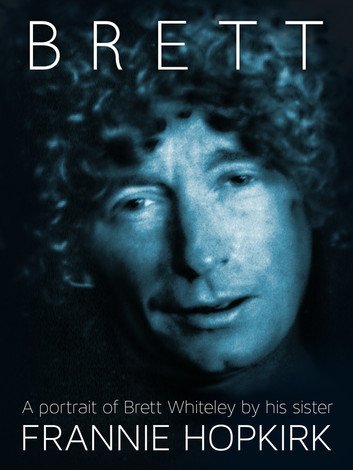
Description
Brett: A Portrait of Brett Whiteley by His Sister – Complete Synopsis
Brett Whiteley stands as one of Australia’s most celebrated and controversial artists. His sister, Frannie Hopkirk, offers an unprecedented intimate portrait in this remarkable biography. Through her eyes, readers discover the real Brett Whiteley – not just the public figure, but the brother she knew from childhood.
This 503-page volume published by Pan Macmillan Australia reveals the complex man behind the masterpieces. Moreover, it explores how Brett Whiteley transformed personal experiences into breathtaking art. Consequently, readers gain insights impossible to find elsewhere.
An Insider’s Perspective on Brett Whiteley’s Early Years
Frannie Hopkirk possessed a unique vantage point that no other biographer could claim. She watched her brother grow from a talented child into an artistic prodigy. Furthermore, she witnessed his first experiments with paint and form.
The siblings shared a childhood in Sydney that shaped Brett’s artistic vision. Additionally, Frannie recalls the family dynamics that influenced his creative development. Their parents recognized Brett’s exceptional talent early on. Therefore, they encouraged his artistic pursuits despite financial constraints.
The early chapters reveal Brett’s formative experiences in vivid detail. Frannie describes his obsession with drawing and painting as a young boy. Moreover, she recounts how he spent countless hours perfecting his technique.
His dedication set him apart from other children his age. Yet, he remained a loving and playful brother throughout these years. The family environment fostered creativity and intellectual curiosity. Consequently, Brett developed the confidence to pursue his unconventional path.
Brett Whiteley’s Rise to International Acclaim
Brett’s talent soon attracted attention beyond Australia’s shores. He won a traveling scholarship that took him to Europe in his early twenties. Furthermore, this opportunity transformed his artistic trajectory completely.
Frannie describes how Brett immersed himself in the European art scene. He studied the masters while developing his distinctive style. Additionally, he formed connections with influential artists and critics. His work began appearing in prestigious galleries across London and Paris.
The international art world embraced Brett’s innovative approach enthusiastically. His paintings combined technical brilliance with emotional depth. Moreover, they demonstrated a unique Australian perspective on universal themes. Critics praised his bold use of color and dynamic compositions.
Therefore, his reputation grew rapidly throughout the 1960s. Frannie shares letters and conversations from this exciting period. She reveals Brett’s excitement, doubts, and determination to succeed. Yet, she also hints at the pressures that accompanied sudden fame.
The Relationship Between Brett Whiteley’s Life and Art
This biography examines the inseparable connection between Brett’s experiences and his creations. Frannie explains how personal relationships influenced specific works. Furthermore, she identifies the emotions behind his most famous paintings. Brett transformed his joys, sorrows, and obsessions into visual poetry. His art served as both expression and therapy. Additionally, it documented his internal struggles and external observations.
The book explores Brett’s major artistic periods in chronological detail. Frannie discusses his early figurative works and their evolution. Moreover, she analyzes his landscape paintings of Sydney Harbor. These pieces captured the city’s beauty with unprecedented intensity. Brett’s portraits revealed psychological depths that captivated viewers.
Therefore, each phase of his career demonstrated remarkable growth. Frannie provides context that illuminates the meaning behind famous works. She shares stories about the circumstances surrounding their creation. Consequently, readers understand the paintings on a profoundly personal level.
Brett Whiteley’s Artistic Genius and Major Works
Brett’s technical mastery combined with visionary imagination produced extraordinary results. His paintings displayed virtuoso draftsmanship and bold experimentation. Furthermore, he worked across multiple mediums with equal skill. Frannie describes watching him work in his studio. She recalls his intense focus and perfectionist tendencies. Additionally, she explains his unique working methods and creative processes.
Several masterpieces receive detailed examination throughout the biography. Frannie discusses the iconic “Self Portrait in the Studio” series. Moreover, she explores the haunting “Alchemy” painting and its symbolism. Brett’s landscape works transformed familiar Sydney scenes into dreamlike visions.
His “Big Orange (Sunset)” demonstrated his ability to capture light. Therefore, collectors and museums competed to acquire his pieces. The book includes Frannie’s personal responses to these works. She reveals which paintings held special meaning for the family. Yet, she also acknowledges pieces that disturbed or puzzled her.
Fame, Success, and the Burden of Expectations
Brett’s success brought wealth, recognition, and immense pressure. He became a celebrity in Australia’s art world. Furthermore, media attention intensified as his prices soared. Frannie describes how fame affected her brother’s personality and relationships. The public demanded constant brilliance from their artistic hero. Additionally, Brett felt compelled to maintain his reputation. This pressure contributed to destructive patterns that emerged later.
The biography examines Brett’s complex relationship with success honestly. He enjoyed the financial rewards and public adulation. Moreover, he appreciated having resources to pursue ambitious projects.
Yet, fame also isolated him from normal life. Therefore, he struggled to maintain authentic connections with others. Frannie shares poignant moments when Brett expressed his frustrations. She recalls conversations about the cost of celebrity. Consequently, readers understand the paradox of achieving one’s dreams.
Personal Relationships and Emotional Landscape
Brett’s personal life was as intense as his artistic output. His marriage to Wendy Whiteley formed a central relationship. Furthermore, Wendy served as muse, partner, and collaborator. Frannie describes their passionate and sometimes turbulent connection. The couple’s relationship influenced Brett’s work profoundly. Additionally, Wendy provided stability during his most productive periods.
The book explores Brett’s friendships with other artists and intellectuals. He maintained connections with creative people worldwide. Moreover, these relationships stimulated his artistic development. Frannie shares anecdotes about gatherings at Brett’s studio.
She describes the vibrant community that surrounded him. Yet, she also notes his tendency toward isolation. Therefore, Brett oscillated between gregariousness and withdrawal. His emotional intensity affected everyone in his orbit. Consequently, relationships with Brett were never simple or predictable.
The Dark Side: Addiction and Decline
Frannie confronts the painful aspects of Brett’s life with courage. She documents his descent into heroin addiction honestly. Furthermore, she explains how drugs initially seemed to enhance creativity. Brett believed substances opened new perceptual doors. Additionally, many artists of his generation experimented similarly. However, addiction eventually consumed him completely.
The biography traces the devastating impact of Brett’s drug use. His health deteriorated as addiction tightened its grip. Moreover, his relationships suffered under the strain. Frannie describes her family’s desperate attempts to help him.
They tried interventions, rehabilitation programs, and emotional appeals. Yet, Brett’s addiction proved stronger than their efforts. Therefore, they watched helplessly as he declined. The book doesn’t sensationalize this tragedy. Instead, Frannie presents it with heartbreaking clarity and compassion.
Artistic Output During the Struggle
Remarkably, Brett continued creating powerful work despite his addiction. Some of his most haunting pieces emerged during this period. Furthermore, his art reflected his internal torment. Frannie analyzes paintings that reveal his psychological state. The work became darker and more introspective. Additionally, it displayed technical brilliance alongside emotional anguish.
Brett’s productivity fluctuated wildly during these years. He experienced periods of intense creativity followed by paralysis. Moreover, addiction affected his ability to complete projects. Frannie describes unfinished canvases and abandoned ideas. Yet, when he managed to work, the results remained extraordinary. Therefore, his reputation survived despite personal chaos. Collectors still sought his paintings eagerly. Consequently, financial success continued even as his life unraveled.
Family Bonds and Sisterly Love
Throughout the biography, Frannie’s love for her brother shines clearly. She never abandons hope or stops caring deeply. Furthermore, she maintains perspective on both his genius and flaws. The book reveals the special bond between siblings. Frannie understood Brett in ways others couldn’t. Additionally, she forgave behaviors that alienated many people.
The narrative includes touching memories from throughout their lives. Frannie recalls childhood adventures and adult conversations. Moreover, she shares moments of connection during Brett’s darkest periods. These passages reveal the man behind the artist. Brett could be generous, funny, and surprisingly vulnerable. Yet, addiction transformed him into someone almost unrecognizable. Therefore, Frannie grieved for her brother long before his death. The book honors their relationship with honesty and tenderness.
Brett Whiteley’s Final Years and Legacy
The biography chronicles Brett’s last years with unflinching detail. His health problems multiplied as addiction progressed. Furthermore, he became increasingly isolated from former friends. Frannie describes her final visits and conversations with him. She recognized the signs of impending tragedy. Additionally, she tried desperately to reach him emotionally.
Brett Whiteley died in 1992 in a motel room. The circumstances were tragic and sordid. Moreover, his death shocked Australia’s art community. Frannie shares her grief and the family’s devastation. Yet, she also celebrates his extraordinary artistic legacy.
Therefore, the book ends with reflection rather than despair. Brett left behind a body of work that continues inspiring people. His paintings hang in major museums worldwide. Consequently, his artistic vision achieved the immortality he sought.
Understanding the Artist Through Family Eyes
This biography offers insights impossible to obtain elsewhere. Frannie knew Brett before fame transformed him. Furthermore, she maintained connection throughout his tumultuous life. Her perspective combines intimacy with critical distance. She loves her brother while acknowledging his destructive choices. Additionally, she understands his art from a unique vantage point.
The book examines how Brett’s personality shaped his artistic vision. His intensity, sensitivity, and perfectionism all influenced his work. Moreover, his struggles with addiction affected his creative output. Frannie connects biographical details to specific paintings. She explains the personal context behind public masterpieces. Therefore, readers gain deeper appreciation for Brett’s achievements. The biography humanizes a figure often treated as merely legendary.
Key Themes Explored Throughout the Biography
Several major themes emerge throughout this 503-page portrait:
- The relationship between artistic genius and personal demons
- How family dynamics shape creative development
- The cost of fame and public expectations
- Addiction’s devastating impact on talent and relationships
- The Australian art scene during Brett’s career
- The connection between life experiences and artistic output
- Sibling bonds that survive tragedy and transformation
- The legacy artists leave beyond their physical lives
Moreover, Frannie explores the nature of creativity itself. She questions whether Brett’s intensity was necessary for his genius. Additionally, she wonders if intervention could have saved him. These reflections add philosophical depth to the narrative. Therefore, the book transcends simple biography. It becomes meditation on art, family, and human fragility.
The Writing Style and Approach
Frannie Hopkirk writes with clarity, honesty, and emotional intelligence. She avoids hagiography while celebrating Brett’s achievements. Furthermore, she presents difficult truths without sensationalism. Her prose combines personal warmth with journalistic rigor. The narrative flows chronologically while exploring thematic connections. Additionally, she includes relevant historical and cultural context.
The book balances multiple perspectives effectively. Frannie shares her own memories and interpretations. Moreover, she incorporates others’ recollections and assessments. She quotes letters, interviews, and contemporary reviews. Yet, her voice remains central throughout. Therefore, readers experience Brett’s life through sisterly eyes. The approach creates intimacy while maintaining credibility. Consequently, the biography feels both personal and authoritative.
Critical Reception and Cultural Impact
Published by Pan Macmillan Australia, this biography filled a significant gap. Previous books about Brett lacked insider perspective. Furthermore, many focused primarily on scandal rather than substance. Frannie’s account provided balance and depth. Critics praised her honesty and literary skill. Additionally, readers appreciated the intimate revelations.
The book contributed importantly to understanding Australian art history. It documented a crucial period in the nation’s cultural development. Moreover, it preserved memories that might otherwise have been lost. Art historians now reference Frannie’s insights regularly. Therefore, the biography serves both general and academic audiences. It remains essential reading for anyone interested in Brett’s work. Consequently, the book ensures his story will be remembered accurately.
Why This Biography Matters
“Brett: A Portrait of Brett Whiteley by His Sister” offers irreplaceable value. Only Frannie could have written this particular book. Furthermore, her timing proved crucial for preserving memories. She interviewed people while recollections remained fresh. Additionally, she accessed personal materials unavailable to other biographers. The result is a definitive portrait of a complex artist.
The biography serves multiple purposes simultaneously. It documents an important artistic life comprehensively. Moreover, it explores universal themes about creativity and addiction. It honors a beloved brother while acknowledging painful truths. Therefore, the book resonates on multiple levels. Readers interested in art, biography, or family dynamics find value here. Consequently, Frannie created something both specific and universal.
Conclusion: A Sister’s Enduring Tribute
Frannie Hopkirk’s biography stands as a profound act of love. She spent years researching, remembering, and writing this portrait. Furthermore, she confronted painful memories to honor her brother truthfully. The resulting 503-page volume captures Brett Whiteley’s essence completely. It presents his genius, charm, struggles, and ultimate tragedy. Additionally, it preserves his memory for future generations.
This book ensures Brett’s story will be told accurately. Frannie’s insider perspective provides irreplaceable authenticity.
Moreover, her literary skill makes the narrative compelling and accessible. Readers finish the biography understanding both the artist and the man. They appreciate his extraordinary achievements while recognizing his human frailty. Therefore, “Brett: A Portrait of Brett Whiteley by His Sister” achieves its ambitious goals.
It creates a lasting monument to a remarkable Australian artist. Consequently, Frannie has given her brother the tribute he deserves. The book stands as testament to sibling love, artistic genius, and the enduring power of creative vision.




Reviews
There are no reviews yet.