Description
Big Eyes: The Screenplay – A Story of Art, Deception, and Justice
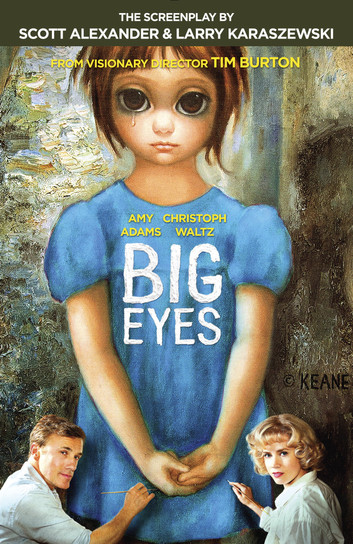
“Big Eyes: The Screenplay” by Scott Alexander and Larry Karaszewski tells the remarkable true story of artist Margaret Keane. This screenplay captures one of the art world’s most audacious frauds. Furthermore, it reveals how one woman fought to reclaim her identity and artistic legacy.
The script explores themes of creativity, gender inequality, and personal courage. Moreover, it demonstrates how truth ultimately prevails over deception.
The True Story Behind Big Eyes
Margaret Keane painted waif-like children with enormous, soulful eyes during the 1950s and 1960s. Her distinctive style captivated millions of Americans and became a cultural phenomenon. However, her husband, Walter Keane, claimed credit for every single painting.
Walter promoted himself as the artistic genius behind the big-eyed portraits. He sold the paintings for enormous sums and became internationally famous. Meanwhile, Margaret painted in secret, trapped in a web of lies.
The screenplay chronicles Margaret’s journey from struggling single mother to celebrated artist. She married Walter Keane, hoping for stability and partnership in the art world. Instead, she found herself silenced and exploited by the man she trusted.
Walter’s charisma and salesmanship made the paintings wildly popular across America. He convinced galleries, collectors, and the public that he created the works. Therefore, Margaret’s talent remained hidden while Walter enjoyed fame and fortune.
A Decade of Deception and Control
The central conflict revolves around Walter’s elaborate fraud and Margaret’s complicity through silence. He controlled every aspect of their lives and ruthlessly maintained the deception. Furthermore, he threatened Margaret with consequences if she revealed the truth.
Margaret continued painting in isolation, while Walter took public credit at exhibitions and interviews. The strain of living this lie took an enormous emotional toll on her. Additionally, she struggled with the moral weight of the ongoing deception.
The screenplay explores several key themes:
- The erasure of women artists in male-dominated creative fields
- The conflict between commercial success and artistic integrity
- The psychological impact of living a lie for years
- The courage required to reclaim one’s identity and truth
- The relationship between art, authenticity, and public perception
Walter became one of the art world’s most successful frauds through sheer audacity. He convinced critics, buyers, and the media of his artistic genius. Moreover, he built an empire on Margaret’s hidden talent and labor.
The big-eyed paintings became ubiquitous in American homes during this era. They represented accessible art that ordinary people could afford and appreciate. However, the art establishment dismissed them as kitsch and lowbrow commercial products.
The Legal Battle That Exposed the Truth
Margaret eventually left Walter and moved to Hawaii to start a new life. She began signing her own paintings and publicly claiming authorship of the works. Consequently, Walter sued her for defamation, leading to a dramatic courtroom showdown.
The trial became a media sensation and cultural moment in the 1970s. The judge ordered both Margaret and Walter to paint in the courtroom. This unprecedented “paint-off” would prove who actually created the big-eyed children.
Margaret completed a painting in under an hour, demonstrating her skill and speed. Walter claimed various ailments prevented him from painting and produced nothing. Therefore, the jury ruled in Margaret’s favor and exposed the decade-long fraud.
The courtroom scene represents the screenplay’s dramatic climax and emotional catharsis. Margaret finally received public recognition for her artistic achievements and creative vision. Additionally, she reclaimed her identity after years of erasure and silence.
The Screenwriters’ Masterful Approach
Scott Alexander and Larry Karaszewski specialize in biographical screenplays about unusual historical figures. They previously wrote “Ed Wood” and “The People vs. Larry Flynt.” Furthermore, their work consistently explores outsiders and unconventional American stories.
The screenplay balances period detail with emotional authenticity and compelling character development. It captures the art world of the 1950s and 1960s with vivid specificity. Moreover, it makes Margaret’s internal struggle accessible and deeply moving for audiences.
Alexander and Karaszewski structure the narrative to build tension gradually toward the courtroom revelation. They develop Walter as a complex antagonist rather than a simple villain. Therefore, the screenplay offers psychological depth alongside its dramatic plot.
The writers highlight the gender dynamics that enabled Walter’s fraud for so long. Society expected women to defer to male authority in creative and professional matters. Additionally, the art establishment dismissed work that appealed to popular tastes.
Cultural Significance and Lasting Impact
“Big Eyes: The Screenplay” documents an important chapter in art history and women’s history. It reveals how talented women artists faced systematic erasure and exploitation. Furthermore, it celebrates Margaret Keane’s courage in fighting for recognition and justice.
The screenplay challenges assumptions about artistic value, authenticity, and commercial success. It questions who decides what constitutes legitimate art versus kitsch. Moreover, it examines how gender bias shapes critical reception and historical memory.
Margaret’s story resonates with contemporary discussions about women’s creative contributions and intellectual property. Her experience reflects broader patterns of male appropriation of female labor and talent. Therefore, the screenplay remains culturally relevant beyond its historical setting.
Why This Screenplay Matters
This published screenplay offers readers insight into the craft of biographical storytelling. It demonstrates how writers transform true events into compelling dramatic narratives. Additionally, it preserves an important story about art, justice, and personal courage.
Readers gain appreciation for Margaret Keane’s artistic vision and personal strength. The screenplay reveals the human cost of deception and the power of truth. Furthermore, it celebrates an artist who refused to remain silent and invisible.
“Big Eyes: The Screenplay” serves both as entertainment and as a historical document. It honors Margaret Keane’s legacy while exposing the mechanisms of artistic fraud. Therefore, it deserves recognition as an important contribution to biographical cinema and women’s history.





Reviews
There are no reviews yet.