

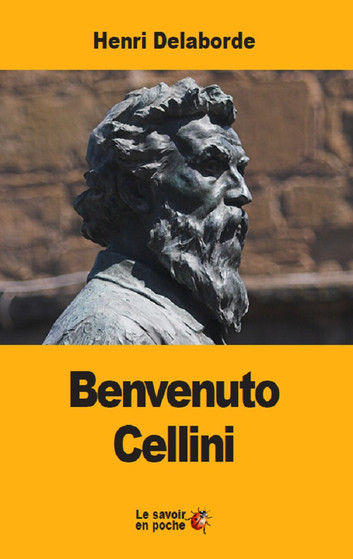
Description
Benvenuto Cellini: Henri Delaborde’s Portrait of a Renaissance Master
Benvenuto Cellini stands as one of the Renaissance’s most fascinating and controversial figures. Henri Delaborde’s biographical work captures the essence of this extraordinary artist. Moreover, it reveals the turbulent life behind the magnificent sculptures and goldsmith works. This comprehensive study brings Cellini’s world vividly to life for modern readers.
Understanding Delaborde’s Approach
Henri Delaborde wrote this biography during the 19th century. He approached Cellini’s life with scholarly rigor and artistic appreciation. Furthermore, Delaborde drew heavily from Cellini’s own famous autobiography. However, he added critical analysis and historical context throughout. The result is both informative and engaging for readers.
Delaborde examines Cellini through multiple lenses simultaneously. He considers the artist, the craftsman, and the Renaissance man. Additionally, he explores Cellini’s complex personality and moral contradictions. The biography doesn’t shy away from uncomfortable truths about its subject.
Early Life and Training in Florence
Benvenuto Cellini was born in Florence in 1500. His father wanted him to become a musician initially. Nevertheless, young Cellini felt drawn to the visual arts instead. He apprenticed with goldsmiths and quickly showed exceptional talent.
Florence during this period buzzed with artistic innovation and creativity. Cellini absorbed influences from masters like Michelangelo and Leonardo da Vinci. Moreover, he developed his own distinctive style and technique. His early works already displayed remarkable skill and originality.
The young artist’s temperament proved as fiery as his talent. He frequently quarreled with rivals and authority figures alike. Therefore, his early career was marked by both triumphs and troubles. Yet his genius remained undeniable to all who witnessed it.
Rise to Fame as a Goldsmith
Cellini established himself as Rome’s premier goldsmith by his twenties. Popes and cardinals commissioned elaborate works from his workshop. Furthermore, his reputation spread throughout Italy and beyond its borders. He created jewelry, medals, and ceremonial objects of breathtaking beauty.
His technical mastery set new standards for the goldsmith’s craft. Cellini combined precious metals with gems in innovative ways. Additionally, he incorporated sculptural elements into functional objects brilliantly. Each piece demonstrated both artistic vision and technical perfection.
Delaborde describes these works with careful attention to detail. He explains the techniques Cellini pioneered and perfected over time. Moreover, he contextualizes them within Renaissance artistic movements and patronage systems. The goldsmith works reveal Cellini’s genius in miniature form.
Major Artistic Achievements
Cellini’s most celebrated works include several monumental sculptures and masterpieces:
- Perseus with the Head of Medusa: His bronze masterpiece in Florence’s Loggia dei Lanzi
- The Saliera: An elaborate gold salt cellar created for King Francis I
- Nymph of Fontainebleau: A bronze relief for the French royal palace
- Bust of Cosimo I de’ Medici: A powerful portrait in bronze
- Apollo and Hyacinth: A marble sculpture showcasing his versatility
- Crucifix: A devotional work demonstrating his spiritual side
The French Period and Royal Patronage
King Francis I of France invited Cellini to his court. The artist spent several productive years working for the French monarch. However, court life brought new challenges and political intrigues to navigate. Cellini created some of his finest works during this period.
The famous Saliera salt cellar epitomizes Renaissance decorative arts. It features elaborate allegorical figures representing Sea and Earth. Moreover, the craftsmanship displays Cellini’s unparalleled skill with precious metals. Francis I treasured this piece above many larger artworks.
Yet Cellini’s volatile personality created problems even in France. He clashed with other artists and courtiers repeatedly throughout his stay. Therefore, his relationship with the French court eventually soured completely. He returned to Italy seeking new opportunities and patrons.
Return to Florence and the Perseus
Duke Cosimo I de’ Medici became Cellini’s most important patron. He commissioned the monumental bronze Perseus statue for Florence. Furthermore, this work would become Cellini’s crowning achievement and lasting legacy. The casting process itself became legendary for its drama.
Delaborde recounts the famous story of Perseus’s creation in vivid detail. Cellini faced numerous technical challenges during the bronze casting process. Moreover, he fell ill at the critical moment when the metal flowed. Nevertheless, he rallied and saved the casting through sheer determination.
The finished Perseus stands as a triumph of Renaissance sculpture. It captures dynamic movement and anatomical precision in bronze perfectly. Additionally, the elaborate base features smaller bronze figures and reliefs. The entire composition demonstrates Cellini’s mastery of his craft.
Cellini’s Turbulent Personal Life
Benvenuto Cellini’s personal life was as dramatic as his art. He killed at least two men during various quarrels and disputes. Furthermore, he spent time imprisoned in Castel Sant’Angelo in Rome. His autobiography reveals a man of passionate extremes and contradictions.
Delaborde examines these darker aspects of Cellini’s character honestly. He doesn’t excuse the violence or moral failings of his subject. However, he contextualizes them within Renaissance Italian culture and norms. The biography presents a complete portrait of the artist.
Cellini’s relationships with patrons, rivals, and lovers were equally tempestuous. He made enemies easily but also inspired fierce loyalty in followers. Therefore, his life story reads like an adventure novel at times. Yet his artistic achievements ultimately transcend his personal flaws.
Artistic Legacy and Influence
Cellini’s influence on subsequent generations of artists proved substantial and lasting. His technical innovations in bronze casting advanced the entire field. Moreover, his autobiography inspired countless artists to document their own lives. He helped establish the artist as individual genius rather than craftsman.
The Mannerist style found perfect expression in Cellini’s elegant, elongated figures. His work bridged High Renaissance classicism and Baroque dynamism beautifully. Additionally, he elevated decorative arts to the status of fine art. Goldsmiths and sculptors studied his techniques for centuries afterward.
Delaborde’s Critical Assessment
Henri Delaborde balances admiration with critical analysis throughout his biography. He acknowledges Cellini’s genius while noting his significant character flaws. Furthermore, he places the artist within broader Renaissance cultural contexts effectively. The biography serves both scholarly and general readers well.
Delaborde’s 19th-century perspective adds its own historical interest today. He writes with Victorian sensibilities about Renaissance excess and violence. Nevertheless, his appreciation for Cellini’s artistry remains genuine and insightful. The biography has endured as an important source on Cellini’s life.
Conclusion: A Renaissance Life Fully Lived
Benvenuto Cellini embodied the Renaissance spirit in all its glory and contradiction. His life combined artistic brilliance with personal turbulence and moral complexity. Moreover, his works continue to inspire and amaze viewers centuries later. Delaborde’s biography captures this remarkable figure with scholarly depth and narrative flair.
The book reveals how genius and flawed humanity coexist in one person. Cellini created beauty while living a life of violence and passion. Therefore, his story reminds us that great art transcends its creator’s limitations. This biography remains essential reading for anyone interested in Renaissance art and culture.






Reviews
There are no reviews yet