

Description
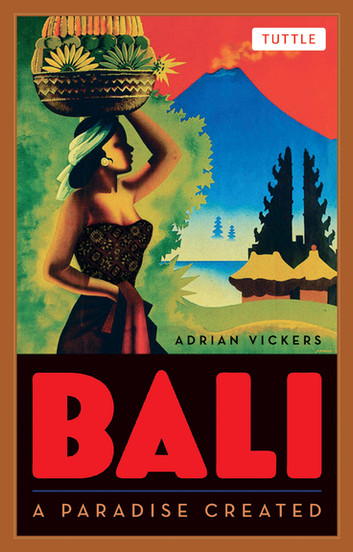
Bali: A Paradise Created by Adrian Vickers
Uncover How the West Invented an Island Paradise
Bali: A Paradise Created by Adrian Vickers reveals the fascinating story behind one of the world’s most romanticized destinations. This groundbreaking cultural history examines how Western perceptions shaped Bali’s image as an earthly paradise. Moreover, it contrasts these constructed images with authentic Balinese culture and self-understanding. The book offers essential insights for anyone interested in cultural history and Southeast Asian studies.
Understanding Bali: A Paradise Created and Its Central Thesis
Adrian Vickers presents a compelling argument about cultural construction and perception. Western artists, writers, and filmmakers created an idealized vision of Bali. Furthermore, this vision often diverged dramatically from Balinese reality and self-image. The book traces how these perceptions evolved from colonial times to modern tourism.
Vickers examines the gap between Western fantasy and Balinese experience. The island became a projection screen for Western desires and dreams. Additionally, these constructed images profoundly influenced how the world views Bali today. Thus, understanding this process reveals much about cultural power and representation.
The Colonial Origins of Paradise
European colonizers first encountered Bali in the nineteenth century. They brought preconceived notions about tropical islands and exotic cultures. Moreover, they interpreted everything through their own cultural lenses and assumptions. These early encounters established patterns that would persist for generations.
Dutch colonial administrators played a crucial role in shaping Bali’s image. They promoted certain aspects of Balinese culture while suppressing others. Furthermore, they created narratives that justified colonial rule and exploitation. Hence, the paradise image served political and economic purposes from the beginning.
Colonial photography and early travel writing spread these constructed images worldwide. Europeans saw what they expected to see rather than reality. Additionally, they emphasized elements that confirmed their preexisting beliefs about paradise. Therefore, authentic Balinese voices remained largely unheard in these early representations.
The 1930s: Artists and Writers Transform Bali’s Image
The 1930s marked a pivotal decade in Bali’s cultural construction. Western artists and writers flocked to the island in unprecedented numbers. Moreover, they produced works that would define Bali’s image for decades. This creative explosion fundamentally altered how the world perceived the island.
Several influential figures shaped this transformation during the 1930s:
- Walter Spies, German painter and musician who became Bali’s cultural ambassador
- Margaret Mead and Gregory Bateson, anthropologists who studied Balinese culture extensively
- Miguel Covarrubias, Mexican artist whose book “Island of Bali” became hugely influential
- Charlie Chaplin and other Hollywood celebrities who visited and publicized the island
- Vicki Baum, novelist whose “A Tale from Bali” reached millions of readers
These creators emphasized Bali’s artistic traditions, religious ceremonies, and natural beauty. They portrayed the island as an unspoiled paradise untouched by modernity. Furthermore, they romanticized Balinese life while ignoring poverty, disease, and colonial oppression. Thus, their work created a powerful but incomplete picture of reality.
Western Art Movements and Balinese Influence
Balinese art profoundly influenced Western modernist movements during the twentieth century. European and American artists found inspiration in Balinese painting, sculpture, and performance. Moreover, they incorporated Balinese aesthetic principles into their own creative work. This cultural exchange flowed primarily in one direction, however.
Western artists admired Balinese art’s spiritual depth and technical sophistication. They saw it as an alternative to Western materialism and rationalism. Additionally, they believed Balinese culture preserved authentic human creativity and expression. Nevertheless, they often misunderstood the cultural context and religious significance.
The influence extended beyond visual arts into music and dance. Balinese gamelan music fascinated Western composers seeking new sonic possibilities. Furthermore, Balinese dance inspired choreographers throughout Europe and America. Hence, the island’s cultural impact reached far beyond its small geographic size.
Hollywood and the Cinematic Construction of Paradise
Bali: A Paradise Created examines how film shaped global perceptions of the island. Hollywood discovered Bali in the 1930s and immediately recognized its cinematic potential. Moreover, filmmakers used the island as an exotic backdrop for romantic fantasies. These films reached millions of viewers worldwide with powerful visual messages.
Early films emphasized Bali’s lush landscapes, beautiful people, and mysterious rituals. They created a dreamlike atmosphere that seemed far removed from everyday reality. Additionally, they reinforced stereotypes about tropical islands and their supposedly simple inhabitants. Therefore, cinema became perhaps the most powerful medium for constructing paradise.
Documentary films also contributed to this constructed image despite claiming objectivity. They selected and framed footage to confirm Western expectations about paradise. Furthermore, they rarely included Balinese perspectives or challenged romantic assumptions. Thus, even supposedly factual films participated in the cultural construction process.
Literature and the Written Paradise
Writers played an equally important role in creating Bali’s paradise image. Travel narratives, novels, and poetry presented the island through Western literary conventions. Moreover, these texts reached educated audiences who then spread these ideas further. The written word gave intellectual legitimacy to romanticized perceptions.
Travel writers emphasized Bali’s difference from Western industrial society. They portrayed the island as a refuge from modernity’s stresses and complications. Additionally, they described Balinese people as naturally artistic, spiritual, and content. Nevertheless, these descriptions revealed more about Western anxieties than Balinese reality.
Novels set in Bali often featured Western protagonists discovering themselves through island experiences. These stories followed familiar colonial narrative patterns about exotic locations. Furthermore, they positioned Bali as a place for Western transformation and enlightenment. Hence, Balinese people became supporting characters in Western spiritual journeys.
Music and the Sounds of Paradise
Balinese gamelan music captivated Western composers and musicians throughout the twentieth century. The complex rhythms and shimmering tones seemed utterly foreign to European ears. Moreover, composers incorporated gamelan elements into their own experimental compositions. This musical influence spread through concert halls and recording studios worldwide.
Claude Debussy first encountered gamelan at the 1889 Paris Exposition. The experience profoundly influenced his compositional approach and harmonic language. Additionally, later composers like Benjamin Britten and Steve Reich studied gamelan extensively. Therefore, Balinese music contributed significantly to Western musical modernism’s development.
However, Western musicians often extracted gamelan from its cultural and religious context. They appreciated the sound while ignoring the spiritual meanings and social functions. Furthermore, they adapted gamelan principles to Western instruments and musical structures. Thus, the influence involved transformation and appropriation rather than genuine cultural exchange.
Balinese Self-Image Versus Western Projections
Vickers carefully examines how Balinese people viewed themselves and their culture. Their self-understanding differed dramatically from Western romantic projections about paradise. Moreover, Balinese society possessed complexity, conflict, and change that Western observers ignored. The book reveals these crucial differences with scholarly precision and cultural sensitivity.
Balinese culture emphasized community obligations, religious duties, and social hierarchies. Life involved hard agricultural work, not leisurely paradise existence. Additionally, Balinese people navigated complex social relationships and religious requirements daily. Nevertheless, Western observers focused on ceremonies and arts while ignoring everyday realities.
The Balinese also possessed their own sophisticated understanding of their island’s history. They maintained oral traditions and written chronicles documenting centuries of change. Furthermore, they understood their culture as dynamic rather than timelessly unchanging. Hence, the static paradise image contradicted Balinese historical consciousness and self-awareness.
Tourism and the Commercialization of Paradise
Modern tourism transformed how paradise images functioned in Balinese society. The island became economically dependent on fulfilling Western expectations about paradise. Moreover, Balinese people learned to perform their culture for tourist consumption. This created complex dynamics between authenticity, performance, and economic survival.
Tourism brought economic benefits but also significant cultural challenges. Balinese communities adapted traditional ceremonies to accommodate tourist schedules and cameras. Additionally, they created new “traditional” performances specifically for tourist audiences. Therefore, the line between authentic culture and staged performance became increasingly blurred.
Bali: A Paradise Created analyzes how tourism changed both Western perceptions and Balinese self-presentation. The paradise image became a commodity that generated income and employment. Furthermore, Balinese people developed sophisticated strategies for managing tourist expectations while preserving cultural integrity. Thus, they became active participants in constructing and maintaining the paradise image.
The Power Dynamics of Cultural Representation
Vickers emphasizes the unequal power relationships underlying Bali’s paradise construction. Western observers possessed the economic and cultural power to define the island globally. Moreover, their representations reached vast audiences while Balinese voices remained marginalized. This imbalance reflected broader colonial and postcolonial power structures.
Western representations served Western interests rather than Balinese needs or perspectives. The paradise image attracted tourists and justified various forms of intervention. Additionally, it allowed Westerners to feel they understood Balinese culture without genuine engagement. Nevertheless, these representations profoundly affected how Balinese people experienced their own culture.
The book examines how Balinese people resisted, adapted, and sometimes embraced Western representations. They developed strategies for maintaining cultural autonomy while participating in tourism economies. Furthermore, they created their own counter-narratives that challenged simplistic paradise images. Hence, cultural representation became a site of ongoing negotiation and contestation.
Environmental and Social Realities Behind the Image
The paradise image obscured serious environmental and social challenges facing Bali. Rapid tourism development created pollution, water shortages, and habitat destruction. Moreover, economic inequality increased as tourism benefits concentrated among certain groups. These realities contradicted the timeless paradise that Western observers wanted to see.
Traditional agricultural systems faced pressure from tourism development and population growth. Rice terraces that symbolized paradise for tourists required intensive labor and resources. Additionally, younger Balinese people increasingly abandoned farming for tourism-related employment. Therefore, the landscape that defined paradise was actually under significant stress.
Social problems including poverty, crime, and cultural dislocation also challenged paradise narratives. Balinese society experienced rapid change and modernization like communities everywhere. Furthermore, globalization brought both opportunities and disruptions to traditional social structures. Thus, the static paradise image bore little resemblance to dynamic contemporary reality.
Academic Approaches to Cultural Construction
Vickers employs sophisticated theoretical frameworks to analyze Bali’s paradise construction. He draws on postcolonial theory, cultural studies, and anthropological methods. Moreover, he examines primary sources including texts, images, and films with critical rigor. The book demonstrates how academic analysis can illuminate cultural representation processes.
The author challenges earlier scholarly work that uncritically accepted paradise narratives. He reveals how even anthropologists sometimes reinforced romantic stereotypes about Bali. Additionally, he shows how academic authority legitimized constructed images as objective truth. Nevertheless, he acknowledges the genuine insights that earlier scholars contributed.
This academic approach helps readers understand broader patterns of cultural representation. The Balinese case illustrates how powerful groups construct images of less powerful cultures. Furthermore, it demonstrates how these constructed images serve specific political and economic interests. Hence, the book offers lessons applicable far beyond Bali itself.
Contemporary Implications and Ongoing Debates
The paradise construction process continues affecting Bali in the twenty-first century. Social media and digital technology create new platforms for representing the island. Moreover, mass tourism has intensified to levels that threaten cultural and environmental sustainability. Understanding historical construction processes helps address contemporary challenges.
Balinese people increasingly assert control over how their culture is represented globally. They use digital media to share their own perspectives and counter stereotypes. Additionally, cultural activists work to preserve traditions while adapting to modern realities. Therefore, the power dynamics of representation are gradually shifting.
However, economic dependence on tourism makes completely rejecting paradise images difficult. Balinese communities must balance cultural integrity with economic necessity. Furthermore, they navigate between preserving traditions and embracing beneficial changes. Thus, the tensions that Vickers analyzes remain relevant and unresolved today.
Why This Book Matters for Cultural Understanding
Bali: A Paradise Created offers crucial insights into how cultural representation works. It reveals the constructed nature of images we often accept as natural. Moreover, it demonstrates how representation involves power relationships and serves specific interests. These lessons apply to understanding cultural dynamics worldwide.
The book helps readers develop critical perspectives on travel, tourism, and cultural difference. It encourages questioning romantic assumptions about exotic destinations and their inhabitants. Additionally, it promotes awareness of how our perceptions are shaped by cultural forces. Therefore, it contributes to more ethical and informed cross-cultural engagement.
Vickers also provides a model for rigorous cultural history that respects complexity. He avoids both uncritical celebration and dismissive condemnation of Western representations. Furthermore, he acknowledges Balinese agency while recognizing structural power imbalances. Hence, the book demonstrates sophisticated scholarly analysis of sensitive cultural issues.
For Students, Scholars, and Thoughtful Travelers
This book appeals to diverse audiences interested in culture, history, and travel. Students of anthropology, cultural studies, and Southeast Asian history find essential theoretical frameworks. Moreover, scholars gain detailed historical analysis supported by extensive primary research. The accessible writing style makes complex ideas understandable without oversimplification.
Thoughtful travelers will discover new perspectives on destinations they visit or plan to visit. The book encourages moving beyond superficial tourist experiences toward genuine cultural understanding. Additionally, it provides historical context that enriches travel experiences and cultural encounters. Therefore, it serves both academic and practical purposes effectively.
Anyone interested in how images shape reality will find this book valuable. It demonstrates that paradise is not discovered but created through representation. Furthermore, it shows how these created images have real consequences for actual people. Thus, it combines theoretical sophistication with practical relevance and human significance.
Conclusion: Rethinking Paradise and Cultural Representation
Adrian Vickers’ Bali: A Paradise Created fundamentally challenges how we understand cultural representation. The book reveals that Bali’s paradise image resulted from specific historical processes and power relationships. Moreover, it demonstrates the gap between Western projections and Balinese realities. This groundbreaking analysis transforms how we think about culture, tourism, and representation.
Understanding how paradise was constructed helps us see other cultural representations more critically. We learn to question romantic assumptions and recognize whose interests representations serve. Furthermore, we develop greater respect for the complexity of cultures different from our own. Hence, the book promotes more ethical and informed cross-cultural engagement.
The lessons extend far beyond Bali to how we understand cultural difference generally. Every culture is represented through images that serve particular purposes and interests. Additionally, these representations affect real people’s lives in profound ways. Therefore, developing critical awareness of representation processes becomes an ethical imperative.
This essential book belongs in every library focused on cultural studies and Southeast Asia. It offers scholars rigorous analysis while remaining accessible to general readers. Moreover, it provides frameworks for understanding contemporary debates about cultural appropriation and representation. Thus, it remains relevant decades after publication and will continue influencing cultural studies for generations.







Reviews
There are no reviews yet