Description
Artist You Should Know: Profiles for Kids – A Complete Synopsis
Overview: Introducing Young Readers to Art History
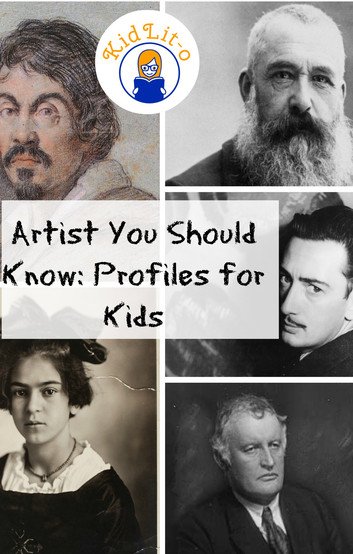
“Artist You Should Know: Profiles for Kids” by Sam Simon brings art history to life for children. This engaging book features six famous artists you should know. Moreover, it makes complex art concepts accessible for young minds. The 126-page book targets children ages 9-12 in grades 4-6.
Sam Simon crafted each profile with care and attention. Furthermore, the book balances education with entertainment perfectly. Young readers discover the lives of legendary painters. Additionally, they learn about different art movements and styles.
What’s Inside: Six Fascinating Artist Profiles
The book contains carefully researched profiles of six masters. Each artist you should know receives dedicated chapters with rich details. Therefore, children gain deep insights into each creator’s life and work.
Featured Artists Include:
- Caravaggio – Italian Baroque master of light and shadow
- Claude Monet – French Impressionist who painted water lilies
- Edvard Munch – Norwegian expressionist famous for “The Scream”
- Frida Kahlo – Mexican surrealist known for powerful self-portraits
- Rembrandt – Dutch Golden Age painter and etching expert
- Salvador Dalí – Spanish surrealist with melting clocks and wild imagination
Educational Value: Learning Through Biography
This book offers tremendous educational benefits for young students. Furthermore, it aligns with elementary art curriculum standards nationwide. Children develop critical thinking skills while reading engaging stories.
The profiles teach more than just art history facts. Additionally, they explore cultural contexts and historical periods. Young readers understand how artists influenced society and culture.
Each chapter includes age-appropriate vocabulary and clear explanations. Moreover, complex concepts become understandable through simple language. The writing style keeps children engaged from start to finish.
Artists You Should Know: Caravaggio’s Dramatic Light
Caravaggio revolutionized painting with his dramatic lighting techniques. The profile explores his turbulent life in Renaissance Italy. Furthermore, children learn about his innovative use of chiaroscuro.
The chapter discusses his most famous religious paintings. Additionally, it covers his controversial personal life and adventures. Young readers discover how he influenced countless artists afterward.
Claude Monet: The Father of Impressionism
Monet’s profile introduces children to the Impressionist movement beautifully. The chapter explains how he captured light and color. Moreover, it describes his famous garden at Giverny in detail.
Children learn about Monet’s water lily series and haystacks. Furthermore, they understand why his style seemed radical initially. The profile makes Impressionism accessible and exciting for young minds.
Edvard Munch: Expressing Deep Emotions
Munch’s chapter explores the connection between art and feelings. Children discover the story behind “The Scream” painting. Additionally, they learn about Expressionism as an art movement.
The profile discusses Munch’s Norwegian heritage and personal struggles. Furthermore, it shows how artists express inner emotions visually. Young readers connect art with their own emotional experiences.
Frida Kahlo: Strength Through Self-Expression
Kahlo’s profile inspires children with her remarkable resilience story. The chapter covers her accident and recovery through painting. Moreover, it celebrates her unique Mexican cultural identity proudly.
Children learn about surrealism and symbolic self-portraits here. Additionally, they discover how Kahlo became a feminist icon. The profile emphasizes perseverance and authentic self-expression beautifully.
Rembrandt: Master of the Dutch Golden Age
Rembrandt’s chapter introduces children to 17th-century Dutch painting. The profile explains his mastery of light and portraiture. Furthermore, it discusses his financial struggles and personal losses.
Young readers learn about his famous group portraits and etchings. Additionally, they understand his influence on Western art history. The chapter makes historical context clear and interesting.
Salvador Dalí: Surrealism and Wild Imagination
Dalí’s profile captures his eccentric personality and bizarre artworks. Children explore the world of Surrealism through his eyes. Moreover, they learn about dream imagery and subconscious symbolism.
The chapter discusses his melting clocks and unusual mustache. Additionally, it covers his collaborations with filmmakers and designers. Young readers appreciate how creativity knows no boundaries.
Why Kids Will Love This Book
Children connect with these artists’ personal stories immediately. Furthermore, the book presents art history as exciting adventures. Each profile reads like a captivating biographical story.
The writing style matches the reading level perfectly. Moreover, Sam Simon avoids boring academic language completely. Children stay engaged through vivid descriptions and interesting facts.
The book encourages creativity and artistic exploration naturally. Additionally, it shows that artists were real people. Young readers see themselves as potential future creators.
Perfect for Multiple Learning Environments
This book works wonderfully in various educational settings. Teachers use it for art history lessons effectively. Furthermore, parents find it perfect for homeschooling curricula.
Libraries stock it as an excellent reference resource. Additionally, it serves as independent reading material beautifully. The book supports both guided and self-directed learning.
Building Cultural Awareness and Appreciation
The diverse artist selection exposes children to multiple cultures. Furthermore, they learn about European, Mexican, and Norwegian heritage. This diversity enriches their global perspective significantly.
Children understand how different cultures produce unique art. Moreover, they appreciate various artistic styles and movements. The book fosters respect for cultural differences naturally.
Developing Critical Thinking Skills
Each profile encourages children to analyze artworks thoughtfully. Furthermore, they learn to ask questions about artistic choices. Young readers develop observation and interpretation skills.
The book teaches children to consider historical context. Additionally, they understand how personal experiences influence creativity. These skills transfer to other academic subjects easily.
Age-Appropriate Content and Presentation
Sam Simon carefully tailored content for 9-12 year olds. The vocabulary challenges without overwhelming young readers. Furthermore, sentence structure remains clear and accessible throughout.
Difficult concepts receive simple, understandable explanations. Moreover, the pacing keeps children interested consistently. The 126-page length feels manageable for this age group.
Inspiring Future Artists and Art Lovers
This book plants seeds for lifelong art appreciation. Children may discover their own artistic passions here. Furthermore, they learn that creativity takes many forms.
The profiles show that artists overcome obstacles and challenges. Additionally, they demonstrate dedication and practice’s importance. Young readers understand that talent develops through effort.
Who Should Read This Book
Ideal Readers Include:
- Children ages 9-12 interested in art and creativity
- Elementary teachers seeking engaging art history resources
- Homeschooling parents building comprehensive curricula
- School librarians developing youth biography collections
- Parents encouraging cultural education at home
- Art educators introducing famous artists to students
- Gifted programs seeking enrichment materials
Complementing School Curricula
The book aligns with Common Core and state standards. Furthermore, it supports visual arts education requirements effectively. Teachers integrate it into lesson plans easily.
The content connects to history and social studies. Additionally, it reinforces reading comprehension skills naturally. The book serves multiple educational purposes simultaneously.
Encouraging Museum Visits and Art Exploration
After reading, children want to see actual artworks. Furthermore, the book prepares them for museum experiences. They recognize famous paintings and understand their significance.
Parents use it as a museum visit preparation tool. Moreover, children engage more deeply with art afterward. The book transforms passive viewing into active learning.
Affordable and Accessible Art Education
This book provides quality art education at reasonable cost. Furthermore, it reaches children without museum access nearby. The profiles bring masterpieces directly to young readers.
Families appreciate the educational value it delivers. Additionally, schools find it budget-friendly for classroom sets. The book democratizes art history education effectively.
Final Thoughts: A Valuable Addition
“Artist You Should Know: Profiles for Kids” fills an important niche. Sam Simon created an engaging, educational resource successfully. Furthermore, the book makes art history accessible and exciting.
The six carefully chosen artists represent diverse styles. Moreover, their stories inspire and educate simultaneously. Young readers gain knowledge while enjoying compelling narratives.
This book belongs in every elementary library and classroom. Additionally, it makes an excellent gift for curious children. Parents and educators will appreciate its quality and value.
The profiles spark curiosity about art and creativity. Furthermore, they encourage children to explore their talents. This book may inspire the next generation of artists.



Reviews
There are no reviews yet.