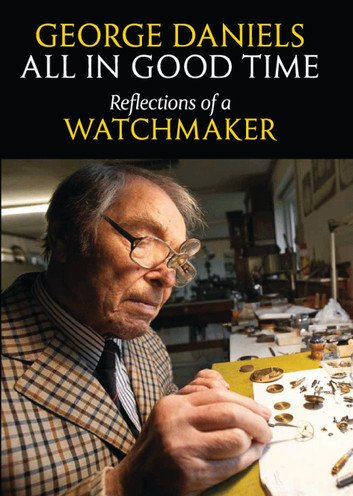
Description
All in Good Time: Reflections of a Watchmaker by George Daniels – A Comprehensive Synopsis
Introduction: The Master Watchmaker’s Journey
George Daniels stands as one of history’s greatest watchmakers. His memoir, “All in Good Time: Reflections of a Watchmaker,” chronicles an extraordinary life dedicated to horological excellence. This watchmaker’s autobiography reveals the passion, precision, and perseverance required to master an ancient craft. Moreover, the book offers intimate glimpses into Daniels’ revolutionary contributions to watchmaking. Consequently, readers discover how one man transformed traditional timepiece creation through innovation and unwavering dedication.
Early Life and Humble Beginnings
George Daniels was born into poverty in 1926 London. His childhood was marked by hardship and struggle. However, these difficulties shaped his character profoundly. Furthermore, they instilled in him an unshakeable work ethic.
Young George showed mechanical aptitude early on. He was fascinated by how things worked. Additionally, he possessed natural curiosity about machinery. Therefore, he spent hours dismantling and reassembling objects.
The war years brought additional challenges to his family. Nevertheless, Daniels remained focused on learning. He educated himself through observation and practice. Consequently, he developed skills that would serve him throughout life.
Discovery of Watchmaking
Daniels’ introduction to watchmaking came by chance. He stumbled upon the craft during his teenage years. Moreover, he was immediately captivated by its complexity. The precision required spoke to his perfectionist nature.
He began repairing watches to earn money. Initially, he worked without formal training. However, his natural talent became evident quickly. Therefore, he pursued watchmaking with increasing dedication.
The craft offered him purpose and direction. Furthermore, it provided an escape from poverty. Additionally, watchmaking satisfied his intellectual curiosity. Consequently, he committed himself fully to mastering the art.
Self-Education and Mastery
George Daniels was largely self-taught in watchmaking. He studied historical texts and examined antique timepieces. Moreover, he learned by carefully analyzing masterworks. This approach gave him unique insights into the craft.
He spent countless hours practicing techniques. Furthermore, he experimented with different methods constantly. Additionally, he pushed himself to achieve perfection. Therefore, his skills developed rapidly and comprehensively.
Daniels studied the great watchmakers of history. He particularly admired Abraham-Louis Breguet’s work. Moreover, he sought to understand their thinking processes. Consequently, he absorbed centuries of accumulated knowledge.
The Philosophy of Craftsmanship
The book reveals Daniels’ deep philosophy about craftsmanship. He believed in doing everything by hand. Moreover, he insisted on creating every component himself. This approach was increasingly rare in modern watchmaking.
Daniels argued that true mastery requires complete understanding. Furthermore, he maintained that shortcuts compromise quality. Additionally, he believed craftsmanship connects maker to creation. Therefore, he rejected mass production methods entirely.
His philosophy extended beyond technical skill alone. He emphasized aesthetic beauty and functional excellence. Moreover, he insisted both must coexist harmoniously. Consequently, his watches became recognized as art pieces.
Revolutionary Contributions to Horology
George Daniels made groundbreaking contributions to watchmaking. His most famous invention was the co-axial escapement. Moreover, this mechanism revolutionized watch accuracy and longevity. The invention solved problems that plagued watchmaking for centuries.
The co-axial escapement reduces friction significantly. Furthermore, it requires less lubrication than traditional designs. Additionally, it maintains accuracy over longer periods. Therefore, it represents a major technological advancement.
Daniels also perfected the art of making complete watches. He created every component from raw materials. Moreover, he finished and assembled everything himself. Consequently, he became the first modern watchmaker to achieve this feat.
Key Innovations Include:
- The co-axial escapement mechanism
- Independent wheel design improvements
- Advanced lubrication reduction techniques
- Complete watch creation methodology
- Restoration techniques for historical timepieces
The Art of Creating a Complete Watch
Creating a complete watch requires extraordinary skill. Daniels describes the process in fascinating detail. Moreover, he explains each step with clarity and passion. The complexity becomes apparent through his descriptions.
He began with raw materials and basic tools. Furthermore, he crafted each tiny component individually. Additionally, he finished every piece to perfection. Therefore, a single watch could take years to complete.
The process demanded absolute precision and patience. Moreover, it required mastery of multiple disciplines. Additionally, it tested both physical and mental endurance. Consequently, few watchmakers ever attempt such undertakings.
Relationships with Collectors and Patrons
The memoir explores Daniels’ relationships with watch collectors. These individuals appreciated his exceptional craftsmanship. Moreover, they supported his work financially and emotionally. Their patronage enabled him to pursue perfection.
Daniels developed lasting friendships with many collectors. Furthermore, he valued their understanding of quality. Additionally, he appreciated their willingness to wait years. Therefore, these relationships proved mutually beneficial and rewarding.
He also educated collectors about watchmaking intricacies. Moreover, he shared his knowledge generously with enthusiasts. Additionally, he helped them appreciate fine craftsmanship. Consequently, he elevated public understanding of horological art.
Challenges and Setbacks
The book honestly addresses challenges Daniels faced throughout his career. Financial difficulties plagued him for many years. Moreover, the watchmaking industry often dismissed his innovations. These obstacles tested his resolve repeatedly.
Traditional watchmakers sometimes resisted his revolutionary ideas. Furthermore, manufacturers were skeptical of new approaches. Additionally, convincing others required patience and persistence. Therefore, acceptance of his work came gradually.
Personal sacrifices were necessary to pursue his vision. Moreover, he worked long hours with minimal compensation. Additionally, he faced periods of doubt and frustration. Nevertheless, he never abandoned his commitment to excellence.
The Breguet Influence
Abraham-Louis Breguet profoundly influenced Daniels’ work and philosophy. He studied Breguet’s watches extensively and reverently. Moreover, he considered Breguet the greatest watchmaker ever. This admiration shaped his entire approach to the craft.
Daniels restored numerous Breguet watches throughout his career. Furthermore, this work deepened his understanding immensely. Additionally, it revealed Breguet’s genius in practical terms. Therefore, he incorporated these lessons into his own creations.
He wrote extensively about Breguet’s contributions to horology. Moreover, he helped preserve Breguet’s legacy for future generations. Additionally, he demonstrated how historical knowledge informs modern innovation. Consequently, he bridged past and present masterfully.
Teaching and Mentorship
George Daniels believed in sharing knowledge with future generations. He taught watchmaking to select students carefully. Moreover, he passed on techniques that might otherwise disappear. His teaching ensured his legacy would continue.
He was selective about whom he accepted as students. Furthermore, he demanded total dedication from those he taught. Additionally, he insisted they learn proper methods thoroughly. Therefore, his students received exceptional training and guidance.
His most famous student was Roger Smith. Moreover, Smith became a master watchmaker himself. Additionally, he continues Daniels’ tradition of complete watchmaking. Consequently, the knowledge and skills live on through him.
Life Beyond Watchmaking
The memoir reveals Daniels’ interests extended beyond horology alone. He was passionate about vintage cars and motorcycles. Moreover, he enjoyed restoring and racing these vehicles. These pursuits provided balance to his meticulous watchmaking work.
He appreciated fine craftsmanship in all its forms. Furthermore, he collected art and antiques selectively. Additionally, he valued quality over quantity consistently. Therefore, his life reflected his philosophical principles completely.
Daniels also enjoyed writing about his experiences and knowledge. Moreover, he contributed articles to horological publications regularly. Additionally, he documented techniques for future generations. Consequently, his written legacy complements his physical creations.
Recognition and Awards
Eventually, the watchmaking world recognized Daniels’ extraordinary contributions. He received numerous prestigious awards and honors. Moreover, his work gained international acclaim and respect. These accolades validated his lifelong dedication to excellence.
He was awarded the MBE by Queen Elizabeth II. Furthermore, he received honorary doctorates from multiple universities. Additionally, horological societies worldwide honored his achievements. Therefore, his status as a master became universally acknowledged.
Despite recognition, Daniels remained humble and focused. Moreover, he continued working with the same dedication. Additionally, he never allowed fame to compromise his standards. Consequently, he maintained his integrity throughout his life.
The Business of Fine Watchmaking
Daniels discusses the economic realities of creating exceptional timepieces. Fine watchmaking rarely generates substantial income quickly. Moreover, the time investment often exceeds financial returns. These economic challenges affect all serious craftspeople.
He explains how he balanced artistic vision with financial necessity. Furthermore, he describes strategies for sustaining his workshop. Additionally, he addresses the importance of patron relationships. Therefore, aspiring watchmakers gain practical business insights.
The book emphasizes that passion must drive the work. Moreover, financial success should never compromise quality standards. Additionally, true craftspeople must accept economic sacrifices willingly. Consequently, readers understand the dedication required for mastery.
Technical Insights and Innovations
The memoir provides detailed technical information about watchmaking innovations. Daniels explains complex mechanisms in accessible language. Moreover, he shares insights gained through decades of experience. These technical sections fascinate both experts and enthusiasts.
He describes the development of his co-axial escapement thoroughly. Furthermore, he explains the physics behind its superior performance. Additionally, he discusses manufacturing challenges he overcame. Therefore, readers appreciate the innovation’s significance fully.
Daniels also addresses traditional techniques he preserved and refined. Moreover, he explains why certain historical methods remain superior. Additionally, he demonstrates how tradition and innovation complement each other. Consequently, the book bridges historical and modern watchmaking perspectives.
Reflections on Time and Mortality
The book’s title, “All in Good Time,” carries philosophical significance. Daniels reflects on time’s nature and meaning throughout. Moreover, he considers mortality and legacy thoughtfully. These reflections add depth to the technical narrative.
He acknowledges that watchmakers have unique relationships with time. Furthermore, they measure and mark its passage precisely. Additionally, they create objects that outlive their creators. Therefore, watchmaking becomes a form of immortality.
Daniels considers what he will leave behind carefully. Moreover, he hopes his work inspires future generations. Additionally, he wants his innovations to benefit watchmaking permanently. Consequently, legacy concerns motivate his teaching and writing efforts.
The Importance of Standards
Throughout the memoir, Daniels emphasizes maintaining the highest standards. He argues that compromising quality damages the entire craft. Moreover, he insists that excellence requires no shortcuts whatsoever. This uncompromising attitude defined his entire career.
He criticizes modern manufacturing’s focus on efficiency over quality. Furthermore, he laments the loss of traditional skills. Additionally, he warns against valuing speed over craftsmanship. Therefore, he advocates for preserving traditional methods and values.
Daniels demonstrates that maintaining standards requires courage and sacrifice. Moreover, it often means working against prevailing trends. Additionally, it demands resisting commercial pressures constantly. Nevertheless, he argues this resistance is absolutely essential.
Lessons for Aspiring Craftspeople
The book offers invaluable lessons for anyone pursuing mastery. Daniels emphasizes that natural talent alone proves insufficient. Moreover, dedication and practice matter more than innate ability. Additionally, patience and persistence determine ultimate success.
He advises aspiring craftspeople to study historical masters thoroughly. Furthermore, he recommends learning by doing rather than theorizing. Additionally, he suggests seeking the best teachers available. Therefore, his advice provides a roadmap for development.
Daniels also stresses the importance of developing personal standards. Moreover, he encourages craftspeople to trust their own judgment. Additionally, he advises against seeking approval from those who don’t understand quality. Consequently, readers learn to develop independent artistic vision.
The Workshop Environment
Daniels describes his workshop environment in evocative detail. He created a space conducive to concentration and precision. Moreover, he organized tools and materials meticulously. Additionally, he maintained absolute cleanliness and order.
The workshop reflected his personality and values completely. Furthermore, it contained only essential tools and equipment. Additionally, everything had its designated place and purpose. Therefore, the environment supported rather than hindered his work.
He explains how physical surroundings affect work quality significantly. Moreover, he discusses the importance of proper lighting and seating. Additionally, he addresses how organization impacts efficiency and accuracy. Consequently, readers understand that environment matters greatly.
Preservation of Horological Heritage
George Daniels dedicated significant effort to preserving watchmaking heritage. He restored important historical timepieces with reverence and skill. Moreover, he documented traditional techniques before they disappeared. Additionally, he advocated for horological museums and education.
He believed that understanding history improves contemporary practice. Furthermore, he argued that innovation builds upon traditional foundations. Additionally, he demonstrated how studying masterworks teaches invaluable lessons. Therefore, he connected past, present, and future seamlessly.
His restoration work saved numerous important watches from deterioration. Moreover, his documentation preserved knowledge for future generations. Additionally, his advocacy raised awareness about horology’s cultural importance. Consequently, his preservation efforts matched his creative contributions.
Personal Characteristics and Work Ethic
The memoir reveals Daniels’ personal characteristics that enabled his success. He possessed extraordinary focus and concentration abilities. Moreover, he demonstrated remarkable patience with detailed work. Additionally, he maintained perfectionist standards without exception.
His work ethic was legendary among those who knew him. Furthermore, he worked long hours without complaint or fatigue. Additionally, he approached each task with complete dedication. Therefore, his personality perfectly suited his chosen craft.
Daniels also displayed humility despite his exceptional achievements. Moreover, he remained curious and open to learning always. Additionally, he treated others with respect and kindness. Consequently, he earned admiration for character as well as skill.
Impact on Modern Watchmaking
George Daniels’ influence on modern watchmaking cannot be overstated. His co-axial escapement changed the industry fundamentally. Moreover, major manufacturers eventually adopted his innovation. Additionally, his philosophy inspired a renaissance in independent watchmaking.
He demonstrated that individual craftspeople could still innovate meaningfully. Furthermore, he proved that traditional methods remained relevant and valuable. Additionally, he showed that quality could compete with mass production. Therefore, he revitalized interest in artisanal watchmaking.
His example inspired a new generation of independent watchmakers. Moreover, these craftspeople continue his tradition of complete watchmaking. Additionally, they maintain his standards of excellence and integrity. Consequently, his legacy grows stronger with each passing year.
The Writing Style and Narrative
Daniels writes with clarity, warmth, and occasional humor. His narrative voice is engaging and accessible throughout. Moreover, he balances technical information with personal anecdotes effectively. Additionally, he conveys passion without becoming overly sentimental.
The book’s structure follows his life chronologically generally. Furthermore, it includes thematic chapters on specific topics. Additionally, it incorporates technical explanations where appropriate. Therefore, the organization serves both casual readers and serious students.
His writing demonstrates the same attention to detail as his watchmaking. Moreover, he explains complex concepts with admirable clarity. Additionally, he includes enough technical information to satisfy experts. Consequently, the book appeals to diverse audiences successfully.
Memorable Anecdotes and Stories
The memoir includes numerous memorable anecdotes from Daniels’ long career. These stories illuminate his personality and experiences vividly. Moreover, they provide insight into the watchmaking world’s culture. Additionally, they entertain while educating readers simultaneously.
He recounts humorous encounters with collectors and fellow craftspeople. Furthermore, he describes challenges overcome through ingenuity and persistence. Additionally, he shares moments of discovery and breakthrough. Therefore, these stories make the narrative engaging and human.
One particularly memorable story involves creating his first complete watch. Moreover, he describes the years of effort required meticulously. Additionally, he conveys the satisfaction of finally achieving his goal. Consequently, readers understand the emotional dimension of craftsmanship.
Advice on Tool Selection and Use
Daniels provides practical advice about selecting and using watchmaking tools. He emphasizes that quality tools prove essential for quality work. Moreover, he explains how to evaluate tool construction and materials. Additionally, he discusses proper tool maintenance and care.
He describes making custom tools for specific purposes when necessary. Furthermore, he explains how tool design affects work quality directly. Additionally, he shares techniques for adapting standard tools creatively. Therefore, readers gain practical knowledge applicable to their own work.
The book stresses that craftspeople must understand their tools intimately. Moreover, proper tool use requires practice and attention. Additionally, respecting tools reflects respect for the craft itself. Consequently, tool selection and use become philosophical as well as practical matters.
The Role of Patience in Mastery
Patience emerges as a central theme throughout the memoir. Daniels repeatedly emphasizes that rushing compromises quality inevitably. Moreover, he demonstrates how patience enables precision and excellence. Additionally, he shows that time investment yields superior results always.
He describes spending weeks on single watch components. Furthermore, he explains why this time investment proves necessary. Additionally, he discusses the mental discipline patience requires. Therefore, readers understand that speed and quality oppose each other fundamentally.
Daniels argues that modern society undervalues patience increasingly. Moreover, he suggests that instant gratification undermines craftsmanship. Additionally, he advocates for resisting pressure to work faster. Consequently, he positions patience as both practical necessity and moral virtue.
Collaborations and Professional Relationships
The book explores Daniels’ professional relationships with other craftspeople. He collaborated with specialists in various fields occasionally. Moreover, he maintained friendships with fellow watchmakers worldwide. Additionally, he participated in horological societies and organizations.
These relationships provided intellectual stimulation and support. Furthermore, they enabled knowledge exchange and mutual learning. Additionally, they created a community of like-minded individuals. Therefore, collaboration complemented his independent work beneficially.
Daniels also discusses relationships with suppliers and manufacturers. Moreover, he explains how these connections facilitated his work. Additionally, he addresses the importance of reliable professional networks. Consequently, readers understand that even independent craftspeople need supportive relationships.
Financial Realities and Economic Challenges
The memoir addresses financial challenges honestly and directly. Daniels struggled economically for much of his career. Moreover, fine watchmaking rarely generates immediate substantial income. Additionally, the time required for each piece limits earning potential.
He describes periods of genuine financial hardship and uncertainty. Furthermore, he explains how he managed these difficulties practically. Additionally, he discusses the sacrifices required to continue his work. Therefore, aspiring craftspeople gain realistic expectations about economic realities.
Despite financial challenges, Daniels never compromised his standards. Moreover, he refused to rush work for monetary reasons. Additionally, he maintained that quality must always take precedence. Consequently, he demonstrates that artistic integrity sometimes requires economic sacrifice.
The Significance of the Co-Axial Escapement
The co-axial escapement represents Daniels’ most significant technical achievement. This mechanism fundamentally improves watch performance and longevity. Moreover, it solves problems inherent in traditional escapement designs. Additionally, it demonstrates how innovation can advance ancient crafts.
Traditional escapements create significant friction during operation. Furthermore, this friction requires regular lubrication and maintenance. Additionally, lubricants degrade over time, affecting accuracy. Therefore, traditional watches require frequent servicing to maintain performance.
The co-axial design reduces friction dramatically through geometric innovation. Moreover, it requires minimal lubrication compared to traditional designs. Additionally, it maintains accuracy over much longer periods. Consequently, watches using this escapement need less frequent maintenance.
Industry Resistance and Eventual Acceptance
Initially, the watchmaking industry resisted Daniels’ co-axial escapement. Manufacturers were skeptical of departing from traditional designs. Moreover, they questioned whether the innovation justified retooling costs. Additionally, conservative attitudes dominated the industry generally.
Daniels faced years of rejection and dismissal from major manufacturers. Furthermore, he struggled to convince anyone to adopt his invention. Additionally, he endured frustration and disappointment repeatedly. Nevertheless, he remained confident in his innovation’s superiority.
Eventually, Omega recognized the co-axial escapement’s potential and value. Moreover, they invested in developing production methods for it. Additionally, they incorporated it into their watch lines successfully. Therefore, Daniels finally received validation for his revolutionary work.
Legacy and Continuing Influence
George Daniels’ legacy extends far beyond his physical creations. He inspired a renaissance in independent watchmaking worldwide. Moreover, he demonstrated that individual craftspeople could still innovate meaningfully. Additionally, he preserved traditional techniques for future generations.
His students and followers continue his tradition of excellence. Furthermore, they maintain his standards and philosophical approach. Additionally, they teach new generations his methods and values. Therefore, his influence multiplies through successive generations of craftspeople.
The book itself contributes significantly to his lasting legacy. Moreover, it documents his knowledge and experience comprehensively. Additionally, it inspires readers to pursue their own mastery. Consequently, “All in Good Time” ensures his wisdom endures permanently.
Conclusion: Timeless Lessons from a Master
“All in Good Time: Reflections of a Watchmaker” offers far more than watchmaking history. George Daniels provides profound insights into craftsmanship, dedication, and excellence. Moreover, his life demonstrates that mastery requires unwavering commitment and sacrifice. Additionally, his story inspires anyone pursuing perfection in any field.
The memoir teaches that true craftsmanship transcends mere technical skill. Furthermore, it requires philosophical commitment to quality and integrity. Additionally, it demands patience, persistence, and continuous learning. Therefore, Daniels’ lessons apply universally across all creative disciplines.
His life proves that individuals can still make meaningful contributions. Moreover, it shows that traditional values remain relevant in modern times. Additionally, it demonstrates that excellence always finds recognition eventually. Consequently, this watchmaker’s reflections offer timeless wisdom for all readers.
The book stands as both autobiography and philosophical treatise. Furthermore, it combines technical information with personal narrative effectively. Additionally, it preserves invaluable knowledge for future generations. Therefore, “All in Good Time” represents an essential contribution to horological literature.
George Daniels’ story reminds us that great achievements require time. Moreover, it teaches that shortcuts inevitably compromise quality and integrity. Additionally, it shows that passion and dedication ultimately triumph over obstacles. Consequently, his reflections inspire readers to pursue their own excellence relentlessly.






Reviews
There are no reviews yet.