Description
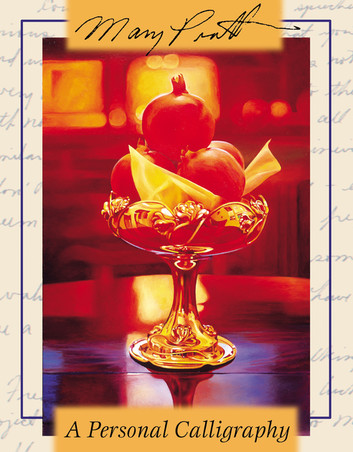
A Personal Calligraphy by Mary Pratt: Complete Memoir Synopsis
Introduction to Mary Pratt’s Powerful Memoir
Mary Pratt stands as one of Canada’s most celebrated and beloved artists. Her memoir, “A Personal Calligraphy,” reveals the woman behind the luminous paintings. Moreover, it exposes the hidden truths of her fifty-year marriage to Christopher Pratt.
This groundbreaking book offers readers an intimate look at artistic life. Additionally, it explores the painful conflicts between love and ambition. Therefore, readers discover how one woman balanced motherhood, marriage, and creative genius.
Published by Goose Lane Editions in 2015, this memoir changed everything. Furthermore, it demonstrated the courage required to tell difficult truths publicly. Consequently, the book resonated with artists and readers across Canada and beyond.
Who Is Mary Pratt? Canada’s Renowned Artist
Mary Pratt built her reputation through stunning realist paintings of everyday objects. Her work features extraordinary light and meticulous attention to detail. Moreover, her paintings transform ordinary domestic scenes into profound artistic statements.
She married Christopher Pratt, himself a talented and ambitious artist. Together, they raised four children in Newfoundland and Labrador. Additionally, they helped establish the region as an important Canadian art center.
The couple became fixtures in Canada’s art world during the 1960s. Furthermore, they put Newfoundland and Labrador artists on the national map. However, their public success masked private struggles and painful secrets.
Mary Pratt produced critically acclaimed work throughout her long career. Meanwhile, she managed household responsibilities and raised their children. Therefore, her achievements required extraordinary dedication and personal sacrifice.
The Marriage Behind the Art: Mary Pratt and Christopher
The memoir reveals a complex fifty-year partnership between two strong-willed artists. Christopher Pratt was charismatic, talented, and deeply self-centered. Moreover, he was unfaithful throughout their marriage.
Mary Pratt hid these painful truths from public view for decades. Additionally, she maintained the appearance of a successful artistic partnership. However, the reality involved sacrifice, compromise, and emotional suffering.
The relationship was mutually sustaining in many ways despite its problems. Furthermore, both artists influenced and supported each other’s creative development. Consequently, their partnership produced significant artistic achievements for both.
Yet the personal cost to Mary became increasingly unbearable over time. Therefore, after fifty years together, she made a difficult decision. Moreover, she chose to end the marriage and reclaim her identity.
Key Themes in A Personal Calligraphy
This powerful memoir explores multiple interconnected themes that resonate with readers:
Central Themes Include:
- The conflict between love and personal ambition
- Motherhood versus career demands and artistic calling
- Sacrifice and the search for authentic identity
- Hidden truths behind public personas and success
- Creative process and artistic development over decades
- Marriage dynamics between two talented, willful people
- Finding courage to change after fifty years
- Emotional honesty in art and life
Mary Pratt’s Creative Process Revealed
The memoir provides rare insight into how Mary Pratt developed her signature style. She describes the painstaking process of creating her light-filled paintings. Moreover, she explains how domestic life influenced her artistic vision.
Her paintings often featured everyday objects like jelly jars and fish. Additionally, she transformed these ordinary subjects through extraordinary technical skill. Therefore, her work elevated the mundane to the sublime.
The creative process required intense focus and countless hours of work. Furthermore, it demanded space and time that family responsibilities often denied. Consequently, she struggled constantly to balance competing demands and priorities.
Her art became a way to process and express hidden emotions. Meanwhile, it provided an outlet for feelings she couldn’t express otherwise. However, the paintings also concealed as much as they revealed.
The Courage to Tell the Truth
Writing this memoir required tremendous bravery from Mary Pratt at age seventy-seven. She chose to reveal secrets she had protected for decades. Moreover, she risked her reputation and public image by telling the truth.
The book exposes Christopher’s infidelity and self-centered behavior throughout their marriage. Additionally, it reveals how she subordinated her needs to his ambitions. Therefore, readers understand the real cost of her artistic success.
She writes with the same emotional honesty that marks her best paintings. Furthermore, she refuses to sugarcoat or minimize her experiences and pain. Consequently, the memoir resonates with raw authenticity and power.
The title itself came from Christopher’s comment upon reading the manuscript. He called it her “personal calligraphy,” recognizing its intimate, distinctive voice. However, the phrase also suggests the careful craft behind her storytelling.
Conflicts Between Motherhood and Career
The memoir honestly explores how Mary Pratt navigated motherhood and artistic ambition. She raised four children while building a significant artistic career. Moreover, she managed household responsibilities that Christopher largely avoided.
The demands of childcare often interrupted her painting time and creative flow. Additionally, she felt guilty when prioritizing art over family needs. Therefore, she experienced constant tension between competing roles and identities.
Society expected her to prioritize motherhood over personal ambition during that era. Furthermore, the art world offered little support for women with families. Consequently, she faced obstacles that male artists rarely encountered.
Yet she persisted, creating remarkable work despite these challenges and constraints. Meanwhile, she developed strategies for protecting her creative time and energy. However, the struggle never entirely disappeared or became easy.
The Decision to End the Marriage
After fifty years together, Mary Pratt made a life-changing decision. She chose to end her marriage to Christopher despite their history. Moreover, she prioritized her own wellbeing and identity over maintaining appearances.
This decision shocked many who viewed them as an ideal artistic couple. Additionally, it challenged assumptions about marriage, commitment, and sacrifice. Therefore, it sparked important conversations about women’s choices and autonomy.
The memoir explains the factors that led to this difficult choice. Furthermore, it describes the emotional journey toward claiming her independence. Consequently, readers understand both the pain and liberation of her decision.
She refused to spend her remaining years in an unfulfilling relationship. Meanwhile, she recognized that leaving didn’t negate their shared history. However, it allowed her to finally live authentically and freely.
Mary Pratt’s Impact on Canadian Art
Mary Pratt helped transform Canadian art during the 1960s and beyond. She and Christopher brought national attention to Newfoundland and Labrador artists. Moreover, her distinctive style influenced generations of realist painters.
Her light-filled paintings captured the beauty in everyday domestic objects. Additionally, they demonstrated that women’s experiences deserved serious artistic treatment. Therefore, she expanded what Canadian art could be and represent.
She received numerous awards and honors throughout her distinguished career. Furthermore, her work appears in major museums and collections across Canada. Consequently, her artistic legacy remains secure and celebrated.
The memoir adds another dimension to her artistic achievements and contributions. Meanwhile, it shows the personal struggles behind her professional success. However, it also demonstrates her remarkable resilience and determination.
Why Read A Personal Calligraphy?
This memoir offers valuable insights for multiple audiences and reading purposes:
Reasons to Read:
- Honest account of balancing motherhood and artistic career
- Rare glimpse into a famous Canadian artist’s creative process
- Powerful exploration of marriage, sacrifice, and identity
- Inspiring story of finding courage to change later in life
- Important contribution to Canadian art history and women’s stories
- Beautifully written with emotional honesty and literary craft
- Relevant to anyone navigating relationships and personal ambition
- Demonstrates the cost of maintaining public personas versus private truth
The Writing Style and Approach
Mary Pratt writes with the same precision she brings to painting. Her prose is clear, direct, and emotionally resonant throughout. Moreover, she avoids self-pity while acknowledging genuine pain and difficulty.
The memoir balances personal revelation with respect for others involved. Additionally, it provides context without making excuses for anyone’s behavior. Therefore, readers receive a nuanced, mature perspective on complex events.
She structures the narrative chronologically while exploring thematic connections across decades. Furthermore, she weaves together personal history and artistic development seamlessly. Consequently, the book reads as both memoir and artistic meditation.
The writing demonstrates literary craft alongside emotional authenticity and vulnerability. Meanwhile, it maintains dignity while revealing difficult truths about her life. However, it never becomes sensational or exploitative in tone.
Critical Reception and Cultural Impact
The memoir received widespread attention and acclaim upon publication in 2015. Critics praised Mary Pratt’s courage and the book’s emotional honesty. Moreover, it sparked important conversations about women artists and marriage.
Many readers connected deeply with her struggles balancing competing demands. Additionally, the book resonated with women who sacrificed for partners’ careers. Therefore, it became more than just one artist’s story.
The memoir contributed to growing discussions about women’s experiences in art. Furthermore, it challenged romantic notions about artistic partnerships and collaboration. Consequently, it influenced how people view creative relationships and dynamics.
Some found the revelations about Christopher Pratt troubling and disappointing. Meanwhile, others appreciated the complexity and honesty of her portrayal. However, most agreed the book represented an important cultural document.
The Newfoundland and Labrador Art Scene
Mary Pratt and Christopher played crucial roles in developing regional art. They moved to Newfoundland in the early 1960s when few knew it. Moreover, they helped establish it as a significant Canadian art center.
The province’s unique landscape and culture influenced both artists’ work profoundly. Additionally, they connected with other talented artists in the region. Therefore, they became part of a vibrant creative community.
Their presence attracted attention from galleries, critics, and collectors across Canada. Furthermore, they demonstrated that important art could emerge from outside major cities. Consequently, they changed perceptions about regional Canadian art and artists.
The memoir provides valuable historical context about this important cultural development. Meanwhile, it shows how personal relationships shaped artistic movements and communities. However, it also reveals the challenges of building careers outside Toronto.
Lessons About Identity and Authenticity
The memoir offers profound insights about finding and maintaining authentic identity. Mary Pratt spent decades subordinating her needs to others’ expectations. Moreover, she hid painful truths to maintain a successful public image.
Her journey toward authenticity required confronting difficult realities about her marriage. Additionally, it demanded courage to prioritize her wellbeing over others’ comfort. Therefore, her story inspires readers facing similar struggles and choices.
She demonstrates that it’s never too late to reclaim your identity. Furthermore, she shows that leaving doesn’t mean the relationship was worthless. Consequently, readers learn that change and continuity can coexist peacefully.
The book challenges assumptions about sacrifice, especially for women and mothers. Meanwhile, it affirms the importance of honest self-expression in life. However, it acknowledges the real costs of choosing authenticity over conformity.
Conclusion: A Memoir of Courage and Truth
“A Personal Calligraphy” stands as a remarkable achievement in Canadian memoir writing. Mary Pratt reveals herself with the same clarity she brings to painting. Moreover, she offers readers an unforgettable portrait of artistic life and marriage.
The book succeeds because it refuses easy answers or simple judgments. Additionally, it honors complexity while insisting on truth and emotional honesty. Therefore, it resonates with readers across different backgrounds and experiences.
This memoir will remain important for understanding Canadian art and women’s history. Furthermore, it provides a model for honest, courageous autobiographical writing. Consequently, it deserves recognition as both artistic and literary achievements.
Mary Pratt gave readers an extraordinary gift through this brave memoir. Meanwhile, she demonstrated that art takes many forms beyond painting. However, all require the same dedication to truth, craft, and authentic expression.
For anyone interested in art, marriage, motherhood, or personal transformation, read this book. Moreover, it offers wisdom about finding courage to change your life. Therefore, “A Personal Calligraphy” remains essential reading for our time.


Reviews
There are no reviews yet.