Description
Zurbarán Paintings: Spanish Baroque Spirituality Revealed
Introduction to Zurbarán Paintings
Zurbarán paintings represent the pinnacle of Spanish Baroque religious art and mystical devotion. This carefully curated e-book showcases Francisco de Zurbarán’s most powerful sacred masterpieces. Moreover, it brings his monks, saints, and spiritual visions directly to your device. Daniel Coenn’s My Pocket Gallery series makes these profound works accessible to everyone. Furthermore, this collection celebrates Spain’s greatest painter of religious contemplation and divine light.
The Spanish Master of Sacred Art
Francisco de Zurbarán (1598-1664) devoted his career to depicting religious subjects with unprecedented intensity. He worked primarily in Seville during Spain’s Golden Age of artistic achievement. Additionally, he became the preferred painter for monasteries and religious orders throughout Spain. His contemporaries included Diego Velázquez, with whom he maintained lifelong friendship and mutual respect.
Zurbarán developed a distinctive style that combined dramatic realism with spiritual transcendence perfectly. Moreover, he understood how to make sacred subjects feel immediate and emotionally powerful. His paintings served devotional purposes while achieving remarkable artistic sophistication and technical mastery. Consequently, he became known as the “Spanish Caravaggio” for his dramatic lighting effects.
What This Zurbarán Paintings Collection Offers
This e-book presents a comprehensive selection of Zurbarán’s most important religious masterpieces. However, it goes beyond simple reproduction of his paintings and devotional works. Each image receives high-quality digital presentation that preserves every spiritual detail perfectly. Moreover, the collection allows readers to explore his legendary use of light up close.
Key features of this collection include:
- High-resolution reproductions of iconic Zurbarán paintings and religious masterpieces
- Carefully selected works spanning his prolific career in Seville and Madrid
- Easy navigation through the My Pocket Gallery format for convenient viewing
- Portable access to Spanish Baroque treasures on any digital device anywhere
- A journey through Spain’s Golden Age and profound religious artistic expression
Furthermore, the e-book format makes these spiritual treasures available anytime, anywhere conveniently. Additionally, readers can zoom in to discover his masterful brushwork and luminous effects.
Monastic Subjects and Spiritual Intensity
Zurbarán became famous for his powerful depictions of monks, friars, and religious orders. He received numerous commissions from Carthusian, Franciscan, and Mercedarian monasteries throughout his career. Moreover, he portrayed these holy men with dignity, humanity, and profound spiritual presence. His monastic figures appear lost in contemplation, prayer, and mystical communion with God.
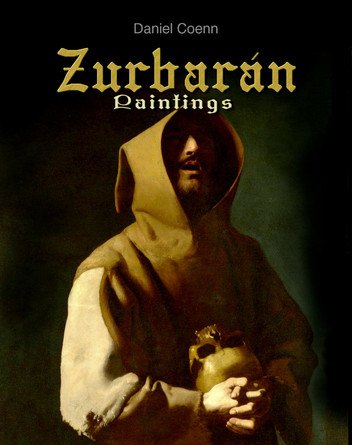
“Saint Francis in Meditation” (c. 1635-1639) ranks among his most celebrated devotional works. The painting shows the saint holding a skull in deep spiritual contemplation. Furthermore, it demonstrates Zurbarán’s ability to convey inner spiritual life through external stillness. The work established his reputation as Spain’s greatest painter of religious devotion immediately.
“The Martyrdom of Saint Serapion” (1628) displays his mastery of dramatic religious narrative. The painting depicts the martyred Mercedarian monk suspended in death with haunting beauty. Moreover, it combines brutal subject matter with transcendent spiritual peace and acceptance. The white habit glows against the dark background with supernatural luminosity and presence.
Mastery of Light and Shadow
Zurbarán employed tenebrism—dramatic contrasts between light and dark—to heighten spiritual drama effectively. He learned this technique from studying Caravaggio’s revolutionary approach to religious painting. Moreover, he adapted it to Spanish sensibilities and mystical religious traditions uniquely. His use of light suggests divine presence illuminating sacred subjects from beyond.
The dark backgrounds in his paintings make illuminated figures emerge with sculptural three-dimensionality. Furthermore, this technique focuses viewers’ attention entirely on the spiritual subject matter exclusively. Zurbarán’s lighting creates atmosphere of mystery, devotion, and supernatural presence throughout his works. Additionally, it transforms ordinary scenes into visions of divine revelation and grace.
His treatment of white fabric demonstrates unparalleled technical skill and spiritual symbolism simultaneously. Moreover, he could paint white robes, habits, and drapery with infinite subtle variations. These whites glow with inner light that suggests purity, holiness, and divine favor. Consequently, his white drapery became his most recognizable and celebrated technical achievement.
Saints and Martyrs in Divine Light
Zurbarán painted numerous individual saints for churches, monasteries, and private devotional collections throughout Spain. He depicted them with realistic humanity combined with spiritual idealization and divine presence. Moreover, each saint receives distinctive characterization through attributes, expressions, and poses that identify them. His saints appear as real people touched by grace rather than remote idealized figures.
“Saint Lucy” (c. 1625-1630) exemplifies his approach to female martyrs and virgin saints. The young saint holds the platter with her eyes, symbol of her martyrdom. Furthermore, she wears rich contemporary Spanish clothing that makes her accessible to viewers. The painting combines gruesome martyrdom with serene beauty and spiritual triumph over suffering.
His series paintings of apostles, church fathers, and holy women demonstrate remarkable variety. Moreover, each figure receives individual psychological characterization and distinctive spiritual presence throughout the series. Zurbarán avoided repetitive formulas, giving each saint unique personality and devotional appeal. Additionally, these series works showcase his ability to maintain quality across multiple related compositions.
Still Life Paintings and Symbolism
Zurbarán created remarkably powerful still life paintings that transcend mere object representation completely. His still lifes possess the same spiritual intensity and formal austerity as religious works. Moreover, they demonstrate his exceptional ability to render textures, surfaces, and materials perfectly. These paintings often carry religious symbolism related to Eucharistic themes and divine presence.
“Agnus Dei (Lamb of God)” (c. 1635-1640) represents his most famous still life work. The bound lamb lies against a dark background with heartbreaking vulnerability and innocence. Furthermore, it symbolizes Christ’s sacrifice with profound emotional and theological resonance for viewers. The painting demonstrates how Zurbarán could invest simple subjects with deep spiritual meaning.
His arrangements of vessels, fruits, and objects display geometric clarity and meditative simplicity. Moreover, each object receives careful attention to texture, light, and three-dimensional form precisely. These still lifes invite contemplation and suggest divine order underlying material reality always. Consequently, they bridge the gap between secular still life tradition and religious painting.
Christ on the Cross
Zurbarán painted numerous crucifixion scenes that rank among Spanish art’s most powerful images. His crucified Christ appears with anatomical realism combined with spiritual transcendence and divine suffering. Moreover, he typically showed Christ alone against dark backgrounds without narrative distractions whatsoever. This isolation intensifies the viewer’s direct emotional and spiritual encounter with Christ’s sacrifice.
“Christ on the Cross” (1627) demonstrates his mature approach to this central Christian subject. The figure emerges from darkness illuminated by supernatural light from an unseen source. Furthermore, the painting invites meditation on Christ’s humanity and divinity simultaneously through careful balance. Zurbarán’s crucifixions avoid excessive gore while maintaining the reality of physical suffering completely.
His treatment of Christ’s body shows his mastery of anatomy and his sensitivity. Moreover, he painted flesh tones with subtle modeling that suggests both death and life. The white loincloth displays his legendary ability to render fabric with luminous beauty. Additionally, these works served as powerful devotional aids for prayer and religious contemplation daily.
The Immaculate Conception Theme
Zurbarán painted numerous versions of the Immaculate Conception, a beloved Spanish devotional subject. He depicted the Virgin Mary as a young girl surrounded by symbolic attributes. Moreover, these paintings reflect Spanish theological debates and popular devotion to Mary’s purity. His Immaculate Conceptions combine innocence, dignity, and supernatural grace in perfect harmony always.
The Virgin typically appears standing on a crescent moon with hands folded in prayer. Furthermore, she wears white and blue robes that glow with Zurbarán’s characteristic luminosity. Cherubs and symbolic objects surround her in carefully arranged compositions that guide devotional meditation. Additionally, these works demonstrate his ability to make theological concepts visually accessible and emotionally moving.
His Immaculate Conceptions influenced Spanish religious art for generations after his death significantly. Moreover, they established iconographic conventions that other artists followed throughout the Baroque period extensively. Zurbarán brought fresh naturalism to this idealized subject without sacrificing spiritual elevation whatsoever. Consequently, his versions remain among the most beloved examples of this important theme.
Working Methods and Artistic Process
Zurbarán maintained a busy workshop in Seville that produced paintings for clients throughout Spain. He employed assistants who helped with backgrounds, drapery, and repetitive elements in large commissions. Moreover, he personally painted faces, hands, and other crucial details requiring his mastery. This workshop system allowed him to fulfill numerous commissions while maintaining quality standards.
He worked from live models, lay figures, and careful studies of fabric and objects. Furthermore, he built a collection of costumes, props, and reference materials for accuracy. Zurbarán’s preparatory process ensured that his paintings possessed convincing realism and material presence always. Additionally, he studied earlier Spanish and Italian masters to refine his technique continuously.
His painting technique emphasized careful drawing, controlled brushwork, and subtle tonal modeling throughout. Moreover, he built up forms gradually through layers rather than loose, spontaneous brushwork. This methodical approach suited his contemplative subjects and created his characteristic smooth surfaces. Consequently, his paintings possess timeless quality that transcends momentary effects or fashionable styles.
Decline and Rediscovery
Zurbarán’s career declined in his later years as artistic tastes shifted toward lighter styles. Murillo’s softer, more sentimental approach to religious subjects gained favor in Seville gradually. Moreover, Zurbarán received fewer commissions and faced financial difficulties in his final decades. He moved to Madrid seeking new opportunities but never regained his earlier success.
After his death, his reputation faded as Baroque art fell from critical favor. However, nineteenth-century Romantic artists and critics rediscovered his powerful spiritual intensity and dramatic realism. Furthermore, French painters particularly admired his austere compositions and masterful technique with renewed enthusiasm. This rediscovery established Zurbarán as a major figure in art history permanently.
Today, Zurbarán’s paintings hang in major museums worldwide including the Prado and Louvre. Moreover, scholars recognize his unique contribution to Spanish Baroque art and religious painting traditions. His influence extends to modern artists who admire his formal clarity and spiritual depth. Additionally, his work continues to move viewers with its profound devotional sincerity and beauty.
The My Pocket Gallery Series Advantage
Daniel Coenn created the My Pocket Gallery series to democratize art appreciation worldwide effectively. This innovative approach brings museum-quality reproductions to everyone’s fingertips affordably and conveniently always. Moreover, the series covers artists from various periods, movements, and cultural traditions comprehensively. Each volume receives careful curation and thoughtful presentation for maximum educational value consistently.
The format allows art lovers to build comprehensive digital collections without financial barriers. Furthermore, these e-books serve as excellent educational and reference resources for multiple purposes. Teachers, students, and enthusiasts benefit from portable access to masterpieces anywhere, anytime. Additionally, the pricing makes art accessible regardless of budget constraints or geographic location.
Educational Value for Art Students
This e-book serves as an invaluable resource for aspiring artists and art students. Zurbarán’s work demonstrates fundamental principles of composition, lighting, and spiritual expression through visual means. Moreover, his paintings show how to achieve both technical mastery and emotional depth. Art students can study his approach to tenebrism, drapery, and contemplative subject matter.
His working process offers lessons in careful observation, technical discipline, and devotional sincerity. Furthermore, his evolution from provincial painter to master provides inspiration for artistic development. Students of figure painting benefit especially from studying his treatment of fabric and light. Additionally, his work shows how religious subjects can achieve universal artistic significance.
Perfect for Multiple Audiences
This e-book appeals to religious art enthusiasts, Baroque specialists, and general art lovers. Spanish art collectors will appreciate the quality and breadth of this comprehensive collection. Moreover, those interested in religious history gain valuable visual insights into Counter-Reformation spirituality. Students and educators find essential teaching and learning resources throughout these pages.
This collection is ideal for:
- Religious art enthusiasts seeking profound spiritual and devotional imagery for contemplation
- Spanish Golden Age scholars building comprehensive digital reference libraries for research
- Art students learning tenebrism, composition, and techniques for painting fabric beautifully
- Anyone fascinated by Baroque art, monastic life, and Catholic mystical traditions
- Teachers seeking high-quality visual materials for art history and religious studies lessons
Furthermore, the affordable price point makes this collection accessible to everyone interested. Additionally, the digital format eliminates geographical and financial barriers to appreciation and study.
A Museum in Your Pocket
The My Pocket Gallery format revolutionizes how we experience great art in the digital age. Traditional museum visits require travel, admission fees, and limited viewing time with crowds. However, this e-book provides unlimited access from anywhere in the world instantly. Moreover, readers can revisit favorite works as often as they desire without restrictions.
The digital format offers significant advantages over physical art books and museum visits. Furthermore, it requires no shelf space and never deteriorates over time with handling. Readers can easily share discoveries with friends, family, students, and fellow enthusiasts. Additionally, the collection travels effortlessly on smartphones, tablets, e-readers, and computers everywhere.
Zoom In on Sacred Details
Digital reproduction allows unprecedented examination of Zurbarán’s legendary technique and spiritual symbolism closely. Readers can zoom in to study his brushwork, color choices, and compositional decisions. Moreover, they can discover subtle details of fabric, objects, and expressions easily missed otherwise. This intimate viewing experience enhances appreciation and understanding significantly for all viewers.
Zurbarán filled his paintings with carefully rendered details that reward close examination repeatedly. Furthermore, each viewing reveals new aspects of his technical skill and spiritual depth. The digital format makes this detailed exploration convenient and enjoyable for everyone. Additionally, it allows readers to focus on specific areas of personal interest repeatedly.
Understanding Spanish Baroque Art
This collection helps readers understand Spanish Baroque art’s development and its lasting influence. Zurbarán essentially defined the austere, mystical approach to religious painting in Spain. Moreover, his work demonstrates how Counter-Reformation theology influenced artistic expression throughout Catholic Europe. The relationship between spiritual devotion and artistic excellence defines his unique achievement.
Spanish Baroque art valued emotional intensity, religious orthodoxy, and dramatic visual impact consistently. Furthermore, it looked to mystical traditions of Spanish saints for inspiration and subjects. Zurbarán adapted Italian Baroque innovations to Spanish religious sensibilities throughout his career successfully. Consequently, his work represents the essence of Spanish Golden Age artistic achievement perfectly.
Zurbarán’s Lasting Legacy
Zurbarán influenced Spanish art and religious painting traditions far beyond his lifetime significantly. His vision of contemplative spirituality shaped how generations understood monastic devotion and sanctity. Moreover, his technical innovations in painting white fabric influenced artists for centuries afterward. Even today, his work remains the standard for austere religious painting worldwide.
His paintings hang in major museums including the Prado, Louvre, and Metropolitan Museum. Furthermore, his works continue to command high prices at auctions and in galleries. Zurbarán proved that religious subjects could achieve both devotional power and artistic excellence. Consequently, his work helped establish Spanish painting’s international reputation during the Golden Age.
Building Your Digital Art Library
This volume represents an excellent addition to any digital art collection focused on Baroque art. It complements other My Pocket Gallery titles covering different artists, periods, and cultural traditions. Moreover, collecting these e-books creates a comprehensive personal museum accessible from any device. The series makes building an art library affordable and practical for everyone.
Digital collections offer flexibility that physical books cannot match in today’s mobile world. Furthermore, they travel with you wherever you go without added weight or space concerns. You can access your entire library from a single device instantly and conveniently. Additionally, digital collections never require dusting, moving, climate control, or physical storage space.
Share Sacred Art with Others
This e-book makes sharing art appreciation easier than ever before in human history. You can recommend specific paintings to friends through screenshots, messages, or social media. Moreover, teachers can project images during lessons without expensive equipment or complicated technology. The digital format facilitates discussion and collaborative learning experiences among students and enthusiasts.
Social media sharing allows you to introduce others to Zurbarán’s powerful spiritual vision globally. Furthermore, you can participate in online art communities and discussions about Baroque art. The accessibility of digital collections democratizes art appreciation across all economic and geographic boundaries. Additionally, it helps preserve cultural heritage for future generations of art lovers worldwide.
Conclusion: Experience Spanish Baroque Spirituality
“Zurbarán Paintings” by Daniel Coenn offers an exceptional journey through Spanish Golden Age devotion. This My Pocket Gallery volume makes museum-quality reproductions accessible to everyone worldwide instantly. Moreover, it celebrates Spain’s greatest painter of religious contemplation and mystical light. The collection preserves Zurbarán’s legacy for new generations of art lovers and spiritual seekers.
Whether you’re a serious religious art collector or casual enthusiast, this e-book delivers value. Furthermore, it demonstrates how digital technology democratizes access to important cultural treasures effectively. Zurbarán’s vision of sacred art deserves wide appreciation and continued study today. Therefore, this collection serves important cultural, educational, and spiritual purposes for everyone interested.
Download this volume today and carry a gallery of Spanish Baroque masterpieces wherever you go. Additionally, explore other titles in the My Pocket Gallery series for comprehensive art coverage. Art appreciation has never been more convenient, affordable, or spiritually enriching than it is now.


Reviews
There are no reviews yet.