

Description
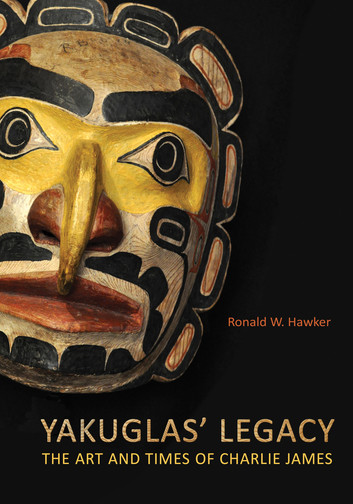
Yakuglas’ Legacy: Discovering Charlie James and Northwest Coast Art
Yakuglas’ Legacy explores the remarkable life and artistic contributions of Charlie James. This groundbreaking book by Ronald W. Hawker examines one of the most important Indigenous artists of the Northwest Coast.
Moreover, it reveals how Charlie James preserved and transformed traditional Kwakwaka’wakw art during challenging times. Therefore, readers gain insight into both the artist and his cultural context. Because James worked during a period of intense cultural suppression, his achievements become even more significant.
Charlie James lived from approximately 1867 to 1938 in British Columbia. He created stunning totem poles, masks, and ceremonial objects throughout his career. Furthermore, he trained the next generation of artists who would carry forward Indigenous traditions. His influence shaped Northwest Coast art for decades to come.
Understanding Yakuglas’ Legacy in Historical Context
The late nineteenth and early twentieth centuries brought tremendous challenges for Indigenous communities. Canadian government policies actively suppressed traditional ceremonies and cultural practices. Additionally, the potlatch ban threatened to destroy vital artistic traditions. However, Charlie James continued creating powerful works despite these obstacles.
Yakuglas’ Legacy documents how James navigated this difficult period with creativity and determination. He adapted traditional forms while maintaining their spiritual and cultural significance. Meanwhile, he found ways to keep artistic knowledge alive for future generations. Because of his persistence, important cultural practices survived this dark chapter.
Hawker’s research reveals James as both artist and cultural guardian. The book shows how one person’s dedication can preserve an entire artistic tradition. Therefore, James’s story becomes a testament to Indigenous resilience and creativity.
The Artistic Achievements of Charlie James
Charlie James mastered multiple artistic forms throughout his long career. His totem poles stand as monuments to Kwakwaka’wakw culture and storytelling traditions. Furthermore, his ceremonial masks demonstrate exceptional skill and deep cultural knowledge. Each piece he created carried meaning beyond its visual beauty.
James worked primarily in wood, transforming cedar into powerful artistic statements. He carved figures that told ancestral stories and honored family lineages. Additionally, he created objects for potlatch ceremonies that maintained community connections. His technical skill matched his cultural understanding perfectly.
Key Contributions to Northwest Coast Art
Charlie James’s artistic legacy includes several important achievements:
- Preservation of traditional carving techniques during periods of cultural suppression
- Training of influential artists including Mungo Martin and his own family members
- Creation of major totem poles that still stand in communities today
- Development of ceremonial masks that balanced tradition with innovation
- Documentation of cultural knowledge through his artistic practice
Each contribution helped ensure the survival of Kwakwaka’wakw artistic traditions. Moreover, his teaching created a lineage of artists who continued his work. Therefore, his influence extends far beyond his own lifetime.
Yakuglas’ Legacy: Hawker’s Scholarly Approach
Ronald W. Hawker brings rigorous academic research to this important subject. He examines archival materials, photographs, and surviving artworks with careful attention. Furthermore, he incorporates Indigenous perspectives and oral histories into his analysis. Because of this comprehensive approach, the book offers unprecedented insight into James’s life.
Hawker challenges previous assumptions about Northwest Coast art history. He reveals how colonial narratives often overlooked or misrepresented Indigenous artists. Additionally, he demonstrates James’s agency and artistic vision during a restrictive period. The book corrects historical oversights while celebrating James’s achievements.
The author also explores the complex relationships between Indigenous artists and collectors. He examines how James navigated the art market while maintaining cultural integrity. Meanwhile, he shows how economic pressures influenced artistic production and distribution.
Cultural Significance and Artistic Innovation
Yakuglas’ Legacy reveals Charlie James as both traditionalist and innovator. He respected ancestral knowledge while adapting to changing circumstances. Furthermore, he found creative solutions to preserve culture under oppressive policies. His work demonstrates that tradition and innovation can coexist productively.
James understood that art served vital social and spiritual functions within his community. He created pieces that maintained ceremonial practices and family connections. Additionally, his work educated younger generations about their cultural heritage. Because art carried such importance, James dedicated his life to its practice.
The book explores how James’s artistic choices reflected broader cultural values. His designs incorporated traditional symbols with precise meaning and purpose. Moreover, his technical excellence honored the standards of master carvers before him. Therefore, each piece connected past, present, and future generations.
Why This Book Matters Today
This scholarly work fills important gaps in art history and Indigenous studies. It gives proper recognition to an artist who deserves wider acknowledgment. Furthermore, it demonstrates the resilience of Indigenous cultures despite colonial pressures. Because Hawker documents James’s story so thoroughly, readers understand the full scope of his contributions.
The book appeals to multiple audiences with varied interests. Art historians gain insight into Northwest Coast artistic traditions and their evolution. Meanwhile, Indigenous studies scholars find valuable documentation of cultural persistence and adaptation. General readers discover a compelling story of creativity triumphing over adversity.
Yakuglas’ Legacy also raises important questions about cultural preservation and artistic ownership. It examines how Indigenous art has been collected, displayed, and interpreted by outsiders. Additionally, it advocates for Indigenous voices in telling their own artistic histories. These discussions remain relevant for museums and cultural institutions today.
A Lasting Contribution to Art History
Ronald W. Hawker’s book ensures that Charlie James receives the recognition he deserves. It documents an artistic legacy that might otherwise have been forgotten or misunderstood. Moreover, it celebrates the strength of Indigenous cultures and their artistic traditions. Therefore, this work stands as both historical documentation and cultural tribute.
The book reminds readers that art serves purposes beyond aesthetics alone. It carries cultural knowledge, maintains community bonds, and expresses spiritual beliefs. Because Charlie James understood these deeper meanings, his work continues resonating with power and significance.
Yakuglas’ Legacy preserves the story of an extraordinary artist for future generations. It honors Charlie James’s dedication to his culture and his craft. Furthermore, it inspires continued appreciation for Northwest Coast Indigenous art and its remarkable practitioners.




Reviews
There are no reviews yet