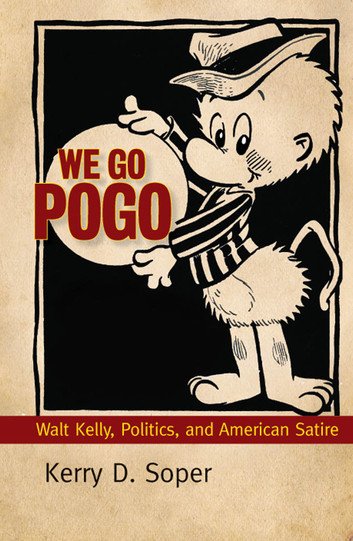
Description
We Go Pogo: A Deep Dive into Walt Kelly’s Pogo and American Political Satire
Understanding Walt Kelly’s Pogo: An Introduction
Walt Kelly’s Pogo stands as one of America’s most beloved comic strips. Furthermore, it represents a golden age of political satire in newspapers. Kerry D. Soper’s book examines this cultural treasure in remarkable detail. Moreover, readers discover how Kelly used funny animals to comment on serious issues.
The book explores Pogo’s impact from 1948 through the 1970s. Additionally, it shows how Kelly balanced humor with sharp political commentary. Therefore, this work matters for anyone studying American satire or comic art.
The Historical Context of Walt Kelly’s Pogo
Post-War America and Comic Strips
Kelly launched Pogo during a transformative period in American history. However, the post-World War II era brought new tensions and fears. The Cold War created anxiety across the nation. McCarthyism threatened free speech and artistic expression.
Furthermore, newspapers remained the primary source of daily entertainment and news. Comic strips reached millions of readers every morning. Therefore, they held significant cultural power and influence.
Kelly’s Background and Artistic Development
Walt Kelly worked as an animator before creating Pogo. He contributed to Disney films in the 1930s and 1940s. Moreover, he developed a distinctive drawing style that combined elegance with humor.
His experience in animation influenced his comic strip work. Additionally, Kelly understood visual storytelling at a deep level. Therefore, Pogo featured sophisticated artwork alongside clever writing.
What Makes Walt Kelly’s Pogo Unique
The Okefenokee Swamp Setting
Pogo takes place in Georgia’s Okefenokee Swamp. However, this setting serves as a mirror for American society. The swamp’s animal characters represent different human types and political figures.
Furthermore, Kelly created a rich, detailed world with consistent geography. Readers could map the swamp and its inhabitants. Moreover, this consistency made the satire more effective and believable.
Character Development and Symbolism
The main character, Pogo Possum, embodies common sense and decency. He represents the average American trying to navigate complex issues. Additionally, other characters symbolize specific political archetypes:
- Albert Alligator: the well-meaning but impulsive friend
- Howland Owl: the pompous intellectual
- Deacon Mushrat: the self-righteous moralist
- Beauregard Bugleboy: the simple-minded follower
- Mam’selle Hepzibah: the romantic idealist
Furthermore, Kelly introduced villains who clearly represented real politicians. Simple J. Malarkey famously satirized Senator Joseph McCarthy. Therefore, readers recognized the targets of Kelly’s wit.
Political Satire in Pogo: Key Themes
McCarthyism and the Red Scare
Soper’s book examines how Kelly tackled McCarthyism head-on. However, he did so through animal allegory rather than direct commentary. Simple J. Malarkey appeared as a wildcat who accused others baselessly.
Furthermore, Kelly risked his career by openly criticizing McCarthy. Many newspapers refused to run these controversial strips. Moreover, some editors feared backlash from conservative readers.
Therefore, Kelly’s courage in confronting McCarthyism becomes a central theme. His satire helped Americans see the absurdity of the witch hunts. Additionally, it provided comfort to those who opposed McCarthy’s tactics.
Environmental Conservation
Pogo also addressed environmental issues before they became mainstream concerns. The swamp setting naturally lent itself to conservation themes. Furthermore, Kelly showed how development threatened natural habitats.
However, he never preached or lectured his readers. Instead, he wove environmental messages into entertaining stories. Moreover, the humor made serious points more accessible and memorable.
Civil Rights and Social Justice
Kelly addressed racial issues with remarkable sensitivity for his era. However, he faced limitations due to newspaper syndication standards. Therefore, his approach remained subtle but meaningful.
Furthermore, he challenged stereotypes through his diverse cast of characters. The swamp community included characters of different backgrounds working together. Moreover, Kelly promoted tolerance and understanding through his storytelling.
Cold War Politics and Foreign Policy
The book explores how Pogo commented on international relations. Kelly satirized both American and Soviet positions during the Cold War. Furthermore, he questioned military spending and nuclear weapons development.
However, his criticism remained balanced and thoughtful. He avoided simple partisan positions. Moreover, Kelly encouraged readers to think critically about foreign policy decisions.
Kerry D. Soper’s Analytical Approach
Scholarly Framework and Methodology
Soper brings academic rigor to his examination of Pogo. He places Kelly’s work within broader cultural and historical contexts. Furthermore, he draws on literary theory and cultural studies.
However, the book remains accessible to general readers. Soper writes clearly without excessive jargon. Moreover, he includes numerous examples from strips to illustrate his points.
Primary Sources and Research
The author consulted Kelly’s original strips and sketches extensively. Additionally, he examined correspondence and interviews with Kelly. Therefore, readers gain insight into Kelly’s creative process and intentions.
Furthermore, Soper researched contemporary reviews and reader responses. This shows how audiences understood Pogo during its original run. Moreover, it reveals the strip’s real-time cultural impact.
The Art and Craft of Pogo
Visual Storytelling Techniques
Kelly’s artistic skill elevated Pogo above typical comic strips. His characters displayed remarkable expressiveness and personality. Furthermore, his background showed meticulous attention to detail.
However, Kelly never let artistry overwhelm the storytelling. Every visual element served the narrative and humor. Moreover, his panel compositions guided readers through complex sequences effortlessly.
Language Play and Wordcraft
Kelly loved puns, dialect, and linguistic experimentation. His characters spoke in distinctive voices and patterns. Furthermore, he created memorable phrases that entered popular culture.
“We have met the enemy, and he is us” became Pogo’s most famous line. Additionally, Kelly’s Christmas carols and poems demonstrated his versatility. Therefore, Pogo worked on multiple levels simultaneously.
Balancing Humor and Message
Soper analyzes how Kelly maintained this delicate balance. The strips remained funny even when addressing serious topics. Furthermore, readers could enjoy Pogo without having to catch every political reference.
However, attentive readers found deeper meanings and contemporary relevance. This dual-level approach significantly expanded Pogo’s audience. Moreover, it ensured the strip’s longevity and continued relevance.
Cultural Impact and Legacy
Influence on Later Satirists
The book examines Pogo’s influence on subsequent generations of artists. Garry Trudeau’s Doonesbury clearly drew inspiration from Kelly’s approach. Furthermore, many editorial cartoonists cite Kelly as a major influence.
However, Soper notes that few have matched Kelly’s combination of skills. His artistic ability, political insight, and humor were exceptional. Moreover, the newspaper comic strip format has declined significantly.
Academic Recognition and Study
Pogo has received increasing scholarly attention in recent decades. Universities now teach Kelly’s work in literature and history courses. Furthermore, museums have exhibited original Pogo artwork.
However, Kelly’s reputation suffered a period of neglect after his death. Soper’s book contributes to renewed appreciation and understanding. Moreover, it establishes Pogo’s place in American cultural history.
Relevance to Contemporary Readers
Soper argues that Pogo remains relevant to modern audiences. The political issues Kelly addressed continue to resonate today. Furthermore, his satirical techniques still offer lessons for contemporary artists.
However, some cultural references require explanation for younger readers. Therefore, scholarly works like Soper’s help bridge this gap. Moreover, they reveal timeless themes beneath period-specific details.
Why This Book Matters
For Comics Scholars and Enthusiasts
Soper’s book fills an important gap in comics scholarship. It provides a comprehensive analysis of a major American comic strip. Furthermore, it demonstrates how comics can serve as serious political commentary.
However, the book never loses sight of Pogo’s entertainment value. Soper appreciates Kelly’s artistry and humor throughout. Moreover, he shows how form and content worked together perfectly.
For Students of American History
The book offers valuable insights into mid-twentieth-century American culture. Pogo serves as a primary source for understanding the era. Furthermore, Kelly’s commentary reveals how thoughtful Americans viewed contemporary events.
However, Soper contextualizes Kelly’s views within broader historical currents. He shows both consensus and dissent in American society. Moreover, he explains how satire functioned in the pre-television age.
For Understanding Political Satire
Soper examines the mechanics and ethics of political satire. He shows how Kelly navigated censorship and commercial pressures. Furthermore, he analyzes what makes satire effective versus merely mean-spirited.
However, the book acknowledges satire’s limitations and potential problems. Not everyone appreciated Kelly’s political commentary. Moreover, some readers misunderstood his intentions or targets.
Key Takeaways from Soper’s Analysis
Major Insights Readers Will Gain
Readers will understand how comic strips shaped American political discourse. Additionally, they’ll appreciate Kelly’s artistic and literary achievements. Therefore, the book elevates comics to their rightful place in cultural studies.
Furthermore, Soper reveals the courage required to produce political satire. Kelly faced real professional and personal risks. Moreover, his example inspires contemporary artists and writers.
Critical Perspectives Offered
The book doesn’t treat Kelly as perfect or beyond criticism. Soper acknowledges limitations in Kelly’s approach to certain issues. Furthermore, he examines strips that didn’t work as well as others.
However, the overall assessment remains highly positive and appreciative. Kelly emerges as a major American artist and satirist. Moreover, Pogo stands as a landmark achievement in comic art.
The Great Comics Artists Series Context
Series Goals and Standards
This book appears in the University Press of Mississippi’s prestigious series. The series examines major figures in the history of comic art. Furthermore, each volume combines scholarly rigor with accessible writing.
However, the series maintains high standards for research and analysis. Authors must contribute original insights and perspectives. Moreover, they must place their subjects within broader cultural contexts.
Soper’s Contribution to the Series
Kerry D. Soper brings expertise in American studies and popular culture. His background makes him ideal for analyzing Pogo’s cultural significance. Furthermore, his writing style suits both academic and general audiences.
However, he never talks down to readers or oversimplifies complex issues. The book challenges readers while remaining engaging throughout. Moreover, it sets a high standard for future volumes of the series.
Conclusion: The Enduring Power of Walt Kelly’s Pogo
Walt Kelly’s Pogo represents a high point in American comic art and satire. Kerry D. Soper’s book illuminates why this strip mattered then and matters now. Furthermore, it demonstrates how entertainment and social commentary can coexist beautifully.
The book reveals Kelly as a courageous artist who risked commercial success for principle. He used humor to address serious issues without becoming preachy or heavy-handed. Moreover, his artistic skill ensured that Pogo remained visually delightful throughout its run.
Soper’s analysis helps modern readers appreciate Pogo’s historical context and timeless themes. Additionally, it shows how comic strips functioned as important cultural texts. Therefore, this book serves multiple audiences with different interests and backgrounds.
For anyone interested in comics, political satire, or American cultural history, this book proves essential. It combines thorough research with genuine appreciation for its subject. Furthermore, it makes a convincing case for Pogo’s place in the American artistic canon.
Ultimately, “We Go Pogo” reminds us that great art can emerge from popular culture. Kelly’s funny animals addressed profound questions about democracy, freedom, and human nature. Moreover, they did so with wit, grace, and unforgettable charm that continues to inspire.



Reviews
There are no reviews yet.