

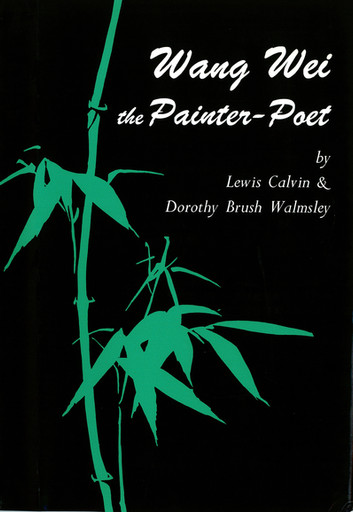
Description
Wang Wei the Painter-Poet: A Comprehensive Study of China’s Renaissance Master
Wang Wei, the Painter-Poet, explores the life of an eighth-century Chinese genius. This painter-poet mastered multiple artistic disciplines during the Tang Dynasty’s golden age. Moreover, his influence on Chinese landscape painting remains unmatched to this day. The book offers readers deep insights into this remarkable artist’s creative world.
Lewis Calvin and Dorothy Brush Walmsley present a detailed examination of Wang Wei’s achievements. Furthermore, they reveal how this painter-poet shaped Chinese art for centuries. The authors compare his versatility to Leonardo da Vinci’s multifaceted genius.
Understanding the Painter-Poet Wang Wei
Wang Wei lived during China’s most brilliant cultural period. Indeed, the Tang Dynasty produced countless artistic innovations and masterpieces. However, Wang Wei stood out among all his talented contemporaries. His dual mastery of painting and poetry earned him legendary status.
The painter-poet earned the title “Great” for his exceptional poetic works. Meanwhile, he revolutionized Chinese landscape painting with groundbreaking techniques. Therefore, scholars consider him the father of pure Chinese landscape art.
The Tang Dynasty’s Golden Age
The eighth century marked China’s most vibrant cultural flowering in history. Consequently, artists and poets enjoyed unprecedented support and recognition. The Tang Dynasty created ideal conditions for the flourishing of creative genius.
Wang Wei thrived in this environment of artistic excellence and innovation. Moreover, he contributed significantly to making this period historically memorable. His work exemplified the era’s highest artistic achievements and standards.
Wang Wei’s Multifaceted Genius
This remarkable individual excelled in numerous fields beyond painting and poetry. Indeed, his talents extended to music, medicine, and government service. Therefore, comparisons to Leonardo da Vinci seem entirely appropriate and justified.
Whatever Wang Wei attempted, he performed with exceptional skill and mastery. Furthermore, he approached each discipline with dedication and innovative thinking. His versatility remains rare even among history’s greatest creative minds.
Revolutionary Contributions to Chinese Painting
Wang Wei pioneered the use of monochromes in Chinese landscape painting. Moreover, he developed advanced techniques that influenced generations of artists. His innovations fundamentally changed how Chinese artists approached their craft.
The painter-poet introduced new methods for capturing nature’s essence on paper. Consequently, his techniques became standard practice throughout the history of Chinese art. These contributions established him as a true artistic revolutionary.
The Innovation of Horizontal Scrolls
Wang Wei created the long horizontal Chinese scroll format still used today. Indeed, some of his scrolls stretched over twenty feet in length. This innovation allowed artists to depict expansive landscapes in unprecedented ways.
The horizontal scroll format revolutionized Chinese narrative and landscape painting. Furthermore, it enabled artists to continuously show journeys and changing scenes. Therefore, this format became a defining characteristic of Chinese art.
Key Artistic Innovations by Wang Wei
The painter-poet introduced several groundbreaking techniques and formats to Chinese art:
- Monochrome painting techniques: Using single colors to create depth and atmosphere
- Horizontal scroll format: Enabling expansive landscape narratives over twenty feet long
- Pure landscape painting: Focusing solely on nature without human subjects
- Advanced brushwork methods: Developing new ways to capture natural elements
- Poetic integration: Combining written poetry with visual art seamlessly
These innovations transformed Chinese art and influenced countless future generations. Moreover, they established standards that artists still follow today.
Wang Wei as Master Poet
Beyond his painting achievements, Wang Wei earned recognition as a great poet. Indeed, his poetry captured nature’s beauty with exceptional clarity and depth. The title “Great” reflected his peers’ profound respect for his work.
His poems often complemented his paintings, creating unified artistic expressions. Furthermore, this integration of poetry and painting became a Chinese tradition. Therefore, Wang Wei’s influence extended across multiple artistic disciplines simultaneously.
The Book’s Approach and Content
Lewis Calvin and Dorothy Brush Walmsley provide a thorough historical context throughout. Moreover, they explain Wang Wei’s techniques in an accessible, understandable language. The book includes numerous black-and-white illustrations of his work.
Readers gain insights into both Wang Wei’s artistic methods and philosophy. Furthermore, the authors explore how his work reflected Tang Dynasty culture. Therefore, the book serves as both biography and art history.
Comparing Wang Wei to Leonardo da Vinci
Both masters demonstrated extraordinary versatility across multiple disciplines. Indeed, Wang Wei’s range of talents matched Leonardo’s remarkable breadth. However, Wang Wei achieved his greatness centuries before the Italian Renaissance.
Like Leonardo, Wang Wei beautifully combined scientific observation with artistic expression. Moreover, both men served in official capacities while pursuing art. Therefore, these parallels highlight Wang Wei’s exceptional place in world history.
The Father of Chinese Landscape Painting
Art historians acknowledge Wang Wei as the founder of pure landscape painting. Indeed, he established conventions that defined Chinese landscape art for centuries. His approach emphasized capturing nature’s spiritual essence rather than details.
The painter-poet believed landscapes should evoke emotional and philosophical responses. Consequently, his work inspired a distinctly Chinese approach to nature painting. Therefore, his influence profoundly shaped an entire artistic tradition.
Wang Wei’s Medical and Musical Talents
Beyond art and poetry, Wang Wei practiced medicine with considerable skill. Moreover, he composed music and played instruments at an expert level. These additional talents demonstrated his truly Renaissance-like character and abilities.
His medical knowledge informed his understanding of natural materials and pigments. Furthermore, his musical training influenced his sense of rhythm in poetry. Therefore, all his skills interconnected and enhanced each other beautifully.
Service as a Government Official
Wang Wei also served the Tang Dynasty government in various official capacities. Indeed, he successfully balanced artistic pursuits with administrative responsibilities. This dual life reflected the Chinese ideal of the scholar-official.
His government service provided financial stability for his artistic work. Moreover, it gave him access to elite cultural circles and patrons. Therefore, his official position supported rather than hindered his creativity.
The Book’s Historical Significance
This study remains one of the most comprehensive English-language examinations available. Furthermore, it effectively makes Wang Wei’s achievements accessible to Western readers. The authors bridge cultural gaps with clear explanations and context.
Published in 1968, the book introduced many Western readers to Wang Wei. Moreover, it helped establish his reputation outside China and East Asia. Therefore, it played an important role in cross-cultural artistic understanding.
Who Should Read This Book
Art history students will find this book invaluable for understanding Chinese painting. Moreover, poetry enthusiasts can explore the painter-poet’s literary achievements thoroughly. Anyone interested in Tang Dynasty culture will gain significant insights.
Readers who appreciate Renaissance figures like Leonardo will recognize Wang Wei’s genius. Furthermore, those studying East-West cultural connections will find important parallels. Therefore, the book appeals to diverse audiences with varied interests.
Understanding Tang Dynasty Culture Through Wang Wei
Wang Wei’s life and work illuminate the broader culture of the Tang Dynasty. Indeed, his achievements reflect the era’s values and artistic priorities. The book uses his biography to explain this pivotal period.
The Tang Dynasty valued education, artistic excellence, and cultural refinement highly. Moreover, it supported artists and poets through patronage and official positions. Therefore, Wang Wei’s success exemplified the era’s cultural ideals perfectly.
The Legacy of the Painter-Poet
Wang Wei’s influence on Chinese art continues to this day. Indeed, contemporary Chinese artists still study his techniques and philosophy. His integration of poetry and painting remains a defining tradition.
The painter-poet established standards that shaped Chinese aesthetics for over a millennium. Furthermore, his work significantly influenced Japanese and Korean art traditions. Therefore, his legacy extends broadly throughout East Asian culture.
Technical Innovations in Detail
Wang Wei developed specific brushwork techniques for effectively depicting natural elements. Moreover, he pioneered methods for suggesting depth without Western perspective systems. His monochrome work demonstrated how limitations on color could enhance expression.
The horizontal scroll format required new compositional approaches and narrative strategies. Furthermore, it demanded viewers engage with art through time and movement. Therefore, Wang Wei’s technical innovations changed how people experienced paintings.
Spiritual Dimensions of Wang Wei’s Art
The painter-poet infused his work with Buddhist and Daoist philosophical concepts. Indeed, his landscapes often conveyed spiritual truths through natural imagery. This approach made his art deeply meaningful beyond mere representation.
Wang Wei believed art should inspire contemplation and inner peace in viewers. Moreover, he used nature to express universal truths about existence. Therefore, his work functioned as both art and spiritual practice.
The Book’s Illustrations and Visual Content
The volume includes numerous black and white reproductions of Wang Wei’s work. Moreover, these illustrations help readers understand the techniques the authors discuss. The visual content effectively makes the book accessible to non-specialists.
Readers can examine Wang Wei’s brushwork and compositional choices directly through illustrations. Furthermore, the images clearly demonstrate his innovations in landscape painting. Therefore, the book combines scholarly text with valuable visual documentation.
Accessibility for Western Readers
The authors write in clear, straightforward English without excessive jargon. Moreover, they explain Chinese cultural concepts in terms that Western readers understand. This approach makes Wang Wei’s world accessible across cultural boundaries.
The book avoids assuming prior knowledge of Chinese art or history. Furthermore, it provides the necessary context for fully understanding Wang Wei’s achievements. Therefore, even newcomers to Chinese art can appreciate the content.
Why Wang Wei Matters Today
Contemporary artists continue drawing inspiration from the painter-poet’s innovative approaches. Indeed, his integration of different art forms remains relevant today. Modern interdisciplinary artists recognize Wang Wei as a pioneering predecessor.
His emphasis on capturing nature’s essence rather than details resonates currently. Moreover, his spiritual approach to art offers alternatives to purely commercial perspectives. Therefore, Wang Wei’s philosophy speaks to contemporary concerns about art’s purpose.
The Book’s Enduring Value
Despite its publication in 1968, this study remains a valuable resource today. Indeed, few English-language books examine Wang Wei so thoroughly and accessibly. The authors’ scholarship and clear writing ensure continued relevance.
New generations of readers continue discovering Wang Wei through this accessible introduction. Moreover, the book serves as a foundation for further study. Therefore, it maintains its position as an essential text decades later.
Conclusion: Celebrating a Timeless Genius
Wang Wei, the Painter-Poet, offers readers a comprehensive introduction to this master. Moreover, it demonstrates why Wang Wei deserves recognition alongside Western Renaissance figures. The book celebrates an artist whose influence spans over twelve centuries.
Lewis Calvin and Dorothy Brush Walmsley have created an accessible, informative study. Furthermore, they reveal how one individual shaped an entire artistic tradition. Therefore, this book remains essential reading for anyone interested in art history.
The painter-poet Wang Wei exemplifies human creative potential at its highest level. Indeed, his achievements across multiple disciplines inspire readers worldwide. This book ensures his legacy continues reaching new audiences worldwide.






Reviews
There are no reviews yet