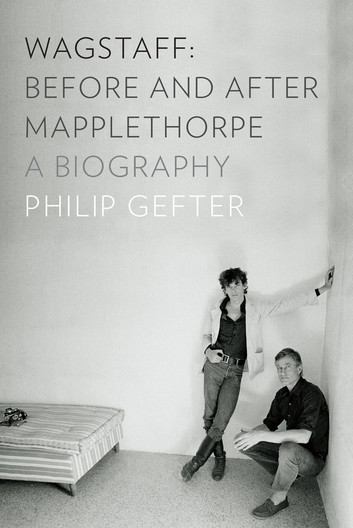
Description
Wagstaff: Before and After Mapplethorpe – The Definitive Biography of Art’s Most Influential Curator
Introduction to Wagstaff: Before and After Mapplethorpe and Sam Wagstaff’s Legacy
“Wagstaff: Before and After Mapplethorpe: A Biography” by Philip Gefter chronicles the extraordinary life of Sam Wagstaff. This groundbreaking biography reveals how one visionary curator transformed contemporary photography and shaped twentieth-century American art. Moreover, “Wagstaff: Before and After Mapplethorpe” explores the complex relationship between Wagstaff and photographer Robert Mapplethorpe.
The book examines how their partnership revolutionized art collecting, curation, and cultural attitudes toward photography. Furthermore, Philip Gefter’s Wagstaff biography illuminates a man who championed photography when museums dismissed it. Additionally, “Wagstaff: Before and After Mapplethorpe” documents Wagstaff’s journey from closeted society figure to openly gay cultural pioneer. This essential biography celebrates the curator who almost invented the idea of photography as fine art.
Philip Gefter wrote this comprehensive biography of Sam Wagstaff because his influence deserves recognition beyond his association with Mapplethorpe. The art curator’s vision and collecting philosophy changed how institutions and collectors value photographic works. Therefore, “Wagstaff: Before and After Mapplethorpe” restores Wagstaff to his rightful place in art history.
Sam Wagstaff: The Man Who Revolutionized Art Curation and Photography Collecting
Sam Wagstaff emerged from privileged Upper East Side Manhattan society to become contemporary photography’s greatest champion. Born into wealth and social prominence, he initially pursued traditional paths through elite institutions. However, Wagstaff’s true passion lay in discovering and elevating undervalued art forms, particularly photography. Moreover, his curatorial vision extended far beyond conventional museum practices and established hierarchies.
“Wagstaff: Before and After Mapplethorpe” reveals how this art curator developed his revolutionary approach to collecting. He recognized photography’s artistic merit when major museums relegated it to archives and historical collections. Additionally, Sam Wagstaff possessed an extraordinary eye for quality, innovation, and cultural significance in photographic works. Furthermore, he combined scholarly knowledge with an intuitive understanding of visual power and emotional resonance.
The Wagstaff biography demonstrates how he built one of the twentieth century’s most important photography collections. He acquired works systematically, studying photography’s history while identifying contemporary talents who would define the medium. As a result, Wagstaff’s collection became a comprehensive survey of photography’s evolution and artistic possibilities. Meanwhile, his collecting philosophy influenced generations of curators, collectors, and institutions worldwide.
Philip Gefter’s “Wagstaff: Before and After Mapplethorpe” also explores the curator’s personal magnetism and cultural influence. Sam Wagstaff moved effortlessly through New York’s art world, connecting artists, collectors, dealers, and institutions. Therefore, he served as a catalyst, mentor, and visionary, reshaping how people understood photography’s place.
The Pre-Mapplethorpe Era: Wagstaff’s Early Career and Artistic Vision
Before meeting Robert Mapplethorpe, Sam Wagstaff established himself as a respected curator and figure in the art world. “Wagstaff: Before and After Mapplethorpe” chronicles his early career at major institutions and his evolving interests. Moreover, this period reveals the foundation of his later revolutionary work in photography collecting and curation.
Wagstaff initially worked in traditional museum roles, gaining expertise in painting, sculpture, and decorative arts. However, he gradually recognized photography’s untapped potential as a serious artistic medium deserving institutional recognition. Additionally, the art curator began questioning established hierarchies that privileged painting and sculpture over photographic works. Furthermore, his intellectual curiosity led him to study the technical evolution and aesthetic possibilities of photography.
The Wagstaff biography details his growing conviction that photography represented the twentieth century’s most vital art form. He observed how photography captured modern life, documented social change, and created new visual languages. As a result, Sam Wagstaff began systematically collecting photographs, building knowledge, and developing his discriminating eye. Meanwhile, he advocated for the inclusion of photography in museum exhibitions and permanent collections.
“Wagstaff: Before and After Mapplethorpe” shows how his pre-Mapplethorpe years laid the foundation for the vision that would define his legacy. He developed relationships with photographers, dealers, and fellow collectors who shared his passion for the medium. Therefore, when he met Mapplethorpe, Wagstaff possessed both the expertise and resources to nurture extraordinary talent.
Wagstaff’s Revolutionary Influence on Contemporary Photography and Art Collecting
Sam Wagstaff’s impact on contemporary photography cannot be overstated, and Philip Gefter’s biography documents this influence comprehensively. “Wagstaff: Before and After Mapplethorpe” reveals how one curator’s vision elevated an entire artistic medium. Moreover, Wagstaff’s collecting philosophy and advocacy transformed institutional attitudes toward photography as fine art.
The art curator championed photography through strategic collecting, generous lending, and passionate advocacy at major museums. He convinced skeptical curators and directors that photography deserved gallery space alongside painting and sculpture. Additionally, Sam Wagstaff’s collection demonstrated photography’s historical depth, technical sophistication, and aesthetic power to doubting institutions. Furthermore, his willingness to share his collection through exhibitions made photography accessible to broader audiences.
“Wagstaff: Before and After Mapplethorpe” explains how the curator’s influence extended beyond institutional recognition to market transformation. His collecting drove up prices for photographic works, creating economic viability for photographers and dealers. As a result, photography became a legitimate investment category for serious collectors and cultural institutions. Meanwhile, Wagstaff’s example inspired other collectors to build significant photography collections.
The Wagstaff biography also addresses his role in establishing the critical discourse and scholarly framework of photography. He encouraged serious writing about photography, supported publications, and fostered intellectual engagement with the medium. Therefore, Sam Wagstaff helped create the infrastructure that sustains photography’s position in contemporary art today.
The Mapplethorpe Relationship: Love, Mentorship, and Cultural Transformation
The relationship between Sam Wagstaff and Robert Mapplethorpe forms the emotional and cultural center of this biography. “Wagstaff: Before and After Mapplethorpe” explores their complex partnership as lovers, collaborators, and mutual inspirations. Moreover, Philip Gefter examines how their relationship transformed both men and profoundly influenced contemporary art.
Wagstaff met the young Mapplethorpe in 1972, beginning a relationship that would last until Wagstaff’s death. The art curator, twenty-five years older, recognized Mapplethorpe’s extraordinary talent and provided crucial support and resources. Additionally, Sam Wagstaff offered the photographer access to his vast knowledge of art history and photographic traditions. Furthermore, their relationship gave Mapplethorpe financial stability to develop his distinctive aesthetic and controversial subject matter.
The Wagstaff biography reveals how Mapplethorpe influenced the curator’s collecting and personal life equally profoundly. The photographer introduced Wagstaff to New York’s underground gay culture, BDSM communities, and avant-garde artistic circles. However, “Wagstaff: Before and After Mapplethorpe” shows that this was a relationship of mutual growth and transformation. As a result, both men evolved artistically, personally, and culturally through their intense connection.
Philip Gefter’s biography also examines the relationship’s challenges, including age differences, power dynamics, and eventual separation. Yet their bond endured beyond romantic partnership, evolving into deep friendship and continued professional collaboration. Meanwhile, their relationship became emblematic of gay cultural life in 1970s and 1980s New York.
Ten Major Contributions Sam Wagstaff Made to the Art World
“Wagstaff: Before and After Mapplethorpe” documents the curator’s transformative impact across multiple dimensions of contemporary art. Philip Gefter’s biography reveals how Sam Wagstaff’s vision and actions reshaped institutional practices and cultural attitudes. Moreover, his contributions continue to influence how museums, collectors, and audiences engage with photography today. The major accomplishments include:
- Photography as Fine Art – Championed photography’s recognition as a legitimate artistic medium deserving of museum exhibition and collection
- Institutional Transformation – Convinced major museums to establish photography departments and dedicate gallery space to photographic works
- Market Creation – Drove economic value for photography, creating viable markets for photographers, dealers, and collectors.
- Collection Building – Assembled one of the twentieth century’s most comprehensive and important photography collections.
- Artist Support – Provided crucial financial and emotional support to emerging photographers, particularly Robert Mapplethorpe.
- Historical Scholarship – Advanced, serious study of photography’s history, techniques, and aesthetic evolution
- Exhibition Innovation – Organized groundbreaking exhibitions that presented photography alongside traditional fine arts
- Collector Inspiration – Inspired generations of collectors to build significant photography collections and support living photographers
- Cultural Advocacy – Used his social position and connections to advocate for photography in elite cultural circles.
- LGBTQ+ Visibility – Lived openly as a gay man in the art world, supporting queer artists and subjects
Each contribution receives detailed treatment in “Wagstaff: Before and After Mapplethorpe” with specific examples and lasting impact. Additionally, Philip Gefter explains how these accomplishments built on one another to create systemic change. Furthermore, the Wagstaff biography demonstrates that his influence extended far beyond individual achievements, reshaping entire systems.
Navigating Gay Identity: Wagstaff’s Journey from Closet to Cultural Pioneer
Sam Wagstaff’s personal journey regarding his sexual identity forms a crucial dimension of Philip Gefter’s biography. “Wagstaff: Before and After Mapplethorpe” traces his evolution from closeted society figure to openly gay cultural leader. Moreover, this transformation occurred during a pivotal period in LGBTQ+ history and cultural visibility.
Born into conservative Upper East Side society, Wagstaff initially lived a closeted life constrained by social expectations. The art curator maintained appearances while privately exploring his sexuality within limited, hidden communities. However, meeting Mapplethorpe catalyzed Wagstaff’s personal transformation and public assertion of his gay identity. Additionally, their relationship gave him the courage to live authentically despite potential social and professional consequences.
“Wagstaff: Before and After Mapplethorpe” documents how the curator’s openness influenced the art world’s attitudes toward LGBTQ+ artists. He championed gay photographers and artists, collected works with queer themes, and supported exhibitions exploring sexuality. Furthermore, Sam Wagstaff used his social position to normalize gay relationships within elite cultural circles. As a result, he helped create space for other LGBTQ+ individuals in museums and collecting communities.
The Wagstaff biography also addresses the courage required to live openly during the pre-Stonewall and early gay liberation eras. Philip Gefter contextualizes Wagstaff’s choices within the period’s legal restrictions, social stigma, and professional risks. Therefore, “Wagstaff: Before and After Mapplethorpe” celebrates the curator’s personal bravery alongside his professional achievements.
Legacy, Cultural Impact, and Wagstaff’s Enduring Influence on Contemporary Art
Sam Wagstaff’s legacy extends far beyond his lifetime, and Philip Gefter’s biography documents this ongoing influence in detail. “Wagstaff: Before and After Mapplethorpe” demonstrates how one visionary curator’s work permanently transformed institutional practices and cultural attitudes. Moreover, Wagstaff’s collecting philosophy and advocacy created frameworks that sustain photography’s position in contemporary art today.
The art curator’s collection, eventually donated to the J. Paul Getty Museum, remains one of the most important in photography. It provides a comprehensive survey of the medium’s evolution from nineteenth-century origins through contemporary innovations. Additionally, Sam Wagstaff’s collecting demonstrated that a systematic, scholarly approach could build museum-quality collections in emerging fields. Furthermore, his example inspired countless collectors to pursue photography seriously and to support living photographers financially.
“Wagstaff: Before and After Mapplethorpe” also explores how the curator permanently influenced museum practices and institutional priorities. Major museums now maintain photography departments, dedicate gallery space to photographic exhibitions, and actively collect contemporary photography. As a result, photographers enjoy recognition, economic support, and cultural legitimacy that were previously impossible. Meanwhile, photography has become central to contemporary art discourse rather than a peripheral or secondary medium.
The Wagstaff biography also addresses his influence on subsequent generations of curators, collectors, and cultural leaders. Philip Gefter shows how Wagstaff’s vision, generosity, and intellectual rigor established standards for serious collecting and curation. Therefore, his legacy lives on through institutions, collections, and individuals who continue to champion undervalued art forms today.
The AIDS Crisis Era: Historical Context and Cultural Loss
“Wagstaff: Before and After Mapplethorpe” necessarily addresses the AIDS crisis that claimed both Wagstaff’s and Mapplethorpe’s lives. Sam Wagstaff died in 1987 at age sixty-five, and Mapplethorpe followed two years later. Moreover, Philip Gefter contextualizes their deaths within the broader devastation that AIDS inflicted on the art world. This historical context adds poignancy and urgency to understanding their contributions and cultural significance.
The art curator’s death came as AIDS decimated New York’s creative communities, claiming countless artists, curators, and cultural leaders. “Wagstaff: Before and After Mapplethorpe” documents how the epidemic transformed the art world Wagstaff helped create. Additionally, the biography explores how AIDS activism and awareness influenced artistic production and cultural discourse. Furthermore, Gefter examines how Mapplethorpe’s work gained additional significance as documentation of communities and individuals lost.
The Wagstaff biography also addresses how AIDS shaped public memory and historical understanding of this era. Many pioneering figures died before their contributions received full recognition or proper documentation. However, Philip Gefter’s “Wagstaff: Before and After Mapplethorpe” helps restore Sam Wagstaff’s story and ensure his influence receives deserved acknowledgment. As a result, readers understand both the individual loss and the collective cultural devastation the epidemic caused.
Conclusion: Why Wagstaff: Before and After Mapplethorpe Matters Today
“Wagstaff: Before and After Mapplethorpe: A Biography” by Philip Gefter stands as essential reading for understanding contemporary art history. This comprehensive Wagstaff biography illuminates how one visionary curator transformed photography from a neglected medium to a central art form.
Moreover, “Wagstaff: Before and After Mapplethorpe” reveals the personal courage, intellectual rigor, and cultural vision required to reshape institutions. Furthermore, Philip Gefter’s biography celebrates Sam Wagstaff’s enduring influence on museums, collectors, and artists worldwide.
The book demonstrates that individual passion and commitment can transform entire cultural systems and attitudes. Additionally, “Wagstaff: Before and After Mapplethorpe” provides crucial LGBTQ+ history, documenting how gay cultural leaders shaped twentieth-century art. For anyone interested in photography, art history, museum practices, or cultural biography, this compelling work offers invaluable insight. Ultimately, “Wagstaff: Before and After Mapplethorpe” ensures that Sam Wagstaff’s revolutionary legacy receives the recognition it deserves.




Reviews
There are no reviews yet.