Description
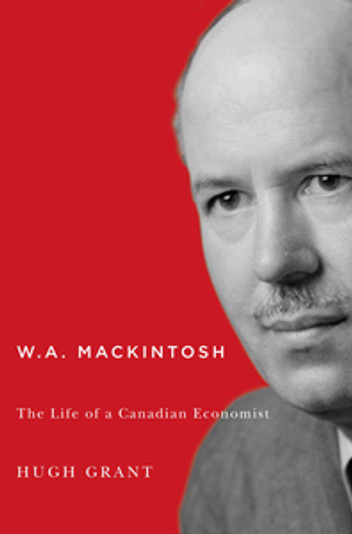
W.A. Mackintosh Canadian Economist: A Comprehensive Biography by Hugh Grant
William Archibald Mackintosh stands as one of Canada’s most influential economic thinkers of the twentieth century. Hugh Grant’s biography, published in the prestigious Carleton Library Series, explores the remarkable life of W.A. Mackintosh Canadian economist and nation-builder. This comprehensive work examines how Mackintosh shaped Canadian economic policy during critical periods. Furthermore, it reveals his profound impact on academic institutions and government alike.
Early Life and Academic Formation of W.A. Mackintosh Canadian Economist
Born in 1895 in Madoc, Ontario, Mackintosh grew up in modest circumstances. His rural upbringing profoundly influenced his later economic theories about regional development. Consequently, he developed a deep understanding of Canada’s agricultural economy from firsthand experience. He pursued higher education at Queen’s University, where his intellectual gifts quickly became apparent.
Mackintosh’s academic journey took him to Harvard University for graduate studies. There, he encountered leading economic thinkers who shaped his analytical approach. Nevertheless, he remained committed to understanding uniquely Canadian economic challenges. His doctoral research focused on agricultural economics and staple production theory.
The Staples Thesis and Economic Theory
Mackintosh became renowned for developing the staples thesis of economic development. This groundbreaking theory explained how resource extraction shaped Canadian economic history. Moreover, it provided a framework for understanding colonial and post-colonial economies worldwide. His work built upon Harold Innis’s earlier contributions while adding crucial refinements.
The staples approach examined how fur, fish, timber, and wheat drove Canadian growth. Mackintosh argued that staple exports created distinct patterns of settlement and development. Additionally, he explored how dependence on primary resources affected institutional evolution. His theoretical contributions remain influential in economic history and development studies today.
W.A. Mackintosh’s Career at Queen’s University
Mackintosh joined Queen’s University’s economics department in 1920 as a young professor. His teaching excellence and research productivity quickly earned him recognition. Subsequently, he became department head and shaped generations of Canadian economists. His colleagues respected his intellectual rigor and commitment to public service.
During his Queen’s tenure, Mackintosh published numerous influential papers and books. He established the university as a leading center for economic research. Furthermore, he mentored students who themselves became prominent economists and policymakers. His academic leadership extended beyond economics to broader university governance.
In 1951, Mackintosh became Principal of Queen’s University, serving until 1961. This appointment recognized his administrative abilities and institutional vision. Therefore, he could implement reforms that modernized the university’s structure and curriculum. His principalship marked a transformative period in Queen’s history.
Government Service and Policy Influence
Beyond academia, W.A. Mackintosh Canadian economist served his country in crucial advisory roles. During World War II, he joined the federal civil service in Ottawa. His expertise proved invaluable in managing Canada’s wartime economy and planning postwar reconstruction. Consequently, he influenced policies that shaped Canada’s economic trajectory for decades.
Mackintosh worked closely with Prime Minister Mackenzie King’s government on economic planning. He helped design policies for industrial mobilization and resource allocation during wartime. Moreover, he contributed to social policy development, including unemployment insurance and welfare programs. His practical policy work complemented his theoretical contributions.
After the war, Mackintosh continued advising governments on economic matters. He served on numerous royal commissions and advisory committees. Additionally, he represented Canada at international economic conferences and negotiations. His reputation as a trusted advisor spanned multiple administrations and political parties.
Key Contributions and Achievements
W.A. Mackintosh’s legacy encompasses multiple dimensions of Canadian intellectual and public life. His contributions fundamentally altered how Canadians understood their economic development. The following list highlights his most significant achievements:
Major Contributions:
- Staples Thesis Development – Refined and expanded the theory explaining Canadian economic growth through resource exports
- Wartime Economic Planning – Designed policies that successfully mobilized Canada’s economy during World War II
- Social Policy Architecture – Helped create foundational welfare state programs including unemployment insurance
- Academic Institution Building – Transformed Queen’s University into a leading research institution during his principalship
- International Representation – Represented Canadian interests at Bretton Woods and other crucial international conferences
- Regional Economics – Advanced understanding of how geography and resources shape regional development patterns
- Agricultural Economics – Pioneered research on prairie agriculture and wheat economy dynamics
- Public Service Model – Demonstrated how academics could effectively contribute to practical policymaking
Mackintosh’s Intellectual Legacy
The intellectual framework Mackintosh developed continues influencing economic thought today. His staples approach remains essential for understanding resource-dependent economies globally. Furthermore, scholars still debate and refine his theoretical contributions in contemporary contexts. His work bridges economic history, development economics, and political economy.
Mackintosh’s writing style combined rigorous analysis with accessible prose. He believed economists should communicate clearly with policymakers and the public. Therefore, his publications reached audiences beyond narrow academic circles. This commitment to public engagement distinguished him from many contemporaries.
His influence extended through his students, who carried his ideas forward. Many became leading economists, civil servants, and university administrators themselves. Consequently, Mackintosh’s intellectual lineage shaped Canadian economics for generations. His mentorship model emphasized both theoretical rigor and practical relevance.
Hugh Grant’s Biographical Approach
Author Hugh Grant brings unique qualifications to this biographical project. As an economist himself, Grant understands Mackintosh’s theoretical contributions deeply. Moreover, his historical sensibility allows him to contextualize Mackintosh’s life within broader developments. The biography balances personal narrative with intellectual history effectively.
Grant conducted extensive archival research for this comprehensive study. He examined Mackintosh’s personal papers, correspondence, and unpublished manuscripts. Additionally, he interviewed people who knew Mackintosh personally and professionally. This thorough research foundation ensures biographical accuracy and depth.
The book situates Mackintosh within Canadian intellectual and political history. Grant explores how Mackintosh interacted with other prominent figures of his era. Furthermore, he examines the institutional contexts that shaped Mackintosh’s career opportunities. This contextual approach enriches our understanding of both the man and his times.
The Carleton Library Series Context
Publication in the Carleton Library Series signals this biography’s scholarly importance. This prestigious series makes significant Canadian works accessible to contemporary readers. Moreover, it ensures the book meets rigorous academic standards while remaining readable. The series has published essential texts in Canadian studies since 1963.
The Carleton Library Series focuses on Canadian history, politics, and culture. Including Mackintosh’s biography acknowledges his central place in Canadian intellectual history. Therefore, this publication ensures his legacy remains available to new generations. The series provides an appropriate home for this important biographical work.
Grant’s biography joins other distinguished volumes examining Canadian nation-builders and thinkers. The series has featured political leaders, writers, and scholars who shaped Canada. Consequently, Mackintosh’s inclusion recognizes his comparable significance to Canadian development. This context elevates the biography’s status within Canadian historiography.
Personal Life and Character
Beyond his professional achievements, Mackintosh was known for his personal integrity. Colleagues and students remembered his kindness, humility, and genuine interest in others. Nevertheless, he maintained high standards and expected excellence from those around him. His leadership style combined warmth with intellectual rigor.
Mackintosh married and raised a family while pursuing his demanding career. He balanced professional obligations with family commitments throughout his life. Moreover, he maintained friendships across academic, government, and community spheres. These personal relationships enriched his understanding of Canadian society.
His character reflected values shaped by his rural Ontario upbringing. Hard work, practical wisdom, and community service remained central to his identity. Additionally, he possessed a quiet patriotism that motivated his public service. These personal qualities made him effective in both academic and government roles.
Challenges and Controversies
Like any significant figure, Mackintosh faced challenges and occasional controversies during his career. His wartime government service required difficult decisions about resource allocation and economic controls. Furthermore, some criticized his policy recommendations as too interventionist or insufficiently radical. Grant’s biography examines these controversies with balanced perspective.
As Queen’s Principal, Mackintosh navigated institutional politics and competing stakeholder interests. Budget constraints and changing educational expectations created ongoing challenges. Nevertheless, he maintained his vision for the university’s development despite obstacles. His administrative tenure involved both successes and setbacks.
Some contemporary economists questioned aspects of the staples thesis methodology. Critics argued it overemphasized resource exports while neglecting other economic factors. However, Mackintosh engaged these critiques constructively and refined his arguments accordingly. This intellectual openness strengthened his theoretical contributions over time.
Impact on Canadian Economic Policy
Mackintosh’s influence on Canadian economic policy extended far beyond his government service. His ideas shaped how policymakers understood regional disparities and development challenges. Consequently, programs addressing regional economic development reflected his analytical framework. His intellectual legacy became embedded in policy institutions.
The postwar welfare state bore Mackintosh’s imprint through his advisory work. Social insurance programs reflected his belief in government’s role in economic security. Moreover, his vision of balanced regional development influenced infrastructure and investment policies. These policy legacies continue affecting Canadian governance today.
Mackintosh advocated for evidence-based policymaking grounded in rigorous economic analysis. He demonstrated how academic research could inform practical government decisions. Therefore, he helped establish traditions of expert policy advice in Canadian governance. This model of academic-government collaboration remains influential.
International Recognition and Influence
While primarily focused on Canadian issues, Mackintosh gained international recognition for his work. His staples thesis influenced development economists studying other resource-dependent economies. Furthermore, his wartime service brought him into contact with leading international policymakers. He represented Canada effectively on the global stage.
Mackintosh participated in the Bretton Woods conference that established postwar international financial institutions. His contributions helped shape the International Monetary Fund and World Bank. Additionally, he advised on international trade negotiations and economic cooperation agreements. These activities enhanced Canada’s international economic standing.
Scholars worldwide continue citing Mackintosh’s work in economic history and development studies. His theoretical framework has been applied to Latin American, African, and Asian economies. Moreover, his methodological approaches influenced how economists study long-term economic change. This international impact extends his legacy beyond Canadian borders.
The Book’s Structure and Content
Grant organizes the biography chronologically while exploring thematic dimensions of Mackintosh’s life. Early chapters examine his formative years and academic training. Subsequently, the narrative follows his career progression through teaching, research, and administration. Later chapters address his government service and policy influence.
The book includes detailed analysis of Mackintosh’s major publications and theoretical contributions. Grant explains complex economic concepts accessibly for general readers. Moreover, he situates these ideas within broader intellectual currents of the period. This approach makes the biography valuable for both specialists and general audiences.
Personal dimensions receive attention alongside professional achievements throughout the narrative. Grant incorporates letters, diary entries, and personal recollections to illuminate Mackintosh’s character. Therefore, readers gain insight into the man behind the professional accomplishments. This balanced approach creates a fully rounded biographical portrait.
Significance for Contemporary Readers
This biography offers valuable lessons for contemporary economists, policymakers, and citizens. Mackintosh’s career demonstrates how rigorous analysis can inform effective public policy. Furthermore, his example shows academics can contribute meaningfully to practical governance. These lessons remain relevant amid current policy challenges.
Understanding Mackintosh’s work helps explain contemporary Canadian economic structures and regional disparities. His analytical framework illuminates ongoing debates about resource development and economic diversification. Consequently, the biography provides historical context for current policy discussions. This historical perspective enriches contemporary economic understanding.
The book also illustrates how individuals can shape national development through ideas and service. Mackintosh’s influence extended through multiple channels: teaching, research, writing, and advising. Moreover, his legacy demonstrates the enduring power of rigorous, engaged scholarship. These themes resonate with anyone interested in public service and intellectual contribution.
Research Methodology and Sources
Grant’s research drew upon extensive archival materials from multiple repositories. Queen’s University Archives holds Mackintosh’s personal and professional papers. Additionally, Library and Archives Canada contains records from his government service. These primary sources provide the biographical foundation.
The author also consulted published works by and about Mackintosh extensively. Academic journals, government documents, and contemporary newspapers offered additional perspectives. Furthermore, Grant examined correspondence between Mackintosh and other prominent figures. This multi-source approach ensures comprehensive coverage.
Oral history interviews with surviving colleagues and students enriched the narrative. These personal recollections provided insights unavailable in written records. Moreover, they captured Mackintosh’s personality and interpersonal style vividly. Grant skillfully integrates these diverse sources into a coherent narrative.
Critical Reception and Scholarly Impact
Since publication, Grant’s biography has received acclaim from historians and economists alike. Reviewers praised its thorough research and balanced interpretation of Mackintosh’s contributions. Moreover, scholars appreciate how it illuminates broader Canadian intellectual history. The book has become the definitive biographical treatment.
The biography contributes to growing literature on Canadian economic thought and policy history. It complements other works examining figures like Harold Innis and John Kenneth Galbraith. Furthermore, it helps establish Canadian economics as a distinct intellectual tradition. This scholarly contribution extends beyond individual biography.
Educators have adopted the book in courses on Canadian history and economic thought. Its accessible style makes it suitable for undergraduate and graduate students. Additionally, it serves researchers studying twentieth-century Canadian intellectual and political history. This pedagogical utility enhances the book’s impact.
Conclusion: A Nation-Builder’s Legacy
Hugh Grant’s biography successfully captures W.A. Mackintosh’s multifaceted contributions to Canadian development. The book reveals how one individual’s ideas and service profoundly shaped national institutions. Moreover, it demonstrates the enduring relevance of Mackintosh’s analytical frameworks and policy insights. This comprehensive study ensures his legacy remains accessible to future generations.
W.A. Mackintosh Canadian economist exemplified the scholar-statesman ideal through his remarkable career. His theoretical innovations advanced economic understanding while his practical service strengthened Canadian governance. Furthermore, his institutional leadership transformed Queen’s University into a leading research institution. These combined contributions establish him as a towering figure in Canadian history.
Grant’s work in the Carleton Library Series provides an essential resource for understanding Canadian intellectual history. The biography balances scholarly rigor with narrative accessibility effectively. Therefore, it serves both academic researchers and general readers interested in Canadian development. This book stands as a fitting tribute to an extraordinary Canadian life.
For anyone seeking to understand how ideas shape nations, this biography offers invaluable insights. Mackintosh’s story illustrates the power of rigorous thinking combined with public service commitment. His legacy continues influencing how Canadians understand their economy and society today.






Reviews
There are no reviews yet.