Description
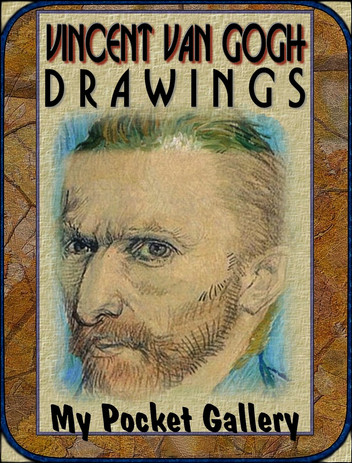
Vincent van Gogh: 81 Masterpieces of His Drawings – A Comprehensive Pocket Gallery Collection
Discover Vincent van Gogh’s Drawing Genius
Vincent van Gogh stands as one of history’s most celebrated artists. This remarkable collection showcases 81 masterpieces of his drawings. Daniel Coenn curates this exceptional volume in the My Pocket Gallery series. Furthermore, it offers unprecedented access to Van Gogh’s lesser-known drawing works.
The Art of Vincent van Gogh’s Drawings
Many people know Van Gogh for his vibrant paintings. However, his drawings reveal extraordinary technical skill and emotional depth. These 81 masterpieces demonstrate his evolution as an artist. Moreover, they showcase his unique approach to line, form, and composition.
Van Gogh created thousands of drawings throughout his career. He used pencil, pen, ink, and chalk with masterful precision. Additionally, his drawings served as studies for paintings and standalone artworks. Each piece reflects his intense observation of the world around him.
What Makes This Collection Special
This pocket gallery format makes art accessible to everyone. Consequently, readers can carry Van Gogh’s genius wherever they go. The compact design doesn’t compromise on quality or detail. Instead, it enhances the intimate viewing experience these drawings deserve.
Daniel Coenn carefully selected these 81 masterpieces for maximum impact. Therefore, the collection represents Van Gogh’s full range as a draftsman. From early sketches to mature works, each drawing tells a story. Similarly, they reveal the artist’s relentless pursuit of perfection.
Vincent van Gogh’s Drawing Techniques and Style
Van Gogh approached drawing with the same passion as painting. He experimented constantly with different materials and methods. His pen and ink drawings feature bold, expressive strokes. Meanwhile, his pencil works show delicate shading and subtle tonal variations.
The artist often used reed pens for distinctive line quality. These tools created thick and thin lines with organic variation. Furthermore, he employed cross-hatching to build depth and texture. His technique evolved from careful realism to expressive abstraction over time.
Van Gogh drew landscapes, portraits, still lifes, and figure studies. He captured peasants working in fields with dignity and respect. Additionally, he sketched flowers, trees, and architectural subjects with equal devotion. Each subject received his complete attention and emotional investment.
Key Features of This 81-Drawing Collection
This comprehensive volume offers numerous benefits for art enthusiasts:
- Complete Coverage: All 81 drawings reproduced with exceptional clarity
- Chronological Organization: Tracks Van Gogh’s artistic development over time
- Portable Format: Fits easily in bags, pockets, or on small shelves
- High-Quality Reproductions: Captures fine details and subtle textures accurately
- Affordable Access: Makes museum-quality art available to everyone
- Educational Value: Perfect for students, teachers, and art history enthusiasts
- Inspirational Resource: Ideal for artists seeking to study master techniques
- Collectible Edition: Part of the respected My Pocket Gallery series
The Historical Context of Van Gogh’s Drawings
Vincent van Gogh produced most of his drawings between 1880 and 1890. This decade marked his entire artistic career, tragically cut short. Nevertheless, he created an astonishing body of work during this time. His drawings number in the thousands, showcasing relentless productivity.
The artist viewed drawing as fundamental to his artistic practice. He drew daily, often creating multiple works in one sitting. Consequently, his skills improved rapidly through constant practice and experimentation. Drawing allowed him to work quickly and capture fleeting impressions.
Van Gogh studied the works of Jean-François Millet extensively. This French artist’s depictions of peasant life deeply influenced him. Similarly, he admired the bold lines of Japanese prints. These influences merged with his unique vision to create something entirely original.
Why These Drawings Matter Today
Van Gogh’s drawings reveal his artistic process like nothing else. They show how he observed, analyzed, and interpreted the world. Furthermore, they demonstrate that great art requires dedication and practice. His technical evolution inspires artists at every skill level.
These works also possess tremendous emotional power on their own. They don’t merely serve as preparatory studies for paintings. Instead, they stand as complete artistic statements with unique qualities. The immediacy of drawing captures Van Gogh’s energy and passion directly.
Modern audiences continue discovering new depths in these drawings. Each generation finds fresh relevance in his honest, emotional approach. Moreover, the drawings feel more intimate than his famous paintings. They offer a direct connection to the artist’s hand and mind.
The Value of the My Pocket Gallery Series
Daniel Coenn’s My Pocket Gallery series democratizes access to great art. These affordable volumes bring museum collections into everyday life. Consequently, more people can study and appreciate masterworks regularly. The series proves that art belongs to everyone, not just institutions.
The pocket format encourages frequent viewing and contemplation. Unlike large coffee table books, these volumes invite daily interaction. Therefore, readers develop deeper familiarity with the artworks over time. This repeated exposure enhances understanding and appreciation significantly.
Each volume in the series maintains rigorous quality standards. Reproductions accurately represent the original artworks’ character and detail. Additionally, the compact size doesn’t sacrifice image quality or clarity. The result is an optimal balance of portability and fidelity.
Understanding Van Gogh Through His Drawings
Drawings reveal Van Gogh’s working methods more clearly than paintings. They show his initial ideas and compositional experiments directly. Furthermore, they demonstrate his problem-solving process as he developed images. Studying these drawings provides insight into his creative thinking.
The artist’s letters frequently mention his drawing practice and goals. He considered drawing essential training for any serious artist. Moreover, he believed drawing taught observation skills crucial for all art. His commitment to this discipline shaped his entire artistic approach.
Van Gogh’s drawings also document his psychological and emotional states. The energy of his lines reflects his mental condition directly. During difficult periods, his marks become more agitated and intense. Conversely, calmer times produced more measured, controlled drawings.
Subjects and Themes in the Collection
This collection of 81 masterpieces covers Van Gogh’s favorite subjects comprehensively. Rural landscapes dominate many drawings, reflecting his love of nature. He captured fields, farms, and countryside with remarkable sensitivity. Additionally, he drew urban scenes from various cities he inhabited.
Portrait and figure drawings showcase his interest in humanity. He sketched peasants, workers, and ordinary people with profound empathy. These subjects appear dignified and noble under his careful observation. Similarly, his self-portraits reveal unflinching self-examination and honesty.
Still life drawings demonstrate his attention to simple, everyday objects. Shoes, books, flowers, and household items receive careful study. Furthermore, botanical subjects appear frequently, showing his fascination with growth. Each subject, however humble, receives his complete artistic attention.
Technical Aspects Worth Studying
Van Gogh’s line work deserves special attention from aspiring artists. He varied line weight to create depth and emphasis effectively. Bold outlines define major forms while delicate lines suggest details. Moreover, his directional marks follow forms to enhance three-dimensionality.
His use of negative space shows sophisticated compositional understanding. Empty areas balance detailed sections and guide the viewer’s eye. Consequently, his drawings never feel cluttered despite rich detail. This balance creates visual harmony and emotional impact simultaneously.
Texture creation through mark-making represents another technical strength. Different hatching patterns suggest various surfaces and materials convincingly. Additionally, he used stippling, scribbling, and other techniques inventively. His experimental approach kept his work fresh and dynamic.
The Educational Impact of This Volume
Art students benefit enormously from studying these 81 masterpieces closely. They can analyze Van Gogh’s techniques and apply lessons directly. Furthermore, the portable format allows study anywhere, anytime conveniently. This accessibility encourages more frequent and thorough examination than museum visits.
Teachers find this collection invaluable for classroom instruction and assignments. The variety of subjects and techniques provides numerous teaching opportunities. Moreover, the affordable price makes class sets financially feasible. Students can own their copies for continued reference and inspiration.
General readers gain appreciation for drawing as a serious art form. Many people undervalue drawings compared to paintings or sculptures. However, this collection demonstrates drawing’s expressive power and artistic validity. Consequently, viewers develop broader understanding of artistic media and methods.
Collecting and Preserving Artistic Legacy
The My Pocket Gallery series helps preserve Van Gogh’s legacy accessibly. While original drawings reside in museums worldwide, reproductions spread awareness. Therefore, more people encounter and appreciate his artistic contributions. This widespread exposure ensures his influence continues growing across generations.
Collecting art books creates personal museums in homes and offices. These volumes provide daily inspiration and aesthetic pleasure reliably. Additionally, they serve as references for creative projects and ideas. Building a collection becomes an affordable way to surround yourself with beauty.
This particular volume complements collections of Van Gogh’s paintings perfectly. Together, they present a complete picture of his artistic achievement. Furthermore, the drawings provide context for understanding his painted works better. Serious enthusiasts need both to fully appreciate his genius.
How to Use This Pocket Gallery
This compact format encourages various engaging uses beyond simple reading. Keep it nearby for quick inspiration during creative blocks or difficult moments. Additionally, use it for comparative study of different drawing techniques. The variety within these 81 masterpieces supports numerous analytical approaches.
Artists can copy drawings to practice Van Gogh’s techniques directly. This traditional learning method remains highly effective for skill development. Moreover, analyzing his compositional choices improves your own design abilities. Regular study gradually internalizes his sophisticated artistic principles unconsciously.
Share this volume with friends and family to spread appreciation. Discussing artworks together deepens understanding and enjoyment for everyone. Furthermore, it makes an excellent gift for art lovers of all ages. The affordable price and high quality make it perfect for any occasion.
The Enduring Appeal of Vincent van Gogh
Van Gogh’s popularity continues growing more than a century after his death. His emotional honesty and technical brilliance resonate across cultures universally. Moreover, his tragic life story adds poignant context to his works. People connect with his struggles and triumphs on deeply personal levels.
His drawings particularly appeal to those seeking authenticity and directness. They lack the commercial polish that sometimes distances viewers from art. Instead, they feel immediate, raw, and genuinely human in every mark. This authenticity makes them perpetually relevant and moving to contemporary audiences.
Modern artists still study and learn from his innovative approaches. His influence extends across multiple movements and styles continuously. Consequently, understanding his work remains essential for serious art education. These 81 masterpieces provide an excellent foundation for that understanding.
Conclusion: A Treasury of Artistic Excellence
Daniel Coenn’s collection of 81 Vincent van Gogh drawing masterpieces offers exceptional value. This My Pocket Gallery volume makes world-class art accessible and affordable. The carefully selected drawings represent the artist’s full range and development. Furthermore, the portable format encourages frequent viewing and deep familiarity.
Whether you’re an artist, student, teacher, or enthusiast, this collection serves you well. It provides inspiration, education, and aesthetic pleasure in equal measure. The drawings reveal Van Gogh’s genius, humanity, and technical mastery completely. Moreover, they demonstrate that great art comes from dedication, practice, and emotional honesty.
Invest in this volume to enrich your life with daily beauty. Study these masterpieces to improve your own creative abilities significantly. Share them with others to spread appreciation for artistic excellence. Most importantly, let Vincent van Gogh’s drawings inspire you to see the world with fresh eyes and an open heart.


Reviews
There are no reviews yet.