Description
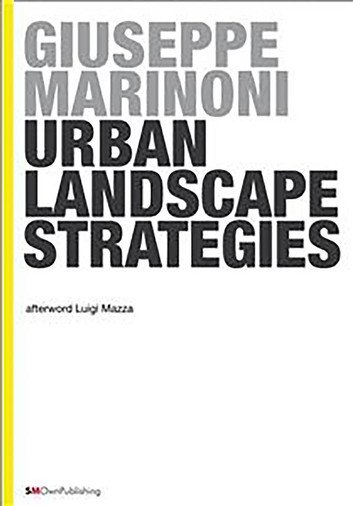
Urban Landscape Strategies: Giuseppe Marinoni’s Guide to European Urban Planning Excellence
Introduction: Discovering Urban Landscape Strategies
Urban Landscape Strategies represents a groundbreaking exploration of contemporary European urban planning. This essential volume showcases how cities transform through innovative design approaches. Furthermore, it demonstrates practical applications of landscape architecture principles. Consequently, readers gain invaluable insights into effective urban development.
Giuseppe Marinoni authored this comprehensive guide as Book 2 in the European Practice series. Moreover, he brings decades of professional experience to every page. His work seamlessly bridges theory and practice. Therefore, this book serves both students and professionals alike.
About the Author: Giuseppe Marinoni’s Expertise
Giuseppe Marinoni was born in Milan in 1961. He earned his PhD in Urban Projects and Policies. Furthermore, he practices as a professional architect in Milan. His career spans both academic and practical realms.
Currently, Marinoni teaches at Politecnico di Milano. Specifically, he instructs courses in architecture and urban design. Moreover, his teaching continuously informs his professional practice. Consequently, his work reflects cutting-edge theoretical developments.
His dual role as educator and practitioner enriches this book significantly. Therefore, readers benefit from both scholarly rigor and real-world experience. Additionally, his Milan-based perspective offers unique insights into Italian urbanism. His expertise makes this volume authoritative and practical.
What Makes Urban Landscape Strategies Essential Reading
This book focuses exclusively on European urban planning practice. Specifically, it examines how Italian cities implement contemporary design strategies. Furthermore, it showcases actual completed projects rather than theoretical proposals. Consequently, readers see real results and tangible outcomes.
The volume demonstrates how effective urban transformation actually happens. Moreover, it reveals the creative processes behind successful projects. Additionally, it shows how planners overcome practical challenges. Therefore, the book offers actionable insights for professionals.
Urban Landscape Strategies fills a crucial gap in planning literature. Instead of abstract theory, it presents concrete examples. Furthermore, it documents projects that have genuinely improved urban environments. Consequently, readers learn from proven successes.
Key Features of This Comprehensive Volume
Urban Landscape Strategies offers readers several distinctive elements:
- Bilingual content in Italian and English for international accessibility
- Real projects from major Italian cities, including Milan
- Detailed case studies of urban transformation initiatives
- Professional photography documenting completed developments
- Analysis of strategic planning approaches
- Insights into converting industrial sites to new uses
- Published by SMOwnPublishing in 2013/2014
- ISBN: 9788890777363 for easy reference and ordering
Featured Cities and Urban Projects
The book showcases transformative projects from several Italian cities. Specifically, it covers Milan, Bergamo, Brescia, Bolzano, and Seveso. Moreover, each city presents unique challenges and innovative solutions. Therefore, readers gain diverse perspectives on urban development.
Milan receives particular attention due to its significance. Furthermore, the city has undergone a remarkable transformation over the past few decades. Additionally, Milan demonstrates how historic cities can modernize successfully. Consequently, it serves as an inspiring model.
The featured cities represent different scales and contexts. Moreover, they show how landscape strategies adapt to local conditions. Therefore, the book demonstrates flexibility in urban planning approaches. Each example offers valuable lessons for practitioners.
The Garibaldi-Repubblica Area: Milan’s Urban Renaissance
The Garibaldi-Repubblica area represents Milan’s most ambitious redevelopment project. This district has transformed from a neglected industrial zone to a vibrant urban center. Furthermore, it demonstrates how strategic planning creates lasting value. Consequently, it serves as a flagship example.
The project seamlessly integrated residential, commercial, and public spaces. Moreover, it prioritized pedestrian experience and green infrastructure. Additionally, it effectively connected previously isolated neighborhoods. Therefore, the area now functions as a cohesive urban district.
This transformation required coordinated efforts from multiple stakeholders. Furthermore, it demanded innovative financing and regulatory approaches. The book reveals how planners successfully navigated these complexities. Consequently, readers understand the full scope of urban transformation.
Grande Bicocca: Reimagining Industrial Heritage
Grande Bicocca showcases the conversion of former industrial sites. This project transformed abandoned factory grounds into a thriving mixed-use district. Moreover, it preserved important industrial heritage while creating new functions. Therefore, it balances preservation with innovation.
The development includes residential units, offices, and educational facilities. Furthermore, it features extensive green spaces and pedestrian networks. Additionally, it connects to Milan’s public transportation system effectively. Consequently, it functions as a sustainable urban neighborhood.
This project demonstrates how cities can productively reclaim brownfield sites. Moreover, it shows how industrial heritage can enhance contemporary developments. The book documents the entire transformation process comprehensively. Therefore, readers learn practical strategies for similar projects.
Cascina Merlata: Sustainable Urban Development
Cascina Merlata represents cutting-edge sustainable urban planning. This development prioritizes environmental performance and livability equally. Furthermore, it incorporates advanced green building technologies throughout. Consequently, it sets new standards for urban sustainability.
The project features energy-efficient buildings and extensive landscaping. Moreover, it includes innovative water management and waste reduction systems. Additionally, it promotes alternative transportation and walkability. Therefore, it demonstrates holistic sustainability approaches.
Urban Landscape Strategies examines how this project achieved its ambitious goals. Furthermore, it reveals the planning strategies that enabled such innovation. The detailed analysis helps readers apply similar approaches elsewhere. Consequently, the book advances sustainable urban development practice.
The Former Iveco Site: Industrial Transformation
The former Iveco site exemplifies successful industrial site conversion. This large-scale project transformed automotive manufacturing facilities into vibrant neighborhoods. Moreover, it addressed complex environmental remediation challenges. Therefore, it demonstrates comprehensive redevelopment strategies.
The development created diverse housing options and community amenities. Furthermore, it established new employment centers and commercial districts. Additionally, it integrated substantial green infrastructure throughout. Consequently, it revitalized an entire urban sector.
This case study reveals the complexities of large-scale urban transformation. Moreover, it shows how planners balance competing interests and priorities. The book documents both successes and challenges encountered. Therefore, readers gain a realistic understanding of transformation processes.
Strategic Planning Approaches in European Cities
Urban Landscape Strategies explores various strategic planning methodologies. These approaches effectively guide long-term urban development. Furthermore, they coordinate multiple projects toward unified visions. Consequently, they ensure coherent urban transformation.
Strategic planning requires extensive stakeholder engagement and consensus-building. Moreover, it demands flexible frameworks that adapt to changing conditions. Additionally, it must balance public interests with private investment. Therefore, successful strategies require sophisticated coordination.
The book examines how different cities develop and implement strategies. Furthermore, it compares approaches across various contexts and scales. This comparative analysis reveals best practices and common challenges. Consequently, readers develop a nuanced understanding of strategic planning.
Residential Districts and Urban Blocks
The book thoroughly examines residential development within urban contexts. Specifically, it analyzes how new districts integrate into the existing urban fabric. Moreover, it explores various housing typologies and density approaches. Therefore, readers understand residential planning comprehensively.
Successful residential districts require careful attention to multiple factors. Furthermore, they must provide adequate services, amenities, and green spaces. Additionally, they should foster community interaction and social cohesion. Consequently, planning must address both physical and social dimensions.
Urban Landscape Strategies showcases exemplary residential developments throughout Europe. Moreover, it reveals the design principles underlying successful neighborhoods. The detailed case studies illustrate how theory translates into practice. Therefore, the book provides guidance on effective residential planning.
Landscape Architecture in Urban Contexts
Landscape architecture plays a crucial role in contemporary urban development. Specifically, it shapes public spaces and green infrastructure networks. Moreover, it enhances environmental performance and urban livability. Therefore, landscape strategies are essential to successful urbanism.
The book demonstrates how landscape architecture integrates with urban planning. Furthermore, it shows how green spaces connect neighborhoods and districts. Additionally, it reveals how vegetation improves urban microclimates. Consequently, readers appreciate landscape architecture’s multifaceted contributions.
Featured projects showcase innovative landscape design approaches. Moreover, they demonstrate how vegetation and water features enhance urban environments. The book documents both aesthetic and functional landscape elements. Therefore, it presents a holistic landscape architecture practice.
Converting Disused Industrial Sites
Industrial site conversion represents a major urban planning challenge. These sites often contain environmental contamination requiring remediation. Furthermore, they typically occupy strategic locations within cities. Therefore, their successful conversion creates significant urban value.
Urban Landscape Strategies comprehensively examines multiple industrial conversion projects. Moreover, it reveals the technical, financial, and regulatory complexities involved. Additionally, it shows how planners creatively overcome obstacles. Consequently, readers learn practical approaches to brownfield redevelopment.
The featured projects demonstrate various conversion strategies and outcomes. Furthermore, they demonstrate how industrial heritage can be meaningfully preserved. The book documents both complete transformations and adaptive reuse approaches. Therefore, it provides diverse models for industrial site conversion.
The Unified Creative Vision Behind Urban Development
Successful urban development requires a unified creative vision. This vision guides all project elements toward coherent outcomes. Moreover, it ensures that individual components support overall objectives. Therefore, visionary leadership is essential to urban transformation.
The book explores how planners develop and communicate compelling visions. Furthermore, it shows how visions evolve through collaborative processes. Additionally, it reveals how visions translate into specific design decisions. Consequently, readers understand the role of the vision in urban development.
Featured projects demonstrate the power of unified creative approaches. Moreover, they show how vision maintains project coherence across time. The book documents how visions adapt while maintaining core principles. Therefore, it illustrates flexible yet consistent planning approaches.
Bilingual Content: Reaching International Audiences
Urban Landscape Strategies presents all content in Italian and English. This bilingual format makes the book accessible to international readers. Furthermore, it facilitates knowledge exchange across linguistic boundaries. Therefore, the book reaches broader professional audiences.
The parallel text provides equal access to Italian and English speakers. Moreover, it enables readers to compare terminology across languages. Additionally, it supports language learning for planning professionals. Consequently, the bilingual format adds significant value.
This approach reflects the increasingly international nature of urban planning. Furthermore, it acknowledges that best practices transcend national boundaries. The book thus effectively contributes to global planning discourse. Therefore, its bilingual format substantially enhances its impact.
Practical Applications for Urban Planning Professionals
This book serves as an invaluable resource for practicing planners. Specifically, it provides concrete examples of successful urban interventions. Moreover, it reveals practical strategies for overcoming common challenges. Therefore, professionals can apply these lessons directly.
The detailed case studies offer templates for similar projects elsewhere. Furthermore, they illustrate how to adapt strategies to local contexts. Additionally, they show how to coordinate complex multi-stakeholder processes. Consequently, the book functions as a practical handbook.
Urban planning students also benefit enormously from this volume. Moreover, it bridges the gap between academic study and professional practice. The real-world examples make abstract concepts tangible and understandable. Therefore, it significantly enhances planning education.
Educational Value for Architecture and Planning Students
Urban Landscape Strategies serves as an excellent educational resource. Students gain exposure to contemporary European planning practice. Furthermore, they see how theoretical concepts apply in real situations. Therefore, the book substantially enriches academic learning.
The case studies provide material for classroom discussion and analysis. Moreover, they inspire students to think creatively about urban challenges. Additionally, they demonstrate the complexity of actual planning processes. Consequently, students develop realistic professional expectations.
Giuseppe Marinoni’s teaching experience informs the book’s educational approach. Furthermore, his academic perspective makes complex topics accessible. The clear presentation and visual documentation enhance learning effectiveness. Therefore, the book works excellently in educational settings.
Visual Documentation and Professional Photography
The book features extensive professional photography of completed projects. These images document urban transformations comprehensively and beautifully. Moreover, they reveal design details that text alone cannot convey. Therefore, the visual content is essential to understanding.
High-quality photographs show projects in various seasons and conditions. Furthermore, they capture how people actually use completed spaces. Additionally, they document both overview perspectives and intimate details. Consequently, readers gain a complete visual understanding.
The visual documentation complements the written analysis effectively. Moreover, it allows readers to form independent judgments about projects. The combination of images and text creates a rich, multidimensional understanding. Therefore, the book’s visual content is invaluable.
Publication Details and Accessibility
SMOwnPublishing released Urban Landscape Strategies in 2013/2014. The publisher specializes in architecture and urban planning titles. Furthermore, they maintain high production standards throughout their catalog. Therefore, the book reflects professional quality in every aspect.
The ISBN 9788890777363 uniquely identifies this specific volume. Moreover, this number facilitates ordering through bookstores and libraries. Additionally, it enables proper cataloging in academic collections. Consequently, the book is easily accessible to interested readers.
The publication represents Book 2 in the European Practice series. Furthermore, it builds upon themes introduced in earlier volumes. Readers can explore the entire series for comprehensive coverage. Therefore, it forms part of a larger intellectual project.
How This Book Advances Urban Planning Discourse
Urban Landscape Strategies makes significant contributions to planning literature. Specifically, it documents contemporary European practice comprehensively. Moreover, it reveals how theory translates into successfully built projects. Therefore, it advances both practical and theoretical understanding.
The book demonstrates that effective urban planning is achievable. Furthermore, it shows that thoughtful design can measurably improve cities. Additionally, it proves that sustainable development is economically viable. Consequently, it offers hope and direction for urban futures.
By focusing on actual completed projects, the book grounds planning discourse. Moreover, it shifts attention from speculation to demonstrated results. This evidence-based approach strengthens planning’s credibility and effectiveness. Therefore, the book significantly advances the profession.
Comparing European and Global Urban Planning Approaches
While focusing on European practice, the book offers insights that are globally relevant. Urban challenges are increasingly transcending geographical boundaries. Furthermore, successful strategies often adapt well to different contexts. Therefore, international readers find valuable applicable lessons.
European cities face unique historical and regulatory contexts. However, they also confront universal urban challenges. Moreover, their innovative solutions often inspire global best practices. Consequently, European experience informs worldwide urban development.
The book enables readers to compare European approaches with local practices. Furthermore, it reveals alternative strategies for common problems. This comparative perspective substantially enriches professional understanding. Therefore, the book contributes to the body of knowledge on global planning.
The Role of Public-Private Partnerships
Many featured projects involve public-private partnerships. These collaborations combine public oversight with private investment and expertise. Moreover, they enable projects that neither sector could accomplish on its own. Therefore, partnerships are essential to contemporary urban development.
Urban Landscape Strategies examines how successful partnerships function. Furthermore, it reveals how to structure agreements that serve public interests. Additionally, it shows how to maintain quality standards throughout implementation. Consequently, readers learn effective partnership strategies.
The book documents both partnership successes and challenges encountered. Moreover, it offers a realistic assessment of partnership limitations and risks. This balanced perspective helps readers make informed decisions. Therefore, it guides effective public-private collaboration.
Environmental Sustainability in Urban Development
Environmental sustainability features prominently throughout the book. Contemporary urban planning must address climate change and resource constraints. Furthermore, it must enhance rather than degrade natural systems. Therefore, sustainability is central to responsible urban development.
The featured projects demonstrate a range of sustainability strategies. Moreover, they show how environmental performance integrates with other objectives. Additionally, they prove that sustainability enhances rather than limits design quality. Consequently, the book advances sustainable planning practice.
Urban Landscape Strategies reveals the practical implementation of sustainability principles. Furthermore, it shows how to measure and verify environmental performance. The detailed documentation helps readers apply similar approaches elsewhere. Therefore, it supports the transition to sustainable urbanism.
Social Equity and Inclusive Urban Development
Successful urban development must serve diverse populations equitably. Projects should provide affordable housing and accessible public spaces. Moreover, they should enhance opportunities for all residents. Therefore, social equity is essential to planning ethics.
The book examines how featured projects address social considerations. Furthermore, it reveals strategies for promoting inclusive development. Additionally, it shows how design can foster social interaction. Consequently, readers understand the social dimensions of planning.
Urban Landscape Strategies demonstrates that quality design benefits everyone. Moreover, it shows that inclusive development is economically sustainable. The case studies prove that equity and excellence are compatible goals. Therefore, the book promotes socially responsible planning.
Transportation and Mobility Strategies
Effective transportation planning is crucial to the success of urban development. Projects must connect to existing transit networks efficiently. Furthermore, they should prioritize pedestrian and bicycle mobility. Therefore, transportation strategies fundamentally shape urban form.
The book examines how featured projects integrate transportation planning. Moreover, it shows how mobility strategies support sustainability objectives. Additionally, it reveals how street design affects neighborhood character. Consequently, readers understand transportation’s multifaceted role.
Urban Landscape Strategies showcases innovative mobility approaches. Furthermore, it demonstrates how to effectively reduce automobile dependence. The case studies illustrate the practical implementation of alternative transportation. Therefore, the book guides progressive mobility planning.
Economic Viability and Financial Sustainability
Urban development projects must be economically viable to succeed. They require careful financial planning and risk management. Moreover, they must generate sufficient returns to attract investment. Therefore, economic considerations are essential to planning.
The book examines the economic aspects of featured projects. Furthermore, it reveals how planners structure financially sustainable developments. Additionally, it shows how public investment leverages private capital. Consequently, readers understand development economics practically.
Urban Landscape Strategies demonstrates that quality design supports economic success. Moreover, it shows that sustainable development is financially competitive. The case studies prove that responsible planning creates lasting value. Therefore, the book supports economically sound urban development.
Regulatory Frameworks and Planning Processes
Successful projects navigate complex regulatory environments effectively. Planning regulations shape what is possible and permissible. Furthermore, approval processes require extensive coordination and negotiation. Therefore, understanding regulatory frameworks is essential.
The book examines how featured projects worked within regulatory constraints. Moreover, it reveals strategies for achieving flexibility when needed. Additionally, it shows how regulations can support quality outcomes. Consequently, readers learn to work effectively with planning regulations.
Urban Landscape Strategies demonstrates that regulations need not stifle innovation. Furthermore, it shows how thoughtful regulation improves the quality of development. The case studies illustrate productive relationships between planners and regulators. Therefore, the book promotes effective regulatory practice.
Community Engagement and Participatory Planning
Meaningful community engagement strengthens urban development projects. Residents possess valuable local knowledge and legitimate interests. Moreover, their participation builds support and improves outcomes. Therefore, engagement is both ethical and practical.
The book examines how featured projects involved community stakeholders. Furthermore, it reveals effective engagement strategies and techniques. Additionally, it shows how to incorporate community input meaningfully. Consequently, readers learn participatory planning approaches.
Urban Landscape Strategies demonstrates that engagement enhances rather than delays projects. Moreover, it shows how participation improves design quality. The case studies illustrate various engagement methods and their results. Therefore, the book supports democratic planning practice.
Conclusion: The Lasting Impact of Urban Landscape Strategies
Urban Landscape Strategies is an essential contribution to the planning literature. It documents contemporary European urban practice comprehensively and accessibly. Moreover, it demonstrates how thoughtful planning transforms cities positively. Therefore, it serves professionals, students, and policymakers equally.
Giuseppe Marinoni’s expertise and experience enrich every page significantly. Furthermore, his dual role as educator and practitioner ensures a balanced perspective. The book bridges theory and practice more effectively than most planning literature. Consequently, it offers exceptional value to diverse readers.
The featured projects prove that excellent urban development is achievable. Moreover, they show that sustainability, equity, and quality are compatible goals. Additionally, they demonstrate that strategic planning creates lasting urban value. Therefore, the book inspires confidence in planning’s potential.
For professionals seeking practical guidance, this book is invaluable. Furthermore, for students learning urban planning, it provides essential context. For anyone interested in cities’ futures, it offers hope and direction. Consequently, Urban Landscape Strategies deserves a wide readership and careful study.
The bilingual format ensures international accessibility and impact. Moreover, the detailed case studies provide templates for adaptation elsewhere. The comprehensive documentation supports both learning and professional application. Therefore, the book will remain relevant for years to come.
Published by SMOwnPublishing with ISBN 9788890777363, this volume is easily accessible. Furthermore, it represents Book 2 in the valuable European Practice series. Readers can explore the entire series for comprehensive coverage. Consequently, it forms part of an important ongoing intellectual project.
Urban Landscape Strategies ultimately demonstrates planning’s transformative power. Cities can change for the better through thoughtful, strategic intervention. Moreover, sustainable, equitable development is both possible and profitable. Therefore, this book offers essential guidance for creating better urban futures.






Reviews
There are no reviews yet.