

Description
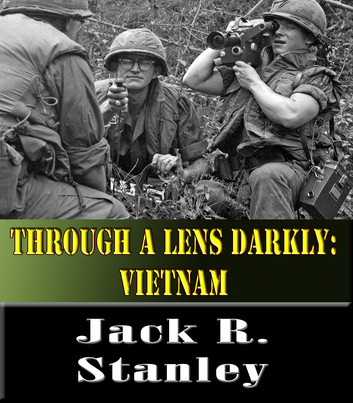
Through A Lens Darkly: Vietnam – A Combat Photographer’s True Story
Introduction: Capturing War Through Combat Photography
Jack R. Stanley shares his powerful story of combat photography in Vietnam. He served as a military photographer during one of America’s most controversial wars. Moreover, his memoir reveals the raw truth behind the camera lens. Stanley experienced the danger, blood, and chaos of real combat firsthand.
This book isn’t a Hollywood version of war at all. Instead, it shows what combat photography actually looked like in the jungle. Therefore, readers get an authentic view of Vietnam through Stanley’s eyes. His experiences shaped how we understand war documentation today.
The Reality of Combat Photography in Vietnam
Combat photography during Vietnam was incredibly dangerous and demanding work. Photographers faced the same risks as infantry soldiers every single day. However, they also carried cameras instead of just weapons alone. Stanley documents these unique challenges throughout his compelling memoir.
The work required courage, quick thinking, and artistic skill simultaneously. Photographers had to capture history while bullets flew past them. Additionally, they needed to tell truthful stories through their images. So combat photography became both art and survival at once.
Beyond Hollywood’s Version of War
Hollywood movies rarely show what war truly looks like up close. Stanley contrasts real combat with sanitized film versions throughout his book. Therefore, readers discover the vast difference between fiction and reality. His firsthand account shatters many common misconceptions about warfare.
Real war includes boredom, terror, confusion, and unexpected moments of humor. It’s messier and more complex than any movie can capture. Moreover, the emotional toll on soldiers goes far beyond what screens show. Stanley’s honest storytelling reveals these hidden truths about combat experiences.
The Danger Behind Every Shot
Every photograph Stanley took came with serious risk to his life. Combat photographers had to position themselves in dangerous locations for shots. However, getting the perfect angle often meant maximum exposure to enemy fire. The memoir details numerous close calls and life-threatening situations he faced.
Enemy soldiers didn’t distinguish between photographers and combat troops at all. Therefore, camera operators became targets just like everyone else around them. Additionally, the jungle terrain created its own deadly hazards and obstacles. So danger came from multiple directions simultaneously during every mission.
Blood, Chaos, and the Camera Lens
Stanley doesn’t shy away from describing the brutal realities he witnessed. His camera captured bloodshed, injuries, and death during intense combat operations. Moreover, he had to keep working even when friends fell around him. This emotional burden weighed heavily on combat photographers throughout their service.
The chaos of battle made photography incredibly difficult and stressful work. Photographers had to maintain focus while everything exploded around them constantly. Additionally, they needed steady hands despite fear and adrenaline coursing through them. Therefore, combat photography required extraordinary mental and physical discipline under pressure.
Unexpected Humor in Dark Times
Despite the horror, soldiers found ways to laugh and maintain morale. Stanley shares moments of unexpected humor that emerged during the war. However, this humor often had a dark edge born from stress. These lighter moments helped soldiers cope with unbearable circumstances and trauma.
Laughter became a survival mechanism in the face of constant danger. Photographers and soldiers bonded through shared jokes and absurd situations together. Moreover, humor provided brief escapes from the surrounding violence and death. So these moments of levity became precious gifts during dark times.
Friendships Forged in Fire
Combat creates bonds unlike any other human experience on earth. Stanley writes movingly about the deep friendships he formed in Vietnam. Therefore, readers understand how war connects people in profound, lasting ways. These relationships often lasted long after the war finally ended.
Soldiers relied on each other for survival every single day. Photographers shared the same foxholes, meals, and dangers as combat troops. Additionally, they witnessed each other’s bravest and most vulnerable moments together. So these friendships carried a depth that peacetime relationships rarely achieve.
Key Elements of Stanley’s Vietnam Experience
The memoir covers several crucial aspects of his service:
- Daily dangers faced while documenting combat operations in hostile territory
- Technical challenges of photography under extreme battlefield conditions and stress
- Emotional impact of witnessing death and destruction through the camera lens
- Camaraderie built with fellow soldiers and photographers during the war
- Moral questions about documenting suffering while unable to intervene or help
- Long-term effects of combat photography on his life after returning home
Each element contributes to a complete picture of his experience. Together, they create an unforgettable portrait of war’s reality.
The Weight of Witnessing
Combat photographers carried a unique burden during the Vietnam War. They documented terrible events but couldn’t always intervene to help victims. However, their work served the crucial purpose of recording history accurately. Stanley explores this difficult moral position throughout his honest narrative.
Watching suffering through a camera lens created psychological distance and closeness. Photographers had to remain somewhat detached to do their jobs effectively. Moreover, they needed to capture truth even when it hurt deeply. Therefore, this balancing act took a serious toll on their mental health.
Technical Challenges in the Jungle
Vietnam’s jungle environment created enormous obstacles for photographers working there daily. Heat and humidity damaged cameras and film constantly despite protective measures. Additionally, the dense foliage made lighting and composition extremely difficult always. So photographers had to adapt their techniques to harsh conditions quickly.
Equipment failures could happen at the worst possible moments during combat. Stanley had to maintain and protect his gear under impossible circumstances. Moreover, he needed backup plans when technology inevitably failed in the field. Therefore, resourcefulness became as important as technical skill for survival.
Documenting History as It Happened
Stanley’s photographs became historical records of the Vietnam War’s reality. His images showed the American public what was actually happening overseas. However, not everyone wanted to see the truth his camera revealed. These photographs influenced public opinion about the war significantly over time.
Combat photography served as evidence and testimony about wartime events simultaneously. The images couldn’t be denied or easily dismissed by officials later. Additionally, they gave voice to soldiers whose stories might otherwise disappear. So Stanley’s work carried importance far beyond artistic or technical merit.
The Contrast with Hollywood War Films
Movies about war often glamorize or simplify the actual experience completely. Stanley repeatedly emphasizes how different real combat felt from film versions. Therefore, his memoir serves as a corrective to popular misconceptions everywhere. He wants readers to understand what soldiers truly faced in Vietnam.
Hollywood needs heroes, clear villains, and satisfying narrative arcs for audiences. Real war offers none of these comforting story elements at all. Moreover, the confusion and moral ambiguity of Vietnam defied simple storytelling. So Stanley’s authentic account challenges viewers to reconsider their assumptions entirely.
Living with the Memories
The experiences Stanley captured on film stayed with him forever afterward. Combat photography left lasting psychological scars alongside the physical dangers he survived. However, he also gained perspective and appreciation for life’s fragility. His memoir explores both the costs and unexpected gifts of service.
Many combat photographers struggled with what we now call PTSD symptoms. The images they captured replayed endlessly in their minds at night. Additionally, they carried guilt about surviving when others didn’t make it. Therefore, coming home didn’t mean the war was truly over for them.
The Brotherhood of Combat Photographers
Stanley belonged to a unique fraternity of military photographers in Vietnam. These men understood each other’s experiences in ways outsiders never could. Moreover, they shared a commitment to documenting truth despite personal risk. This brotherhood provided essential support during and after the war years.
Combat photographers developed their own culture and unspoken codes of conduct. They looked out for each other in dangerous situations constantly. Additionally, they critiqued and learned from each other’s work to improve. So this community became a lifeline during incredibly difficult times overseas.
Why This Memoir Matters Today
“Through A Lens Darkly: Vietnam” offers crucial insights for modern readers everywhere. It shows the human cost of war beyond statistics and headlines. Therefore, Stanley’s story helps us understand veterans’ experiences more deeply today. His honest account deserves attention from anyone interested in military history.
The book also serves as a testament to combat photography’s importance. These photographers risked everything to document truth for future generations to see. Additionally, their work influenced how Americans understood and debated the war. So their contribution to history cannot be overstated or forgotten easily.
Lessons from Behind the Lens
Stanley’s memoir teaches valuable lessons about courage, truth, and human resilience. He shows how ordinary people respond to extraordinary circumstances under pressure. Moreover, he demonstrates the power of documentation and honest storytelling always. His experiences offer wisdom applicable far beyond military contexts alone.
The book reminds us that war affects real people profoundly. It’s not an abstract concept or political talking point ever. Additionally, it shows how art and duty can intersect powerfully. Therefore, readers gain appreciation for those who document difficult truths professionally.
The Author’s Unique Perspective
Jack R. Stanley brings an insider’s view to Vietnam War literature. He didn’t just study the war from safe distance or archives. Instead, he lived it daily through his camera’s viewfinder for months. However, he writes with humility about his role in that history.
His perspective combines artistic sensibility with military discipline and training effectively. He understood composition, lighting, and storytelling through images instinctively. Moreover, he possessed the courage to put himself in harm’s way. So his dual expertise makes this memoir particularly valuable and authentic.
The Power of Visual Truth
Photography has unique power to convey reality that words alone cannot. Stanley’s images from Vietnam spoke truths that challenged official narratives directly. Therefore, combat photography became a form of witness and testimony. His work helped shape public understanding of the war’s true nature.
The camera doesn’t lie in the same ways language can sometimes. Photographs provide concrete evidence of events that actually occurred in history. Additionally, they evoke emotional responses that statistics and reports never achieve. So visual documentation carries special weight in historical records and memory.
Finding Meaning in Chaos
Stanley’s memoir explores how soldiers found purpose amid Vietnam’s confusion. Combat photography gave him a mission beyond simple survival every day. However, the work also forced him to confront difficult questions constantly. He grapples with these moral complexities honestly throughout the book.
Creating art in the midst of destruction became a way to cope. Photography allowed him to impose some order on chaotic experiences around him. Moreover, it gave him a sense of contributing something valuable. Therefore, his camera became both tool and lifeline during dark times.
The Cost of Truth-Telling
Documenting reality came with serious personal and professional costs for Stanley. Some images he captured were too disturbing for public consumption then. However, he felt obligated to record what he witnessed regardless. This commitment to truth sometimes put him at odds with authorities.
Combat photographers often faced censorship and pressure to soften their images. Officials wanted to control the narrative about the war’s progress. Additionally, graphic photographs upset people back home who preferred ignorance. So truth-tellers like Stanley faced resistance from multiple directions simultaneously.
Conclusion: An Essential War Memoir
“Through A Lens Darkly: Vietnam” stands as an important contribution to literature. Jack R. Stanley provides an authentic account of combat photography during war. He shows the danger, sacrifice, and moral complexity of documenting conflict. Moreover, he honors the soldiers and photographers who served alongside him.
This memoir is essential reading for anyone interested in Vietnam War history. It offers insights unavailable in traditional military histories or academic studies. Additionally, it reminds us why honest documentation matters in every generation. So pick up this book and see Vietnam through Stanley’s unflinching lens.
Stanley’s story proves that some truths can only be told by witnesses. His experiences behind the camera shaped how we remember this war. Therefore, his memoir deserves a place among the most important Vietnam narratives. This book will change how you understand war, photography, and courage.



Reviews
There are no reviews yet