

Description
Victorian Sculptor Thomas Brock: Rediscovering a Master’s Legacy
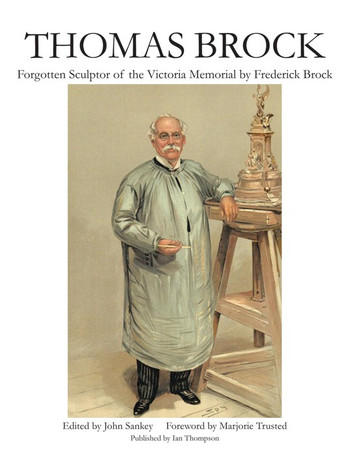
Victorian sculptor Thomas Brock created some of Britain’s most iconic monuments. However, his name has faded from public memory. This comprehensive book by Ian Thompson, Frederick Brock, Marjorie Trusted, and John Sankey brings his remarkable story back to life. Moreover, it reveals why his contributions deserve recognition today.
The Life and Career of Victorian Sculptor Thomas Brock
Thomas Brock was born in 1847 in Worcester, England. He trained under the renowned sculptor John Henry Foley. Furthermore, he quickly established himself as a talented artist in his own right. His early works showed exceptional skill and attention to detail.
Brock’s career flourished during the late Victorian era. He received numerous prestigious commissions from the royal family and government. Additionally, he became one of the most sought-after sculptors of his generation. His work adorned public spaces across Britain and beyond.
The Victoria Memorial: Brock’s Crowning Achievement
The Victoria Memorial stands as Victorian sculptor Thomas Brock’s greatest masterpiece. Located outside Buckingham Palace, it honors Queen Victoria’s reign. Consequently, millions of visitors see this monument every year. However, few know the sculptor’s name behind it.
Brock spent over a decade creating this elaborate memorial. The project included the central statue of Queen Victoria herself. Moreover, it featured numerous allegorical figures representing virtues and empire. The scale and complexity of the work were unprecedented.
The memorial’s unveiling in 1911 marked a triumph for Brock. He received a knighthood for his achievement. Nevertheless, his fame proved fleeting in the decades that followed. Therefore, this book seeks to restore his rightful place in art history.
Why Victorian Sculptor Thomas Brock Was Forgotten
Several factors contributed to Brock’s disappearance from public consciousness. First, changing artistic tastes moved away from Victorian monumentalism. Modernism rejected the elaborate style that Brock mastered. Additionally, two world wars shifted cultural priorities and perspectives.
The authors explore these historical shifts in detail. They examine how Victorian art fell out of favor. Furthermore, they show how this affected sculptors like Brock. His traditional approach seemed outdated to twentieth-century critics.
Another reason involves the nature of public monuments themselves. People see them daily but rarely consider their creators. Consequently, even famous works become anonymous over time. This book challenges that tendency by putting the artist back in focus.
Key Contributions Explored in the Book
The authors provide comprehensive coverage of Brock’s major works. They include detailed analysis and historical context for each piece. Moreover, they use newly discovered archival materials and photographs. This research reveals previously unknown aspects of his career.
The book examines these important topics:
- Brock’s training and early influences in Victorian sculpture
- His relationship with royal patrons and government officials
- The design and construction process of the Victoria Memorial
- His other significant public monuments across Britain
- The technical innovations he brought to bronze casting
- His role in the Royal Academy and artistic institutions
- Personal correspondence and family history
- The decline of his reputation after his death in 1922
Rediscovering Victorian Sculpture Through Brock’s Work
This book offers more than just a biography. It provides insight into Victorian sculpture as a whole. Therefore, readers gain understanding of an entire artistic movement. Brock’s career reflects broader trends and values of his era.
The authors situate Brock within his artistic context. They compare his work to contemporaries like Alfred Gilbert. Furthermore, they show how Victorian sculptors balanced tradition and innovation. This perspective enriches our appreciation of the period.
Victorian sculpture emphasized grandeur, symbolism, and craftsmanship. Brock excelled in all these areas. Additionally, he understood how to create works for public spaces. His monuments were designed to inspire and educate viewers.
The Authors’ Unique Perspectives
Ian Thompson brings expertise in Victorian art history to the project. Frederick Brock, a descendant, provides family archives and personal insights. Meanwhile, Marjorie Trusted contributes her knowledge of sculpture techniques and materials. John Sankey adds architectural and urban planning perspectives.
This collaborative approach strengthens the book significantly. Each author contributes specialized knowledge and research. Moreover, their combined efforts create a comprehensive portrait. The result is both scholarly and accessible to general readers.
The authors spent years researching Brock’s life and work. They examined museum collections, government archives, and private papers. Furthermore, they conducted new photography of his surviving sculptures. This thorough methodology ensures accuracy and depth.
Why This Book Matters Today
Understanding Victorian sculptor Thomas Brock helps us appreciate our cultural heritage. His monuments remain prominent features of British cities. However, without knowing their history, we miss their full significance. This book restores that missing context.
The book also challenges us to reconsider artistic reputations. Fame can be fleeting and subject to changing fashions. Therefore, we should periodically reassess forgotten artists. Some deserve rediscovery and renewed appreciation.
Additionally, the book demonstrates the value of public art. Brock believed sculpture could elevate and unite communities. His vision remains relevant in contemporary debates about monuments. We can learn from his approach while adapting it to modern values.
Conclusion
“Thomas Brock: Forgotten Sculptor of the Victoria Memorial” fills a significant gap in art history. The authors rescue Victorian sculptor Thomas Brock from undeserved obscurity. Moreover, they provide a model for reconsidering other overlooked artists. This important book deserves attention from scholars and general readers alike. Consequently, it will likely spark renewed interest in Victorian sculpture and its lasting legacy.


Reviews
There are no reviews yet.