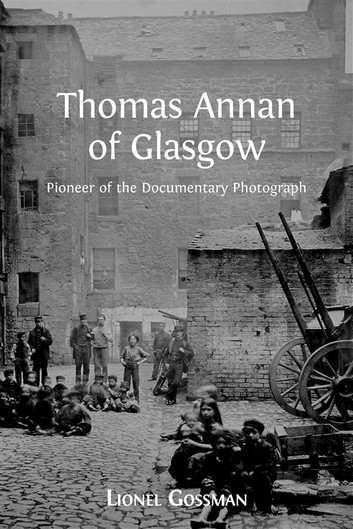
Description
Thomas Annan of Glasgow: Pioneer of the Documentary Photograph – A Comprehensive Synopsis
Introduction: Thomas Annan’s Revolutionary Vision
Thomas Annan stands as one of photography’s most important pioneers. This Scottish photographer transformed how we document social conditions. Moreover, he created a new visual language for urban poverty. His work in 19th-century Glasgow changed documentary photography forever.
Lionel Gossman’s e-book explores this remarkable artist’s life and legacy. Furthermore, it reveals how Thomas Annan shaped modern photojournalism. The book offers deep insights into Victorian-era Scotland. Additionally, it shows how one man’s camera captured history.
Who Was Thomas Annan?
Thomas Annan was born in 1829 in Scotland. He started his career as a lithographer and engraver. However, photography soon captured his imagination completely. Consequently, he opened his own photographic studio in Glasgow.
His early work focused on commercial photography and portraits. Nevertheless, his true calling emerged in the 1860s. He began systematically documenting Glasgow’s poorest neighborhoods. Therefore, he became Britain’s first true documentary photographer.
The Glasgow Slums Project
The Glasgow City Improvement Trust commissioned Annan in 1868. They wanted photographic records before demolishing old slums. As a result, Annan created his most famous work. His images showed the harsh reality of urban poverty.
These photographs were groundbreaking for several reasons:
- They documented social conditions with unflinching honesty
- They preserved historical architecture before it was destroyed.
- They showed real people in their actual living environments.
- They combined artistic composition with a documentary purpose.
- They influenced future generations of social documentary photographers.
Annan photographed narrow closes and dark wynds methodically. Moreover, he captured crumbling tenements and overcrowded courtyards. His images revealed how Glasgow’s poor actually lived. Furthermore, they provided evidence for urban reform movements.
Thomas Annan’s Photographic Technique
Annan used wet collodion plate photography for his work. This process required immense skill and patience. Additionally, it demanded technical mastery in difficult conditions. The Glasgow slums presented numerous challenges for photographers.
Light was scarce in the narrow alleyways. Therefore, Annan needed long exposure times for proper images. He also had to transport heavy equipment through cramped spaces. Nevertheless, he produced remarkably clear and detailed photographs.
His compositional skills elevated documentary photography to art. He carefully framed each shot for maximum impact. Furthermore, he balanced aesthetic beauty with social commentary. Consequently, his work transcended mere record-keeping.
Impact on Documentary Photography
Thomas Annan essentially invented the genre of documentary photography. Before him, few photographers tackled social issues directly. Instead, most focused exclusively on portraits or landscapes. However, Annan showed photography’s power for social change.
His work significantly influenced later documentary photographers. Jacob Riis studied Annan’s techniques before photographing New York. Lewis Hine also drew inspiration from Annan’s approach. Moreover, modern photojournalism owes much to his pioneering vision.
The photographs served multiple purposes simultaneously. They provided historical records of vanished neighborhoods. Additionally, they raised awareness about poverty and living conditions. They also demonstrated photography’s potential as a form of social commentary.
Gossman’s Analysis and Insights
Lionel Gossman brings scholarly rigor to Annan’s story. He thoroughly contextualizes the photographer within Victorian society. Furthermore, he explains the technical and artistic challenges involved. The book also explores Annan’s broader photographic career.
Gossman examines how Annan balanced commercial and documentary work. The photographer needed income from conventional photography jobs. However, his passion lay in documenting social conditions. Therefore, he maintained both practices throughout his career.
The author also discusses Annan’s relationship with the Glasgow authorities. City officials wanted records but feared public embarrassment. Consequently, Annan navigated complex political and social pressures. His photographs had to satisfy multiple audiences simultaneously.
Beyond the Slums: Thomas Annan’s Other Work
Annan’s career extended far beyond slum photography. He extensively photographed Scotland’s architectural heritage. Moreover, he documented industrial sites and engineering projects. His versatility demonstrated a remarkable range and skill.
He created stunning images of Scottish castles and abbeys. Additionally, he photographed the construction of major infrastructure. His work preserved Scotland’s changing landscape during the Industrial Revolution. Furthermore, he trained his sons in photography techniques.
The Annan family business became Glasgow’s premier photography studio. They photographed celebrities, politicians, and ordinary citizens alike. Nevertheless, Thomas’s documentary work remained his most significant contribution. It defined his legacy for future generations.
The Book’s Structure and Content
Gossman organizes the e-book chronologically and thematically. The early chapters thoroughly cover Annan’s background and training. Subsequently, the book examines his major photographic projects. Later sections analyze his lasting influence on photography.
The text includes numerous reproductions of Annan’s photographs. These images allow readers to appreciate his technical skill. Moreover, they reveal the harsh conditions he documented. The visual content enhances understanding of his achievement.
Gossman also provides historical context about Victorian Glasgow. He explains the social and economic forces shaping the city. Furthermore, he describes the urban reform movements of the era. This background helps readers fully understand Annan’s work.
Why Thomas Annan Matters Today
Annan’s photographs remain relevant for contemporary audiences. They remind us of photography’s power to document injustice. Additionally, they show how images can inspire social change. His work established standards for documentary photography worldwide.
Modern photojournalists still follow the principles Annan established. They combine aesthetic quality with truthful documentation. Moreover, they use images to advocate for vulnerable populations. Annan’s legacy lives on in every documentary photograph.
His images also provide invaluable historical records. Researchers study them to understand Victorian urban life. Furthermore, they reveal details about architecture, clothing, and daily activities. Consequently, they serve both artistic and scholarly purposes.
Key Themes in Gossman’s Book
The e-book explores several interconnected themes throughout. First, it examines the relationship between art and documentation. Annan proved these elements could coexist harmoniously. Therefore, he elevated documentary photography to the status of fine art.
Second, Gossman discusses photography’s role in social reform. Annan’s images influenced public opinion about urban poverty. Moreover, they provided evidence to support trust-building initiatives. His work demonstrated photography’s potential for positive change.
Third, the book analyzes technical innovation in early photography. Annan overcame significant obstacles to capture his images. Furthermore, he adapted existing techniques for documentary purposes. His technical achievements matched his artistic vision perfectly.
The Historical Context of Victorian Glasgow
Glasgow experienced rapid industrialization during Annan’s lifetime. The city’s population exploded as factories multiplied. However, housing infrastructure couldn’t accommodate this growth adequately. Consequently, severe overcrowding plagued working-class neighborhoods.
The old medieval town center became dangerously overcrowded. Multiple families often shared single-room accommodations. Moreover, sanitation was virtually nonexistent in many areas. Disease spread rapidly through these cramped quarters.
City authorities recognized the need for dramatic intervention. Therefore, they established the Glasgow City Improvement Trust. This organization planned massive slum clearance and rebuilding. Annan’s photographs documented conditions before demolition began.
Annan’s Artistic Vision
Thomas Annan approached documentary work with an artist’s eye. He composed each photograph carefully for maximum visual impact. Furthermore, he used light and shadow to dramatic effect. His images transcended simple record-keeping through artistic excellence.
He often included human figures in his architectural photographs. These people provided scale and emotional resonance. Moreover, they reminded viewers that real families inhabited these spaces. Consequently, his work combined social commentary with a commitment to human dignity.
Annan never sensationalized poverty or exploited his subjects. Instead, he treated them with respect and compassion. His photographs acknowledged their humanity while documenting their circumstances. Therefore, his work maintained ethical standards still relevant today.
Technical Challenges and Solutions
Photographing in Glasgow’s slums presented enormous technical difficulties. The narrow closets received minimal natural light. Additionally, the wet collodion process required immediate development. Annan needed portable darkroom facilities for on-site processing.
He also faced challenges with exposure times. Long exposures risked blurring from subject movement. However, the dim light required extended exposure periods. Therefore, Annan carefully timed his photography sessions.
His equipment was heavy and cumbersome by modern standards. Nevertheless, he successfully transported it through cramped alleyways. His dedication to the project overcame these practical obstacles. Consequently, he produced a comprehensive photographic record.
The Publication and Reception of Annan’s Work
Annan initially published his slum photographs in limited editions. The Glasgow City Improvement Trust received the first copies. Subsequently, he produced carbon prints for wider distribution. These publications reached influential audiences across Britain.
The photographs generated significant public discussion about urban poverty. Reformers used them to advocate for better housing. Moreover, they influenced urban planning policies in other cities. Annan’s work thus achieved real-world impact beyond artistic merit.
However, some critics found the images too disturbing. They preferred photography that celebrated progress and prosperity. Nevertheless, Annan’s honest documentation ultimately proved more valuable. His work provided authentic historical records of Victorian urban life.
Gossman’s Scholarly Contribution
Lionel Gossman brings extensive research to this biographical study. He thoroughly consulted archives, letters, and contemporary accounts. Furthermore, he analyzed Annan’s photographs using modern critical methods. His scholarship illuminates previously overlooked aspects of Annan’s career.
The book situates Annan within the broader history of photography. Gossman compares him to contemporary photographers across Europe. Additionally, he traces Annan’s influence on later documentary traditions. This contextual analysis enhances appreciation of Annan’s achievements.
Gossman also examines the economic realities of Victorian photography. He explains how photographers balanced artistic and commercial demands. Moreover, he discusses the technical limitations of early photographic processes. This comprehensive approach makes the book valuable for scholars.
Legacy and Influence
Thomas Annan’s influence extends far beyond his lifetime. He established documentary photography as a legitimate artistic genre. Moreover, he demonstrated photography’s potential for social commentary. His work inspired countless photographers to document social conditions.
The Glasgow photographs remain his most celebrated achievement. They’re studied in photography courses worldwide today. Furthermore, they’re exhibited in major museums and galleries. Consequently, new generations continue discovering Annan’s powerful vision.
His technical innovations also influenced photographic practice. He proved that difficult conditions needn’t prevent excellent photography. Additionally, he showed how patience and skill overcome obstacles. Therefore, his methods remain instructive for contemporary photographers.
Conclusion: A Pioneer Remembered
Lionel Gossman’s e-book provides definitive coverage of Thomas Annan’s life. It effectively combines biographical detail with critical analysis. Moreover, it places Annan’s work in a proper historical context. The book serves both general readers and photography scholars.
Thomas Annan deserves recognition as the founding figure of documentary photography. His Glasgow slum photographs changed how we see the purpose of photography. Furthermore, they demonstrated the medium’s power for social good. His legacy continues to inspire photographers who document social issues.
This comprehensive e-book ensures Annan’s contributions won’t be forgotten. It celebrates his artistic vision and technical mastery. Additionally, it reminds us why documentary photography matters profoundly. Gossman has created an essential resource for understanding the history of photography.


Reviews
There are no reviews yet.