Description
The Vinyl Dialogues: Firsthand Stories from 1970s Music Legends
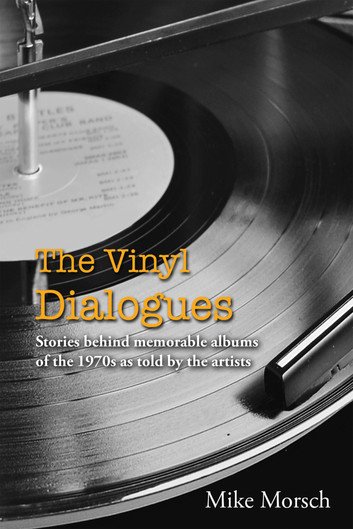
“The Vinyl Dialogues: Stories Behind Memorable Albums Of The 1970s As Told By The Artists” by Mike Morsch offers an intimate exploration of classic rock history. This Vinyl Dialogues collection presents authentic conversations with the musicians who created defining albums of the decade.
Moreover, the book captures the creative energy and cultural revolution that made 1970s music unforgettable. Morsch brings readers directly into recording studios through artists’ own words and memories.
The 1970s represented a golden age of album-oriented rock and artistic experimentation in music. Artists pushed boundaries and created concept albums that transformed popular music into high art. Furthermore, vinyl records became the primary medium for experiencing these groundbreaking musical statements. Therefore, understanding the stories behind these albums enriches appreciation for their lasting cultural significance.
Mike Morsch conducts in-depth interviews with the actual artists who lived these musical moments firsthand. He asks probing questions about creative decisions, recording challenges, and the inspiration behind iconic songs. Additionally, he explores the personal dynamics between band members during album creation and production. These dialogues reveal the human stories behind the music that defined a generation.
The book focuses exclusively on albums from the 1970s, a decade of unprecedented creativity. This period saw the rise of progressive rock, punk, disco, and countless other genres. Moreover, artists enjoyed creative freedom from record labels, allowing ambitious artistic visions to flourish. Therefore, the decade produced some of the most innovative and commercially successful albums ever recorded.
Mike Morsch and The Vinyl Dialogues Project
Mike Morsch brings extensive music journalism experience and genuine passion to The Vinyl Dialogues project. He understands that the best music stories come directly from the artists themselves. Moreover, his interviewing style encourages musicians to share candid reflections rather than rehearsed publicity statements. Therefore, readers gain authentic insights into the creative process behind legendary albums.
Morsch structures each chapter around a specific album and the artists who created it. He provides historical context before diving into the interview material and personal recollections. Additionally, he includes details about chart performance, critical reception, and the album’s cultural impact. This comprehensive approach makes each chapter both informative and deeply engaging for music enthusiasts.
The author’s research includes not just interviews but also archival materials and contemporary reviews. He cross-references artist memories with documented facts to ensure accuracy throughout the narrative. Furthermore, he acknowledges when memories differ or when myths have grown around certain albums. This journalistic integrity strengthens the book’s credibility and value as a historical document.
Morsch’s writing style balances scholarly research with accessible storytelling, appealing to general readers. He avoids excessive technical jargon while still honoring the complexity of musical creation. Moreover, he lets the artists’ voices shine through rather than imposing his own interpretations. Therefore, the book feels like sitting in on fascinating conversations with music legends.
The Vinyl Dialogues project celebrates the album as an art form during its peak era. Morsch recognizes that 1970s artists conceived albums as complete artistic statements, not just collections. Additionally, he explores how vinyl’s physical format influenced creative decisions and listener experiences. This focus on the album format distinguishes the book from typical rock biography collections.
The 1970s Music Revolution and Album Culture
The 1970s transformed popular music into a serious artistic medium worthy of critical analysis. Artists moved beyond three-minute singles to create ambitious works that demanded focused listening. Moreover, improved recording technology allowed unprecedented sonic experimentation and multi-layered production techniques. Therefore, albums became the primary vehicle for artistic expression rather than commercial afterthoughts.
Vinyl records dominated music consumption throughout the decade and shaped how people experienced albums. The large album artwork became an integral part of the artistic package and visual identity. Furthermore, the ritual of playing vinyl encouraged listeners to engage with entire albums sequentially. This listening culture supported artists’ visions of albums as unified artistic statements.
Record labels invested heavily in artist development and gave musicians creative freedom during this era. Companies understood that artistic integrity often translated into commercial success and long-term profitability. Additionally, FM radio embraced album-oriented formats that played deep cuts alongside hit singles. Therefore, artists could take risks knowing their complete work would reach audiences.
The decade saw explosive growth in diverse musical genres and cross-pollination between styles. Rock music splintered into progressive rock, hard rock, glam rock, punk, and countless other subgenres. Moreover, funk, soul, disco, and reggae achieved mainstream success and influenced rock musicians. This creative ferment made the 1970s one of the most innovative periods in music history.
Concert culture expanded dramatically as artists toured nationwide to support their album releases. Live performances became elaborate productions that brought album concepts to life on stage. Furthermore, the connection between recorded albums and live shows strengthened artist-fan relationships significantly. Therefore, albums served as both standalone art and blueprints for communal concert experiences.
Featured Artists and Their Vinyl Dialogues Stories
The Vinyl Dialogues includes conversations with numerous legendary artists who shaped 1970s music history. Morsch secured interviews with band members, producers, and other individuals directly involved in the album’s creation. Moreover, he focuses on albums that achieved both critical acclaim and lasting cultural influence. Therefore, the book covers essential listening for anyone interested in classic rock history.
Here are key elements readers will discover throughout The Vinyl Dialogues and its featured albums:
- Direct Artist Testimony: Musicians share firsthand accounts of recording sessions, creative breakthroughs, and challenges
- Creative Process Insights: Detailed explanations of how songs were written, arranged, and produced
- Band Dynamics: Honest discussions about collaboration, conflicts, and chemistry between band members
- Studio Techniques: Revelations about innovative recording methods and technological experimentation during the era
- Cultural Context: How social movements, politics, and cultural changes influenced album concepts
- Commercial Pressures: Balancing artistic vision with record label expectations and commercial viability
- Legacy Reflections: Artists’ perspectives on how their albums have endured and influenced later generations
- Personal Stories: Anecdotes about life on the road, substance use, relationships, and fame’s impact
Each featured album is examined from multiple perspectives and within a comprehensive historical context. Morsch doesn’t just focus on the biggest commercial hits; it also includes influential cult classics. Additionally, he explores albums that represented artistic risks or departures from artists’ established sounds. This selection demonstrates the decade’s remarkable creative diversity and artistic ambition.
The dialogues reveal surprising details about songs that fans have loved for decades. Artists explain the real meanings behind cryptic lyrics and the inspiration for memorable riffs. Furthermore, they discuss songs that almost didn’t make albums and last-minute creative decisions. These revelations transform familiar music into fresh discoveries for even longtime fans.
Morsch includes perspectives from various band members when possible, showing different viewpoints on shared experiences. He acknowledges that memories sometimes conflict and that creative credit for certain songs remains disputed. Moreover, he presents these disagreements honestly rather than trying to establish a definitive truth. Therefore, the book authentically captures the complexity of collaborative artistic creation.
The featured artists represent diverse genres within the broader rock umbrella of 1970s music. Progressive rock, hard rock, singer-songwriter, punk, and other styles all receive attention and coverage. Additionally, Morsch includes both superstar acts and lesser-known artists who made significant contributions. This inclusive approach provides a comprehensive portrait of the decade’s musical landscape.
Behind-the-Scenes Recording Stories and Creative Processes
The Vinyl Dialogues excels at revealing the unglamorous reality behind creating legendary albums and hit songs. Artists describe technical problems, budget constraints, and the tedious work of perfecting recordings. Moreover, they discuss how accidents and mistakes sometimes led to breakthrough moments and signature sounds. Therefore, readers understand that great albums result from hard work, not just inspiration.
Studio technology in the 1970s required different approaches than modern digital recording methods and equipment. Artists worked with analog tape, limited tracks, and equipment that required technical expertise. Furthermore, mistakes couldn’t be easily fixed, so musicians needed strong performance skills and preparation. These limitations paradoxically encouraged creativity and forced artists to make bold decisions.
Many featured albums emerged from intense recording sessions where bands lived together in studios. This immersive environment fostered creativity but also significantly amplified interpersonal tensions and conflicts. Additionally, substance use was prevalent and influenced both the creative process and band dynamics. Artists now reflect on this era with both nostalgia and awareness of its costs.
Producer contributions receive significant attention throughout The Vinyl Dialogues and its artist conversations. Morsch explores how producers shaped album sounds, mediated band conflicts, and pushed artists creatively. Moreover, he highlights innovative production techniques that became influential industry standards over time. Therefore, the book recognizes producers as essential creative partners rather than mere technicians.
The dialogues reveal how external pressures influenced artistic decisions throughout the album’s creation and production. Record label demands, commercial expectations, and deadline pressures all affected the final products. Furthermore, artists discuss the compromises they made and battles they fought to preserve artistic integrity. These honest admissions show the complex reality of creating art within commercial constraints.
Album Legacy and Lasting Cultural Impact
The Vinyl Dialogues examines how 1970s albums continue influencing contemporary music and popular culture. Many featured albums have achieved classic status and consistently appear on greatest-albums lists. Moreover, younger generations discover these records and find them surprisingly relevant to modern experiences. Therefore, the book explores what makes certain albums successfully transcend their original era.
Artists reflect on how their albums have been reinterpreted and covered by later musicians. They discuss which aspects of their work have proven most influential and enduring. Additionally, they share reactions to hearing their songs in films, commercials, and other media. These reflections reveal artists’ complex feelings about their work’s ongoing commercial and cultural life.
The vinyl format itself has experienced a remarkable resurgence among collectors and audiophiles recently. New generations appreciate the tactile experience and superior sound quality of analog recordings. Furthermore, the album format has regained respect as streaming culture fragments music consumption. Therefore, The Vinyl Dialogues arrives at a moment when its subject matter resonates strongly.
Many featured albums addressed social issues, political concerns, and cultural conflicts of the 1970s. The dialogues explore whether these themes remain relevant or feel dated to contemporary listeners. Moreover, artists discuss how their perspectives on their own work have evolved over decades. This temporal perspective adds depth beyond simple nostalgia or historical documentation alone.
The book documents how certain albums influenced entire genres and inspired countless musicians worldwide. Artists share stories of meeting younger musicians who cite their work as formative influences. Additionally, they discuss the responsibility and pressure of creating music that achieves such significance. These conversations reveal the profound impact that albums can have beyond commercial success.
The Vinyl Dialogues: Essential Reading for Music Enthusiasts
Mike Morsch’s The Vinyl Dialogues offers unparalleled access to the creative minds behind 1970s music history. The book combines rigorous research with engaging storytelling, appealing to both casual fans and scholars. Moreover, the artist-centered approach ensures authenticity and reveals details unavailable in standard music histories. Therefore, the book stands as an essential resource for understanding this pivotal musical era.
Music fans will appreciate hearing directly from the artists rather than through intermediary interpretations. The conversational format makes complex creative processes accessible and relatable to general readers. Furthermore, the focus on specific albums provides concrete examples rather than abstract musical theory. This approach makes the book both educational and entertaining for diverse audiences.
The Vinyl Dialogues preserves important oral history before these artists’ memories fade or disappear entirely. Many featured musicians are aging, making documentation of their experiences increasingly urgent and valuable. Additionally, the book captures perspectives that might differ from official band histories or mythology. Therefore, it serves as an important historical document beyond its entertainment value alone.
Readers will finish the book with renewed appreciation for albums they’ve loved for years. The behind-the-scenes stories transform familiar songs into richer, more meaningful artistic statements. Moreover, the book may inspire readers to revisit overlooked albums or discover new favorites. Therefore, The Vinyl Dialogues enhances the listening experience and deepens engagement with classical music.
This collection celebrates the album as an art form during its creative and commercial peak. Morsch’s work reminds us that great albums result from vision, collaboration, and perseverance. Furthermore, it demonstrates that the stories behind the music are as compelling as the music itself. The Vinyl Dialogues stands as a fitting tribute to an extraordinary decade in music history.






Reviews
There are no reviews yet.