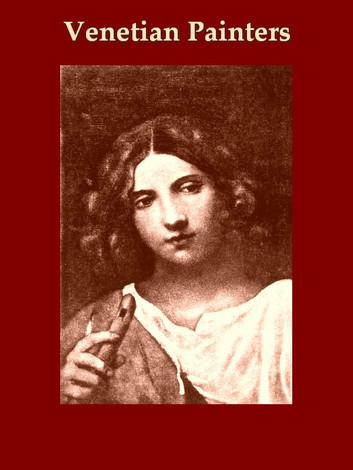
Description
The Venetian Painters of the Renaissance by Bernhard Berenson: A Comprehensive Synopsis of This Essential Art History Classic
“The Venetian Painters of the Renaissance” by Bernhard Berenson remains a foundational text in art history. This seminal work comprehensively explores Venetian painting during the Renaissance. Furthermore, it established Berenson as a leading authority on Italian Renaissance art. The book examines how Venetian artists developed distinctive approaches to painting. Moreover, it analyzes the unique characteristics that set Venetian art apart from other Italian schools.
The Venetian Painters of the Renaissance first appeared in 1894 to critical acclaim. Berenson’s scholarship revolutionized how people understood Venetian art. Additionally, his analytical approach influenced generations of art historians. Therefore, this book continues to shape Renaissance art studies today. Consequently, it remains essential reading for anyone studying Italian painting.
Berenson’s work in The Venetian Painters of the Renaissance emphasizes the primacy of color. Venetian artists prioritized color over line and form. Furthermore, they developed techniques that created luminous, sensuous visual effects. Moreover, their approach differed dramatically from that of the Florentine and Roman schools. Therefore, Venetian painting achieved unique aesthetic qualities that captivated viewers.
The book provides a systematic, detailed analysis of major Venetian masters. Berenson examines each artist’s contributions to the Venetian tradition. Additionally, he traces stylistic developments across multiple generations. Consequently, readers gain a comprehensive understanding of the evolution of Venetian painting. Therefore, The Venetian Painters of the Renaissance serves as an invaluable reference work.
The Distinctive Characteristics of Venetian Painting in The Venetian Painters of the Renaissance
Venetian painters developed approaches that distinguished them from other Italian artists. They emphasized color’s emotional and sensory power above all else. Furthermore, they created paintings that appealed directly to viewers’ senses. Moreover, Venetian artists enthusiastically celebrated worldly beauty and secular subjects. Consequently, their work possessed qualities that felt more accessible and human.
The Venetian Painters of the Renaissance explains how geography influenced artistic development. Venice’s maritime trade connections exposed artists to diverse cultural influences. Additionally, the city’s wealth supported ambitious artistic projects. Therefore, Venetian painters enjoyed resources that enabled technical experimentation. Moreover, they developed sophisticated approaches to oil painting techniques.
Berenson argues that Venetian painters prioritized visual pleasure over intellectual content. They created works that delighted the eye at first glance. Furthermore, they employed rich, luminous colors that created sensuous effects. Additionally, they painted textures and surfaces with remarkable skill. Consequently, Venetian paintings offered viewers immersive visual experiences.
The book examines how Venetian artists approached light and atmosphere. They understood how light transforms colors and creates mood. Moreover, they developed techniques for convincingly depicting atmospheric effects. Therefore, their paintings achieved unprecedented naturalism and visual richness. Additionally, they influenced European painting for centuries afterward.
Venetian painters excelled at portraying human beauty and sensuality. They celebrated the physical world without moral judgment. Furthermore, they depicted mythological and religious subjects with worldly splendor. Consequently, their work balanced spiritual themes with earthly pleasures. Therefore, Venetian painting appealed to both sacred and secular patrons.
Major Artists Examined in The Venetian Painters of the Renaissance
The Venetian Painters of the Renaissance provides a detailed analysis of Titian’s achievements. Berenson considers Titian among the greatest painters in Western art. Furthermore, he examines Titian’s mastery of color, composition, and portraiture. Moreover, he traces Titian’s stylistic evolution across his long career. Consequently, readers understand Titian’s profound influence on subsequent painting.
Tintoretto receives extensive treatment in The Venetian Painters of the Renaissance. Berenson analyzes Tintoretto’s dramatic compositions and dynamic energy. Additionally, he examines how Tintoretto combined Venetian color with Florentine drawing. Therefore, Tintoretto represents a synthesis of different Italian traditions. Moreover, his work pushed Venetian painting in new, expressive directions.
The book thoroughly explores Giorgione’s mysterious and poetic paintings. Berenson discusses Giorgione’s innovations in landscape and mood. Furthermore, he examines how Giorgione influenced Titian and other artists. Additionally, he addresses attribution questions surrounding Giorgione’s limited surviving works. Consequently, readers gain insight into this enigmatic master’s contributions.
The Venetian Painters of the Renaissance examines the Bellini family’s foundational importance. Giovanni Bellini transformed Venetian painting through technical innovations. Moreover, he established approaches that subsequent generations developed further. Additionally, Gentile and Jacopo Bellini made significant contributions. Therefore, the Bellini family shaped the entire trajectory of Venetian art.
Veronese’s decorative brilliance receives careful attention in the book. Berenson analyzes Veronese’s grand compositions and sumptuous color schemes. Furthermore, he examines how Veronese depicted the splendor of Venetian society. Consequently, Veronese’s work documents Renaissance Venice’s visual culture. Moreover, his paintings demonstrate Venetian art’s celebratory, worldly character.
Additional Venetian Masters in The Venetian Painters of the Renaissance
The book discusses Vittore Carpaccio’s narrative paintings and detailed observations. Carpaccio created works that documented Venetian life with remarkable specificity. Furthermore, his paintings provide invaluable historical records of Renaissance Venice. Additionally, he combined storytelling ability with technical skill. Therefore, Carpaccio’s work appeals to both art lovers and historians.
Cima da Conegliano receives recognition in The Venetian Painters of the Renaissance. Berenson examines Cima’s serene religious paintings and landscape backgrounds. Moreover, he discusses how Cima contributed to the development of Venetian painting. Additionally, he analyzes Cima’s distinctive approach to composition and color. Consequently, readers appreciate this often-overlooked master’s achievements.
The book systematically and thoroughly covers numerous other Venetian painters. Berenson includes artists like Sebastiano del Piombo and Lorenzo Lotto. Furthermore, he discusses Palma Vecchio, Bonifacio Veronese, and Paris Bordone. Additionally, he examines lesser-known painters who contributed to Venetian traditions. Therefore, The Venetian Painters of the Renaissance provides comprehensive coverage.
Berenson carefully traces artistic lineages and influences among Venetian painters. He shows how younger artists learned from and built upon predecessors’ achievements. Moreover, he identifies stylistic connections and shared characteristics. Consequently, readers understand Venetian painting as a coherent tradition. Therefore, the book reveals how artistic knowledge is transmitted across generations.
Key Themes and Topics in The Venetian Painters of the Renaissance
The Venetian Painters of the Renaissance explores several interconnected themes and subjects:
- Color theory and practice: How Venetian painters used color to create emotional effects
- Portraiture excellence: Venetian artists’ skill at capturing individual personality and presence
- Easel painting development: The evolution of portable paintings for private collectors
- Landscape painting innovations: How Venetians integrated landscape into compositions meaningfully
- Mythological subjects: Venetian painters’ treatment of classical themes and stories
- Religious painting: How Venetians approached sacred subjects with worldly beauty
- Technical innovations: Oil painting techniques that Venetian artists pioneered
- Atmospheric effects: Methods for depicting light, air, and weather convincingly
- Sensuous qualities: Venetian painting’s appeal to viewers’ senses and emotions
- Secular patronage: How wealthy Venetian patrons shaped artistic production
The Comprehensive Index in The Venetian Painters of the Renaissance
The Venetian Painters of the Renaissance includes an extensive index to artists’ works. This index provides locations for paintings in museums and collections. Furthermore, it helps readers locate specific works for study and viewing. Moreover, the index demonstrates Berenson’s encyclopedic knowledge of Venetian art. Consequently, it serves as a valuable research tool for scholars.
Berenson’s index reflects his connoisseurship and attribution expertise. He identifies works by specific artists based on stylistic analysis. Additionally, he distinguishes authentic works from copies and imitations. Therefore, his attributions significantly influenced art market valuations. Moreover, his judgments shaped museum collections and scholarship.
The book’s index reveals the scope of Venetian artistic production. It documents hundreds of paintings across multiple generations. Furthermore, it shows how Venetian art spread to collections worldwide. Additionally, it demonstrates Venice’s importance in the history of Renaissance art. Consequently, readers appreciate Venetian painting’s vast cultural legacy.
The Venetian Painters of the Renaissance helps readers locate works for firsthand study. Berenson believed direct observation was essential for understanding art. Moreover, he encouraged readers to examine paintings personally whenever possible. Therefore, his index facilitates this direct engagement with artworks. Additionally, it supports continued research and discovery.
Venetian Painting Compared to Other Italian Schools in The Venetian Painters of the Renaissance
The Venetian Painters of the Renaissance contrasts Venetian approaches with Florentine traditions. Florentine artists emphasized drawing, line, and intellectual content. However, Venetian painters prioritized color, atmosphere, and sensory appeal. Furthermore, Florentines focused on human anatomy and sculptural form. Conversely, Venetians celebrated surface, texture, and visual richness. Therefore, these schools represented fundamentally different artistic philosophies.
Berenson examines how Roman painting differed from Venetian approaches. Roman artists combined Florentine drawing with monumental grandeur. Moreover, they emphasized classical ideals and heroic subjects. However, Venetian painters maintained more intimate, human scales. Additionally, they preferred sensuous beauty over idealized perfection. Consequently, Venetian art felt more accessible and emotionally immediate.
The book discusses how Venetian painting influenced other regional schools. Artists from across Europe traveled to Venice to study; Venetian techniques also spread through traveling artists and were exported in paintings. Moreover, Venetian color approaches profoundly influenced European painting. Therefore, Venice’s artistic influence extended far beyond Italy’s borders.
The Venetian Painters of the Renaissance explains why Venetian art achieved lasting importance. Venetian painters developed approaches that remained influential for centuries. Additionally, they created works of enduring beauty and emotional power. Moreover, they demonstrated painting’s potential for sensory and aesthetic pleasure. Consequently, Venetian art continues to inspire artists and delight viewers today.
Berenson’s Analytical Method in The Venetian Painters of the Renaissance
The Venetian Painters of the Renaissance demonstrates Berenson’s connoisseurship approach to art history. He emphasized close visual analysis of individual paintings. Furthermore, he developed methods for attributing works to specific artists. Moreover, he believed direct observation revealed more than documentary evidence. Therefore, his approach prioritized firsthand examination of artworks.
Berenson analyzed paintings’ formal qualities systematically and carefully. He examined composition, color relationships, and technical execution. Additionally, he studied how artists depicted forms, space, and light. Consequently, he developed a sophisticated understanding of artistic techniques. Moreover, his analyses revealed subtle distinctions between different artists’ styles.
The book reflects Berenson’s belief in the importance of aesthetic experience. He argued that art’s primary value lay in visual pleasure. Furthermore, he emphasized the paintings’ ability to enhance life through beauty. Additionally, he believed great art elevated viewers’ sensibilities. Therefore, The Venetian Painters of the Renaissance celebrates art’s life-enhancing qualities.
Berenson’s writing in The Venetian Painters of the Renaissance balances scholarship with accessibility. He presents complex ideas in clear, elegant prose. Moreover, he avoids unnecessary jargon and technical terminology. Additionally, he writes with enthusiasm that engages general readers. Consequently, the book appeals to both specialists and educated amateurs.
The Historical Context of The Venetian Painters of the Renaissance
The Venetian Painters of the Renaissance emerged during the professionalization of art history. Universities were establishing art history as an academic discipline. Furthermore, museums were expanding and systematizing their collections. Moreover, wealthy collectors were actively acquiring Renaissance paintings. Therefore, Berenson’s expertise became increasingly valuable and influential.
The book reflects late nineteenth-century attitudes toward Renaissance art. Victorian audiences admired Renaissance painting’s technical mastery and beauty. Additionally, they valued art that combined aesthetic pleasure with cultural refinement. Moreover, they sought guidance from experts like Berenson. Consequently, the Venetian Painters of the Renaissance met contemporary cultural needs.
Berenson wrote The Venetian Painters of the Renaissance early in his career. The book established his reputation as a leading Renaissance scholar. Furthermore, it launched his successful career as a connoisseur and advisor. Moreover, it demonstrated his analytical abilities and extensive knowledge. Therefore, this work proved foundational for Berenson’s subsequent achievements.
The book participated in broader debates about the significance of Italian Renaissance art. Scholars were reassessing the relative importance of different regional schools. Additionally, they were developing new methods for studying art history. Moreover, they were establishing canons of great artists and masterpieces. Consequently, the Venetian Painters of the Renaissance influenced how people valued Venetian art.
The Influence and Legacy of The Venetian Painters of the Renaissance
The Venetian Painters of the Renaissance profoundly shaped twentieth-century scholarship on the Renaissance. Berenson’s analyses influenced how subsequent scholars approached Venetian art. Furthermore, his attributions affected museum collections and art-market valuations; his emphasis on connoisseurship also established methodological standards. Therefore, the book’s impact extended far beyond its immediate readership.
Art historians continue consulting The Venetian Painters of the Renaissance today. The book provides foundational knowledge about the development of Venetian painting. Additionally, it offers insights that remain valuable despite subsequent research. Moreover, it demonstrates how careful visual analysis yields understanding. Consequently, it remains relevant to contemporary scholars and students.
The book influenced how museums displayed and interpreted Venetian paintings. Berenson’s analyses helped curators better understand their collections. Furthermore, his attributions guided acquisition decisions and exhibition planning. Additionally, his emphasis on aesthetic quality shaped presentation approaches. Therefore, the Venetian Painters of the Renaissance affected public engagement with art.
Collectors relied on The Venetian Painters of the Renaissance when acquiring paintings. Berenson’s expertise helped them identify authentic works and assess quality. Moreover, his judgments influenced market prices and collecting trends. Additionally, his guidance shaped major private collections. Consequently, the book affected which paintings survived in accessible collections.
Who Should Read The Venetian Painters of the Renaissance
Art historians will find The Venetian Painters of the Renaissance essential reading. The book provides foundational knowledge about the development of Venetian painting. Furthermore, it demonstrates connoisseurship methods that remain relevant today. Moreover, it offers insights into how art historical scholarship evolved. Therefore, scholars benefit from engaging with this classic text.
Students studying Renaissance art should read The Venetian Painters of the Renaissance. The book clearly introduces major Venetian artists and their achievements. Additionally, it explains Venetian painting’s distinctive characteristics in an accessible way. Moreover, it demonstrates how to analyze paintings systematically. Consequently, students develop a stronger understanding of Renaissance art.
Museum professionals will greatly appreciate The Venetian Painters of the Renaissance. The book helps curators understand Venetian paintings in their collections. Furthermore, it provides historical context for interpreting and presenting works. Additionally, it provides language for effectively communicating about Venetian art. Therefore, museum staff can enhance visitor experiences through Berenson’s insights.
Art collectors interested in Renaissance painting should consult this book. The Venetian Painters of the Renaissance provides essential background for informed collecting. Moreover, it helps collectors understand quality and authenticity issues. Additionally, it deepens appreciation for the aesthetic qualities of Venetian paintings. Consequently, collectors make better decisions and enjoy their acquisitions more.
Anyone passionate about Renaissance culture will enjoy The Venetian Painters of the Renaissance. The book offers an accessible entry into the rich world of Venetian art. Furthermore, it explains why Venetian painting matters in the context of cultural history. Moreover, it enthusiastically celebrates beauty and aesthetic pleasure. Therefore, general readers gain rewarding insights into Renaissance achievement.
The Enduring Relevance of The Venetian Painters of the Renaissance
The Venetian Painters of the Renaissance remains valuable despite the evolution of art history. Berenson’s fundamental insights about Venetian painting still hold. Furthermore, his analyses of individual artists retain their validity. Moreover, his emphasis on direct observation remains methodologically sound. Therefore, the book continues to offer genuine scholarly value.
Contemporary readers appreciate The Venetian Painters of the Renaissance for different reasons. Modern audiences value Berenson’s elegant, accessible writing style. Additionally, they appreciate his enthusiasm for art’s life-enhancing qualities. Moreover, they benefit from his encyclopedic knowledge of Venetian painting. Consequently, the book appeals to readers with diverse interests and backgrounds.
The book documents how art historical scholarship developed over time. It shows how nineteenth-century scholars approached Renaissance art. Furthermore, it reveals assumptions and values that shaped early art history. Additionally, it demonstrates how connoisseurship methods evolved. Therefore, the Venetian Painters of the Renaissance are of historical significance.
Berenson’s work reminds readers why Venetian painting matters culturally. Venetian artists created works of extraordinary beauty and emotional power. Moreover, they developed techniques that transformed European painting. Additionally, they demonstrated art’s capacity for sensory pleasure and aesthetic delight. Consequently, their achievements deserve continued study and appreciation.
The Venetian Painters of the Renaissance in the Digital Age
The Venetian Painters of the Renaissance remains accessible through various editions. The book has been reprinted numerous times since its original publication. Furthermore, digital versions make it available to global audiences. Moreover, online platforms enable easy searching and reference. Therefore, contemporary readers can access Berenson’s scholarship conveniently.
Modern technology enhances readers’ engagement with The Venetian Painters of the Renaissance. Online museum collections allow readers to view the paintings Berenson discusses. Additionally, high-resolution images reveal details impossible to see in reproductions. Moreover, digital tools enable comparing works and tracing influences. Consequently, readers can verify and extend Berenson’s analyses.
The book’s index becomes more valuable in digital formats. Readers can search for specific artists and works instantly. Furthermore, they can cross-reference information across multiple sources. Additionally, they can link to museum databases and scholarly resources. Therefore, the Venetian Painters of the Renaissance are integrated into contemporary research workflows.
Social media and online communities actively discuss the Venetian Painters of the Renaissance. Art enthusiasts share insights and favorite passages from the book. Moreover, they debate Berenson’s attributions and interpretations. Additionally, they use the book as a springboard for exploring Venetian art. Consequently, Berenson’s work continues to generate engagement and conversation.
Conclusion: The Lasting Value of The Venetian Painters of the Renaissance
“The Venetian Painters of the Renaissance” by Bernhard Berenson stands as a landmark in art history. The book comprehensively establishes the importance of Venetian painting in Renaissance art. Moreover, it demonstrated how careful analysis reveals the depths of artistic achievement. Additionally, it influenced generations of scholars, collectors, and art lovers. Therefore, this work remains essential for understanding Italian Renaissance painting.
Berenson’s analyses in The Venetian Painters of the Renaissance retain their fundamental validity. His insights about Venetian color, atmosphere, and sensuous qualities remain accurate. Furthermore, his discussions of major artists provide valuable foundational knowledge. Moreover, his enthusiasm for art’s life-enhancing power continues to inspire readers. Consequently, the book offers enduring rewards to contemporary audiences.
The Venetian Painters of the Renaissance demonstrates art history’s capacity for accessibility. Berenson wrote for educated general readers, not just specialists. Additionally, he combined scholarly rigor with engaging prose. Moreover, he celebrated aesthetic pleasure without apologizing for it. Therefore, the book models how scholarship can reach broad audiences.
This classic text reminds readers why Venetian painting matters culturally. Venetian artists created works of extraordinary beauty and technical mastery. Furthermore, they developed approaches that influenced European art for centuries. Additionally, they demonstrated painting’s potential for sensory delight and emotional power. Consequently, their achievements deserve continued study and appreciation.
The Venetian Painters of the Renaissance serves multiple valuable purposes today. It provides foundational knowledge about Venetian painting’s development and characteristics. Moreover, it offers methodological insights into connoisseurship and visual analysis. Additionally, it documents the evolution of art-historical scholarship. Therefore, the book remains relevant across different contexts and purposes.
Readers approaching The Venetian Painters of the Renaissance today will find much to value. The book offers an accessible introduction to Venetian art’s rich tradition. Furthermore, it provides sophisticated analyses that reward careful reading. Moreover, it enthusiastically celebrates beauty and aesthetic experience. Consequently, this classic work continues to enrich the understanding of Renaissance achievement.
“The Venetian Painters of the Renaissance” ultimately affirms art’s enduring importance. Berenson believed great art enhances life through beauty and sensory pleasure. Additionally, he demonstrated that careful attention reveals the depths of artistic achievement. Moreover, he showed that understanding art enriches human experience. Therefore, this book stands as a testament to art history’s value and purpose.






Reviews
There are no reviews yet.