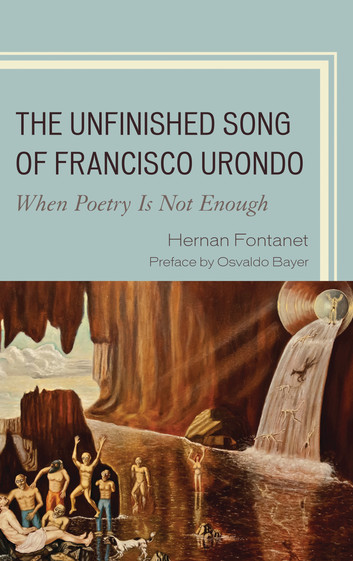
Description
The Unfinished Song of Francisco Urondo: When Poetry is Not Enough – A Revolutionary Poet’s Journey from Words to Action
Introduction to The Unfinished Song of Francisco Urondo and the Poet Who Chose Revolution
“The Unfinished Song of Francisco Urondo: When Poetry is Not Enough” by Hernan Fontanet chronicles the extraordinary life of Argentine poet Francisco Urondo. This comprehensive biography explores how Urondo transformed from celebrated poet to revolutionary fighter during Argentina’s turbulent 1970s.
Moreover, “The Unfinished Song of Francisco Urondo” examines the profound question of when artistic expression becomes insufficient against political oppression. The book reveals how Francisco Urondo’s unfinished song represents both his truncated life and his enduring legacy. Additionally, Fontanet’s study demonstrates why Urondo believed poetry was not enough to combat Argentina’s military dictatorship.
Furthermore, “The Unfinished Song of Francisco Urondo” documents the poet’s evolution from cultural promoter to clandestine guerrilla fighter. This essential biography illuminates the intersection of art, activism, and armed resistance in Latin American history.
Hernan Fontanet wrote this definitive study because Francisco Urondo’s story embodies the dilemmas facing intellectuals during political crisis. The poet’s journey from literary acclaim to revolutionary sacrifice raises timeless questions about art’s role in social change. Therefore, “The Unfinished Song of Francisco Urondo” offers crucial insights into poetry, politics, and personal conviction.
Francisco Urondo’s Early Life and Literary Formation in Argentina
Francisco “Paco” Urondo was born in 1930 in Argentina during a period of significant political and cultural transformation. His early years shaped the sensibilities that would define both his poetry and his revolutionary commitment. Moreover, young Urondo developed a deep connection to Argentine culture, language, and social realities that permeated his work. Additionally, his formative experiences established the foundation for his later belief that poetry was not enough alone.
“The Unfinished Song of Francisco Urondo” traces the poet’s intellectual development through Argentina’s vibrant literary circles and cultural movements. He immersed himself in both classical and contemporary poetry, studying diverse traditions and experimental forms. Furthermore, Urondo engaged with international literary movements while maintaining distinctly Argentine perspectives and concerns. As a result, his early work demonstrated technical mastery combined with social awareness and political consciousness.
The biography reveals how Francisco Urondo’s education and early influences shaped his artistic vision and political awakening. He witnessed Argentina’s social inequalities, political corruption, and economic exploitation firsthand during his youth. Meanwhile, he discovered poetry’s power to articulate suffering, resistance, and hope for marginalized communities. However, these early experiences also planted seeds of doubt about whether poetry was not enough to achieve justice.
Fontanet’s “The Unfinished Song of Francisco Urondo” documents the poet’s emerging reputation in Argentine literary circles. His early publications garnered critical acclaim and established him as a significant voice in contemporary Latin American poetry. Therefore, Urondo gained recognition, respect, and influence within Argentina’s intellectual and cultural communities during the 1950s and 1960s.
The Poet’s Career: Francisco Urondo as Writer, Intellectual, and Cultural Promoter
Francisco Urondo established himself as one of Argentina’s most important poets, writers, and cultural figures before his revolutionary turn. “The Unfinished Song of Francisco Urondo” chronicles his prolific literary output and his role as cultural promoter.
Moreover, the biography examines how Urondo used his position to advance both artistic innovation and social consciousness. Additionally, his work as intellectual and activist laid groundwork for his later conviction that poetry was not enough.
The poet produced an impressive body of work spanning poetry, journalism, essays, and cultural criticism throughout his career. His poetry combined lyrical beauty with political engagement, personal intimacy with social commentary, and formal experimentation with accessibility. Furthermore, Francisco Urondo’s writing addressed Argentina’s social realities while exploring universal themes of love, loss, and human dignity. As a result, his work resonated with both literary critics and ordinary readers seeking authentic voices.
“The Unfinished Song of Francisco Urondo” also explores his role as cultural promoter and intellectual community builder. He organized literary events, supported emerging writers, and fostered dialogue between artists and activists across Latin America. Meanwhile, Urondo contributed to journals, participated in international literary conferences, and built networks connecting Argentine writers globally. However, he increasingly questioned whether these cultural activities constituted sufficient response to Argentina’s deepening political crisis.
Fontanet’s biography reveals how Francisco Urondo became a charismatic figure within international literary communities during the 1960s. He formed friendships with major Latin American writers, intellectuals, and artists who shared his political commitments. Therefore, “The Unfinished Song of Francisco Urondo” documents his influence extending far beyond Argentina’s borders to shape continental conversations.
When Poetry is Not Enough: The Intersection of Art, Activism, and Revolution
The central theme of “The Unfinished Song of Francisco Urondo: When Poetry is Not Enough” explores the poet’s growing conviction that words alone couldn’t combat oppression. This section examines how Urondo navigated the tension between artistic creation and direct political action.
Moreover, Fontanet analyzes the historical context that led many Latin American intellectuals to embrace revolutionary violence. Additionally, the biography reveals how Francisco Urondo’s unfinished song reflects this fundamental conflict between art and activism.
During the 1960s and early 1970s, Argentina experienced escalating political violence, military coups, and systematic repression. Francisco Urondo witnessed how the state used torture, disappearances, and murder against workers, students, and activists. Furthermore, he observed how cultural resistance and poetic protest seemed powerless against tanks, guns, and organized terror. As a result, Urondo concluded that poetry was not enough to protect vulnerable communities or challenge authoritarian power.
“The Unfinished Song of Francisco Urondo” documents the poet’s intellectual journey toward embracing armed struggle as necessary resistance. He studied revolutionary theory, engaged with Marxist philosophy, and analyzed successful liberation movements across Latin America and beyond. Meanwhile, Urondo maintained his literary work while increasingly dedicating energy to clandestine political organizing and revolutionary activities. However, this dual commitment created profound tensions between his identities as poet and revolutionary fighter.
The biography explores how other Latin American writers and intellectuals faced similar dilemmas during this turbulent period. Many believed that poetry was not enough when confronting fascism, imperialism, and state terrorism in their countries. Therefore, “The Unfinished Song of Francisco Urondo” situates the poet’s choices within broader debates about intellectuals’ responsibilities.
Francisco Urondo’s Revolutionary Commitment and Clandestine Activities
“The Unfinished Song of Francisco Urondo” chronicles the poet’s transition from cultural activist to clandestine guerrilla fighter. This transformation represents the book’s most dramatic and controversial dimension, examining how Urondo abandoned literary prominence for underground resistance.
Moreover, Fontanet analyzes the personal, political, and philosophical factors driving this radical choice. Additionally, the biography reveals how Francisco Urondo’s unfinished song became literal as he prioritized revolution over poetry.
Francisco Urondo joined the Montoneros, a Peronist guerrilla organization fighting Argentina’s military dictatorship during the 1970s. He participated in clandestine operations, contributed to revolutionary publications, and used his intellectual skills for political organizing. Furthermore, Urondo accepted the dangers inherent in armed resistance, including imprisonment, torture, and death as likely consequences. As a result, he lived underground, separated from family, and abandoned the public literary career he had built.
The biography examines how Urondo’s revolutionary activities reflected his conviction that poetry was not enough against systematic violence. He believed armed resistance constituted the only effective response to state terrorism and military dictatorship in Argentina.
Meanwhile, “The Unfinished Song of Francisco Urondo” explores how he maintained his identity as poet even while prioritizing revolutionary action. However, his clandestine life severely limited his ability to write, publish, and participate in literary communities.
Fontanet’s study also addresses the moral and strategic debates surrounding revolutionary violence in 1970s Latin America. Many intellectuals questioned whether armed struggle truly served liberation or merely replicated oppressive violence in different forms. Therefore, “The Unfinished Song of Francisco Urondo” presents these complex ethical dimensions without simplifying Urondo’s choices or their consequences.
The Tragic Death of Francisco Urondo During Argentina’s Dictatorship
Francisco Urondo died on June 17, 1976, in a confrontation with Argentine military forces in Mendoza province. “The Unfinished Song of Francisco Urondo” provides detailed account of the circumstances surrounding the poet’s death at age forty-five.
Moreover, Fontanet examines how Urondo’s killing exemplified the dictatorship’s systematic elimination of intellectuals, artists, and activists. Additionally, the biography explores how his death literally rendered Francisco Urondo’s unfinished song incomplete and tragically prophetic.
The poet was traveling with his partner Alicia Raboy when military forces ambushed them at a checkpoint. Rather than surrender to certain torture and imprisonment, Urondo chose to fight and died in the confrontation.
Furthermore, his death occurred just months after the military coup that initiated Argentina’s most brutal dictatorship period. As a result, Francisco Urondo became one of thousands of victims during Argentina’s “Dirty War” against suspected leftists.
“The Unfinished Song of Francisco Urondo” contextualizes the poet’s death within Argentina’s systematic state terrorism during the dictatorship. The military government disappeared, tortured, and murdered an estimated 30,000 people between 1976 and 1983.
Meanwhile, intellectuals, writers, and artists faced particular targeting because of their cultural influence and ability to articulate resistance. However, Urondo’s death also demonstrated his commitment to the revolutionary principles he believed poetry was not enough to advance.
The biography examines how Urondo’s death impacted Argentina’s literary community and international intellectual circles profoundly. Many writers mourned the loss of a talented poet whose work remained unfinished and whose potential remained unrealized. Therefore, “The Unfinished Song of Francisco Urondo” explores how his death symbolized the dictatorship’s devastating impact on culture.
Key Themes in The Unfinished Song of Francisco Urondo: When Poetry is Not Enough
Hernan Fontanet’s comprehensive study explores multiple interconnected themes that make “The Unfinished Song of Francisco Urondo” essential reading. These themes resonate beyond Argentina’s specific historical context to address universal questions about art, politics, and moral commitment. Moreover, the biography examines how Francisco Urondo’s life illuminates tensions between aesthetic creation and political action. The major themes include:
- Art versus Action – The fundamental question of whether poetry is not enough during political crisis and oppression
- Intellectual Responsibility – How writers and artists should respond to injustice, violence, and systematic human rights violations
- Revolutionary Violence – Ethical debates surrounding armed resistance against authoritarian regimes and state terrorism
- Personal Sacrifice – The costs of political commitment, including family separation, danger, and potential death
- Cultural Resistance – Poetry’s role in preserving memory, articulating suffering, and inspiring resistance despite limitations
- Historical Memory – Importance of documenting disappeared voices and unfinished songs from Argentina’s dictatorship period
- Literary Legacy – How Urondo’s truncated career and unfinished work continue influencing contemporary Latin American literature
- Political Context – Argentina’s turbulent 1970s, military dictatorship, and the Dirty War’s devastating human toll
Each theme receives thorough examination in “The Unfinished Song of Francisco Urondo” with historical documentation and literary analysis. Additionally, Fontanet connects these themes to broader Latin American intellectual history and contemporary debates about activism. Furthermore, the biography demonstrates how Francisco Urondo’s unfinished song speaks to ongoing questions about art’s political responsibilities.
Francisco Urondo’s Literary Legacy and Continuing Cultural Impact
Despite his truncated career and early death, Francisco Urondo left significant literary legacy that continues influencing contemporary poetry. “The Unfinished Song of Francisco Urondo” documents the poet’s enduring impact on Argentine and Latin American literature comprehensively.
Moreover, Fontanet examines how Urondo’s work remains relevant to current generations grappling with similar political and ethical dilemmas. Additionally, the biography explores how Francisco Urondo’s unfinished song paradoxically achieved completion through its very incompleteness and tragic circumstances.
Urondo’s poetry combined technical sophistication with emotional directness, political engagement with personal intimacy, and formal innovation with accessibility. His work addressed Argentina’s social realities while exploring universal human experiences of love, loss, struggle, and hope.
Furthermore, Francisco Urondo developed distinctive voice that balanced lyrical beauty with political urgency and intellectual rigor with emotional authenticity. As a result, his poetry continues resonating with readers seeking art that engages both aesthetic and political dimensions.
“The Unfinished Song of Francisco Urondo” also examines the poet’s influence on subsequent generations of Latin American writers. Many contemporary poets cite Urondo as inspiration for combining artistic excellence with political commitment and social consciousness.
Meanwhile, his life story raises enduring questions about intellectuals’ roles during political crisis that remain relevant today. However, his example also prompts debate about whether his conclusion that poetry was not enough represented wisdom or tragedy.
The biography addresses how Urondo’s work has been preserved, published, and studied since his death in 1976. Scholars, critics, and readers have rediscovered his poetry, recognizing its literary merit and historical significance for understanding Argentina’s dictatorship. Therefore, “The Unfinished Song of Francisco Urondo” contributes to ongoing efforts ensuring the poet’s voice remains audible despite attempts.
Why The Unfinished Song of Francisco Urondo Matters for Contemporary Readers
Hernan Fontanet’s “The Unfinished Song of Francisco Urondo: When Poetry is Not Enough” offers crucial insights for contemporary audiences. This comprehensive biography illuminates how one poet navigated the impossible choice between artistic creation and revolutionary action.
Moreover, “The Unfinished Song of Francisco Urondo” raises timeless questions about intellectuals’ responsibilities during political crisis and systematic oppression. Additionally, the book demonstrates why Francisco Urondo’s unfinished song continues resonating with readers confronting similar dilemmas today.
The biography provides essential historical documentation of Argentina’s dictatorship period and its devastating impact on cultural life. It preserves memory of disappeared voices, truncated careers, and unfinished works that state terrorism sought to erase permanently.
Furthermore, “The Unfinished Song of Francisco Urondo” contributes to ongoing efforts ensuring victims receive recognition and their stories remain known. As a result, the book serves both literary and historical purposes for understanding Argentina’s traumatic past.
Fontanet’s study also offers valuable perspective on debates about art’s political role that remain urgent in contemporary contexts. Many writers, artists, and intellectuals still grapple with questions about whether creative work constitutes sufficient response to injustice.
Meanwhile, “The Unfinished Song of Francisco Urondo” provides nuanced examination of these dilemmas without offering simplistic answers or judgments. However, the biography honors Urondo’s conviction that poetry was not enough while celebrating his poetic achievements simultaneously.
Conclusion: The Enduring Power of Francisco Urondo’s Unfinished Song
“The Unfinished Song of Francisco Urondo: When Poetry is Not Enough” by Hernan Fontanet stands as definitive biography of this remarkable Argentine poet and revolutionary. This comprehensive study illuminates how Francisco Urondo navigated the tension between artistic creation and political action during Argentina’s darkest period.
Moreover, “The Unfinished Song of Francisco Urondo” preserves the memory of a poet whose life and work embody profound questions about intellectuals’ responsibilities during crisis. Furthermore, Fontanet’s biography demonstrates that Urondo’s conviction that poetry was not enough reflected both historical necessity and tragic loss.
The book celebrates the poet’s literary achievements while honestly examining his revolutionary choices and their consequences. Additionally, “The Unfinished Song of Francisco Urondo” ensures that the poet’s voice continues speaking to contemporary readers grappling with similar ethical dilemmas.
For anyone interested in Latin American literature, political history, revolutionary movements, or the intersection of art and activism, this essential work offers invaluable insights. Ultimately, “The Unfinished Song of Francisco Urondo” proves that even unfinished songs can echo across generations, inspiring reflection, debate, and continued commitment to justice.


Reviews
There are no reviews yet.