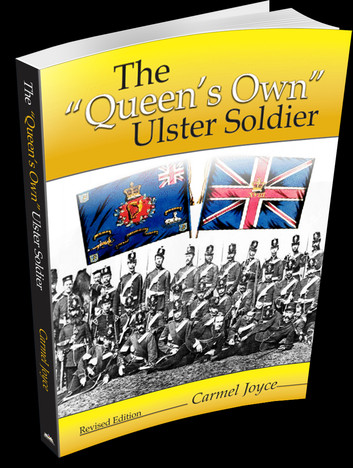
Description
The Queen’s Own Ulster Soldier by Carmel Joyce: A Historical Fiction Journey Through Empire and Family
Introduction: The Queen’s Own Ulster Soldier Chronicles a Family’s Epic Journey
“The Queen’s Own Ulster Soldier” by Carmel Joyce tells the remarkable story of Sergeant Major John Wright. This historical fiction novel explores his family’s odyssey through the British Empire. Furthermore, it captures the military, political, and personal struggles of the era. The book paints an unforgettable portrait of an empire at its peak.
Carmel Joyce crafted this compelling narrative with meticulous historical detail. She blends fact with imagination to create an immersive experience. Moreover, the story reveals the human cost of military service. Readers witness the sacrifices made by soldiers and their families.
The novel follows the Wright family as they search for their place. They navigate a world shaped by imperial ambition and conflict. Additionally, they face personal tragedies that test their resilience. Their journey reflects the broader struggles of military families everywhere.
Sergeant Major John Wright: The Heart of The Queen’s Own Ulster Soldier
John Wright serves as the central figure in this epic tale. He embodies the dedication and courage of British soldiers. Furthermore, his military career spans crucial moments in imperial history. His experiences reflect the complexities of serving the Crown.
As a Sergeant Major, Wright holds significant responsibility and authority. He leads men through dangerous campaigns and challenging conditions. Moreover, he must balance duty with family obligations. This tension creates compelling drama throughout the narrative.
Wright’s character represents thousands of Ulster soldiers who served the Empire. His story honors their contributions and sacrifices. Additionally, it humanizes the often-forgotten individuals behind military history. Joyce brings authenticity to his portrayal through careful research.
The British Empire at Its Pinnacle of Power
The novel unfolds during the height of British imperial dominance. The Empire stretched across continents and controlled vast territories. Consequently, soldiers like John Wright served in diverse and distant lands. This global reach profoundly shaped their experiences.
Joyce vividly depicts the political landscape of this era. She shows how imperial policies affected ordinary soldiers and families. Furthermore, she explores the contradictions inherent in empire building. The narrative doesn’t shy away from difficult historical truths.
The British Army maintained order across this sprawling empire. Ulster soldiers played a crucial role in these military operations. Moreover, they faced unique challenges serving far from home. Their loyalty was tested repeatedly by harsh conditions and conflicts.
The Wright Family’s Odyssey Across the Empire
The Wright family’s journey takes them to multiple corners of the world. They experience different cultures, climates, and conflicts firsthand. Additionally, they must adapt constantly to new circumstances. Their odyssey becomes a testament to human resilience.
Military families endured tremendous hardships during this period. They moved frequently, often with little notice or preparation. Furthermore, they lived with constant uncertainty about their loved ones’ safety. The Wrights exemplify these universal struggles.
Joyce portrays the family dynamics with sensitivity and depth. She shows how military service affects spouses, children, and extended family. Moreover, she highlights the strength required to maintain family bonds. The emotional toll becomes palpable throughout the narrative.
Sacrifice and Tragedy in The Queen’s Own Ulster Soldier
Sacrifice permeates every aspect of this historical fiction novel. John Wright sacrifices personal comfort and safety for duty. His family sacrifices stability and security for his career. Consequently, everyone pays a price for imperial service.
The novel doesn’t romanticize military life or imperial glory. Instead, it presents the harsh realities soldiers face. Furthermore, it acknowledges the tragedies that befell many families. Loss and grief recur throughout the story.
Joyce handles these difficult subjects with grace and authenticity. She honors the memory of those who suffered and died. Moreover, she gives voice to the often-silent struggles of military families. The emotional impact resonates deeply with readers.
Key Themes Explored in the Novel:
- The personal cost of military service and imperial duty
- Family resilience in the face of constant upheaval
- The complexities of loyalty to Crown and country
- Cultural encounters across the British Empire
- The gap between imperial rhetoric and soldier reality
- Sacrifice, loss, and the search for meaning
- The strength of family bonds under extreme pressure
The Duncan Family Connection and Ulster Heritage
The Duncan family plays a significant role in this narrative. Their connection to the Wrights adds depth to the story. Furthermore, their experiences reflect broader dynamics within the Ulster community. Joyce skillfully weaves multiple family stories together.
Ulster heritage profoundly shapes the characters’ identities and values. The region’s complex history influences its worldview and choices. Moreover, their Protestant background affects their relationship with the Crown. These cultural elements enrich the historical context.
Joyce explores how Ulster families maintained their identity abroad. They carried traditions and values across oceans and continents. Additionally, they formed communities with other Ulster soldiers and families. This cultural continuity provided comfort amid constant change.
Military Life and British Army Service
The novel provides detailed insights into life in the British Army. Joyce authentically describes the military hierarchy, discipline, and daily routines. Furthermore, she captures the camaraderie among Ulster soldiers. These details bring the historical period to life.
Sergeant Major Wright’s rank carries specific responsibilities and challenges. He must enforce discipline while maintaining morale among his men. Moreover, he serves as a bridge between officers and enlisted soldiers. This position requires diplomatic skills and firm leadership.
The British Army’s structure reflected broader social hierarchies of the era. Class distinctions significantly influenced promotions, assignments, and treatment. Consequently, soldiers from Ulster faced particular challenges advancing their careers. Joyce addresses these social realities without heavy-handed commentary.
Political Context and Imperial Ambitions
The political backdrop of “The Queen’s Own Ulster Soldier” is complex and fascinating. Joyce situates her characters within major historical events and movements. Furthermore, she shows how global politics affected individual soldiers’ lives. The personal and political intersect throughout the narrative.
Imperial ambitions drove military campaigns across Africa, Asia, and beyond. Soldiers like John Wright became instruments of these grand strategies. However, they often lacked understanding of the broader political objectives. This disconnect created moral and practical dilemmas.
The novel explores the impact of colonialism on both colonizers and colonized peoples. Joyce doesn’t present a simplistic view of imperial history. Instead, she acknowledges the complexities and contradictions inherent in empire. This nuanced approach adds depth to the historical fiction.
The Search for Home and Belonging
Throughout their odyssey, the Wright family searches for their place. They struggle to define home amid constant movement and change. Moreover, they grapple with questions of identity and belonging. This existential quest drives much of the narrative.
Military families often felt caught between multiple worlds and identities. They weren’t fully part of civilian society or military culture. Furthermore, they lived in foreign lands without truly belonging there. This liminal existence created unique psychological challenges.
Joyce explores how the Wrights create a home wherever they go. They establish routines, maintain traditions, and build community connections. Additionally, they find strength in their family bonds and shared experiences. Their resilience inspires contemporary readers.
Triumph and Resilience in The Queen’s Own Ulster Soldier
Despite overwhelming challenges, the Wright family demonstrates remarkable resilience. They survive tragedies that would break many people completely. Furthermore, they find moments of joy and triumph amid hardship. Their story ultimately celebrates human strength and determination.
Joyce balances the novel’s darker themes with moments of hope. She shows how ordinary people overcome extraordinary circumstances through courage. Moreover, she highlights the small victories that sustain families through difficult times. These moments of light make the story emotionally satisfying.
The triumphs in this narrative aren’t always grand or dramatic. Sometimes they’re simply surviving another day or maintaining family unity. Consequently, the novel offers a realistic portrayal of resilience. Readers recognize the authentic struggles and genuine achievements.
Carmel Joyce’s Historical Fiction Approach
Carmel Joyce brings impressive credentials to this historical fiction project. She combines thorough research with imaginative storytelling effectively. Furthermore, she creates characters that feel authentic to their historical period. Her approach honors both history and narrative craft.
The author consulted military records, personal letters, and historical documents extensively. This research foundation gives the novel credibility and depth. Moreover, it allows her to recreate the period with vivid detail. Readers feel transported to another time and place.
Joyce’s writing style admirably balances accessibility with literary quality. She uses clear, straightforward language that engages broad audiences. Additionally, she crafts compelling scenes that bring history to life. Her narrative skills make complex history approachable and engaging.
The Legacy of Ulster Soldiers in British Military History
“The Queen’s Own Ulster Soldier” contributes to preserving important military heritage. Ulster soldiers served the British Crown with distinction for centuries. However, their contributions are often insufficiently recognized in historical narratives. Joyce’s novel helps correct this oversight.
The Ulster regiments played crucial roles in numerous imperial campaigns. They fought in India, Africa, the Middle East, and beyond. Furthermore, they earned reputations for bravery and reliability under fire. Their service significantly shaped British military history.
Joyce honors these soldiers without unnecessarily glorifying war or imperialism. She presents their service with honesty and respect simultaneously. Moreover, she acknowledges both their achievements and the costs they paid. This balanced approach serves historical truth well.
Why This Story Matters Today
The themes in “The Queen’s Own Ulster Soldier” remain relevant to contemporary audiences. Military families still face similar challenges of separation and sacrifice. Furthermore, questions about duty, loyalty, and identity continue resonating today. The novel speaks across time to universal human experiences.
Understanding imperial history helps us better comprehend our present world. The British Empire’s legacy still influences global politics and culture—consequently, stories like the Wrights’ illuminate how we arrived at this point. Historical fiction provides accessible entry points to complex history.
Joyce’s novel also celebrates resilience and universal family strength. These qualities transcend specific historical periods or cultural contexts. Moreover, they inspire readers facing their own challenges today. The Wright family’s journey offers timeless lessons about perseverance.
The Craft of Blending History and Imagination
Historical fiction requires a careful balance between fact and creative invention. Joyce navigates this challenge with skill and sensitivity throughout. She firmly grounds her story in documented historical realities. However, she also exercises creative freedom to fill gaps imaginatively.
The characters in “The Queen’s Own Ulster Soldier” feel authentic yet compelling. They speak and act consistently with their historical period. Furthermore, they possess psychological depth that engages modern readers emotionally. This combination makes the novel both educational and entertaining.
Joyce’s imaginative additions enhance rather than distort historical understanding. She creates plausible scenarios based on documented patterns and evidence. Moreover, she uses fiction to illuminate emotional truths that dry facts cannot convey. This approach serves both history and storytelling effectively.
The Emotional Journey of Reading This Novel
Readers of “The Queen’s Own Ulster Soldier” embark on an emotional odyssey. They experience the full range of human emotions through the characters. Furthermore, they develop a deep connection to the Wright family’s struggles. The novel creates powerful empathy across time and distance.
Joyce’s narrative evokes both tears and smiles from attentive readers. She doesn’t manipulate emotions artificially or sentimentally, though. Instead, she earns emotional responses through authentic character development. The feelings arise naturally from the story’s events.
The reading experience leaves lasting impressions on most audiences. People remember the Wright family long after finishing the book. Additionally, they gain a new appreciation for the sacrifices of military families. The novel changes how readers view both history and contemporary service.
Conclusion: A Testament to Family, Duty, and Survival
“The Queen’s Own Ulster Soldier” by Carmel Joyce stands as a powerful historical testament. It honors Sergeant Major John Wright and countless soldiers like him. Furthermore, it celebrates the families who supported them through unimaginable hardships. The novel preserves important memories that might otherwise fade.
Joyce’s work contributes significantly to Ulster military history and literature. She gives voice to experiences that deserve wider recognition and understanding. Moreover, she creates a compelling narrative that educates while entertaining readers. The book succeeds on multiple levels simultaneously.
This historical fiction novel reminds us that history is composed of individual human stories. Behind every military campaign stand real people with families and dreams. Consequently, understanding their personal journeys enriches our historical knowledge profoundly. The Wright family’s odyssey illuminates broader truths about empire and sacrifice.
Ultimately, “The Queen’s Own Ulster Soldier” celebrates human resilience and dignity. It shows how ordinary people navigate extraordinary circumstances with courage. Furthermore, it demonstrates that family bonds can survive even the harshest trials. This message resonates powerfully with readers across generations and backgrounds.
The novel deserves attention from anyone interested in military history or family sagas. It offers insights into the human dimensions of the British Empire that are often overlooked. Moreover, it provides a gripping story that keeps readers engaged throughout. Carmel Joyce has created a memorable and meaningful contribution to historical fiction.





Reviews
There are no reviews yet.