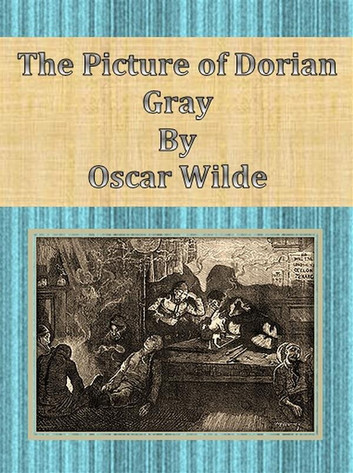
Description
The Picture of Dorian Gray: Oscar Wilde’s Timeless Gothic Masterpiece
Introduction to The Picture of Dorian Gray
The Picture of Dorian Gray stands as Oscar Wilde’s only published novel. And it remains one of literature’s most provocative explorations of vanity. Moreover, this gothic masterpiece examines the dark consequences of unchecked desire. Therefore, readers continue discovering its relevance more than a century later.
Oscar Wilde published The Picture of Dorian Gray in 1890. And the novel immediately sparked controversy across Victorian England. Furthermore, critics condemned its exploration of hedonism and moral corruption. Consequently, Wilde revised and expanded it for publication as a book in 1891.
The story follows a beautiful young man named Dorian Gray. And he becomes obsessed with preserving his youthful appearance forever. Moreover, a magical portrait bears the marks of his sins instead. Therefore, Dorian remains eternally young while his portrait ages grotesquely.
This novel explores timeless themes that resonate with modern readers. Furthermore, it questions the relationship between beauty, morality, and identity. And it examines how vanity can corrupt even the purest soul. Therefore, The Picture of Dorian Gray transcends its Victorian origins completely.
Oscar Wilde: The Brilliant Mind Behind the Novel
Oscar Wilde was born in Dublin, Ireland, in 1854. And he became one of the most celebrated writers of his era. Moreover, he was known for his wit, flamboyance, and sharp social commentary. Consequently, his work challenged Victorian society’s rigid moral standards.
Wilde excelled in a range of literary forms throughout his career. Furthermore, he wrote plays, essays, poetry, and short stories. And his plays like “The Importance of Being Earnest” remain theatrical classics. Therefore, his influence extends far beyond this single novel.
He studied at Oxford University and deeply embraced aesthetic philosophy. Moreover, he believed art should exist for beauty’s sake alone. And he rejected the idea that art must teach moral lessons. Therefore, this philosophy permeates The Picture of Dorian Gray throughout.
Wilde’s personal life was as dramatic as his fiction. Furthermore, he faced persecution for his sexuality in Victorian England. And he was imprisoned for two years on charges of gross indecency. Therefore, his work often explores themes of hidden identity and societal hypocrisy.
The Plot: A Young Man’s Faustian Bargain
The Picture of Dorian Gray begins with artist Basil Hallward painting a portrait. And his subject is the extraordinarily beautiful young Dorian Gray. Moreover, Basil’s friend Lord Henry Wotton visits the studio during a session. Consequently, Lord Henry meets Dorian and begins influencing him immediately.
Lord Henry speaks eloquently about youth, beauty, and the importance of pleasure. Furthermore, he suggests that beauty is life’s only worthwhile pursuit. And he warns Dorian that youth fades quickly and irreversibly. Therefore, Dorian becomes terrified of losing his youthful appearance.
Upon seeing his completed portrait, Dorian makes a fateful wish. And he declares he would give his soul to remain young forever. Moreover, he wishes the portrait would age instead of him. Consequently, his wish comes true in a devastating way.
Dorian begins pursuing pleasure without restraint or moral consideration. Furthermore, he indulges every desire and whim that crosses his mind. And he breaks hearts, ruins reputations, and commits increasingly terrible acts. Therefore, his soul becomes progressively more corrupted over time.
Dorian Gray: The Beautiful Protagonist
Dorian Gray begins the novel as an innocent and beautiful young man. And everyone who meets him is captivated by his appearance. Moreover, he possesses an angelic beauty that seems almost supernatural. Therefore, people naturally want to protect and preserve his innocence.
However, Dorian’s character undergoes a dramatic transformation throughout the story. Furthermore, Lord Henry’s philosophy corrupts his previously pure worldview. And he becomes obsessed with sensation, pleasure, and self-gratification. Consequently, he loses all moral compass and empathy for others.
Dorian’s beauty becomes both his greatest asset and his curse. Moreover, it allows him to escape consequences that would destroy others. And society forgives him repeatedly because of his charming appearance. Therefore, he never faces accountability for his increasingly terrible actions.
His character represents the danger of valuing appearance over substance. Furthermore, he shows how vanity can consume and destroy a person. And he demonstrates that external beauty means nothing without internal goodness. Therefore, Dorian serves as a cautionary tale for all readers.
Lord Henry Wotton: The Corrupting Influence
Lord Henry Wotton serves as the novel’s philosophical antagonist. And he speaks in witty epigrams that sound brilliant but promote selfishness. Moreover, he advocates for a life devoted entirely to pleasure. Consequently, his influence proves devastating for young Dorian Gray.
Lord Henry believes morality is merely a social construct. Furthermore, he argues that people should pursue beauty and sensation exclusively. And he dismisses conscience as an outdated Victorian constraint. Therefore, he represents the aesthetic movement’s most extreme and dangerous aspects.
He takes a kind of scientific interest in Dorian’s corruption. Moreover, he watches Dorian’s moral decline with detached fascination. And he never accepts responsibility for the destruction he causes. Therefore, Lord Henry embodies the dangers of treating life as an experiment.
His character also provides much of the novel’s brilliant dialogue. Furthermore, Wilde uses Lord Henry to express controversial philosophical ideas. And his witty observations effectively critique Victorian society’s hypocrisy. Therefore, he serves multiple important functions within the narrative.
Basil Hallward: The Artist and Moral Conscience
Basil Hallward represents artistic devotion and genuine moral concern. And he creates the fateful portrait that captures Dorian’s soul. Moreover, he loves Dorian with a pure, almost worshipful admiration. Consequently, he becomes devastated as he watches Dorian’s moral deterioration.
Basil believes art should express the artist’s deepest feelings. Furthermore, he pours his soul into the portrait of Dorian. And he fears the painting reveals too much of his own emotions. Therefore, he initially refuses to exhibit it publicly.
He serves as Dorian’s conscience throughout much of the novel. Moreover, he repeatedly tries to save Dorian from Lord Henry’s influence. And he begs Dorian to reject the path of hedonism and corruption. Therefore, Basil represents the moral alternative Dorian ultimately rejects.
His fate in the novel demonstrates the consequences of Dorian’s choices. Furthermore, his character shows that good intentions cannot always save others. And he proves that even love cannot redeem someone unwilling to change. Therefore, Basil’s story adds tragic depth to the narrative.
The Magical Portrait: Symbol and Reality
The portrait of Dorian Gray functions as the novel’s central symbol. And it represents the visible manifestation of Dorian’s hidden soul. Moreover, it ages and becomes grotesque while Dorian remains beautiful. Consequently, it serves as a constant reminder of his corruption.
The portrait changes subtly at first after Dorian’s initial cruel acts. Furthermore, a slight sneer initially appears around the mouth. And the eyes gradually take on a harder, colder expression. Therefore, the changes mirror Dorian’s internal moral decay precisely.
Dorian hides the portrait in his old schoolroom upstairs. Moreover, he covers it with a cloth and locks the room carefully. And he alone possesses the key to this terrible secret. Therefore, the hidden portrait represents his hidden sins and shame.
The portrait also represents the truth that cannot be hidden forever. Furthermore, it shows that actions have consequences, even when they are invisible to others. And it demonstrates that the soul cannot be deceived or fooled. Therefore, the portrait serves as both punishment and warning.
Themes of Vanity and the Worship of Beauty
The Picture of Dorian Gray explores vanity’s destructive power thoroughly. And it shows how an obsession with appearance corrupts the soul. Moreover, it questions society’s excessive emphasis on physical beauty. Consequently, readers must confront their own values regarding appearance.
Dorian’s vanity begins innocently enough with natural pride in his looks. Furthermore, Lord Henry’s words transform this pride into obsessive fear. And Dorian becomes willing to sacrifice everything to preserve his beauty. Therefore, vanity becomes his defining characteristic and ultimate downfall.
The novel also examines how society enables and rewards vanity. Moreover, people forgive Dorian’s cruelty because of his beautiful face. And they assume that external beauty automatically indicates internal goodness. Therefore, Wilde critiques Victorian society’s superficial value system.
However, the novel ultimately reveals beauty’s emptiness, devoid of moral substance. Furthermore, it shows that physical appearance means nothing if the soul is corrupt. And it demonstrates that true beauty must include goodness and integrity. Therefore, the book argues for a more complete definition of beauty.
The Corruption of Innocence
Dorian Gray begins the novel as an innocent young man. And his corruption happens gradually through Lord Henry’s influence. Moreover, each immoral act makes the next one easier to commit. Consequently, Dorian descends into complete moral bankruptcy over time.
His first significant sin involves his cruel treatment of actress Sibyl Vane. Furthermore, he abandons her heartlessly after she performs poorly one night. And his callousness directly leads to her tragic suicide. Therefore, this event marks his first major step toward corruption.
After Sibyl’s death, Dorian notices the first change in his portrait. Moreover, he realizes the portrait will bear the marks of his sins. And instead of reforming, he decides to continue his immoral path. Therefore, he consciously chooses corruption over redemption.
His sins escalate from emotional cruelty to increasingly terrible acts. Furthermore, he ruins reputations, destroys lives, and eventually commits murder. And each crime becomes easier as his conscience dies completely. Therefore, the novel shows how corruption progresses when unchecked.
Hedonism and the Pursuit of Pleasure
Lord Henry introduces Dorian to a philosophy of pure hedonism. And this philosophy values pleasure and sensation above all else. Moreover, it rejects traditional morality as restrictive and outdated. Consequently, Dorian embraces this worldview with devastating results.
Dorian pursues every experience and sensation available to him. Furthermore, he obsessively collects jewels, perfumes, musical instruments, and tapestries. And he seeks out increasingly exotic and forbidden pleasures. Therefore, his life becomes an endless quest for new sensations.
However, the novel reveals hedonism’s ultimate emptiness and danger. Moreover, pleasure without purpose or morality leads only to corruption. And the constant pursuit of sensation becomes exhausting and meaningless. Therefore, Wilde critiques pure hedonism despite his aesthetic philosophy.
The book also explores how hedonism affects others around the hedonist. Furthermore, Dorian’s selfish pleasure-seeking destroys many innocent people. And his actions create ripples of suffering throughout society. Therefore, the novel shows that hedonism is inherently selfish and destructive.
Victorian Morality and Social Hypocrisy
The Picture of Dorian Gray sharply critiques Victorian society’s moral hypocrisy. And it exposes the gap between public virtue and private vice. Moreover, it shows how society judges by appearances rather than reality. Consequently, Dorian exploits this hypocrisy to escape consequences.
Victorian England maintained strict public standards of morality and propriety. Furthermore, society demanded conformity to rigid behavioral codes. And any deviation from these standards resulted in social ostracism. Therefore, people learned to carefully hide their true natures.
However, beneath this respectable surface, corruption and vice flourished secretly. Moreover, wealthy men like Dorian could indulge in forbidden pleasures privately. And society overlooked their sins as long as appearances remained proper. Therefore, hypocrisy became the era’s defining characteristic.
Wilde himself suffered from this hypocritical moral system. Furthermore, his prosecution for homosexuality revealed Victorian society’s cruelty. And his imprisonment demonstrated how the system destroyed those who challenged it. Therefore, the novel reflects his personal experience with societal hypocrisy.
The Nature of Art and Aestheticism
Oscar Wilde was a leading figure in the aesthetic movement. And this movement believed art should exist for beauty’s sake alone. Moreover, aesthetes rejected the idea that art must teach moral lessons. Consequently, The Picture of Dorian Gray embodies these aesthetic principles.
The novel’s preface contains Wilde’s famous aesthetic manifesto. Furthermore, it declares that art has no moral purpose or responsibility. And it states that beauty is art’s only legitimate goal. Therefore, Wilde establishes his philosophical position from the beginning.
However, the novel itself contradicts pure aesthetic philosophy. Moreover, it clearly shows the consequences of living for beauty alone. And it demonstrates that morality cannot be completely separated from life. Therefore, the book creates a fascinating philosophical tension.
This tension reflects Wilde’s own complex relationship with aesthetic philosophy. Furthermore, he believed in art’s autonomy while recognizing the importance of morality. And he struggled to reconcile beauty with ethical responsibility. Therefore, the novel explores rather than resolves this philosophical conflict.
Key Themes Explored Throughout the Novel
The Picture of Dorian Gray examines multiple interconnected themes:
- The relationship between beauty and morality: Can external beauty exist without internal goodness?
- The consequences of vanity: How obsession with appearance destroys the soul
- The corruption of innocence: How good people can become evil gradually
- The nature of the soul: What defines our true identity and character
- Art’s purpose and responsibility: Should art teach morals or exist for beauty alone
- Social hypocrisy: The gap between public virtue and private vice
- The price of eternal youth: What we sacrifice in pursuing immortality
- Influence and responsibility: How we affect others through our words and actions
These themes work together to create a complex philosophical exploration. Moreover, they remain relevant to contemporary readers and society. And they raise questions that each generation must answer anew. Therefore, the novel transcends its Victorian context completely.
Gothic Elements and Atmosphere
The Picture of Dorian Gray incorporates classic Gothic literary elements throughout. And it creates an atmosphere of mystery, dread, and supernatural horror. Moreover, it uses gothic conventions to explore psychological and moral themes. Consequently, it stands as a masterpiece of Gothic literature.
The magical portrait serves as the novel’s primary supernatural element. Furthermore, its mysterious transformation defies any natural explanation. And it creates a sense of uncanny horror throughout the story. Therefore, it anchors the novel firmly in Gothic tradition.
The novel also features Gothic settings, such as the locked room upstairs. Moreover, Dorian’s visits to opium dens create dark, threatening atmospheres. And the descriptions of London’s foggy streets evoke gothic mystery. Therefore, setting contributes significantly to the novel’s mood.
The psychological horror intensifies as the story progresses toward its climax. Furthermore, Dorian’s increasing paranoia and guilt create internal terror. And the portrait’s grotesque transformation becomes increasingly disturbing. Therefore, the novel effectively combines external and internal Gothic elements.
Wilde’s Writing Style and Literary Techniques
Oscar Wilde writes with exceptional wit, elegance, and precision. And his prose combines beauty with sharp social observation. Moreover, he uses paradox and epigram to express complex ideas memorably. Consequently, his writing style perfectly suits the novel’s themes.
The dialogue sparkles with Wilde’s characteristic wit and intelligence. Furthermore, Lord Henry’s speeches contain some of literature’s most quotable lines. And the conversations reveal character while entertaining readers simultaneously. Therefore, dialogue serves multiple important functions throughout the novel.
Wilde also employs rich, sensuous descriptions of art and beauty. Moreover, he catalogs Dorian’s collections with almost overwhelming detail. And these descriptions effectively create the novel’s aesthetic atmosphere. Therefore, style reinforces the book’s thematic concerns about beauty.
The narrative structure builds tension gradually toward its inevitable conclusion. Furthermore, Wilde uses foreshadowing to create a sense of impending doom. And he controls pacing to maximize emotional and dramatic impact. Therefore, the novel demonstrates sophisticated literary craftsmanship throughout.
The Ending and Its Significance
The Picture of Dorian Gray builds to a powerful, inevitable conclusion. And Dorian finally confronts the consequences of his choices directly. Moreover, he attempts to destroy the portrait that records his sins. Consequently, this action leads to his ultimate fate.
After committing murder, Dorian can no longer ignore his corruption completely. Furthermore, he briefly considers reforming and becoming good again. And he wonders if destroying the portrait might free him. Therefore, he takes a knife to slash the canvas.
However, destroying the portrait proves to be Dorian’s final mistake. Moreover, the act somehow reverses the magical bargain he made. And servants discover him dead on the floor the next morning. Therefore, the ending delivers poetic justice for his crimes.
The servants find an old, withered corpse beside the beautiful portrait. Furthermore, they can only identify the body by its rings. And the portrait has returned to its original youthful beauty. Therefore, the ending suggests that truth and justice ultimately prevail.
Why The Picture of Dorian Gray Remains Relevant Today
This novel continues to resonate with modern readers for many reasons. And its themes of vanity and obsession with appearance feel increasingly relevant. Moreover, social media culture amplifies concerns about image and beauty. Consequently, Dorian’s story speaks directly to contemporary anxieties.
Today’s society places enormous emphasis on physical appearance and youth. Furthermore, people constantly use filters, cosmetic procedures, and digital manipulation. And the pressure to maintain a perfect image has never been greater. Therefore, Dorian’s obsession mirrors modern behavior patterns.
The novel also explores how we present different versions of ourselves publicly. Moreover, it examines the gap between our public image and private reality. And it questions what happens when we prioritize appearance over authenticity. Therefore, these themes feel remarkably contemporary and urgent.
Additionally, the book raises timeless questions about morality and consequences. Furthermore, it asks whether we can escape accountability for our actions. And it explores how choices shape our character over time. Therefore, the philosophical questions remain as important as ever.
Influence on Literature and Popular Culture
The Picture of Dorian Gray has influenced countless works across multiple media. And its central concept has been repeatedly adapted and reimagined. Moreover, the idea of a hidden portrait revealing truth has become iconic. Consequently, Wilde’s novel has achieved true cultural immortality.
Numerous films have adapted the story since the silent era. Furthermore, each generation reinterprets the tale for contemporary audiences. And the basic premise remains compelling regardless of setting or period. Therefore, the story proves endlessly adaptable and relevant.
The novel has inspired countless literary works exploring similar themes. Moreover, many stories feature characters who remain young while something else ages. And the concept of a physical manifestation of the soul appears frequently. Therefore, Wilde’s influence on literature has been profound and lasting.
Popular culture constantly references The Picture of Dorian Gray. Furthermore, the phrase “portrait of Dorian Gray” has entered the common language. And people use it to describe anyone who seems not to age. Therefore, the novel has transcended literature to become cultural shorthand.
Adaptations Across Different Media
The Picture of Dorian Gray has been adapted for film numerous times. And the 1945 version starring Hurd Hatfield remains particularly famous. Moreover, it used color sequences to dramatically show the portrait’s corruption. Consequently, it introduced the story to new generations of viewers.
More recent adaptations have updated the setting to the present day. Furthermore, some versions have changed Dorian’s gender or other key elements. And each adaptation finds new ways to explore the timeless themes. Therefore, the story proves flexible enough for creative reinterpretation.
The novel has also inspired stage productions, operas, and ballets. Moreover, graphic novel versions have brought visual elements to the story. And audio dramatizations have emphasized the brilliant dialogue. Therefore, the story works effectively across multiple artistic forms.
Television series have referenced or adapted the story as well. Furthermore, many shows have featured episodes inspired by the basic premise. And the concept appears in everything from horror to comedy. Therefore, Wilde’s influence extends throughout popular entertainment.
Who Should Read This Classic Novel
The Picture of Dorian Gray appeals to a wide range of readers. And anyone interested in classic literature should experience this masterpiece. Moreover, it offers readers of all ages something valuable. Consequently, it deserves its place in the literary canon.
Students of literature will find rich material for analysis and discussion. Furthermore, the novel rewards close reading and careful interpretation. And it raises important questions about art, morality, and society. Therefore, it serves as excellent material for academic study.
Readers who enjoy gothic fiction will appreciate the atmospheric horror elements. Moreover, the psychological tension and supernatural aspects create genuine suspense. And the dark themes provide satisfying gothic entertainment. Therefore, genre fans will find much to enjoy.
Anyone concerned with contemporary issues of image and authenticity should read it. Furthermore, the novel speaks directly to modern anxieties about appearance. And it offers a valuable perspective on social media culture. Therefore, it provides relevant commentary on current social issues.
Memorable Quotes and Their Meanings
The Picture of Dorian Gray contains numerous quotable and thought-provoking lines. And these quotes reveal the novel’s philosophical depth and complexity. Moreover, they demonstrate Wilde’s brilliant wit and insight. Therefore, they deserve careful consideration and reflection.
“The only way to get rid of a temptation is to yield to it.” This paradoxical statement captures Lord Henry’s dangerous philosophy perfectly. Furthermore, it suggests that resistance only strengthens desire. And it represents the hedonistic worldview that corrupts Dorian. Therefore, this quote encapsulates the novel’s central philosophical conflict.
“I am too fond of reading books to care to write them.” This line reveals Wilde’s playful attitude toward literature and criticism. Moreover, it suggests that consumption can be as valuable as creation. And it demonstrates his characteristic wit and self-awareness. Therefore, it shows Wilde’s complex relationship with his own artistry.
“Nowadays people know the price of everything and the value of nothing.” This observation sharply critiques Victorian materialism and superficiality. Furthermore, it remains relevant to contemporary consumer culture. And it suggests that society has lost sight of true worth. Therefore, this quote transcends its original context completely.
Lessons and Warnings from Dorian’s Story
The Picture of Dorian Gray offers important lessons for all readers. And it warns against the dangers of vanity and moral corruption. Moreover, it demonstrates that actions have consequences we cannot escape. Consequently, the novel serves as a powerful cautionary tale.
The story teaches that external beauty means nothing without internal goodness. Furthermore, it shows that appearance and reality must eventually align. And it proves that we cannot hide our true nature forever. Therefore, authenticity and integrity matter more than superficial attractiveness.
It also warns against the influence of toxic philosophies and people. Moreover, it shows how easily corruption can spread through persuasive words. And it demonstrates the importance of carefully choosing influences. Therefore, readers learn to evaluate the ideas they encounter critically.
The novel ultimately argues that morality and conscience cannot be ignored safely. Furthermore, it suggests that the soul demands acknowledgment and respect. And it proves that attempting to escape moral responsibility leads to destruction. Therefore, the book affirms the importance of ethical living.
The Picture of Dorian Gray’s Enduring Legacy
Oscar Wilde’s only novel has secured its place among literature’s greatest works. And it continues influencing writers, artists, and thinkers worldwide. Moreover, its themes remain as relevant today as in 1890. Consequently, The Picture of Dorian Gray will endure for generations to come.
The novel represents a perfect fusion of entertainment and philosophical depth. Furthermore, it brilliantly combines gothic horror with social commentary. And it raises profound questions while telling a compelling story. Therefore, it achieves what all great literature should accomplish.
New readers discover The Picture of Dorian Gray every year. Moreover, each generation finds new meanings and relevance in its pages. And the story continues sparking discussions about beauty, morality, and identity. Therefore, Wilde’s masterpiece truly transcends time and culture.
This classic novel deserves its reputation as essential reading. Furthermore, it offers rewards that increase with each rereading. And it provides both entertainment and enlightenment. Therefore, The Picture of Dorian Gray stands as a testament to literature’s enduring power and importance.



Reviews
There are no reviews yet.