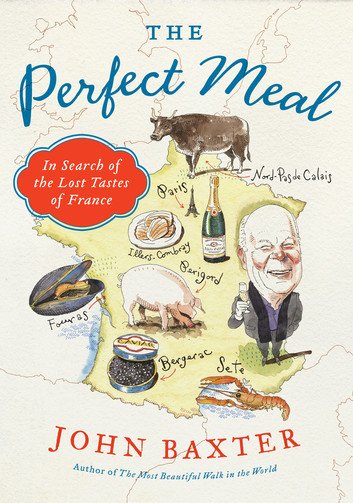
Description
The Perfect Meal: A Culinary Journey Through France
The Perfect Meal by John Baxter chronicles an extraordinary quest through France’s vanishing culinary traditions. This captivating memoir follows Baxter as he searches for disappearing classic French dishes. His ultimate goal is to assemble the perfect French meal, one legendary course at a time. Moreover, the book celebrates France’s rich gastronomic heritage while documenting its endangered delicacies. Consequently, readers embark on an unforgettable journey through French culture, history, and cuisine.
An Australian Writer’s Love Letter to French Cuisine
John Baxter brings unique credentials to this culinary adventure. The Australian-born author has lived in Paris for over twenty years. Previously, he wrote the acclaimed memoir The Most Beautiful Walk in the World.
Furthermore, his deep immersion in French culture provides authentic insights into the country’s gastronomic soul. Therefore, Baxter writes with both an outsider’s wonder and an insider’s knowledge. His perspective bridges cultures, making French cuisine accessible to international readers.
The Endangered Dishes of France
Baxter’s quest centers on tracking down rare and disappearing French delicacies. These legendary dishes represent centuries of culinary tradition. However, many face extinction due to changing laws, tastes, and economics. The author pursues these gastronomic treasures with determination and passion.
Ortolans: The Forbidden Delicacy
The controversial ortolan represents French cuisine’s most forbidden pleasure. This tiny songbird was traditionally eaten whole in a ritualistic manner. However, hunting ortolans became illegal in 1999 due to conservation concerns. Nevertheless, Baxter seeks this legendary dish that once graced presidential tables. The ortolan symbolizes the tension between tradition and modern ethics.
Authentic Bouillabaisse: A Provençal Treasure
True bouillabaisse has become increasingly rare, even in Marseille. This iconic fish stew requires specific Mediterranean fish species. Moreover, authentic preparation demands time-honored techniques and fresh local ingredients. Consequently, many restaurants serve simplified versions that disappoint purists. Baxter searches for the real thing along the French Mediterranean coast.
Foie Gras and Cognac: Luxury Under Threat
The book explores foie gras, France’s controversial luxury ingredient. Additionally, Baxter pursues century-old cognac, a spirit of extraordinary rarity. These items represent French gastronomy’s pinnacle of refinement and indulgence. However, ethical debates and changing regulations threaten their future. Therefore, Baxter documents these traditions before they potentially vanish forever.
Confiture Vieux Garçon: The Bachelor’s Preserve
This “old bachelor’s jam” represents French home cooking at its most charming. The preserve involves layering seasonal fruits in alcohol over many months. Furthermore, each family guards its own secret recipe and technique. Baxter’s search for authentic confiture vieux garçon reveals intimate French domestic traditions. This quest takes him into French homes and family kitchens.
A Regional Feast Across France
The Perfect Meal takes readers on a geographical journey through France’s diverse regions. Each area contributes unique dishes and culinary traditions to French cuisine. Moreover, Baxter explores how terroir shapes regional cooking styles and ingredients. His travels create a comprehensive portrait of French gastronomy’s regional diversity.
Paris: The Culinary Capital
Baxter’s journey begins and returns to Paris, France’s gastronomic heart. The city’s markets, bistros, and restaurants provide essential context. Additionally, Paris serves as a hub for ingredients from across France. However, the author notes how even Paris struggles to maintain certain traditions. Therefore, his Parisian explorations reveal both preservation and loss.
Provence: Sun-Drenched Flavors
The sun-soaked south offers bouillabaisse, olive oil, and Mediterranean abundance. Provence’s cuisine reflects its proximity to Italy and the sea. Furthermore, the region’s markets overflow with tomatoes, herbs, and fresh fish. Baxter immerses himself in Provençal food culture and its distinctive character. Consequently, readers taste the region’s bright, bold flavors through his descriptions.
Normandy: Cream, Butter, and Apples
Normandy contributes rich dairy products and apple-based specialties to French cuisine. The region’s lush pastures produce exceptional butter, cream, and cheese. Moreover, Norman cider and Calvados represent important French beverages. Baxter explores how Norman ingredients enrich classic French dishes. Therefore, this region proves essential to his perfect meal.
Alsace-Lorraine: Franco-German Fusion
This border region offers unique dishes blending French and German influences. Alsatian cuisine features choucroute, tarte flambée, and distinctive white wines. Additionally, the area’s history of changing national borders shaped its food. Baxter examines how political history influences culinary identity. Thus, Alsace-Lorraine adds complexity to French gastronomic traditions.
The Cultural Significance of French Dining
French cuisine represents far more than mere sustenance or pleasure. It embodies national identity, history, and cultural values. Moreover, UNESCO recognized French gastronomy as intangible cultural heritage in 2010. Baxter explores why food matters so profoundly to French culture and identity.
Meals as Social Ritual
The French meal serves as a cornerstone of social life. Family dinners and restaurant gatherings follow time-honored structures and etiquette. Furthermore, meals provide opportunities for conversation, debate, and connection. Baxter illustrates how dining rituals strengthen French social bonds. Consequently, the perfect meal becomes about community, not just food.
Gastronomy as Art Form
French culture elevates cooking to an art form worthy of serious study. Chefs achieve celebrity status and restaurants earn prestigious Michelin stars. Additionally, French culinary techniques form the foundation of Western cooking. Baxter examines this artistic approach to food preparation and presentation. Therefore, his quest becomes an exploration of culinary artistry.
Historical Roots of French Cuisine
French gastronomy’s foundations stretch back centuries to royal courts and regional traditions. The book traces how historical events shaped modern French cooking. Moreover, Baxter connects contemporary dishes to their medieval and Renaissance origins. Revolutionary changes in French society transformed eating habits and restaurant culture. Thus, understanding history proves essential to appreciating French cuisine today.
Why Classic Dishes Are Disappearing
Baxter documents the forces threatening traditional French gastronomy. Multiple factors contribute to the erosion of culinary heritage. However, understanding these challenges helps appreciate preservation efforts. The author examines each threat with nuance and concern.
Legal and Ethical Restrictions
Modern laws protect endangered species and regulate food production. Consequently, dishes like ortolan became illegal despite their cultural significance. Animal welfare concerns challenge foie gras production methods. Additionally, health regulations restrict traditional preservation and preparation techniques. Therefore, legal frameworks increasingly conflict with culinary traditions.
Economic Pressures and Globalization
Traditional dishes often require expensive ingredients and time-intensive preparation. Modern economics favor efficiency over artisanal methods. Furthermore, globalization homogenizes food culture and reduces regional distinctiveness. Small producers struggle to compete with industrial food production. Thus, economic forces threaten authentic regional cuisines.
Changing Tastes and Lifestyles
Contemporary French diners increasingly embrace international cuisines and faster dining options. Traditional multi-course meals fit poorly into modern busy lifestyles. Moreover, younger generations sometimes reject their grandparents’ culinary preferences. Health consciousness also shifts eating habits away from rich traditional dishes. Consequently, demand for classic French cuisine gradually declines.
Loss of Knowledge and Skills
Traditional cooking techniques require years of training and practice. However, fewer young people pursue classical culinary education. Additionally, family recipes disappear when older generations pass away. The knowledge embedded in regional cuisines risks permanent loss. Therefore, Baxter’s documentation serves as cultural preservation.
What Readers Gain from This Culinary Adventure
The Perfect Meal offers multiple rewards for different types of readers. Food lovers, travelers, and Francophiles each find unique value. Moreover, the book combines entertainment with education and inspiration. Baxter’s engaging narrative style makes complex topics accessible and enjoyable.
Authentic Recipes and Cooking Insights
The book includes recipes for the classic dishes Baxter discovers. These recipes preserve traditional techniques and authentic ingredient combinations. Furthermore, Baxter explains the cultural context behind each dish. Home cooks gain both practical instructions and deeper understanding. Therefore, readers can recreate these endangered dishes in their own kitchens.
Vivid Travel Writing and Cultural Immersion
Baxter’s descriptive prose transports readers across France’s diverse regions. His observations capture landscapes, markets, restaurants, and local characters. Additionally, the narrative includes historical anecdotes and cultural explanations. Readers experience France through a knowledgeable guide’s eyes. Consequently, the book serves as both travelogue and cultural study.
Stories of People and Places
The human element enriches Baxter’s culinary quest throughout the book. He introduces chefs, farmers, home cooks, and food artisans. Moreover, their personal stories reveal how individuals preserve culinary traditions. These encounters add warmth and personality to gastronomic exploration. Therefore, the book celebrates people as much as food.
Historical and Cultural Context
Baxter provides rich historical background for French cuisine’s development. Readers learn how wars, revolutions, and social changes shaped eating habits. Additionally, the book explains French attitudes toward food and dining. This context deepens appreciation for French culinary culture. Thus, readers gain comprehensive cultural literacy alongside gastronomic knowledge.
Why This Book Appeals to Different Readers
The Perfect Meal satisfies diverse interests and reading preferences. Its multifaceted approach ensures broad appeal across reader demographics. Moreover, Baxter’s accessible writing style welcomes both experts and novices.
For Food Enthusiasts and Home Cooks
Culinary adventurers will appreciate the detailed descriptions of rare dishes. The included recipes enable readers to attempt these classics themselves. Furthermore, Baxter’s explanations of techniques and ingredients enhance cooking knowledge. Food lovers gain inspiration for their own gastronomic explorations. Therefore, the book serves as both cookbook and culinary education.
For Travelers and Armchair Explorers
The book functions as an unconventional travel guide to France. Baxter reveals hidden restaurants, markets, and regional specialties. Additionally, his journey suggests itineraries for food-focused French travel. Readers planning trips gain valuable insider knowledge. Meanwhile, armchair travelers enjoy vicarious adventures through French countryside and cities.
For Francophiles and Culture Lovers
Those passionate about French culture find deep insights into national identity. The book explores how food reflects French values and history. Moreover, Baxter’s long residence in France provides authentic cultural perspective. Francophiles appreciate his nuanced understanding of French society. Consequently, the book enriches appreciation for French civilization beyond cuisine.
For Memoir and Narrative Nonfiction Readers
Baxter crafts an engaging personal narrative around his culinary quest. His writing balances humor, reflection, and vivid description. Furthermore, the book’s structure creates narrative tension and satisfying resolution. Readers who enjoy well-written memoirs will appreciate Baxter’s storytelling skills. Therefore, the book succeeds as literature, not just food writing.
The Key Dishes Featured in the Book
Baxter’s quest focuses on several iconic endangered dishes. Each represents a different aspect of French culinary heritage. Moreover, together they would comprise an extraordinary multi-course feast. These dishes include:
- Ortolan – The controversial songbird eaten whole in ritualistic fashion
- Authentic Bouillabaisse – Traditional Marseille fish stew with specific Mediterranean species
- Foie Gras – Luxury duck or goose liver, ethically controversial
- Century-Old Cognac – Extraordinarily rare aged brandy from southwestern France
- Confiture Vieux Garçon – “Old bachelor’s jam” made with layered fruits in alcohol
- Regional Cheeses – Artisanal varieties from different French regions
- Traditional Breads and Pastries – Classic baked goods prepared using time-honored methods
- Rare Wines – Historic vintages and regional specialties
The Perfect Dining Experience
Ultimately, Baxter’s quest transcends individual dishes to explore dining’s deeper meaning. The perfect meal represents more than exceptional food on a plate. Furthermore, it encompasses atmosphere, company, conversation, and cultural context. Baxter discovers that perfection lies in the complete experience.
The Importance of Setting
Where one eats matters as much as what one eats. French restaurants, homes, and outdoor settings each create distinct dining experiences. Moreover, the physical environment influences how diners perceive and enjoy food. Baxter explores how setting contributes to memorable meals. Therefore, location becomes an essential ingredient in the perfect feast.
The Role of Company
Dining companions profoundly affect meal quality and enjoyment. French culture emphasizes communal eating and shared culinary experiences. Additionally, conversation and connection enhance food’s flavors and significance. Baxter’s journey includes meals with friends, strangers, and culinary experts. Consequently, human connection emerges as crucial to dining perfection.
Timing and Seasonality
The perfect meal respects seasonal rhythms and ingredient availability. French cuisine traditionally celebrates each season’s unique offerings. Furthermore, eating foods at their peak freshness maximizes flavor and quality. Baxter learns to align his quest with agricultural and seasonal calendars. Thus, timing becomes essential to achieving culinary perfection.
Preserving France’s Culinary Heritage
Baxter’s book ultimately serves as an act of cultural preservation. By documenting endangered dishes, he creates a record for future generations. Moreover, his work raises awareness about threats to culinary traditions. The book inspires readers to value and protect gastronomic heritage.
The Role of Documentation
Writing about disappearing dishes helps preserve knowledge that might otherwise vanish. Baxter’s detailed descriptions and recipes serve as cultural archives. Additionally, his historical research contextualizes contemporary culinary practices. Documentation ensures traditions survive even when practices cease. Therefore, food writing becomes a form of cultural conservation.
Inspiring New Generations
The book may inspire young chefs and food lovers to embrace traditional cuisine. Baxter’s enthusiasm for classic dishes proves contagious and motivating. Furthermore, his accessible approach makes French gastronomy less intimidating. New generations might revive endangered dishes after reading his accounts. Consequently, the book could spark culinary renaissance and renewed interest.
Balancing Tradition and Modernity
Baxter acknowledges that cuisine must evolve to remain relevant. However, evolution shouldn’t mean abandoning valuable traditions entirely. The book explores how chefs balance innovation with respect for heritage. Moreover, it suggests ways to adapt classic dishes for contemporary contexts. Therefore, preservation doesn’t require rigid adherence to outdated practices.
Critical Reception and Impact
The Perfect Meal received widespread acclaim from critics and readers alike. Food writers praised Baxter’s thorough research and engaging narrative style. Moreover, the book sparked conversations about culinary preservation and cultural heritage. Its impact extended beyond the food world into broader cultural discussions.
Awards and Recognition
The book earned recognition from culinary and literary organizations. Critics highlighted Baxter’s unique perspective as an Australian in France. Additionally, reviewers appreciated the book’s blend of memoir, travel writing, and food journalism. The work demonstrated that food writing could achieve literary merit. Therefore, it elevated the genre’s reputation and possibilities.
Influence on Food Tourism
Baxter’s journey inspired readers to pursue their own culinary adventures in France. Restaurants and regions mentioned in the book experienced increased visitor interest. Furthermore, the book contributed to growing food tourism trends. Travelers increasingly seek authentic regional cuisines and traditional dishes. Consequently, Baxter’s work influenced how people experience French culture through food.
Conclusion: A Feast for Mind and Imagination
The Perfect Meal succeeds brilliantly as culinary memoir, travel narrative, and cultural study. John Baxter’s quest to assemble the ultimate French feast becomes a profound exploration. Moreover, his journey reveals how food connects us to history, place, and community. The book celebrates French gastronomy while documenting its endangered traditions. Readers finish the book with deeper appreciation for culinary heritage’s fragility and importance.
Baxter demonstrates that the perfect meal involves more than exceptional ingredients and preparation. It requires understanding cultural context, respecting seasonal rhythms, and sharing with others. Furthermore, it demands appreciation for the knowledge and skills embedded in traditional dishes. The book ultimately argues that preserving culinary heritage matters for cultural identity and continuity.
For food lovers, travelers, and Francophiles, this book offers immense rewards. Its recipes enable readers to recreate classic French dishes at home. Additionally, its vivid descriptions transport readers across France’s diverse culinary regions. The personal stories and historical insights enrich understanding of French culture. Therefore, The Perfect Meal belongs on every food lover’s bookshelf as essential reading.
Baxter’s work reminds us that some things deserve preservation despite modern pressures. Traditional dishes carry centuries of accumulated knowledge, skill, and cultural meaning. Moreover, they connect us to previous generations and regional identities. By documenting these endangered culinary treasures, Baxter performs valuable cultural service. His book ensures that even if dishes disappear, their stories and significance survive.





Reviews
There are no reviews yet.