

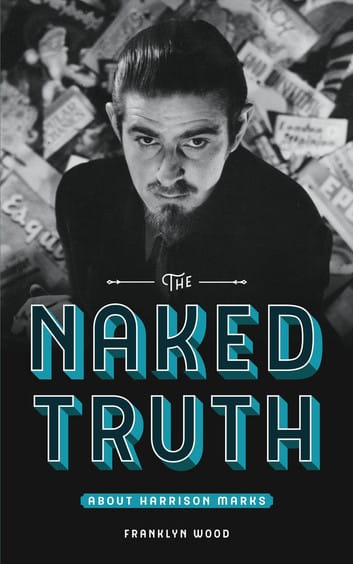
Description
The Naked Truth About Harrison Marks: A Revealing Biography
This Harrison Marks biography unveils the controversial life of Britain’s glamour photography pioneer. George Harrison Marks revolutionized adult entertainment in post-war Britain. Moreover, he became one of the most influential photographers of his era. Furthermore, his work challenged societal norms and censorship laws. Consequently, his legacy remains both celebrated and debated today.
Early Life and Career Beginnings
George Harrison Marks was born in London in 1926. His childhood occurred during challenging economic times in Britain. However, he developed an early interest in photography and visual arts. Additionally, he showed entrepreneurial spirit from a young age.
After World War II, Marks began exploring commercial photography opportunities. He initially worked in various photography studios around London. Furthermore, he learned technical skills that would define his career. His natural talent for composition became evident quickly.
The post-war era brought new attitudes toward sexuality and expression. Therefore, Marks recognized an emerging market for glamour photography. He began experimenting with artistic nude photography in the 1950s. Moreover, he developed a distinctive style that balanced artistry with sensuality.
The Rise of a Glamour Photography Pioneer
Marks founded Kamera magazine in 1957, which became hugely successful. The publication featured artistic nude photography and glamour models. Additionally, it pushed boundaries of what was legally acceptable then. Consequently, Marks faced numerous legal challenges and censorship battles.
His photography style emphasized natural beauty and playful sensuality. He worked with models who became icons of the era. Furthermore, he created a signature aesthetic that influenced countless photographers. His work appeared sophisticated yet accessible to mainstream audiences.
Kamera magazine ran for over a decade successfully. It featured some of Britain’s most famous glamour models. Moreover, the publication helped legitimize glamour photography as an art form. Marks became a household name in British popular culture.
Harrison Marks Biography: Filmmaking and Expansion
Marks expanded beyond still photography into motion pictures during the 1960s. He produced and directed numerous glamour films and features. Additionally, he created content that tested censorship laws repeatedly. His films combined humor, sensuality, and artistic vision uniquely.
His most notable films included several comedy-glamour hybrids. These productions featured beautiful models in comedic situations. Furthermore, they showcased his ability to entertain while pushing boundaries. The films gained cult followings that persist today.
Marks worked with famous models like Pamela Green and June Palmer. These collaborations produced iconic images and films. Moreover, his professional relationships often became personal and complex. The book explores these dynamics with candid honesty.
Controversies and Legal Battles
Harrison Marks faced constant legal scrutiny throughout his career. British obscenity laws targeted his publications and films regularly. However, he fought these battles with determination and creativity. Additionally, he became an advocate for artistic freedom.
The legal challenges included:
- Multiple obscenity charges and court appearances
- Seizures of magazines and photographic materials
- Fines and threats of imprisonment
- Ongoing battles with censorship boards
- Public debates about morality and art
Despite these obstacles, Marks continued producing controversial content. He believed in artistic expression and personal freedom strongly. Furthermore, his persistence helped change British attitudes toward sexuality. Consequently, his work paved the way for future artists.
Personal Life Behind the Camera
This Harrison Marks biography reveals the man behind the controversial images. Marks lived a complex personal life filled with relationships and challenges. Moreover, his romantic involvements often intertwined with his professional work. The book provides intimate details about his private world.
He married multiple times throughout his life. His relationships with models sometimes became romantic partnerships. Additionally, he struggled with the pressures of constant legal battles. These personal challenges affected his mental health and creativity.
Marks was known for his charismatic personality and charm. Friends described him as generous and passionate about his work. However, he also faced criticism for his business practices. The biography presents a balanced view of his character.
The Business of Glamour Photography
Marks built a successful business empire around glamour photography. He understood marketing and audience desires exceptionally well. Furthermore, he created multiple revenue streams from his content. His entrepreneurial skills matched his artistic talents perfectly.
Beyond Kamera magazine, he operated mail-order photography businesses. These ventures sold prints and photo sets directly to customers. Moreover, he produced films for theatrical and private distribution. Each business venture pushed legal and social boundaries strategically.
The financial success allowed him to fund increasingly ambitious projects. He invested in better equipment and production values continuously. Additionally, he paid models fairly for their time and work. His business practices were generally ethical despite the controversial content.
Influence on British Popular Culture
Harrison Marks significantly impacted British culture during the 1950s and 1960s. His work reflected changing attitudes toward sexuality and censorship. Moreover, he helped normalize discussions about adult entertainment. Consequently, British society became more open about sexual expression.
His photography style influenced fashion, advertising, and mainstream media. Many commercial photographers adopted his lighting and composition techniques. Furthermore, his playful approach to sensuality became widely imitated. The aesthetic he created defined an entire era.
Marks appeared on television and in mainstream media regularly. He became a celebrity beyond just the adult entertainment world. Additionally, his articulate defense of artistic freedom gained respect. Many people viewed him as a cultural pioneer.
The Decline and Later Years
The 1970s brought new challenges for Marks and his businesses. Changing social attitudes and increased competition affected his success. Moreover, legal troubles continued to drain his financial resources. Consequently, his empire began to crumble gradually.
New publications and filmmakers entered the glamour photography market. These competitors often produced more explicit content than Marks. Furthermore, his style began to seem dated to younger audiences. The industry he helped create was moving beyond him.
Financial difficulties forced Marks to sell many of his assets. He struggled with depression and health problems during this period. However, he continued working on various projects until his death. His passion for photography never completely faded away.
Legacy and Historical Significance
Harrison Marks died in 1997, leaving behind a controversial legacy. His contributions to photography and British culture remain significant. Moreover, historians recognize his role in challenging censorship laws. Furthermore, his work documented an important era in British history.
Modern photographers and filmmakers still reference his aesthetic style. His influence appears in contemporary glamour and fashion photography. Additionally, collectors seek his original magazines and photographs eagerly. The artistic value of his work has increased over time.
This biography examines his legacy from multiple perspectives honestly. It acknowledges both his artistic achievements and personal flaws. Moreover, it places his work within proper historical context. Consequently, readers gain a complete understanding of his impact.
The Authors’ Perspective
Franklyn Wood and George Harrison Marks collaborated on this revealing biography. Wood brings journalistic objectivity to the controversial subject matter. Meanwhile, Marks provides personal insights and behind-the-scenes stories. Together, they create a comprehensive and balanced narrative.
The book includes rare photographs from Marks’ personal collection. These images provide visual documentation of his career evolution. Furthermore, the authors include interviews with models and collaborators. Multiple perspectives enrich the biographical narrative significantly.
The writing style remains accessible while covering complex topics. The authors avoid sensationalism despite the provocative subject matter. Moreover, they present facts objectively and let readers form conclusions. This approach strengthens the biography’s credibility and value.
Why This Biography Matters Today
This Harrison Marks biography offers important insights into cultural history. It documents how one man challenged societal norms through art. Moreover, it explores the ongoing tension between expression and censorship. These themes remain relevant in contemporary digital culture.
The book provides lessons about entrepreneurship and creative persistence. Marks built a business despite constant legal and social opposition. Furthermore, he maintained his artistic vision under tremendous pressure. His determination inspires artists facing similar challenges today.
Understanding Marks’ era helps contextualize current debates about sexuality. Society continues grappling with questions about appropriate content and expression. Additionally, his story illustrates how cultural attitudes evolve over time. The biography serves as both history and cultural commentary.
Conclusion: The Complete Picture
“The Naked Truth About Harrison Marks” presents an unflinching portrait of a complex figure. The biography celebrates his artistic achievements while acknowledging his flaws. Moreover, it provides comprehensive documentation of his career and impact. Readers gain complete understanding of this controversial pioneer.
Harrison Marks changed British culture in ways still felt today. His courage in challenging censorship expanded artistic freedom for everyone. Furthermore, his photography influenced generations of visual artists worldwide. The book ensures his contributions won’t be forgotten.
Whether viewed as artist, entrepreneur, or provocateur, Marks left an indelible mark. This biography captures his story with honesty and depth. Therefore, it stands as the definitive account of his remarkable life. Anyone interested in photography, British culture, or censorship history should read this revealing work.


Reviews
There are no reviews yet.