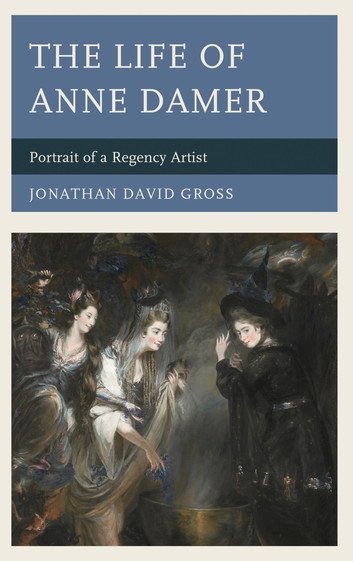
Description
Anne Damer: The Remarkable Life of a Pioneering Regency Sculptor
Anne Damer stands as one of the most fascinating yet overlooked figures in British art history. This groundbreaking biography by Jonathan David Gross resurrects the story of a woman who defied convention. Moreover, it reveals how Anne Damer carved her place in a male-dominated artistic world. As a neoclassical sculptor of extraordinary talent, she left an indelible mark on Regency England.
The First Comprehensive Biography in Over a Century
Jonathan David Gross presents the first full biography of Anne Damer since 1908. Consequently, modern readers finally gain access to her complete story. The author draws extensively on previously unpublished letters and personal notebooks. Furthermore, these primary sources illuminate aspects of her life never before explored. Therefore, this book offers fresh insights into both her artistic practice and personal struggles.
The research spans decades of meticulous archival work. Additionally, Gross contextualizes her achievements within the broader cultural landscape. This approach reveals how extraordinary her accomplishments truly were.
Anne Damer’s Aristocratic Origins and Early Life
Born Anne Seymour Conway in 1748 or 1749, the artist came from distinguished lineage. Her family belonged to the aristocratic Whig establishment of Georgian England. Moreover, this privileged background provided her with unusual opportunities for a woman. However, it also created specific expectations and social constraints.
Her aristocratic status proved both blessing and burden. On one hand, it granted her access to elite circles. On the other hand, it subjected her to intense public scrutiny. Nevertheless, she leveraged her position to pursue her artistic passions.
Marriage and Personal Tragedy
In 1767, Anne Seymour married John Damer, forming a union that would end tragically. The marriage connected her to another prominent family. However, the relationship proved deeply unhappy for both parties. Eventually, her husband’s death marked a turning point in her life.
This personal tragedy paradoxically liberated her artistic ambitions. Consequently, she devoted herself more fully to sculpture. Furthermore, widowhood granted her greater independence than marriage had allowed. Therefore, she could pursue her craft with renewed dedication.
Breaking Barriers: A Woman Sculptor in Georgian England
Anne Damer entered a profession almost entirely closed to women. During the late eighteenth century, sculpture remained a masculine domain. Moreover, the physical demands of working with stone seemed incompatible with feminine delicacy. However, she challenged these assumptions through her exceptional talent and determination.
Her aristocratic background provided crucial advantages in this endeavor. Additionally, her social connections opened doors typically barred to women artists. Nevertheless, she still faced considerable prejudice and skepticism. Therefore, every achievement required extraordinary perseverance.
The Challenges Women Artists Faced
Female artists in this era encountered numerous obstacles:
- Limited access to formal artistic training and academies
- Prohibition from studying nude models, essential for classical sculpture
- Social stigma against women working in “masculine” professions
- Difficulty obtaining commissions for public monuments
- Exclusion from professional networks and patronage systems
- Constant scrutiny of their personal lives and reputations
Anne Damer’s Relationship with the Royal Academy
In 1784, the Royal Academy granted Anne Damer status as an honorary exhibitor. This recognition marked a significant milestone in her career. Moreover, she maintained this relationship for thirty-four years until 1818. During this period, she exhibited over thirty works at the Academy.
Her sculptures appeared alongside those of Britain’s most celebrated artists. Furthermore, this platform elevated her reputation considerably. However, as an honorary rather than full member, she remained somewhat marginalized. Nevertheless, her consistent presence demonstrated her professional commitment and artistic productivity.
The Royal Academy exhibitions brought her work before influential audiences. Consequently, she received commissions from prominent patrons. Additionally, critics reviewed her pieces in major publications. Therefore, she achieved a level of visibility rare for women artists.
The Sculptor’s Artistic Practice and Style
Anne Damer worked primarily in the neoclassical style that dominated her era. Her sculptures reflected the period’s fascination with classical antiquity. Moreover, she demonstrated technical mastery of marble, terracotta, and other materials. Furthermore, her work showed sophisticated understanding of anatomy and proportion.
She created an impressive range of sculptural forms. Her portfolio included intimate portrait busts of contemporary figures. Additionally, she produced ambitious public monuments and architectural sculptures. Therefore, her versatility matched that of her male contemporaries.
Portrait Busts and Personal Commissions
The artist excelled particularly at portrait busts. These works captured the likenesses of aristocrats, politicians, and cultural figures. Moreover, they revealed psychological depth beyond mere physical resemblance. Her subjects included some of the most prominent people of her time.
Each bust demonstrated her careful observation and technical skill. Furthermore, she imbued her portraits with dignity and character. Consequently, patrons sought her services for commemorative and decorative purposes. Therefore, these commissions provided both income and reputation.
Public Monuments and Architectural Sculpture
Anne Damer also undertook larger-scale public projects. She created keystone sculptures for architectural settings. Moreover, these works required different skills than intimate portrait busts. Furthermore, they demonstrated her ability to work at monumental scale.
Her public sculptures contributed to Britain’s built environment. Additionally, they represented her most visible artistic legacy. However, some of these works have been lost or remain unattributed. Nevertheless, surviving examples testify to her ambition and capability.
Architectural sculpture demanded technical precision and structural understanding. Consequently, her success in this area proved her professional competence. Moreover, it challenged assumptions about women’s physical capabilities. Therefore, each completed project advanced her reputation.
Anne Damer as Writer and Intellectual
Beyond sculpture, the artist pursued literary endeavors. In 1801, she published a novel titled “Belmour.” Moreover, this work demonstrated her intellectual range and cultural engagement. Furthermore, it reflected the literary interests common among educated women of her class.
Her writing complemented her visual art practice. Additionally, it connected her to literary circles and salons. However, her literary output remained secondary to her sculptural work. Nevertheless, it reveals a multifaceted creative personality.
The novel “Belmour” explored themes relevant to her social world. Consequently, it offers insights into her perspectives and values. Moreover, it demonstrates that she saw herself as a cultural producer broadly. Therefore, we must understand her as more than solely a sculptor.
Social Networks and Cultural Influence
Anne Damer moved within the highest circles of British society. Her connections included politicians, writers, artists, and aristocrats. Moreover, she maintained friendships with influential women of her era. Furthermore, these relationships shaped both her life and work.
She participated actively in Whig political and social circles. Additionally, her salon attracted notable intellectuals and artists. Consequently, she influenced cultural conversations of her time. Therefore, her impact extended beyond her sculptural production.
Her correspondence reveals a woman of wit and intelligence. Moreover, her letters show her navigating complex social dynamics. Furthermore, they demonstrate her strategic thinking about her career. Therefore, the unpublished letters Gross examines prove invaluable.
The Significance of Gross’s Research
Jonathan David Gross’s biography fills a critical gap in art history. For over a century, Anne Damer remained largely forgotten. Moreover, previous accounts often sensationalized or dismissed her achievements. However, this scholarly work restores her proper place in cultural history.
The author’s use of unpublished primary sources proves particularly valuable. Consequently, readers encounter Anne Damer in her own words. Additionally, her notebooks reveal her artistic process and thinking. Therefore, we gain unprecedented access to her creative life.
Gross contextualizes her work within broader artistic and social movements. Furthermore, he analyzes how gender shaped her opportunities and reception. Moreover, he examines how she strategically navigated these constraints. Therefore, the biography offers both historical recovery and critical analysis.
Legacy and Historical Importance
Anne Damer’s career demonstrates the possibilities and limitations facing women artists. Despite her achievements, she remained exceptional rather than representative. Moreover, her aristocratic privilege enabled opportunities unavailable to most women. However, her success still required extraordinary talent and determination.
Her work influenced subsequent generations of women sculptors. Additionally, she proved that women could master this demanding medium. Consequently, she expanded possibilities for those who followed. Therefore, her historical significance extends beyond her individual achievements.
Modern reassessment of her work continues to evolve. Furthermore, scholars increasingly recognize her technical accomplishment and artistic vision. Moreover, her sculptures reward careful attention and analysis. Therefore, she deserves recognition alongside her male contemporaries.
Why This Biography Matters Today
Gross’s biography arrives at a crucial moment in art historical scholarship. Contemporary scholars increasingly examine overlooked women artists. Moreover, they challenge traditional narratives that marginalized female creativity. Furthermore, they recover lost or undervalued artistic legacies.
Anne Damer’s story resonates with ongoing conversations about gender and art. Additionally, it illuminates the structural barriers women artists faced historically. Consequently, understanding her struggles helps contextualize contemporary challenges. Therefore, this biography contributes to both historical knowledge and current debates.
The book appeals to multiple audiences and interests. Art historians gain detailed analysis of neoclassical sculpture. Moreover, scholars of gender studies find rich material about women’s creative work. Furthermore, general readers discover a fascinating biographical subject. Therefore, the book bridges academic and popular readership.
Conclusion: Rediscovering a Remarkable Artist
“The Life of Anne Damer: Portrait of a Regency Artist” restores a significant figure to visibility. Jonathan David Gross has crafted a meticulously researched and engagingly written biography. Moreover, he demonstrates why this Regency sculptor deserves renewed attention and appreciation.
The book reveals how one woman navigated the constraints of her era. Furthermore, it shows how she achieved remarkable success despite systemic obstacles. Additionally, it recovers her voice through careful archival research. Therefore, readers encounter a complex, talented, and determined individual.
This biography invites us to reconsider art historical narratives. Consequently, we must ask what other artists have been unjustly forgotten. Moreover, we must examine how gender has shaped artistic recognition and legacy. Therefore, Anne Damer’s story carries implications far beyond one individual life.
Ultimately, Gross’s work celebrates artistic achievement while acknowledging historical injustice. The sculptor created beautiful, technically accomplished works that enriched British culture. Moreover, she did so while facing obstacles her male peers never encountered. Therefore, her story inspires while also challenging us to create more equitable conditions for contemporary artists.



Reviews
There are no reviews yet.