Description
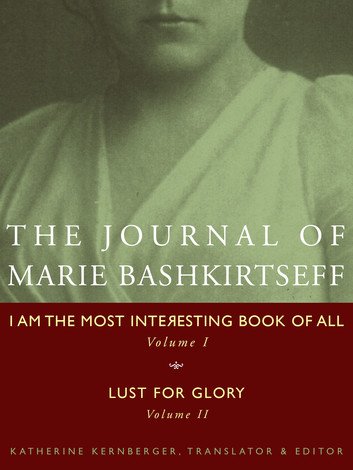
Discover The Journal of Marie Bashkirtseff
The Journal of Marie Bashkirtseff offers readers an intimate glimpse into a remarkable young woman’s mind. Marie Bashkirtseff began writing her diary in 1873 when she was just fourteen years old. This Ukrainian aristocrat living in France documented her innermost thoughts with stunning honesty. Moreover, her entries reveal a brilliant, ambitious soul determined to leave her mark on history.
A Diary Unlike Any Other
Marie’s journal stands apart from typical Victorian-era writings. She wrote with raw candor about her desires, frustrations, and dreams. Furthermore, she refused to conform to the modest expectations placed upon young women. Her voice resonates across centuries with startling modernity and psychological depth.
The Voice of a Young Genius
These diary entries capture Marie’s evolving consciousness from adolescence through young adulthood. She questioned everything around her with fierce intelligence. Additionally, she analyzed her own motivations with remarkable self-awareness. Her observations about society, art, and human nature remain strikingly relevant today.
Marie Bashkirtseff: A Life of Privilege and Passion
Marie was born in 1858 in Gavrontsi, Ukraine, into a wealthy Russian aristocratic family. Her childhood was marked by luxury, travel, and exceptional educational opportunities. However, her parents’ troubled marriage created emotional turbulence that shaped her character. In 1870, her family relocated to France, where Marie would spend her formative years.
From Ukrainian Nobility to French Society
The Bashkirtseff family moved frequently across Europe during Marie’s youth. They settled primarily on the French Riviera and in Paris. Consequently, Marie became fluent in multiple languages and absorbed diverse cultural influences. She navigated elite European society with both fascination and critical observation.
A Privileged Yet Restless Spirit
Despite her material advantages, Marie felt profoundly dissatisfied with conventional aristocratic life. She yearned for something greater than marriage and social status. Therefore, she turned her formidable energy toward artistic achievement and intellectual pursuits. Her wealth provided opportunities, but her drive came from within.
Artistic Ambitions and the Académie Julian
Marie’s passion for art became the defining force of her short life. She studied painting at the prestigious Académie Julian in Paris during the 1870s and early 1880s. This institution was one of the few that accepted female students seriously. Moreover, Marie approached her studies with professional dedication rarely seen in aristocratic women.
Breaking Barriers in the Art World
The Académie Julian provided Marie with rigorous classical training in drawing and painting. She worked alongside other ambitious women artists in a competitive environment. Furthermore, she studied anatomy, composition, and technique with the same curriculum as male students. Her talent earned respect from instructors and peers alike.
The Struggle for Recognition
Marie desperately wanted recognition as a serious artist, not merely a talented amateur. She submitted works to the prestigious Paris Salon exhibitions. However, she faced the double challenge of gender prejudice and her aristocratic background. Nevertheless, she achieved some success, with several paintings accepted for exhibition before her death.
Themes That Define Marie’s Journal Writings
The Journal of Marie Bashkirtseff explores profound themes that captivate modern readers. Her entries reveal a complex inner world filled with contradictions and passionate intensity. Additionally, she wrote about subjects considered scandalous for young women of her era.
The Burning Desire for Fame
Marie’s hunger for glory dominates her diary entries throughout the years. She wanted immortality through artistic achievement and public recognition. Moreover, she openly acknowledged this ambition without false modesty or apology. Her honesty about craving fame feels refreshingly modern and psychologically sophisticated.
What Readers Will Discover
This journal reveals multiple fascinating dimensions of Marie’s life and mind:
- Artistic Development: Her evolution from student to accomplished painter
- Social Commentary: Sharp observations about European aristocratic society and gender constraints
- Romantic Longings: Candid reflections on love, desire, and relationships
- Philosophical Musings: Deep questions about existence, purpose, and mortality
- Daily Life: Vivid details about 19th-century upper-class existence
- Psychological Insight: Remarkable self-analysis and emotional honesty
- Feminist Consciousness: Frustration with limitations placed on women’s ambitions
Romance and Relationships in the Diary
Marie wrote extensively about her romantic feelings and social interactions with men. She analyzed her attractions with psychological precision and startling frankness. Furthermore, she expressed frustration with the limited roles available to women in romance. Her entries reveal both vulnerability and a fierce determination to maintain her independence.
Social Observations and Cultural Critique
The journal entries provide invaluable historical documentation of 19th-century European aristocratic life. Marie described parties, travels, social customs, and cultural events in vivid detail. However, she also critiqued the superficiality and constraints of her social world. Her observations combine insider knowledge with outsider perspective.
The Shadow of Tuberculosis
Marie’s battle with tuberculosis adds poignant urgency to her diary writings. She contracted the disease in her youth, though its severity varied over time. Consequently, awareness of potential early death intensified her ambition and creative drive. She raced against time to achieve the recognition she desperately sought.
Living Under Death’s Shadow
The specter of illness haunts many of Marie’s journal entries from her teenage years onward. She experienced periods of relative health alternating with serious decline. Moreover, she watched tuberculosis claim other young people around her. This awareness made her impatient with conventional expectations and social trivialities.
The Final Years
Marie’s health deteriorated significantly in her early twenties despite various treatments and climate cures. She continued painting and writing even as her strength failed. Furthermore, she maintained her fierce determination to complete significant artistic works. Her productivity during these final years demonstrates extraordinary willpower and dedication.
Death at Twenty-Five
Marie Bashkirtseff died on October 31, 1884, in Paris at just twenty-five years old. Tuberculosis had finally claimed her after years of struggle. However, her journal ensured the immortality she craved. Therefore, her voice continues to speak to readers more than a century after her death.
This Special Edition: I Am the Most Interesting Book of All
This comprehensive edition presents Marie’s diary entries from 1873 to 1876 across two volumes. Volume I carries the subtitle “I Am the Most Interesting Book of All.” Meanwhile, Volume II is titled “Lust for Glory.” Together, they offer readers an unparalleled window into Marie’s adolescent and young adult years.
Katherine Kernberger’s Translation
Translator Katherine Kernberger brings Marie’s French writings to English-speaking audiences with skill and sensitivity. She preserves Marie’s distinctive voice while making the text accessible to contemporary readers. Moreover, Kernberger’s translation captures the nuances of Marie’s complex personality and literary style. Her work allows Marie’s brilliance to shine through in English.
Illustrations and Visual Elements
This edition includes illustrations that enhance readers’ understanding of Marie’s world and artistic development. Visual elements help contextualize her life in 19th-century France. Additionally, they provide insight into the artistic milieu that shaped her ambitions. The illustrations make this edition particularly valuable for art history enthusiasts.
Annotations and Historical Context
Comprehensive annotations throughout these volumes provide essential historical and biographical context. Readers gain deeper understanding of people, places, and events Marie references. Furthermore, the annotations explain cultural references that might otherwise puzzle modern audiences. This scholarly apparatus makes the diary accessible without diminishing its emotional impact.
Coverage of Formative Years
These volumes focus on Marie’s entries from 1873 through 1876, covering ages fourteen through eighteen. These formative years capture her intellectual awakening and developing artistic ambitions. Moreover, they document her emerging feminist consciousness and social critique. Readers witness Marie’s transformation from precocious child to determined young artist.
Why Read The Journal of Marie Bashkirtseff Today?
Marie’s diary remains remarkably relevant to contemporary readers despite being written over 140 years ago. Her struggles with ambition, identity, and societal constraints resonate powerfully with modern audiences. Furthermore, her psychological honesty and self-awareness feel startlingly contemporary. She speaks across time with a voice that refuses to be silenced.
A Feminist Icon Before Feminism
Marie articulated frustrations about gender limitations decades before organized feminist movements gained momentum. She recognized how society constrained women’s potential and openly rebelled against these restrictions. Therefore, her writings provide valuable historical perspective on women’s evolving consciousness. Her voice contributes to our understanding of feminist thought’s development.
Psychological Depth and Modern Sensibility
The journal’s psychological sophistication distinguishes it from typical 19th-century diaries. Marie analyzed her motivations, contradictions, and emotional patterns with therapeutic insight. Moreover, she wrote without the sentimentality or moral posturing common in Victorian literature. Her modern sensibility makes her immediately accessible to today’s readers.
Historical and Cultural Value
Beyond its literary and psychological merits, this diary offers invaluable historical documentation. Marie recorded details about daily life, social customs, and cultural events with vivid precision. Additionally, she provided insider perspective on European aristocratic society during a fascinating historical period. Historians and general readers alike find rich material in these entries.
The Legacy of Marie Bashkirtseff
Though Marie died young, her journal achieved the immortality she craved. Published posthumously, it became an international sensation in the late 19th century. Furthermore, it influenced numerous writers, artists, and thinkers across generations. Her honest voice inspired others to write with similar candor about their inner lives.
Influence on Literature and Diary Writing
Marie’s journal helped establish the diary as a serious literary form worthy of publication. Her psychological depth and stylistic sophistication elevated the genre. Moreover, she demonstrated that women’s inner lives deserved serious attention and documentation. Many subsequent diarists acknowledged her influence on their own writing.
Rediscovering Marie for New Generations
This edition introduces Marie Bashkirtseff to contemporary audiences who may be unfamiliar with her work. Modern readers discover a kindred spirit across the centuries. Therefore, her journal continues finding new admirers who recognize themselves in her struggles and aspirations. Her relevance only grows as conversations about women’s ambition and creativity continue evolving.
Conclusion: An Unforgettable Reading Experience
The Journal of Marie Bashkirtseff: I Am the Most Interesting Book of All, Volume I & Lust for Glory, Volume II offers readers an extraordinary literary and historical treasure. Marie’s voice leaps off the page with vitality, intelligence, and passionate intensity. Her diary provides intimate access to a brilliant mind grappling with timeless questions about purpose, achievement, and mortality.
These volumes capture a young woman’s determination to transcend the limitations imposed upon her. Marie’s artistic ambitions, psychological insights, and social observations create a multifaceted portrait of exceptional depth. Furthermore, her unflinching honesty about her desires and frustrations makes her immediately relatable to modern readers.
Whether you’re interested in art history, women’s studies, 19th-century European culture, or simply compelling personal narratives, this journal delivers on every level. Marie Bashkirtseff achieved the immortality she sought through these pages.
Her voice continues to inspire, challenge, and move readers more than a century after her death. This beautifully translated and annotated edition ensures that new generations can discover why Marie boldly claimed her journal was “the most interesting book of all.”



Reviews
There are no reviews yet.