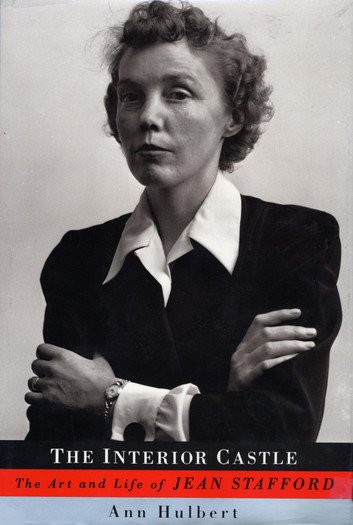
Description
Jean Stafford: A Pulitzer Prize Winner’s Turbulent Life Revealed in Ann Hulbert’s Biography
Introduction: Discovering Jean Stafford’s Complex Legacy
Jean Stafford remains one of America’s most enigmatic literary figures. Moreover, her Pulitzer Prize-winning fiction captured the darkness of mid-20th-century life. This brilliant writer lived a troubled existence filled with conflict and pain. Nevertheless, she produced remarkable stories that continue to resonate today.
Ann Hulbert’s “The Interior Castle” explores Stafford’s fascinating journey. Furthermore, this comprehensive biography reveals the woman behind the celebrated prose. Consequently, readers gain insight into a complex artistic mind shaped by trauma and ambition.
Early Life: Growing Up in Colorado’s Shadow
Jean Stafford was born into a family marked by disappointment and failure. Her father was a failed Western writer who never achieved his dreams. Additionally, this paternal failure cast a long shadow over young Jean’s childhood. The Colorado landscape shaped her early worldview and literary sensibility.
Growing up in the American West provided rich material for her fiction. However, family dysfunction created deep psychological wounds that never fully healed. Therefore, her childhood experiences became central themes in her later work. The tension between aspiration and reality defined her formative years.
Family Dynamics and Their Lasting Impact
Stafford’s difficult family relationships profoundly influenced her writing career. Moreover, these troubled connections fueled her artistic vision and personal struggles. Her father’s literary failures created both inspiration and cautionary tales. Meanwhile, her mother’s presence added another layer of familial complexity.
The family’s financial instability contributed to Jean’s lifelong anxieties. Furthermore, these early hardships shaped her perspective on American society. Consequently, her fiction often explored themes of displacement and disillusionment.
Literary Career: Rising to Prominence
Jean Stafford’s talent emerged early and burned brightly throughout her career. She worked at The New Yorker, contributing stories and journalism. Additionally, her fiction appeared in prestigious literary magazines across America. Her prose style was precise, elegant, and psychologically penetrating.
The Pulitzer Prize recognized her exceptional collection of short stories. Moreover, this achievement cemented her place in American literary history. However, success brought its own pressures and complications. Therefore, her professional triumphs contrasted sharply with her personal turmoil.
The New Yorker Years
Working at The New Yorker provided Stafford with professional stability and recognition. Furthermore, the magazine’s editorial standards pushed her craft to new heights. She developed relationships with other prominent writers and editors. Nevertheless, the competitive literary world took its toll on her psyche.
Her journalism revealed a sharp, observant mind attuned to cultural nuances. Additionally, these pieces showcased her versatility beyond fiction writing. Consequently, she became known as both storyteller and cultural commentator.
Turbulent Relationships: The Robert Lowell Marriage
Jean Stafford’s first marriage to poet Robert Lowell was tempestuous and destructive. Moreover, this relationship became one of the most documented literary marriages. The union brought together two brilliant but troubled artistic minds. However, their connection was marked by violence, infidelity, and mutual torment.
Lowell’s mental illness and erratic behavior created constant instability. Furthermore, his affairs wounded Stafford deeply and repeatedly. The marriage ended, but its scars remained throughout her life. Therefore, this relationship profoundly influenced her subsequent work and personal choices.
Love, Loss, and Literary Inspiration
Stafford’s romantic relationships provided both inspiration and devastation. Additionally, her marriages revealed patterns of self-destructive behavior and poor choices. She sought love but often found pain instead. Nevertheless, these experiences enriched her understanding of human complexity.
Her fiction explored the dynamics of troubled relationships with unflinching honesty. Moreover, she captured the subtle cruelties and disappointments of intimate life. Consequently, readers recognized authentic emotional truth in her stories.
Writing Style: Capturing Mid-Century American Darkness
Jean Stafford’s prose captured the dark spirit of mid-20th-century American literature. Furthermore, her style combined psychological realism with elegant, controlled language. She explored themes of alienation, disappointment, and social constraint. Additionally, her characters often struggled with identity and belonging.
Her fiction revealed the hidden anxieties beneath America’s prosperous surface. Moreover, she exposed particular struggles of women in a restrictive society. Her stories dissected class tensions and regional differences with surgical precision. Therefore, her work remains relevant to contemporary readers.
Key Themes in Stafford’s Work
Stafford consistently explored several interconnected themes throughout her career:
- Displacement and alienation in American society
- Family dysfunction and its psychological consequences
- Gender constraints and women’s limited choices
- Class tensions and social mobility struggles
- Regional identity and cultural dislocation
- Memory and trauma shaping present experience
These themes reflected both personal experience and broader cultural observations. Furthermore, they demonstrated her keen understanding of American life’s complexities.
Ann Hulbert’s Biographical Approach
Ann Hulbert brings exceptional credentials to this biographical project. She serves as senior editor at The New Republic. Moreover, her literary expertise and analytical skills illuminate Stafford’s complicated life. Consequently, “The Interior Castle” offers both scholarly rigor and readable narrative.
Hulbert’s research reveals previously unknown details about Stafford’s troubled existence. Additionally, she contextualizes the writer within her historical and cultural moment. The biography balances sympathy with critical distance. Therefore, readers gain a nuanced understanding of this complex artist.
Research and Narrative Technique
Hulbert conducted extensive research into Stafford’s life and work. Furthermore, she interviewed people who knew the writer personally. She examined letters, manuscripts, and personal documents. Additionally, she analyzed the fiction for autobiographical elements.
The resulting biography weaves together multiple narrative threads effectively. Moreover, Hulbert connects Stafford’s life experiences to her artistic output. Consequently, readers see how trauma transformed into art.
Why Read This Biography Today
“The Interior Castle” offers valuable insights for contemporary readers and writers. Moreover, Stafford’s struggles with artistic ambition remain deeply relevant. Her experiences illuminate the challenges facing women writers historically. Additionally, her psychological complexity speaks to universal human experiences.
Understanding Stafford’s life enriches appreciation of her literary achievements. Furthermore, her story reveals the costs of artistic dedication. The biography demonstrates how personal suffering can fuel creative brilliance. Therefore, this book appeals to multiple audiences.
Audiences Who Will Benefit
Several groups will find particular value in Hulbert’s biography:
- Literary scholars studying mid-century American fiction
- Creative writers seeking inspiration and cautionary tales
- Biography enthusiasts interested in complex artistic lives
- Feminist readers exploring women’s literary history
- Psychology students examining creativity and mental health connections
Each audience will discover different insights within these pages. Moreover, the book rewards multiple readings and perspectives.
Conclusion: A Life Examined
Jean Stafford’s life was troubled, conflicted, and ultimately tragic. However, her literary legacy endures through powerful, precisely crafted fiction. Ann Hulbert’s “The Interior Castle” provides the definitive account of this remarkable writer. Furthermore, the biography illuminates both the woman and her cultural moment.
Reading this book deepens understanding of American literary history. Additionally, it reveals the human costs of artistic achievement. Stafford’s story reminds us that great art often emerges from great pain. Nevertheless, her work transcends personal suffering to achieve universal resonance.
This biography stands as essential reading for anyone interested in American literature. Moreover, it offers a compelling portrait of a brilliant, tormented artist. Consequently, “The Interior Castle” ensures that Jean Stafford’s contributions won’t be forgotten.

Reviews
There are no reviews yet.