Description
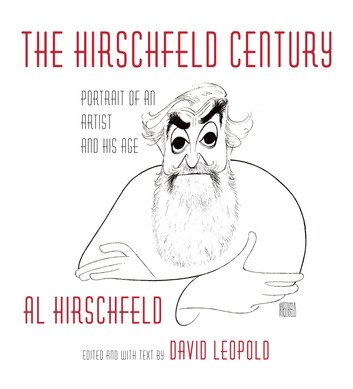
The Hirschfeld Century: Portrait of an Artist and His Age
Introduction: The Hirschfeld Century Captures an Artistic Legend
The Hirschfeld Century: Portrait of an Artist and His Age documents extraordinary artistic achievement. This comprehensive volume celebrates Al Hirschfeld’s remarkable 82-year career. Moreover, it showcases over 360 iconic drawings that defined American entertainment. Consequently, readers experience the complete scope of his artistic genius.
Al Hirschfeld revolutionized caricature through his distinctive linear style. Furthermore, his elegant black-and-white portraits became instantly recognizable worldwide. His work appeared in every major publication throughout nine decades. Therefore, he became synonymous with Broadway and Hollywood glamour.
The book chronicles how one artist captured an entire century. Additionally, it reveals how Hirschfeld’s art reflected cultural and social changes. His drawings documented the history of entertainment as it unfolded before him. Consequently, The Hirschfeld Century serves as both biography and cultural history.
Al Hirschfeld: The Master of Line
Al Hirschfeld was born in St. Louis, Missouri, in 1903. He moved to New York City as a young man. Moreover, he studied at the Art Students League and in Paris. His artistic education shaped his unique minimalist approach to portraiture.
He developed his signature style during the 1920s and 1930s. Furthermore, he refined his technique of capturing personality through minimal lines. His drawings used economy and precision to convey maximum character. Consequently, he created a new standard for theatrical caricature entirely.
He worked continuously until he died in 2003 at age ninety-nine. Additionally, he never retired or significantly slowed his prolific output. His dedication to his craft remained unwavering throughout his life. Therefore, his career spanned nearly the entire twentieth century remarkably.
He became the preeminent chronicler of American entertainment and culture. Moreover, his work transcended mere caricature to become fine art. Museums and collectors eagerly sought his original drawings consistently. Consequently, he achieved both popular and critical acclaim simultaneously.
The Revolutionary Hirschfeld Style
Hirschfeld’s artistic approach was deceptively simple yet profoundly sophisticated. He used flowing calligraphic lines to capture essential character traits. Furthermore, he eliminated unnecessary details while preserving recognizable features perfectly. His minimalism made his subjects more iconic, not less.
He drew with a crow quill pen using India ink. Additionally, he worked on an illustration board with remarkable precision and control. His technique required absolute confidence since corrections were nearly impossible. Therefore, each line had to be perfect on the first attempt.
He studied his subjects carefully before beginning any drawing. Moreover, he attended performances and observed actors in their roles. He captured not just physical appearance but personality and essence. Consequently, his portraits consistently revealed deeper truths about his subjects.
He incorporated hidden “NINAs” into his drawings after 1945. Furthermore, these hidden references to his daughter became legendary puzzles. Readers searched for the number of NINAs indicated beside his signature. Therefore, his work became interactive and engaging beyond visual appreciation.
The Hirschfeld Century: Comprehensive Career Documentation
The Hirschfeld Century presents the most complete collection of his work. It features over 360 drawings spanning his entire eight-decade career. Moreover, it includes rare early works and celebrated later masterpieces. Consequently, readers experience his artistic evolution in a comprehensive, chronological manner.
David Leopold, a leading authority on Hirschfeld, edits the book. Furthermore, Leopold provides insightful commentary and historical context throughout. His expertise illuminates the circumstances surrounding each drawing’s creation. Therefore, the book functions as both an art collection and a scholarly resource.
The volume is organized chronologically to clearly show artistic development. Additionally, it documents how Hirschfeld’s style matured and refined over time. Readers observe his growing confidence and technical mastery progressively. Consequently, the book reveals the artist’s journey from student to master.
It includes drawings of virtually every major entertainment figure imaginable. Moreover, it captures Broadway productions, Hollywood stars, and cultural icons. His subjects range from the 1920s through the early 2000s. Therefore, the book serves as a visual history of American entertainment.
Broadway Through Hirschfeld’s Eyes
Hirschfeld became Broadway’s unofficial visual historian and greatest champion. He attended opening nights and captured productions with remarkable insight. Furthermore, his drawings appeared in The New York Times for decades. His work became essential to Broadway’s identity and marketing efforts.
He drew every major Broadway production and performer for generations. Additionally, he captured the essence of shows through single iconic images. His drawings often became more famous than the productions themselves. Consequently, his art defined how audiences visually remembered theatrical history.
He understood theater deeply and appreciated its collaborative nature thoroughly. Moreover, he captured not just actors but directors, choreographers, and designers. His comprehensive approach documented every aspect of theatrical creation. Therefore, his work honors the entire theatrical community respectfully.
He personally maintained close relationships with many Broadway legends. Furthermore, he regularly socialized with actors, playwrights, and producers. These friendships informed his understanding and significantly enhanced his portraits. Consequently, his drawings consistently reflected genuine affection and insider knowledge.
Hollywood Stars and Cinema Icons
Hirschfeld’s reach extended far beyond Broadway into Hollywood cinema. He drew every major film star from the silent era onward. Moreover, his portraits appeared in movie advertisements and promotional materials. His work helped permanently define Hollywood’s visual identity during its golden age.
He captured the glamour and mystique of classic Hollywood perfectly. Furthermore, he drew stars like Greta Garbo, Charlie Chaplin, and Humphrey Bogart. His portraits conveyed their screen personas and off-screen personalities simultaneously. Consequently, his drawings became definitive representations of these legends.
He continued documenting cinema as it evolved and transformed. Additionally, he drew contemporary stars alongside classic icons throughout his career. His work bridged generations and connected Hollywood’s past to its present. Therefore, his art provides continuity across cinema’s entire modern history.
He understood that film and theater were interconnected art forms. Moreover, many of his subjects worked successfully in both media. His drawings captured performers’ versatility and range across different contexts. Consequently, his work documents the relationship between stage and screen.
The Artistic Philosophy Behind the Lines
Hirschfeld believed in the power of simplicity and essential truth. He sought to capture the soul of his subjects through minimal means. Furthermore, he rejected photographic realism in favor of interpretive characterization. His philosophy consistently emphasized personality over mere physical accuracy.
He studied his subjects’ movements, gestures, and characteristic expressions carefully. Additionally, he observed how they inhabited space and interacted with others. He synthesized these observations into a single, definitive image remarkably. Therefore, his drawings conveyed motion and personality despite their static nature.
He believed caricature should celebrate rather than mock its subjects. Moreover, he approached his work with affection and respect at all times. His drawings enhanced rather than diminished the people he portrayed. Consequently, subjects generally appreciated and treasured his interpretations of them.
He viewed his work as both documentation and celebration. Furthermore, he understood his role as a cultural historian and artistic interpreter. His drawings intentionally preserved moments and personalities for future generations. Therefore, his art serves both aesthetic and archival purposes equally.
Technical Mastery and Innovation
Hirschfeld’s technical skill was extraordinary and hard-won through practice. He could create complex compositions with seemingly effortless ease. Moreover, his line quality remained consistent and confident throughout his career. The mastery of his medium was absolute and unquestionable.
He used negative space as effectively as positive lines strategically. Furthermore, he understood how white space contributed to overall composition. His background was minimal yet perfectly balanced with his subjects. Consequently, his drawings consistently achieved remarkable visual harmony and clarity.
He experimented with different approaches while maintaining his signature style. Additionally, he adapted his technique to suit different subjects and contexts. His versatility within his chosen aesthetic was impressive. Therefore, his work never became repetitive despite its stylistic consistency.
He influenced countless artists and illustrators across multiple generations. Moreover, his approach to caricature became the standard against which others measured. His technical innovations in linear drawing remain relevant and influential today. Consequently, his artistic legacy extends far beyond his own work.
The Hirschfeld Century: Cultural and Historical Context
The book situates Hirschfeld’s work within broader cultural and historical contexts. It examines how his art reflected and influenced American culture. Furthermore, it explores the relationship between his drawings and contemporary events. Consequently, readers understand his work’s significance beyond pure aesthetics.
The volume documents the evolution of entertainment throughout the twentieth century. Additionally, it shows how Hirschfeld adapted to changing theatrical and cinematic styles. His work captured everything from vaudeville to contemporary Broadway musicals. Therefore, his drawings chronicle the comprehensive modern transformation of entertainment.
It explores how his art intersected with major historical moments. Moreover, it examines how world events influenced entertainment and his subjects. His career spanned the Depression, World War II, and the Cold War. Consequently, his work reflects the cultural and social dynamics of these periods.
It analyzes how his drawings shaped public perception of entertainment figures. Furthermore, it discusses his role in creating and maintaining celebrity culture. His portraits often became how audiences remembered and understood performers. Therefore, his influence on popular culture was profound and lasting.
Major Subjects and Iconic Portraits
Hirschfeld drew virtually every significant figure in twentieth-century entertainment. His subjects included actors, dancers, musicians, and cultural icons. Moreover, he occasionally captured politicians, writers, and other public figures. His range and breadth were truly comprehensive and remarkable.
Some of his most famous portraits include:
- Charlie Chaplin in various iconic poses and characters
- The Marx Brothers capture their anarchic comedy perfectly.
- Katharine Hepburn shows her strength and elegance simultaneously.
- Fred Astaire and Ginger Rogers in graceful dance poses
- Barbra Streisand has played multiple roles throughout her career.
- Zero Mostel in “Fiddler on the Roof” and other productions
- Liza Minnelli captures her dynamic stage presence completely.
- Woody Allen accurately reflects his neurotic screen persona.
These portraits became definitive representations of their subjects permanently. Furthermore, they often surpassed photographs in capturing essential personality traits. His interpretations revealed truths that realistic depictions might miss entirely. Consequently, his drawings achieved a super-reality through simplification.
Publications and Exhibition History
Hirschfeld’s work appeared in virtually every major American publication. The New York Times featured his drawings for over seventy-five years. Moreover, his art graced the covers of Time, Life, and countless other magazines. His ubiquity made him one of America’s most recognized artists.
He published numerous books collecting his drawings throughout his career. Furthermore, these volumes documented specific eras, shows, or themes comprehensively. Each publication became a valuable record of entertainment history and artistry. Therefore, his books serve both artistic and documentary purposes equally.
His work has been exhibited in major museums and galleries worldwide. Additionally, retrospectives have repeatedly celebrated his contributions to American art. The Library of Congress holds a significant collection of his work. Consequently, his artistic legacy is preserved and accessible to future generations.
The Hirschfeld Century represents the most comprehensive publication of his work. Moreover, it significantly supersedes previous collections in scope and scholarly apparatus. The book definitively and permanently establishes his place in art history. Therefore, it serves as the essential reference for understanding his achievement.
Awards, Recognition, and Honors
Hirschfeld received numerous awards and honors throughout his long career. He won two Tony Awards for his contributions to theater. Moreover, he received the National Medal of Arts from President Clinton. Both artistic and governmental institutions recognized his achievements.
The Martin Beck Theatre was renamed the Al Hirschfeld Theatre in 2003. Furthermore, this honor recognized his unparalleled contribution to Broadway culture. He became the first artist to have a Broadway theater named after him. Consequently, his name remains permanently associated with theatrical excellence.
He was inducted into the American Theater Hall of Fame. Additionally, he received honorary degrees from several prestigious universities. Both academic and artistic communities celebrated his work. Therefore, his influence extended across multiple cultural and educational spheres.
His drawings are held in major museum collections internationally. Moreover, institutions like the Metropolitan Museum of Art own his works. His art is recognized as significant beyond mere illustration or caricature. Consequently, he achieved the highest level of artistic legitimacy and respect.
The Hidden NINAs: A Signature Tradition
Hirschfeld began hiding his daughter Nina’s name in drawings in 1945. He incorporated “NINA” into the lines and shapes of his compositions. Furthermore, he indicated the number of hidden NINAs beside his signature. This practice ultimately became his most famous and beloved trademark.
The NINA tradition engaged audiences and made his work interactive. Additionally, it added a playful element to his sophisticated artistic practice. Readers spent hours carefully searching for all the hidden names. Therefore, his drawings became puzzles as well as portraits effectively.
He continued this practice consistently throughout his career. Moreover, the NINAs became increasingly difficult to find over time. His skill at concealing them within his compositions grew remarkably. Consequently, finding all the NINAs became a challenging and rewarding game.
The tradition reflected his warmth, humor, and love for his daughter. Furthermore, it humanized him and made his work more personally meaningful. The NINAs connected his public art to his private life in a touching way. Therefore, this practice endeared him to audiences across generations permanently.
Influence on Contemporary Artists and Illustrators
Hirschfeld’s influence on subsequent artists has been profound and lasting. His linear approach inspired countless illustrators and caricaturists worldwide. Moreover, his minimalist aesthetic influenced graphic design and visual communication broadly. His impact extends far beyond theatrical caricature, specifically into general illustration.
Contemporary caricaturists still study his technique and approach carefully. Furthermore, his work remains the standard for theatrical and entertainment portraiture. Art schools teach these methods as fundamental to understanding caricature. Consequently, his pedagogical influence continues to shape new artistic generations consistently.
His emphasis on personality over physical accuracy influenced portrait photography. Additionally, his compositional strategies informed the aesthetics of graphic design and advertising. His visual language became part of the broader American visual culture. Therefore, his influence permeates areas beyond his immediate artistic practice.
He demonstrated that commercial art could achieve fine art status. Moreover, he proved that illustration could be intellectually and aesthetically sophisticated. His career validated illustration as a legitimate artistic pursuit. Consequently, he opened doors for subsequent generations of commercial artists.
The Hirschfeld Century: Book Design and Production
The Hirschfeld Century is a beautifully produced volume befitting its subject. The book features high-quality reproductions of Hirschfeld’s original drawings. Moreover, the printing captures the delicacy and precision of his linework. The production values honor his artistic achievement appropriately and respectfully.
The book’s large format allows readers to appreciate details fully. Furthermore, the layout provides generous white space around each drawing. This design choice effectively reflects Hirschfeld’s aesthetic principles. Consequently, the book’s design complements rather than competes with the artwork.
David Leopold’s text provides essential context without overwhelming the visual material. Additionally, his commentary is informative yet accessible to general readers. The balance between text and image is carefully calibrated throughout. Therefore, the book succeeds as both an art book and a biography.
The chronological organization helps readers understand Hirschfeld’s artistic development. Moreover, it shows how his work reflected changing entertainment landscapes. The structure makes the book both browsable and completely readable. Consequently, it effectively serves multiple reading approaches and purposes.
Personal Life and Character
Hirschfeld was known for his warmth, humor, and generous spirit. He maintained friendships across the entertainment industry for decades. Moreover, he was beloved by colleagues, subjects, and admirers equally. His personality was as distinctive and appealing as his artwork.
He married three times and had one daughter, Nina. Furthermore, his relationship with Nina profoundly influenced his life and work. His devotion to her was evident in the NINA tradition. Therefore, his personal life enriched his artistic practice in meaningful and touching ways.
He worked from his townhouse studio in Manhattan for decades. Additionally, he maintained a disciplined daily routine throughout his career. His legendary work ethic contributed to his prolific output. Consequently, his professional dedication matched his natural talent perfectly.
He remained engaged with contemporary culture throughout his long life. Moreover, he continued learning and adapting until his final years. His curiosity and openness kept his work fresh and relevant. Therefore, he remained remarkably up to date despite his advanced age.
The Relationship Between Art and Subject
Hirschfeld’s relationship with his subjects was generally collaborative and respectful. Many performers eagerly anticipated his interpretations of their work. Furthermore, his drawings often became treasured possessions for the subjects themselves. His portraits were typically seen as honors rather than intrusions.
He understood that his subjects were artists themselves, deserving respect. Additionally, he approached them as colleagues rather than mere material. His drawings genuinely celebrated their talents and contributions to the entertainment industry. Therefore, his work consistently fostered goodwill and mutual appreciation.
Some subjects became personal friends through his artistic documentation. Moreover, these relationships deepened his understanding and enhanced his portraits. His insider perspective gave his work authenticity and depth. Consequently, his drawings conveyed truths that outsiders might miss entirely.
He occasionally drew subjects who were controversial or difficult. Furthermore, he maintained his artistic integrity regardless of personal feelings. His professionalism ensured that his work remained fair and balanced. Therefore, his portraits transcended personal relationships to achieve artistic objectivity.
Legacy and Continuing Relevance
Hirschfeld’s legacy extends far beyond his impressive body of work. He fundamentally changed how Americans visualize entertainment and celebrity. Moreover, his influence on visual culture remains evident and significant today. His artistic vocabulary became part of our collective visual language.
His work continues to be exhibited, published, and celebrated regularly. Furthermore, new generations continue to discover and appreciate his art. His drawings remain fresh and engaging despite their historical subjects. Therefore, his work transcends its original context to achieve timeless quality.
The Al Hirschfeld Foundation preserves and promotes his artistic legacy. Additionally, it ensures that his work remains accessible to future audiences. The foundation organizes exhibitions and educational programs about his art. Consequently, his influence will continue shaping American culture for generations.
His approach to caricature remains the gold standard for the form. Moreover, no subsequent artist has matched his combination of skill and vision. His unique achievement stands alone in American art history permanently. Therefore, he occupies an irreplaceable position in our cultural heritage.
The Hirschfeld Century as Essential Cultural Document
The Hirschfeld Century serves multiple important functions for contemporary readers. It preserves and presents a comprehensive record of his artistic achievement. Furthermore, it documents American entertainment history through his unique perspective. The book is simultaneously an art collection, a biography, and a work of cultural history.
It provides invaluable visual documentation of twentieth-century entertainment figures. Additionally, it captures performances and productions that exist nowhere else. His drawings preserve ephemeral theatrical moments for posterity. Therefore, the book serves crucial archival and historical purposes.
It demonstrates how one artist’s vision can define an entire era. Moreover, it shows how art and entertainment intersect and influence each other. The book explores the relationship between artistic documentation and cultural memory. Consequently, it raises important questions about art’s role in society.
It celebrates artistic excellence and dedication across an extraordinary career. Furthermore, it honors the entertainment figures who enriched American culture. The book is a testament to creativity, talent, and perseverance. Therefore, it inspires readers while comprehensively documenting historical achievements.
Collecting and Appreciating Hirschfeld’s Work
Collectors and institutions highly seek original Hirschfeld drawings. His work consistently commands significant prices in the art market. Moreover, his drawings are considered important investments beyond their aesthetic value. Collectors prize his work for both artistic and historical significance.
The Hirschfeld Century makes his work accessible to broader audiences. Furthermore, it allows readers to experience his art without owning originals. The book effectively democratizes access to his artistic achievement. Therefore, it serves an important educational and cultural function.
Appreciating his work requires understanding his technique and philosophy. Additionally, viewers should consider the historical context of each drawing. His art rewards careful observation and repeated viewing consistently. Consequently, the book encourages deep engagement rather than casual browsing.
His drawings can be appreciated on multiple levels simultaneously. Moreover, they work as pure visual design, as caricature, and as documentation. This multifaceted quality makes his work endlessly fascinating and rewarding. Therefore, his art appeals to diverse audiences with different interests.
Conclusion: The Enduring Power of The Hirschfeld Century
The Hirschfeld Century: Portrait of an Artist and His Age is essential reading. It comprehensively documents one of America’s greatest and most beloved artists. Moreover, it permanently preserves his extraordinary contribution to American visual culture. Consequently, the book serves both current readers and future generations equally.
Al Hirschfeld’s artistic achievement was remarkable in scope and quality. Furthermore, his influence on American entertainment and visual culture was profound. His elegant linear style became synonymous with Broadway and Hollywood glamour. Therefore, his work remains instantly recognizable and deeply appreciated today.
The book succeeds as an art collection, a biography, and a work of cultural history simultaneously. Additionally, it provides scholarly apparatus while remaining accessible to general readers. Its comprehensive scope makes it the definitive resource on Hirschfeld. Consequently, it will remain the essential reference for understanding his achievement.
Hirschfeld’s legacy continues to inspire artists and delight audiences worldwide. Moreover, his work reminds us of entertainment’s power to enrich lives. His drawings beautifully celebrate human creativity, talent, and artistic excellence. Therefore, the Hirschfeld Century honors both the artist and the age he so brilliantly captured and defined permanently.




Reviews
There are no reviews yet.