

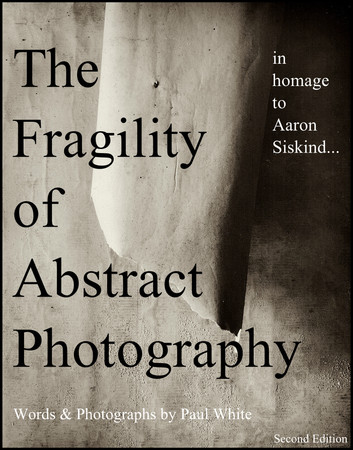
Description
The Fragility of Abstract Photography: A Complete Guide to Mastering the Art
The Fragility of Abstract Photography by Paul White explores the delicate nature of creating compelling abstract images. This comprehensive guide reveals why abstract photography remains one of the most challenging artistic forms. Moreover, it demonstrates how photographers can transform ordinary subjects into extraordinary visual experiences. The book addresses both technical skills and creative vision necessary for success.
Abstract photography requires a unique way of seeing the world around us. Photographers must look beyond literal representations to find hidden patterns and forms. Additionally, they need to understand how light, color, and composition create emotional impact. This second edition provides updated techniques for modern photographers working in digital formats.
Understanding Abstract Photography’s Delicate Nature
Abstract photography differs fundamentally from traditional photographic approaches and methods. Instead of documenting reality, photographers create interpretations that emphasize form over content. Furthermore, they isolate elements like texture, shape, and color from their original context. This process requires both technical skill and artistic sensitivity to execute successfully.
The fragility mentioned in the title refers to several interconnected challenges photographers face. First, abstract images can easily become confusing rather than intriguing to viewers. Second, the line between compelling abstraction and meaningless blur remains incredibly thin. Therefore, photographers must develop a refined sense of visual balance and intention.
Paul White explains how successful abstract photography walks a tightrope between chaos and order. Too much structure makes images feel rigid and predictable to audiences. Conversely, too little structure creates confusion rather than mystery or intrigue. As a result, photographers must carefully calibrate every compositional element they include.
The book emphasizes that abstract photography demands more from viewers than traditional images. Audiences must engage actively with abstract work rather than passively consuming it. Moreover, they bring their own interpretations and emotional responses to each piece. This interactive quality makes abstract photography both powerful and potentially fragile simultaneously.
The Fragility of Abstract Photography: Core Techniques and Approaches
White presents multiple approaches for creating compelling abstract photographs throughout the book. He covers intentional camera movement, which creates blur and motion in deliberate ways. Additionally, he explores close-up photography that reveals unexpected patterns in everyday objects. Each technique requires practice and experimentation to master effectively and consistently.
Macro photography offers rich opportunities for abstract exploration of tiny subjects and details. Photographers can discover entire worlds within flower petals, insect wings, or water droplets. Furthermore, extreme magnification transforms familiar objects into unrecognizable abstract forms and patterns. This approach reveals beauty that exists beyond normal human perception and awareness.
Long exposure techniques allow photographers to capture time’s passage in single images beautifully. Moving water becomes silky and ethereal rather than frozen in sharp detail. Meanwhile, clouds streak across skies creating painterly effects that suggest rather than define. These temporal abstractions add a fourth dimension to two-dimensional photographic compositions.
Multiple exposure techniques layer different images to create complex abstract compositions and effects. Photographers combine various elements to build images that couldn’t exist in reality. Moreover, this approach encourages experimentation and happy accidents during the creative process. Digital technology has made multiple exposures more accessible than ever before today.
Light and Color in Abstract Composition
Light serves as the fundamental building block of all photographic work and expression. In abstract photography, light becomes the subject itself rather than merely illuminating subjects. Therefore, photographers must understand how light creates mood, depth, and visual interest. White dedicates substantial attention to mastering light in all its varied forms.
Color relationships play a crucial role in successful abstract photographic compositions and designs. Complementary colors create tension and energy that draws viewers into the image frame. Conversely, analogous colors produce harmony and calm that soothes rather than stimulates. Additionally, photographers can use color temperature to evoke specific emotional responses from audiences.
White explains how to use color contrast to create focal points within abstract compositions. Bright colors naturally attract attention against muted or neutral backgrounds and surroundings. Furthermore, unexpected color combinations can surprise viewers and challenge their visual expectations completely. This element of surprise keeps abstract photography fresh and engaging for diverse audiences.
The book also addresses black and white abstract photography as a distinct approach. Removing color forces viewers to focus on form, texture, and tonal relationships exclusively. Moreover, monochrome images often feel more timeless and universal than color photographs. Many photographers find that black and white simplifies their compositional decision-making process significantly.
Technical Considerations for Abstract Work
The Fragility of Abstract Photography provides detailed technical guidance for achieving desired effects consistently. White covers camera settings, lens choices, and equipment that enhance abstract photography capabilities. Additionally, he explains how different tools create specific visual effects and outcomes. This practical information helps photographers translate creative vision into actual finished images.
Aperture selection dramatically affects how abstract images render depth and sharpness throughout the frame. Wide apertures create shallow depth of field that isolates subjects from backgrounds beautifully. Conversely, narrow apertures keep everything sharp from foreground to background in compositions. Therefore, photographers must choose aperture based on their specific creative intentions and goals.
Shutter speed controls motion blur and determines whether movement appears frozen or fluid. Fast shutter speeds capture sharp details even in rapidly moving subjects and scenes. Meanwhile, slow shutter speeds create intentional blur that suggests motion and temporal passage. This creative control over time representation distinguishes photography from other visual art forms.
ISO settings affect image quality and the amount of visible grain or noise. Lower ISO values produce cleaner images with smooth tonal transitions and gradations. However, higher ISO settings can add texture that enhances certain abstract compositions intentionally. White explains when to embrace grain as a creative element rather than avoiding it.
Finding Abstract Subjects in Everyday Life
One of the book’s strengths is teaching photographers to see abstractly in ordinary environments. White demonstrates how common objects become extraordinary when viewed from unexpected angles or distances. Furthermore, he encourages photographers to look for patterns, textures, and colors everywhere they go. This mindset shift transforms the entire world into potential photographic subject matter constantly.
Architecture provides endless opportunities for abstract exploration through lines, shapes, and geometric patterns. Buildings contain repeating elements that create rhythm and visual interest when isolated carefully. Additionally, reflections in glass surfaces add layers of complexity to architectural abstract compositions. Urban environments offer particularly rich hunting grounds for abstract photographers seeking inspiration.
Nature presents organic forms and patterns that contrast beautifully with human-made geometric structures. Tree bark, leaves, water, and rock formations all contain abstract potential waiting for discovery. Moreover, natural subjects change constantly with seasons, weather, and lighting conditions throughout days. This variability ensures that photographers never exhaust the possibilities nature provides for exploration.
Industrial settings offer gritty textures and bold colors that create powerful abstract images. Rust, peeling paint, and weathered surfaces tell stories through their visual deterioration and decay. Furthermore, machinery and equipment contain interesting shapes and patterns when photographed in isolation. These subjects often get overlooked but provide compelling material for abstract interpretation.
Composition Strategies for Abstract Photography
Strong composition remains essential even when creating non-representational images for any audience or purpose. White explains how traditional compositional rules apply differently in abstract photography contexts and situations. Additionally, he discusses when breaking rules creates more interesting and dynamic results. This balanced approach helps photographers develop their own compositional voice and style.
The rule of thirds still provides a useful framework for placing key elements. However, abstract photography often benefits from more centered or unconventional compositions instead. Therefore, photographers should understand rules before deciding whether to follow or break them. Experimentation reveals which approaches work best for individual creative visions and intentions.
Leading lines guide viewers’ eyes through abstract compositions just as in traditional photography. These lines can be explicit or implied through color, tone, or texture. Moreover, diagonal lines create more dynamic energy than horizontal or vertical orientations. White demonstrates how to use lines to create movement and flow within frames.
Negative space plays a particularly important role in abstract photographic compositions and designs. Empty areas provide visual rest and allow key elements to breathe within frames. Furthermore, negative space can become a subject itself rather than merely background. This approach creates minimalist abstractions that emphasize simplicity and essential forms over complexity.
Post-Processing Techniques for Abstract Images
The second edition includes expanded coverage of digital post-processing techniques and contemporary workflows. White acknowledges that post-processing has become integral to modern photographic practice and creation. Moreover, he demonstrates how editing software unlocks creative possibilities impossible with cameras alone. This section helps photographers develop consistent editing workflows that enhance their unique visions.
Color grading transforms the mood and emotional impact of abstract photographs dramatically and effectively. Photographers can shift color palettes to create specific feelings or emphasize particular elements. Additionally, selective color adjustments draw attention to important areas within complex compositions naturally. These techniques require subtlety to avoid creating garish or artificial-looking results that distract.
Contrast and clarity adjustments enhance textures and details in abstract photographic work significantly. Increasing local contrast makes surfaces appear more three-dimensional and tactile to viewers. However, excessive adjustments can create unnatural halos and artifacts that diminish image quality. Therefore, photographers must apply these tools judiciously and with restraint always.
Cropping allows photographers to refine compositions and eliminate distracting elements after initial capture. Sometimes the strongest abstract image exists within a larger frame waiting for discovery. Furthermore, different aspect ratios create different feelings and suit various compositional approaches better. White encourages experimentation with cropping to find each image’s ideal final form.
Key Elements of Successful Abstract Photography
The book identifies essential components that distinguish compelling abstract work from unsuccessful attempts:
- Strong visual impact: Images must grab attention immediately and hold viewer interest
- Clear intent: Even abstract work should communicate a feeling or idea effectively
- Technical excellence: Sharp focus, proper exposure, and clean execution matter tremendously
- Unique perspective: Fresh viewpoints separate memorable images from forgettable ones completely
- Emotional resonance: The best abstracts evoke feelings beyond mere visual interest alone
- Compositional balance: Elements should relate harmoniously even in chaotic-seeming arrangements
- Appropriate processing: Editing should enhance rather than overwhelm the original photographic vision
Developing Your Abstract Photography Vision
White emphasizes that developing a personal style requires time, practice, and patient experimentation. Photographers should study work they admire while avoiding direct imitation of others. Additionally, they need to shoot regularly and review their work critically. This iterative process gradually reveals individual preferences and strengths over extended periods.
Creating a cohesive body of abstract work requires consistency in approach and execution. Photographers might focus on specific subjects, techniques, or color palettes that define their style. Moreover, this consistency helps audiences recognize and remember their work among countless images. However, consistency shouldn’t prevent growth and evolution as artists develop over time.
White encourages photographers to embrace failure as an essential part of creative development. Not every experiment will succeed, and that’s perfectly acceptable and even necessary. Furthermore, failed attempts often teach more valuable lessons than immediate successes do. Therefore, photographers should maintain curiosity and willingness to take creative risks regularly.
The book suggests keeping a visual journal to track ideas, experiments, and inspirations. This practice helps photographers identify patterns in their work and interests over time. Additionally, journals provide reference material when creative inspiration feels elusive or blocked. Regular reflection accelerates artistic growth and self-awareness significantly for dedicated practitioners.
The Fragility of Abstract Photography: Overcoming Common Challenges
Many photographers struggle with knowing when an abstract image succeeds or fails objectively. White provides frameworks for evaluating abstract work beyond personal preference and subjective taste. He suggests considering whether images communicate intended feelings or ideas to viewers effectively. Additionally, he recommends seeking feedback from trusted peers who understand abstract photography’s unique demands.
Another common challenge involves balancing experimentation with developing a recognizable personal style consistently. Too much variety prevents audiences from connecting with a photographer’s overall vision clearly. Conversely, too much repetition leads to stagnation and boredom for both creator and viewer. Therefore, photographers must find their own balance between consistency and innovation continually.
Technical difficulties can undermine even the strongest creative concepts in abstract photography work. Photographers must master their equipment to execute their visions reliably and consistently. Moreover, they need to understand how different settings affect final results in various situations. White provides troubleshooting guidance for common technical problems that plague abstract photographers regularly.
The subjective nature of abstract photography makes it vulnerable to dismissive criticism from viewers. Some people simply don’t connect with non-representational imagery regardless of its quality or intent. However, photographers shouldn’t let this discourage them from pursuing abstract work they find meaningful. Finding an appreciative audience takes time but rewards persistence and authentic creative expression ultimately.
Updates in the Second Edition
This revised edition includes significant new content reflecting changes in photographic technology and practice. White has added chapters covering smartphone abstract photography and mobile editing applications extensively. Additionally, he discusses social media’s impact on how photographers share and discover abstract work. These updates make the book relevant for contemporary photographers working in today’s environment.
The second edition expands coverage of intentional camera movement techniques that have gained popularity. White provides detailed instructions for creating various ICM effects with different subjects and situations. Furthermore, he includes troubleshooting tips for common problems photographers encounter when learning these techniques. This expanded section reflects growing interest in this particular abstract photography approach currently.
New case studies showcase diverse photographers working in abstract styles across various genres. These examples demonstrate how abstract thinking applies to landscape, portrait, and documentary photography. Moreover, they illustrate how photographers develop unique voices within the abstract photography community. Real-world examples help readers understand how to apply concepts to their own work.
The book now includes more exercises and assignments designed to build specific skills progressively. These practical activities encourage readers to experiment with techniques immediately rather than just reading. Additionally, White provides evaluation criteria so photographers can assess their own progress objectively. This hands-on approach accelerates learning and skill development for motivated readers significantly.
Building an Abstract Photography Portfolio
White dedicates a chapter to curating and presenting abstract photographic work professionally and effectively. He explains how to select images that work together as a cohesive series. Additionally, he discusses sequencing photographs to create narrative flow even in abstract collections. These presentation skills help photographers share their work more effectively with various audiences.
The book covers both physical and digital portfolio formats for different presentation contexts. Print portfolios require different considerations than online galleries or social media feeds do. Moreover, each platform has unique strengths and limitations that affect how work appears. Understanding these differences helps photographers choose appropriate presentation methods for specific goals and audiences.
White emphasizes the importance of editing ruthlessly when building portfolios of any kind. Including too many similar images dilutes impact and bores viewers quickly and predictably. Therefore, photographers should select only their strongest, most distinctive work for public presentation. Quality always matters more than quantity when showcasing creative photographic work to audiences.
The book also addresses how to write about abstract photography in artist statements. Explaining non-representational work without being overly pretentious challenges many photographers significantly. However, clear communication helps audiences engage more deeply with abstract images and concepts. White provides examples and templates that photographers can adapt to their own work.
Marketing and Sharing Abstract Photography
The second edition includes practical advice for photographers wanting to share their work widely. White discusses various platforms and venues appropriate for abstract photography specifically and particularly. Additionally, he explains how to build an audience interested in non-representational photographic work. This business-oriented content helps photographers turn their passion into sustainable creative practices.
Social media offers unprecedented opportunities for photographers to reach global audiences instantly and freely. However, algorithms favor certain types of content over others in complex ways. Therefore, photographers must understand platform-specific best practices to maximize their work’s visibility effectively. White provides current strategies while acknowledging that social media landscapes change constantly and unpredictably.
Entering competitions and exhibitions helps photographers gain exposure and credibility within the community. Abstract photography has dedicated contests and galleries that appreciate non-representational work specifically. Moreover, recognition from respected organizations can open doors to new opportunities and connections. White lists resources for finding appropriate competitions and submission opportunities regularly and consistently.
The book also covers licensing abstract photography for commercial use in various contexts. Abstract images work well for backgrounds, textures, and decorative purposes in many applications. Furthermore, businesses often prefer abstract photography because it doesn’t become dated quickly like representational images. This commercial potential provides income opportunities for photographers building their abstract photography practices.
Inspiration and Continued Growth
White concludes by encouraging photographers to seek inspiration from diverse sources beyond photography. Painting, music, dance, and other art forms all offer insights applicable to abstract photography. Additionally, studying how other artists solve creative problems enriches photographic practice significantly. This interdisciplinary approach prevents creative stagnation and opens new possibilities for visual expression.
The book recommends joining photography communities focused specifically on abstract work and experimentation. Connecting with like-minded photographers provides support, feedback, and motivation during creative journeys. Moreover, these communities often organize challenges and projects that push members beyond their comfort zones. Collaboration and community accelerate individual growth in meaningful and lasting ways always.
White emphasizes that abstract photography rewards patience, persistence, and continuous learning throughout careers. Mastery develops gradually through consistent practice rather than sudden breakthroughs or revelations. Furthermore, the journey itself provides as much satisfaction as any final destination or achievement. Therefore, photographers should embrace the process and enjoy experimentation without fixating on outcomes exclusively.
The book ends with encouragement to trust personal vision even when it differs from trends. Authentic creative expression resonates more deeply than work created to please others or follow fashions. Additionally, photography needs diverse voices and perspectives to remain vital and interesting for everyone. Your unique way of seeing the world deserves expression through abstract photography practice.
Why This Book Matters for Photographers
The Fragility of Abstract Photography fills an important gap in photographic education and literature. While many books cover technical skills, few address the unique challenges of abstract work. Moreover, White combines practical instruction with philosophical insights about creative vision and expression. This balanced approach makes the book valuable for photographers at all skill levels.
The second edition’s updates ensure the content remains relevant in rapidly changing technological landscapes. Digital tools continue evolving, and photographers need current guidance to leverage new capabilities. Furthermore, the book acknowledges how social media has transformed how photographers share and discover work. These contemporary considerations make this edition essential for modern abstract photographers everywhere.
White’s accessible writing style makes complex concepts understandable without oversimplifying important ideas or techniques. He avoids jargon while maintaining depth and substance throughout the entire book. Additionally, numerous examples and illustrations clarify abstract concepts that might otherwise confuse readers. This clarity helps photographers apply lessons immediately to their own creative practice effectively.
The book ultimately empowers photographers to see the world differently and express that vision. Abstract photography offers freedom from literal representation and documentary constraints that limit other approaches. Moreover, it encourages personal interpretation and emotional expression through visual means uniquely. This creative liberation makes abstract photography deeply rewarding for those willing to embrace its challenges.
Conclusion: Embracing the Fragile Beauty of Abstraction
Abstract photography remains one of the most challenging yet rewarding photographic pursuits available today. It requires technical skill, creative vision, and willingness to experiment without guaranteed success. However, the rewards include unique personal expression and the joy of discovering beauty everywhere. Paul White’s comprehensive guide provides the tools and inspiration needed to begin this journey.
The fragility White describes isn’t a weakness but rather the medium’s essential character. Abstract photography exists in the delicate space between recognition and mystery for viewers. Moreover, it challenges both creators and audiences to engage more deeply with images. This interactive quality makes abstract photography particularly powerful and memorable when executed successfully.
Whether you’re beginning your abstract photography journey or seeking to refine existing skills, this book offers valuable guidance. The second edition’s updates ensure contemporary relevance while maintaining timeless creative principles. Furthermore, White’s encouraging tone makes readers feel capable of creating compelling abstract work. This combination of practical instruction and inspiration makes the book an essential resource.
Pick up The Fragility of Abstract Photography and discover how to transform ordinary subjects into extraordinary images. Learn to see the world through fresh eyes and express your unique vision. Moreover, join the community of photographers exploring abstraction’s endless creative possibilities daily. Your abstract photography journey begins with understanding the beautiful fragility White so expertly illuminates.





Reviews
There are no reviews yet.