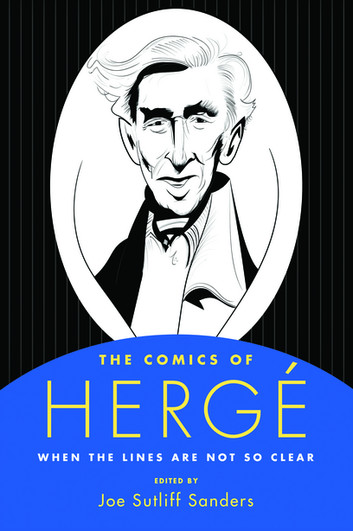
Description
Analyzing a Masterpiece
Joe Sutliff Sanders brings together several scholars to examine Hergé’s work. This collection explores the creator of the world-famous The Adventures of Tintin. Hergé remains one of the most influential figures in comic history. However, his legacy is complex and controversial. Consequently, the book invites readers to look beyond the surface of the art. It provides a deep dive into Belgian culture and history.
The Ligne Claire Style
The authors focus heavily on Hergé’s signature “ligne claire” style. This technique uses strong outlines and realistic backgrounds. It creates a sense of clarity and order in every panel. Moreover, this visual precision influenced generations of artists worldwide. Yet, the book suggests that this clarity hides many moral ambiguities. Thus, the title highlights the tension between simple art and complex themes.
Politics and Controversy
Several essays address the political context of Hergé’s early career. The book does not shy away from his controversial wartime activities. It examines how his work changed before and after World War II. Furthermore, the scholars analyze the representation of race and colonialism in the early albums. They provide a critical look at his cultural biases. Therefore, the volume serves as a balanced academic study of his evolution.
Key Themes Explored
The collection highlights several critical areas of Hergé’s artistic life:
Visual Storytelling: The transition from loose sketches to the refined, clear line.
Collaboration: The role of the Studios Hergé in producing the later volumes.
Colonialism: Examining the problematic depictions in Tintin in the Congo.
Modernity: How the series reflected the changing technology of the 20th century.
A Lasting Influence
Ultimately, this work honors Hergé’s genius while acknowledging his flaws. It places his comics within the broader field of art history. Additionally, the text serves as an essential resource for fans and academics alike. The contributors show that comics deserve serious intellectual study. In conclusion, the book reveals why Tintin continues to fascinate readers today. It proves that great art is rarely simple.




Reviews
There are no reviews yet.