Description
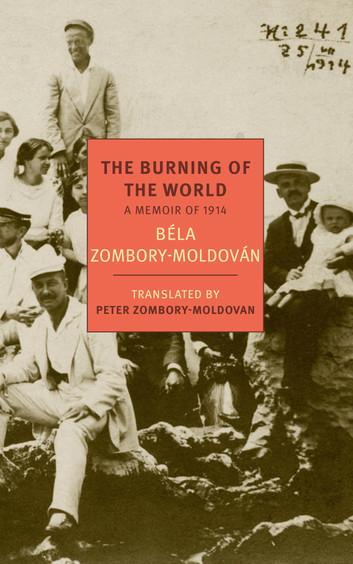
The Burning of the World: A Memoir of 1914 – An Eyewitness Account of War’s Beginning
Introduction to The Burning of the World Memoir
“The Burning of the World: A Memoir of 1914” by Bela Zombory-Moldovan offers a rare firsthand account of the opening months of World War I. This powerful memoir captures the chaos and transformation that engulfed Europe in 1914. Furthermore, Zombory-Moldovan writes as a Hungarian nobleman thrust into the Austro-Hungarian military campaign.
His vivid observations reveal how war shattered the old world and ignited unprecedented destruction. Additionally, this memoir provides a crucial perspective on Austria-Hungary’s experience during the beginning of the Great War.
The Burning of the World stands as essential reading for understanding WWI’s human dimension. Moreover, Zombory-Moldovan’s eloquent prose transforms historical events into deeply personal and emotional testimony. Consequently, readers witness 1914’s upheaval through the eyes of someone who lived it.
Bela Zombory-Moldovan: Nobleman Turned Soldier
Bela Zombory-Moldovan belonged to Hungary’s educated aristocratic class before the war erupted in 1914. His privileged background provided him with literary skills and cultural sophistication rare among soldiers. Furthermore, this education enabled him to articulate the war’s impact with remarkable clarity and insight. When Austria-Hungary mobilized, Zombory-Moldovan enlisted, like countless other young men.
However, his noble status did not shield him from the brutal realities and horrors of war. Additionally, he witnessed the collapse of the Belle Époque world he had known. The memoir chronicles his transformation from cultured gentleman to hardened combat veteran. Therefore, his account authentically bridges the gap between civilian life and military experience.
The Burning of the World: 1914’s Chaos and Destruction
The memoir focuses intensely on 1914, the year that changed everything for Europe. Zombory-Moldovan describes Austria-Hungary’s entrance into war following Archduke Franz Ferdinand’s assassination in Sarajevo. Furthermore, he captures the initial enthusiasm and patriotic fervor that swept through the empire. Yet he also documents how quickly optimism gave way to horror and disillusionment.
The Burning of the World depicts battles, marches, and the grinding reality of military life. Additionally, Zombory-Moldovan records the suffering of soldiers and civilians caught in the path of war. His observations include vivid details about weaponry, tactics, and the physical toll of combat. Moreover, he reflects on how war transformed social structures and personal relationships forever.
The memoir’s title perfectly captures the apocalyptic destruction that consumed Europe in 1914. Consequently, readers understand why contemporaries felt their entire world was literally burning down.
Austria-Hungary’s Unique Perspective on WWI
Most English-language WWI accounts focus on Western Front experiences from British, French, or German viewpoints. However, The Burning of the World memoir offers the Austro-Hungarian perspective often missing from histories. Furthermore, Zombory-Moldovan illuminates the complex political and military challenges faced by the multi-ethnic empire during wartime.
Austria-Hungary faced enemies on multiple fronts while managing internal ethnic tensions and divisions. Additionally, the empire’s outdated military struggled against more modern Russian and Serbian forces. Zombory-Moldovan witnesses these strategic failures and their devastating human costs firsthand throughout 1914.
His account reveals how the war accelerated Austria-Hungary’s eventual collapse and disintegration. Therefore, this memoir provides invaluable context for comprehensively understanding the empire’s wartime experience.
Key Themes Explored in The Burning of the World
Zombory-Moldovan’s 1914 memoir addresses several interconnected themes that illuminate the Great War’s impact:
- The sudden transformation from peace to total war in 1914
- How aristocratic privilege collapsed under war’s brutal equalizing force
- The psychological trauma and moral challenges soldiers faced in combat
- The destruction of Belle Époque European civilization and cultural optimism
- Austria-Hungary’s multi-ethnic empire was struggling to maintain unity during a crisis.
- The gap between patriotic propaganda and war’s horrific ground-level reality
- Personal loss, grief, and the search for meaning amid senseless violence
- The role of memory and testimony in preserving historical truth
Historical Significance and Literary Merit
The Burning of the World: A Memoir of 1914 offers tremendous value to historians and general readers alike. Zombory-Moldovan’s literary skill elevates his account beyond typical military memoirs into profound literature. Furthermore, his education and sensitivity allow him to analyze events with remarkable depth. The memoir captures not just what happened, but how it felt to live through 1914.
Additionally, this work fills crucial gaps in English-language WWI literature about Eastern Front experiences. Zombory-Moldovan’s Hungarian perspective offers insights unavailable in Western European accounts of the war. Moreover, his honest portrayal of war’s horror counters romanticized or sanitized versions of combat.
The memoir reminds contemporary readers that WWI’s catastrophe began with real people and choices. Therefore, it serves as both a historical document and a timeless meditation on the costs of war.
Conclusion
“The Burning of the World: A Memoir of 1914” preserves one man’s extraordinary testimony about history’s pivotal moment. Bela Zombory-Moldovan transforms personal experience into a universal truth about war, loss, and survival. Furthermore, his memoir ensures that 1914’s voices continue speaking to future generations.
This powerful account stands as essential reading for anyone seeking to understand the human reality of WWI. Consequently, The Burning of the World illuminates how one year changed everything forever.


Reviews
There are no reviews yet.