Description
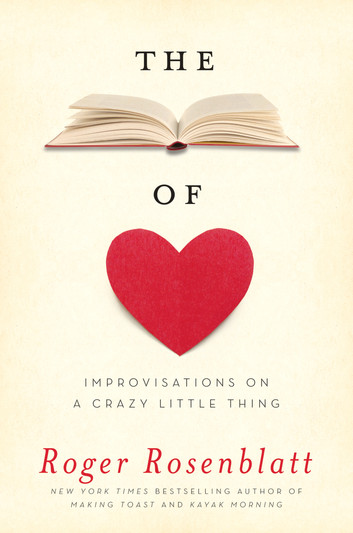
The Book of Love by Roger Rosenblatt: A Complete Synopsis
Introduction: Understanding The Book of Love
The Book of Love by Roger Rosenblatt is a profound meditation on humanity’s most powerful emotion. Moreover, it explores love through essays, stories, and personal reflections. Rosenblatt examines love in all its forms and complexities. Therefore, readers discover fresh perspectives on this timeless subject.
This work is part memoir and part philosophical inquiry. Furthermore, it combines humor with deep emotional insight. Rosenblatt writes with warmth and intellectual curiosity throughout. Additionally, he draws from literature, history, and personal experience.
The book doesn’t offer simple answers or formulas. Instead, it embraces love’s contradictions and mysteries. However, Rosenblatt provides wisdom gained from decades of observation. Consequently, readers find both comfort and challenge in these pages.
Roger Rosenblatt’s Approach to Love
Rosenblatt brings unique credentials to this exploration of love. He’s an acclaimed essayist and former journalist. Moreover, he’s taught literature at Harvard and other universities. His background enriches every page of this work.
The author deliberately uses an improvisational style. Furthermore, he allows thoughts to flow naturally and organically. This approach mirrors how we actually experience love. Therefore, the book feels authentic and deeply human.
Rosenblatt doesn’t claim to be an expert on love. Instead, he positions himself as a curious observer. However, his observations are sharp and often profound. Additionally, he admits his own confusion and uncertainty.
His writing beautifully balances intellect and emotion. Moreover, he can be funny and serious at the same time. This tonal range makes the book engaging throughout. Consequently, readers never feel lectured or bored.
The Book of Love: Structure and Style
The book is organized as a series of improvisations. Each chapter explores a different aspect of love. Moreover, the chapters can be read independently or together. This structure gives readers flexibility and freedom.
Rosenblatt’s prose is elegant yet accessible. Furthermore, he avoids academic jargon and pretension. His sentences are clear and often poetic. Additionally, he uses concrete examples to illustrate abstract ideas.
The improvisational format allows for creative freedom. However, the book maintains coherence through recurring themes. Rosenblatt repeatedly circles back to key ideas. Therefore, patterns and connections emerge naturally over time.
Short chapters make the book easy to digest. Moreover, readers can pause and reflect between sections. This pacing significantly enhances the reading experience. Consequently, the book invites contemplation rather than rushing.
Love in Literature and Art
Rosenblatt draws extensively from literary and artistic sources. He references Shakespeare, Tolstoy, and countless other writers. Moreover, he examines how artists have portrayed love. These references enrich his own observations considerably.
Literature provides a mirror for human experience. Furthermore, great writers have explored love for centuries. Rosenblatt shows what we can learn from them. Additionally, he connects classic works to contemporary life.
He discusses love songs, poems, and paintings throughout. Moreover, he analyzes why certain works endure across time. Art captures truths that philosophy sometimes misses. Therefore, Rosenblatt treats artists as essential teachers.
The author doesn’t just quote famous works superficially. Instead, he engages with them deeply and critically. However, he makes these discussions accessible to general readers. Consequently, you don’t need literary expertise to follow along.
Romantic Love in The Book of Love
Romantic love receives significant attention in Rosenblatt’s exploration. He examines attraction, passion, and long-term commitment. Moreover, he considers what makes romantic relationships succeed or fail. His insights are both practical and philosophical.
Rosenblatt acknowledges that romantic love is often irrational. Furthermore, it regularly defies logic and common sense. Yet, this irrationality is part of its power. Therefore, we shouldn’t try to make love purely reasonable.
He explores the difference between infatuation and lasting love. Moreover, he considers how passion evolves. Initial excitement inevitably changes into something different. However, this transformation isn’t necessarily a loss.
The author shares observations from his own marriage. Additionally, he reflects on relationships he’s witnessed throughout life. These personal touches make abstract concepts concrete. Consequently, readers recognize their own experiences in his words.
Parental Love and Family Bonds
The book examines parental love with particular tenderness. Rosenblatt is a father and grandfather himself. Moreover, he writes movingly about his love for children and grandchildren. This section resonates deeply with parent readers.
Parental love differs fundamentally from romantic love. Furthermore, it’s often described as unconditional and selfless. Rosenblatt explores whether this characterization is accurate. Additionally, he considers the complexities parents rarely discuss.
He writes about the vulnerability that comes with parenthood. Moreover, loving children means accepting potential heartbreak. Parents give hostages to fortune, as the saying goes. Therefore, parental love requires tremendous courage and faith.
The author also reflects on being loved by parents. Furthermore, he considers how parental love shapes us permanently. Our first experiences of love create lasting templates. Consequently, understanding this helps us understand ourselves better.
Friendship and Platonic Love
Rosenblatt doesn’t limit his discussion to romantic relationships. He also explores the love between friends deeply. Moreover, he argues that friendship deserves more recognition. Society often undervalues these crucial bonds unfairly.
Friendship provides unique forms of intimacy and support. Furthermore, friends choose each other without biological obligation. This voluntary nature makes friendship particularly meaningful. Therefore, close friendships are precious and worth cultivating.
The author examines what makes friendships last over time. Moreover, he considers why some friendships fade away. Distance, life changes, and neglect all take their toll. However, true friendships can survive long separations remarkably.
He shares stories of his own friendships throughout life. Additionally, he reflects on friends he’s lost to death. These reflections are poignant without being maudlin. Consequently, readers appreciate both the joy and sorrow.
Self-Love and Self-Acceptance
The book addresses the often-misunderstood concept of self-love. Rosenblatt distinguishes between healthy self-regard and narcissism. Moreover, he argues that loving yourself is essential. You cannot truly love others without first accepting yourself.
Self-love doesn’t mean arrogance or selfishness. Furthermore, it means accepting your flaws and limitations. It requires honesty about who you actually are. Therefore, genuine self-love is actually quite humble.
The author explores why self-love is so difficult. Moreover, he examines the internal critics we all carry. These voices often speak harshly and without mercy. However, we can gradually learn to quiet them.
Rosenblatt connects self-love to compassion for others. Additionally, he shows how they reinforce each other. Accepting your own humanity helps you accept others’. Consequently, self-love becomes a foundation for all love.
Key Themes in The Book of Love
Several major themes run throughout Rosenblatt’s exploration. Moreover, these ideas interconnect and build on one another. The author repeatedly returns to them from different angles.
Central themes include:
- Love’s essential irrationality and mystery
- The connection between love and vulnerability
- How love changes and evolves over time
- The relationship between love and loss
- Love is both universal and deeply personal
- The courage required to love fully
- How love gives life meaning and purpose
- The many forms love takes beyond romance.
Each theme receives thoughtful, nuanced treatment throughout. Furthermore, Rosenblatt avoids simplistic conclusions or easy answers. He embraces complexity and contradiction honestly. Therefore, readers encounter authentic wisdom rather than platitudes.
These themes resonate across different types of love. Additionally, they apply to various life stages and situations. The universality makes the book widely relevant. Consequently, diverse readers find something meaningful in these pages.
Love and Loss
Rosenblatt addresses the painful connection between love and loss. Loving someone inevitably means risking eventual heartbreak. Moreover, the deeper the love, the greater the potential pain. Yet, we love anyway despite this knowledge.
The author reflects on losses he’s experienced personally. Furthermore, he writes about grief with honesty and grace. Loss is love’s shadow companion, always present. However, this doesn’t diminish love’s value or importance.
He argues that love is worth the risk of loss. Moreover, the alternative—not loving—is far worse than grief. A life without love is empty and meaningless. Therefore, we must accept vulnerability as the price of love.
Rosenblatt also explores how love continues after death. Additionally, he considers whether love transcends physical existence. These reflections offer comfort without false promises. Consequently, readers find solace in his thoughtful approach.
The Universality of Love
The book emphasizes that love is fundamentally universal. Every culture and society recognizes and values love. Moreover, love consistently appears throughout human history. This universality suggests something essential about human nature.
Despite cultural differences, love’s core remains recognizable everywhere. Furthermore, people across the world understand its power. Love songs, stories, and poems translate across boundaries. Therefore, love connects us to all humanity.
Rosenblatt examines why love is so universal. Moreover, he considers its evolutionary and psychological purposes. Love binds communities and ensures the survival of offspring. However, it transcends mere biological function significantly.
The author also notes the infinite variety of love. Additionally, each person experiences love uniquely. Universal patterns coexist beautifully with personal particularity. Consequently, love is both shared and deeply intimate.
Love’s Contradictions and Paradoxes
Rosenblatt embraces love’s many contradictions throughout the book. Love makes us strong yet vulnerable at the same time. Moreover, it’s both selfish and selfless at once. These paradoxes confuse but also fascinate us endlessly.
Love can be rational and irrational in the same moment. Furthermore, it brings both joy and suffering together. We want to possess and also liberate those we love. Therefore, love constantly pulls us in opposite directions.
The author doesn’t try to resolve these contradictions. Instead, he suggests they’re essential to love’s nature. However, understanding them helps us navigate love better. Additionally, accepting paradox brings peace and wisdom.
These contradictions appear in all forms of love. Moreover, they challenge our desire for simple explanations. Love resists being reduced to formulas or rules. Consequently, we must always approach it with humility.
Love and Meaning
Rosenblatt argues that love gives life its deepest meaning. Without love, existence feels empty and purposeless. Moreover, love motivates our greatest achievements and sacrifices. It’s the force that makes life worth living.
The author explores how love creates meaning philosophically. Furthermore, he considers love’s relationship to other values. Love naturally connects to beauty, truth, and goodness. Therefore, it sits at the center of human concerns.
He examines what happens when people lack love. Moreover, he considers the despair that absence creates. Humans need love as much as they need food and water. However, love nourishes the soul rather than the body.
Rosenblatt suggests that loving is our primary purpose. Additionally, he argues that how we love defines us. Our capacity for love ultimately measures our humanity. Consequently, cultivating love becomes life’s most important work.
Humor and Love
The book balances serious reflection with genuine humor. Rosenblatt recognizes that love is often absurd and funny. Moreover, he doesn’t take himself too seriously throughout. This lightness makes the book more enjoyable and accessible.
Love makes people do ridiculous things regularly. Furthermore, romantic gestures can be both touching and comical. The author frequently shares amusing anecdotes and observations. Therefore, readers laugh while also learning and reflecting.
Humor doesn’t diminish love’s importance in Rosenblatt’s view. Instead, it reveals love’s full humanity and complexity. However, he never mocks or trivializes genuine feelings. Additionally, his humor comes from affection rather than cynicism.
The ability to laugh about love shows wisdom. Moreover, it demonstrates acceptance of human imperfection. Taking love seriously doesn’t mean always being solemn. Consequently, humor and depth coexist beautifully in this work.
Love Across the Lifespan
Rosenblatt examines how love changes throughout our lives. Young love differs from mature love in many ways. Moreover, older adults experience love differently from younger adults do. Each life stage brings unique perspectives and challenges.
Young love is often intense and all-consuming. Furthermore, it’s characterized by passion and idealization. Young people believe that love conquers all obstacles. However, experience teaches that love requires more than feeling.
Mature love develops depth and steadiness over time. Moreover, it’s based on genuine knowledge of another person. Long-term partners see each other’s flaws clearly. Yet, they choose to love anyway despite imperfections.
The author reflects particularly on love in old age. Additionally, he considers how mortality affects loving relationships. Older people know time is limited and precious. Therefore, they often love with greater appreciation and urgency.
Why Read The Book of Love?
This book offers valuable insights for every reader. Moreover, it speaks to anyone who has ever loved. Rosenblatt’s wisdom comes from deep reflection and experience. Therefore, his observations ring true and resonate deeply.
The writing is beautiful and deeply moving throughout. Furthermore, Rosenblatt’s prose is both elegant and accessible. You’ll find yourself highlighting passages and rereading sections. Additionally, the book rewards multiple readings over time.
It provides comfort and validation for common experiences. Moreover, it helps readers better understand their own feelings. Love can be confusing and overwhelming for everyone. However, Rosenblatt’s reflections bring clarity and perspective.
The book is ultimately hopeful and life-affirming. Furthermore, it celebrates love despite acknowledging its difficulties. Rosenblatt believes in love’s power and importance. Consequently, readers finish feeling uplifted and inspired.
Critical Reception and Impact
The Book of Love received widespread critical acclaim. Reviewers praised Rosenblatt’s wisdom and beautiful prose. Moreover, they appreciated his honest, thoughtful approach. The book resonated with both critics and general readers.
Readers particularly connect with the book’s authenticity. Furthermore, they appreciate that Rosenblatt doesn’t pretend certainty. His willingness to admit confusion feels refreshing. Additionally, his personal stories create a genuine connection.
The book has become a favorite gift for weddings and anniversaries. Moreover, it’s frequently recommended by therapists and counselors. Many readers return to it during difficult times. Therefore, it serves as both celebration and comfort.
Some readers initially expect a more systematic treatment. However, most come to appreciate the improvisational approach. The structure ultimately enhances the book’s meaning and impact. Consequently, form and content work together beautifully.
Practical Wisdom from The Book of Love
While philosophical, the book also offers practical wisdom. Moreover, Rosenblatt’s insights can improve how we love. He doesn’t provide step-by-step instructions or formulas. However, his reflections guide us toward a better kind of loving.
The book teaches that love requires ongoing effort. Furthermore, it reminds us that love isn’t just a feeling. Love is also action, choice, and commitment. Therefore, we must actively practice loving every day.
Rosenblatt emphasizes the importance of attention and presence. Moreover, he shows how small gestures matter enormously. Truly seeing and hearing loved ones is essential. Additionally, consistent kindness builds strong bonds over time.
The author encourages accepting love’s imperfections gracefully. Furthermore, he reminds us that all relationships have difficulties. Expecting perfection inevitably leads to disappointment and frustration. However, accepting reality allows genuine connection and growth.
Conclusion: The Enduring Power of Love
The Book of Love is a remarkable achievement in nonfiction. Roger Rosenblatt has created something truly special and lasting. Moreover, he’s written about love with wisdom and grace. The result is both intellectually satisfying and emotionally moving.
His improvisational approach captures love’s true nature perfectly. Furthermore, it allows for honesty and spontaneity throughout. Rosenblatt doesn’t pretend to have all the answers. Therefore, his humility makes his insights more credible.
The book reminds us that love is life’s greatest gift. Moreover, it shows how love gives existence meaning and purpose. Despite all difficulties, love remains worth pursuing always. Consequently, we should cherish and cultivate it carefully.
This work deserves a wide and appreciative audience. Furthermore, it offers something valuable to every reader. Whether you’re young or old, single or partnered, this book speaks to you. Therefore, The Book of Love comes highly recommended for anyone seeking wisdom about humanity’s most important emotion.




Reviews
There are no reviews yet.