

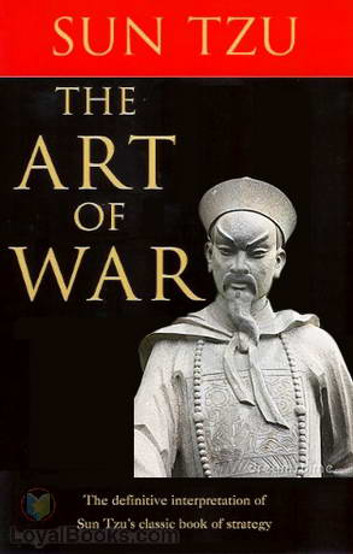
Description
The Art of War: Ancient Strategy Principles That Transform Modern Leadership and Competition
“The Art of War” by Sun Tzu stands as the definitive ancient text on military strategy and tactical warfare. Written over 2,500 years ago in China, this masterpiece continues to influence leaders worldwide. Moreover, its strategy principles apply far beyond the battlefield. Therefore, business executives, athletes, and negotiators study Sun Tzu’s timeless wisdom. Because strategy forms the foundation of success, this book remains remarkably relevant today.
Understanding Sun Tzu’s Strategic Philosophy
Sun Tzu was a Chinese military general, strategist, and philosopher during the Eastern Zhou period. Furthermore, he served the King of Wu with distinction and wisdom. His experiences in warfare led him to develop comprehensive strategic principles. Additionally, he emphasized intelligence over brute force in all conflicts. Because he valued preparation and planning, his approach revolutionized military thinking.
The text consists of thirteen chapters, each focusing on different aspects of warfare and strategy. Moreover, these chapters build upon each other to create a complete strategic framework. Sun Tzu believed that winning without fighting represented the highest form of strategy. Therefore, he taught leaders to outthink rather than simply outfight their opponents. Consequently, his philosophy emphasizes wisdom, deception, and careful planning above all else.
Core Strategic Principles in The Art of War
Sun Tzu’s strategy teachings cover numerous essential concepts that remain powerful today. Furthermore, each principle offers practical guidance for competitive situations. Because these ideas transcend their military origins, they apply to business, sports, and personal development. Therefore, readers discover universal truths about competition and human nature.
Key strategic principles include:
- Know yourself and know your enemy: Understanding both sides ensures victory in any conflict
- All warfare is based on deception: Strategic misdirection creates advantages over opponents
- Supreme excellence is breaking enemy resistance without fighting: The best strategy avoids direct confrontation
- Opportunities multiply as they are seized: Success builds momentum for further victories
- Speed is the essence of war: Quick action prevents enemy preparation and response
- Attack where unprepared, appear where unexpected: Surprise gives strategic advantage
- In the midst of chaos, there is also opportunity: Disorder creates openings for strategic gains
These principles form the backbone of Sun Tzu’s strategic philosophy. Moreover, they demonstrate his emphasis on intelligence and adaptability. Because he valued flexibility, Sun Tzu taught leaders to adjust tactics based on circumstances. Therefore, rigid planning gives way to responsive, dynamic strategy.
The Thirteen Chapters of Strategic Wisdom
Each chapter in “The Art of War” addresses specific aspects of strategy and tactical execution. Furthermore, Sun Tzu organized his teachings to build comprehensive understanding progressively. The chapters flow logically from planning through execution to adaptation. Additionally, each section contains profound insights applicable to modern challenges.
The first chapter, “Laying Plans,” establishes the foundation for all strategic thinking. Moreover, it emphasizes careful preparation before any competitive engagement. Sun Tzu identifies five fundamental factors: moral law, heaven, earth, commander, and method. Because these elements determine outcomes, leaders must evaluate them thoroughly. Therefore, success begins with honest assessment and realistic planning.
Subsequent chapters explore terrain, attack strategies, tactical dispositions, and energy management. Furthermore, Sun Tzu discusses the use of spies, fire attacks, and maneuvering armies. Each topic receives detailed treatment with practical applications. Additionally, he provides specific guidance for different competitive scenarios. Consequently, readers gain actionable wisdom rather than abstract theory.
Modern Applications Beyond Military Strategy
While originally written for military commanders, “The Art of War” now influences diverse fields worldwide. Moreover, business leaders apply Sun Tzu’s strategy principles to competitive markets and corporate warfare. Because competition exists everywhere, his teachings remain universally relevant. Therefore, executives study this ancient text alongside modern business literature.
In business, Sun Tzu’s emphasis on knowing competitors mirrors market research and competitive analysis. Furthermore, his teachings about deception translate to strategic positioning and marketing tactics. Companies use his principles when launching products, entering markets, or competing for customers. Additionally, negotiators apply his wisdom to achieve favorable outcomes without destructive conflict.
Athletes and coaches also draw inspiration from Sun Tzu’s strategic approach to competition. Moreover, sports teams use his principles for game planning and tactical execution. Because he emphasized preparation and adaptability, his teachings suit athletic competition perfectly. Therefore, championship teams often study “The Art of War” for competitive advantages.
Timeless Wisdom for Contemporary Challenges
Despite its ancient origins, “The Art of War” addresses challenges that remain constant across centuries. Furthermore, human nature and competitive dynamics haven’t fundamentally changed since Sun Tzu’s era. Because his insights target universal truths, they transcend cultural and temporal boundaries. Therefore, modern readers find his strategy advice immediately applicable.
Sun Tzu understood that resources are always limited and must be used wisely. Moreover, he recognized that morale and leadership determine outcomes as much as material advantages. His emphasis on intelligence gathering mirrors today’s data-driven decision-making. Additionally, his focus on speed and timing aligns with modern fast-paced competition.
The book teaches that the best strategy minimizes costs while maximizing results. Furthermore, Sun Tzu advocated for efficiency and effectiveness in all endeavors. Because he valued winning without unnecessary conflict, his approach suits today’s interconnected world. Therefore, leaders seeking sustainable success find his wisdom particularly valuable.
Why The Art of War Remains Essential Reading
“The Art of War” endures because it addresses fundamental aspects of strategy and human competition. Moreover, Sun Tzu’s concise, memorable teachings make complex ideas accessible to everyone. Because he wrote with clarity and precision, his lessons stick with readers. Therefore, people quote his wisdom in boardrooms, locker rooms, and classrooms worldwide.
The text’s brevity makes it approachable despite its profound depth and insight. Furthermore, readers can finish it quickly yet spend years contemplating its implications. Each reading reveals new layers of meaning and application. Additionally, different life stages and challenges illuminate different aspects of Sun Tzu’s strategy.
This ancient masterpiece continues shaping how leaders think about competition, conflict, and strategic planning. Moreover, it provides a framework for analyzing competitive situations across all domains. Because strategy determines success in every field, “The Art of War” remains indispensable. Therefore, anyone seeking to excel in competitive environments should study Sun Tzu’s timeless wisdom.








Reviews
There are no reviews yet