

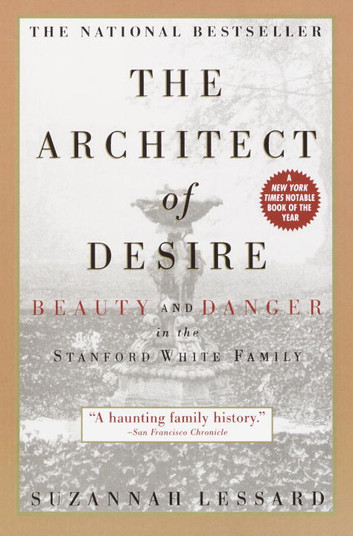
Description
The Architect of Desire: A Comprehensive Synopsis of Beauty, Scandal, and Family Secrets
The Architect of Desire by Suzannah Lessard explores a haunting family legacy. Moreover, The Architect of Desire reveals how beauty and danger intertwined across generations. Additionally, The Architect of Desire examines Stanford White’s brilliant career and dark secrets. This memoir spans over a century of silence and revelation.
Stanford White: America’s Premier Architect
Stanford White transformed American architecture in the Gilded Age. He was a founding partner of McKim, Mead & White. The firm became the most prestigious architectural practice in America. Furthermore, White designed buildings that defined an era. His work combined classical elegance with modern innovation.
Iconic Buildings That Shaped New York
White’s architectural legacy remains visible throughout New York City today. He designed the original Madison Square Garden in 1890. The Washington Square Arch stands as another enduring monument. Additionally, he created mansions for America’s wealthiest families. His buildings embodied Gilded Age opulence and grandeur.
White’s portfolio included:
- The original Madison Square Garden
- Washington Square Arch
- Mansions for the Vanderbilts and Astors
- The Bowery Savings Bank
- Numerous private clubs and estates
The Murder That Shocked America in The Architect of Desire
The 1906 murder became known as the “crime of the century.” Harry Kendall Thaw shot Stanford White on June 25, 1906. The shooting occurred atop Madison Square Garden’s rooftop theater. Hundreds of witnesses watched the shocking event unfold. Consequently, the scandal dominated newspapers for months.
Evelyn Nesbit: The Girl in the Red Velvet Swing
Evelyn Nesbit was a famous model and chorus girl. She became involved with Stanford White when she was sixteen. Moreover, White installed a red velvet swing in his apartment. The swing became a symbol of his predatory behavior. Nesbit later married the unstable millionaire Harry Thaw.
The Trial of the Century Featured in The Architect of Desire
Harry Thaw’s trial captivated the nation in 1907. The prosecution presented evidence of premeditated murder. However, the defense argued temporary insanity. Thaw’s lawyers portrayed him as defending his wife’s honor. The jury deadlocked, resulting in a mistrial.
A second trial in 1908 found Thaw not guilty by insanity. He was committed to an asylum for the criminally insane. The trials exposed White’s relationships with young women. Furthermore, they revealed the dark underside of Gilded Age society.
Suzannah Lessard: Stanford White’s Great-Granddaughter
Suzannah Lessard grew up knowing her famous ancestor’s name. She was Stanford White’s great-granddaughter through his son. However, the family rarely discussed the scandal or its aftermath. Additionally, a culture of silence pervaded the family for generations. Lessard sensed secrets lurking beneath the surface.
Box Hill: The Family Estate on Long Island
Box Hill served as the White family compound for decades. The estate sprawled across Long Island’s North Shore. Moreover, it housed multiple generations of the family. The property embodied both beauty and hidden darkness. Lessard spent her childhood summers at Box Hill.
The estate featured beautiful gardens and elegant architecture. Yet something felt wrong beneath the idyllic surface. Furthermore, the family maintained strict codes of silence. Children learned not to ask certain questions. The past remained carefully buried.
Four Generations of Silence in The Architect of Desire
The Architect of Desire traces silence across four generations. Stanford White’s widow never publicly discussed the scandal. His children learned to avoid the subject entirely. Consequently, each generation inherited unspoken rules about the past. The silence became a family tradition.
This pattern of concealment had devastating consequences. Moreover, it allowed dysfunction to continue unchecked. The family prioritized reputation over truth. Additionally, they valued appearance over genuine healing. The cost of silence proved enormous.
Discovering Dark Truths in Her Thirties
Lessard began uncovering family secrets in her thirties. She started researching Stanford White’s life and death. However, she discovered far more than historical facts. The research led to painful personal revelations. Furthermore, she recognized patterns repeating across generations.
She learned that Stanford White had pursued numerous young women. Many were teenagers when he began relationships with them. Additionally, he used his wealth and influence to manipulate them. The pattern was predatory and systematic. Consequently, Lessard saw parallels to her own experiences.
Personal Memoir of Abuse and Survival
The Architect of Desire is not merely a historical biography. Lessard courageously reveals her own experiences of abuse. She was molested by male relatives during childhood. Moreover, the family culture enabled this abuse to continue. The same silence that protected Stanford White’s reputation protected other abusers.
Lessard writes with unflinching honesty about her trauma. She describes the confusion and shame she felt. Additionally, she explains how family dynamics normalized inappropriate behavior. The memoir becomes a powerful testimony. Therefore, it serves both as history and personal reckoning.
Patterns of Predatory Behavior Across Generations
The book reveals disturbing patterns within the White family. Stanford White’s behavior toward young women was predatory. However, similar patterns emerged in subsequent generations. Moreover, the family’s culture of silence enabled ongoing abuse. Beauty and danger remained intertwined.
Lessard identifies specific family dynamics that perpetuated harm. The emphasis on aesthetics overshadowed moral concerns. Additionally, loyalty to family reputation trumped individual well-being. Children learned to suppress their own perceptions. Consequently, abuse could continue unacknowledged.
Breaking the Family Silence in The Architect of Desire
Writing The Architect of Desire required tremendous courage from Lessard. She broke generations of family silence. Moreover, she risked alienating relatives by telling the truth. The decision to publish was not made lightly. However, she recognized the importance of speaking out.
The book challenges the family’s carefully constructed narrative. It refuses to separate Stanford White’s genius from his misconduct. Additionally, it connects historical scandal to ongoing family dysfunction. Lessard insists on seeing the whole truth. Therefore, she rejects the compartmentalization that enabled harm.
Architectural Brilliance Versus Moral Darkness
The Architect of Desire grapples with a fundamental contradiction. Stanford White created buildings of extraordinary beauty. Yet he also caused significant harm to vulnerable young women. Moreover, his family celebrated his achievements while ignoring his victims. The book refuses to resolve this tension easily.
Lessard does not diminish White’s architectural contributions. His buildings remain important cultural landmarks. However, she insists on acknowledging the full picture. Genius does not excuse predatory behavior. Furthermore, beauty cannot erase the suffering it may have cost.
The Cost of Covering Up Family Scandals
The White family paid an enormous price for their silence. Each generation inherited unresolved trauma. Moreover, the pattern of abuse continued unchecked. Children grew up in an atmosphere of secrets and denial. Consequently, they struggled to develop healthy relationships and boundaries.
The emphasis on maintaining appearances created psychological damage. Family members learned to distrust their own perceptions. Additionally, they internalized shame about things they hadn’t done. The cover-up became more destructive than the original scandal. Therefore, Lessard argues for the necessity of truth-telling.
The Legacy of Beauty and Danger Intertwined
The Architect of Desire explores how beauty and danger coexisted. The White family valued aesthetics above almost everything else. Box Hill was maintained as a beautiful sanctuary. However, this beauty masked serious dysfunction. Moreover, the emphasis on appearance prevented genuine healing.
Lessard describes growing up surrounded by physical beauty. The estate, the architecture, the family’s artistic heritage all seemed wonderful. Yet she also experienced violation and confusion. Additionally, she sensed the weight of unspoken secrets. Beauty became inseparable from danger in her experience.
Critical Reception and Literary Significance of The Architect of Desire
The Architect of Desire received widespread critical acclaim upon publication. Reviewers praised Lessard’s courage and literary skill. Moreover, they recognized the book’s importance as both memoir and history. The work illuminates how family secrets perpetuate harm across generations. Additionally, it contributes to conversations about abuse and silence.
The book demonstrates the power of breaking silence. Lessard’s willingness to tell difficult truths creates space for healing. Furthermore, her work encourages others to examine their own family narratives. The memoir serves as both personal testimony and cultural critique. Therefore, it remains relevant decades after publication.
Conclusion: Truth, Healing, and the Power of Speaking Out
The Architect of Desire ultimately argues for the necessity of truth. Suzannah Lessard demonstrates that silence protects perpetrators, not victims. Moreover, she shows how family secrets damage multiple generations. The book is both a personal memoir and a historical investigation. Additionally, it serves as a powerful call for honesty.
Lessard’s courage in writing this book cannot be overstated. She risked family relationships to tell the truth. However, she recognized that continued silence would perpetuate harm. The work stands as a testament to survival and resilience. Furthermore, it offers hope that breaking silence can lead to healing.
The legacy of Stanford White remains complex and contradictory. His architectural achievements continue to inspire admiration. Yet his personal behavior caused real suffering. Moreover, the family’s response to scandal created additional trauma. The Architect of Desire insists we acknowledge all of these truths simultaneously. Therefore, it provides a model for honest reckoning with difficult family histories.






Reviews
There are no reviews yet.